How much does it cost to replace aluminum wiring in Virginia?
There is no fixed Virginia price. Replacing aluminum branch wiring with copper is quoted house by house, and the price turns on how much of the house has to be opened up. Because full replacement can be prohibitively expensive, the U.S. Consumer Product Safety Commission also approves repairing every connection. Ask for written quotes for both routes.
Free to ask. Local shops send quotes, and you pay only when you book one.
By Kasra Taheri, Founder, LoclisPublished
Researched and drafted with AI, then checked claim by claim against the sources listed below before it was published. Prices and rules change; the dates beside each source say when it was last checked.
This is a job for a licensed pro in Virginia
This page explains what the work involves, the permits, what a licensed pro does and what drives the cost. It does not give step-by-step instructions, because this work needs a licence, a permit or both, and doing it wrong can injure someone. Before you hire, check the licence on Virginia's DPOR record.
No one can honestly give you a single Virginia price for replacing aluminum wiring without seeing the house. The cost depends mostly on how easily an electrician can reach the cable, and on whether you replace it or repair the connections. This page explains what moves the price, so you can read quotes with confidence and compare them like for like.
Replace or repair: two ways to price the same problem
Start with the choice, because it changes the quote more than anything else. CPSC calls complete replacement with copper cable the best method available, but for many homes it is impractical or prohibitively expensive.[1] The alternative is to keep the aluminum cable and fix every place where it connects.
CPSC approves of only three methods for a permanent repair: complete replacement with copper cable, the COPALUM method, and the AlumiConn connector.[1] The two connector methods work the same way in principle. The COPALUM method attaches a short section of copper wire to the ends of the aluminum wire at connection points, joined with a special connector.[1] The AlumiConn is a different connector used in the same pigtail approach.
Availability matters for cost. CPSC says the COPALUM repair may be unavailable in a locality, and that the AlumiConn connector may be considered the next best alternative.[1] If one method is not offered near you, the quotes you get will reflect that.
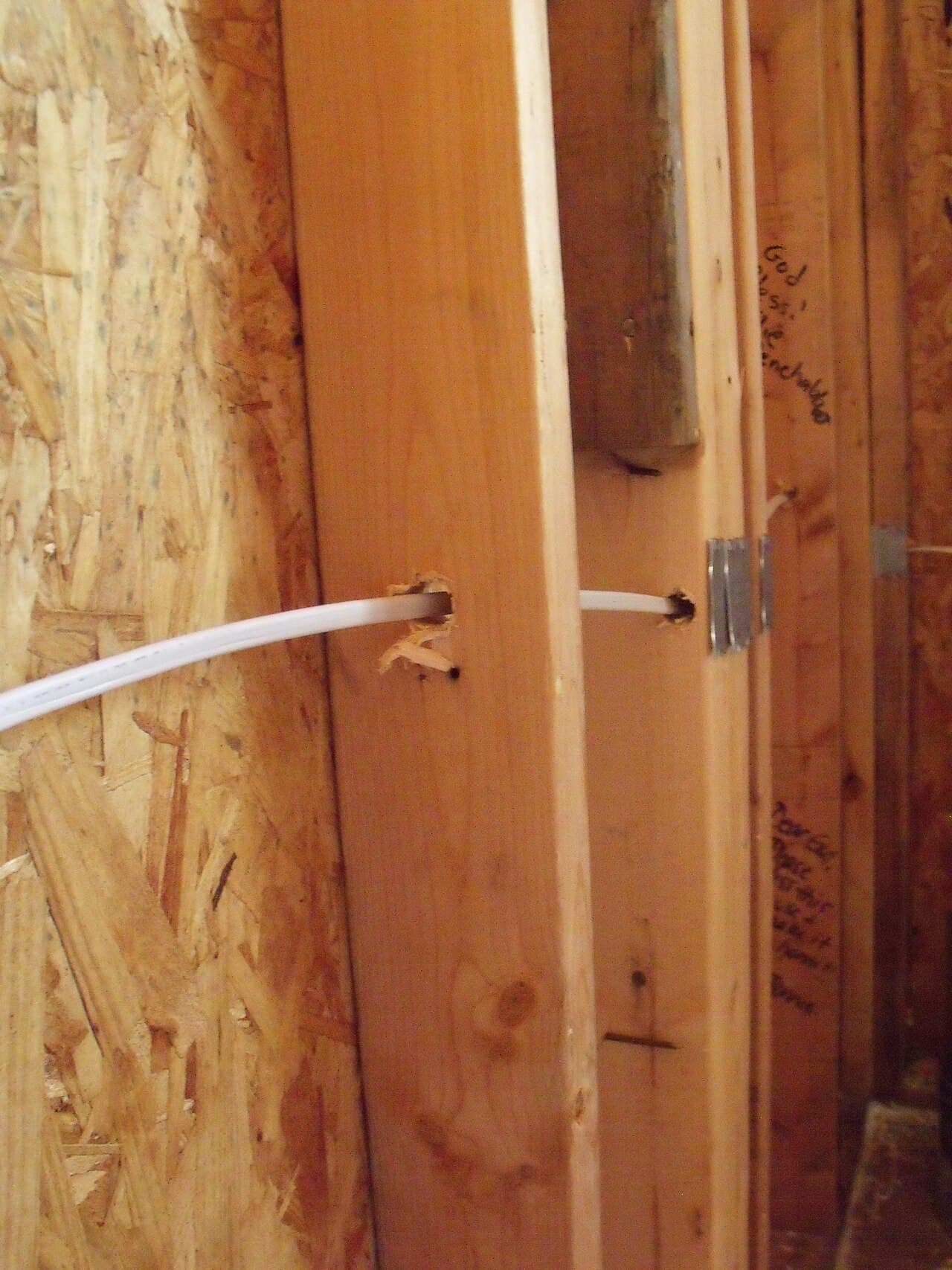
What drives the price of replacement
How the house is built. CPSC puts it this way: depending on the architectural style of your home and the number and locations of unfinished spaces, such as basements and attics, it may be relatively easy for a qualified electrician to rewire.[1] A house with an open basement and attic costs less to rewire than one with finished plaster walls and no easy way in.
What happens to the old cable. A new copper branch circuit system would be installed, and the existing aluminum wire could be abandoned inside the walls.[1] That avoids tearing everything out, but it still means running new cable to every outlet, switch and light.
How many circuits and devices. More rooms, more outlets and more fixtures mean more cable and more labour. Ask whether the quote covers every aluminum circuit or only some.
Wall and ceiling repair. Openings need patching and paint. Some electricians include that and some do not, so ask each bidder to say in writing who does it.
The panel. If the electrician finds the panel or service also needs work, that is usually priced as its own line.
Permits and inspection. Ask each bidder whether any permit and inspection fees are in the price, or billed separately.
What drives the price of a repair
A connector repair is priced very differently from a rewire, because the work happens at the connection points rather than inside the walls. The repair should include every connection or splice involving aluminum wire in the home, including outlets, dimmers, switches, fixtures, appliances and junction boxes.[1] So the number of connections in your house sets the quote, and a house with many lights, switches and appliance connections will cost more than the outlet count alone suggests. Ask the electrician to count them in the written quote.
Checking whether you have aluminum wiring
Homes built before 1965 are unlikely to have aluminum branch circuit wiring.[1] Cable with aluminum conductors has "Al" or "Aluminum" marked on one side of the cable jacket every few feet.[1] If you are unsure, an electrician can confirm it during a visit; do not open outlets to look. If the cable also says copper-clad, it is a different product and is not covered by CPSC's repair recommendations.
Failing aluminum-wired connections seldom provide easily detected warning signs.[1] The signs CPSC lists include hot-to-the-touch face plates on receptacles or switches, flickering lights, circuits that don't work, and the smell of burning plastic at outlets or switches.[1] Any of these is a reason to call an electrician promptly. For what to look for around the house, see warning signs of bad wiring.
Getting quotes you can compare
Ask for the same three things from every bidder: a price for full replacement, a price for a CPSC-approved connector repair, and a list of what each includes. Get at least three written bids,[2] and give each the same information about the house.
Virginia law requires all licensed contractors to provide a written contract for residential work.[2] Limit your deposit to 10% down or $1,000, whichever is less.[2] Pay the balance as the work is finished and inspected, not before.
For more on what a whole-house job involves and costs, read how much it costs to rewire a house in Virginia and what rewiring an old house involves.
When to call a licensed pro
For all of it. CPSC says it is highly recommended that you hire a qualified electrician to perform this remediation.[1] Virginia defines a tradesman as any individual who does electrical, plumbing or HVAC work for the general public for compensation,[3] and no individual may work as a tradesman unless licensed.[4] Check the licence before you sign.
Loclis lists DPOR-licensed electrical businesses with their licence number and class. Browse electrical services or read more electrical answers.
To get prices for your own house, describe the job once and licensed local electricians quote it.
Common questions
- Do I have to replace aluminum wiring?
- Not necessarily. CPSC approves three permanent fixes: complete replacement with copper, the COPALUM repair and the AlumiConn connector repair. Which one suits your house is a question for a licensed electrician who has looked at it.
- Is repairing aluminum wiring cheaper than replacing it?
- CPSC itself notes that copper replacement may be cost prohibitive, and a connector repair works at the connections rather than throughout the walls. Which is cheaper for your house depends on the quote. Ask for both options priced in writing so you can compare them.
- How do I know if my house has aluminum wiring?
- CPSC says to look at the markings printed or embossed on the cable jacket where it is visible, in unfinished basements, attics or garages. If you cannot tell, have a qualified electrician make the determination rather than opening outlets yourself.
- Can an electrician just swap the outlets for new ones?
- Not as a permanent fix on their own. CPSC says the repair should include every connection or splice that involves aluminum wire, not only the receptacles, and it recommends only specific methods.
- How much should I pay up front for this kind of job?
- Virginia's Board for Contractors advises limiting your deposit to 10% down or $1,000, whichever is less, and getting a written contract before work begins.
Sources
- [1] Repairing Aluminum Wiring (Publication 516), U.S. Consumer Product Safety Commission. Checked October 27, 2026.
- [2] What You Should Know Before You Hire a Contractor, Virginia Board for Contractors, DPOR. Checked October 27, 2026.
- [3] Code of Virginia § 54.1-1128, Definitions, Code of Virginia, Legislative Information System. Checked October 27, 2026.
- [4] Code of Virginia § 54.1-1129, Tradesman license required, Code of Virginia, Legislative Information System. Checked October 27, 2026.
Want a pro to handle it?
Describe the job once. Licensed local businesses send quotes, and you pay only when you book one.
Get a quote for Electrical Repair