What are the warning signs of bad wiring in a house?
The main warning signs are outlets or switch plates that feel hot, a burning-plastic smell, flickering or dimming lights, outlets and switches that work only some of the time, plugs that fall out, breakers or fuses that keep tripping, and any shock from an appliance. Heat, smell and shocks need a licensed electrician the same day; the others need one soon.
Free to ask. Local shops send quotes, and you pay only when you book one.
By Kasra Taheri, Founder, LoclisPublished
Researched and drafted with AI, then checked claim by claim against the sources listed below before it was published. Prices and rules change; the dates beside each source say when it was last checked.
This is a job for a licensed pro in Virginia
This page explains what the work involves, the permits, what a licensed pro does and what drives the cost. It does not give step-by-step instructions, because this work needs a licence, a permit or both, and doing it wrong can injure someone. Before you hire, check the licence on Virginia's DPOR record.
The warning signs of bad wiring are heat, smell, flicker and failure: outlets or switch plates that feel hot, a burning-plastic smell, lights that flicker or dim, outlets that work only sometimes, plugs that fall out, and breakers or fuses that keep tripping. A shock from any appliance belongs on the list too. Some signs mean stop using that circuit today; others mean book an electrician this week.
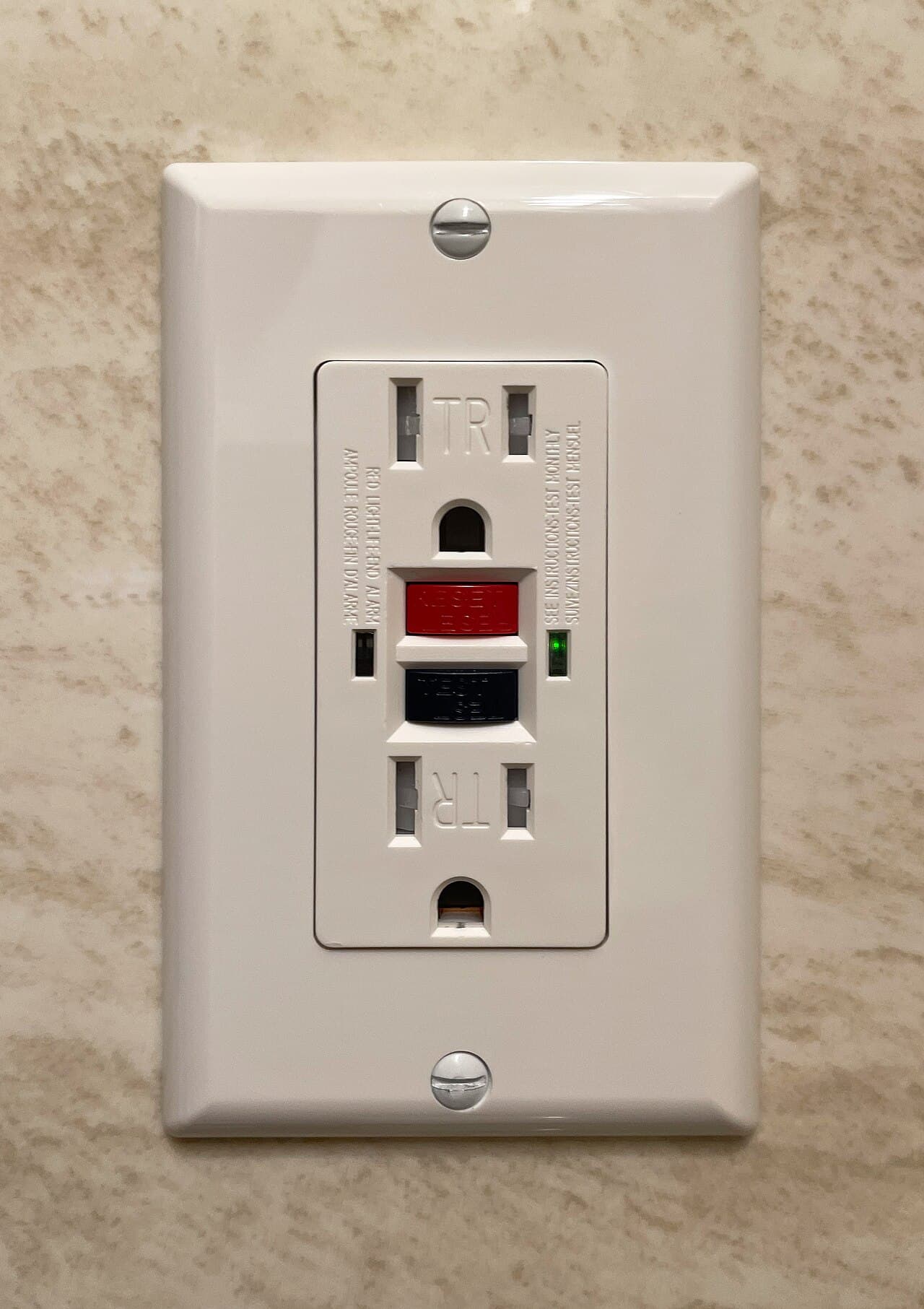
Act the same day
The U.S. Consumer Product Safety Commission lists the signs of electrical system problems as hot-to-the-touch face plates on receptacles or switches, flickering lights, circuits that don't work, and the smell of burning plastic at outlets or switches.[1] Three kinds of sign call for a licensed electrician the same day.
A shock from an appliance or fixture. CPSC says a shock from an appliance, other than static, indicates an extremely hazardous wiring condition. Its advice: do not touch the appliance until an electrician has checked it, and turn off its power at the circuit breaker.[2]
Heat at an outlet or switch. Unusually warm outlets or switches may mean a loose connection that can start a fire, though some dimmer switches warm up in normal use.[2] CPSC says to stop using a warm outlet or switch until an electrician checks it.[2] Brown or black marks around the slots or on the cover plate are a sign of the same overheating.
A burning or hot-plastic smell. Near an outlet, switch, fixture or the panel, it usually means something is overheating. Stop using that circuit and get it checked.
Book an electrician soon
These signs are not usually emergencies, but they are reasons to have the circuit checked rather than lived with.
Outlets and switches that misbehave. Outlets or switches that do not work properly may mean an unsafe wiring condition exists, and a loose screw holding a wire or a worn-out switch can lead to arcing, overheating or a fire.[2] An outlet that works only when you wiggle the plug, or a switch that crackles, falls here.
Plugs that fall out. Loose-fitting plugs can cause overheating and fires, because a loose connection cannot carry much current without getting hot.[2] The U.S. Fire Administration's advice is direct: replace wall outlets if plugs do not fit snugly.[3] That replacement is a job for an electrician.
Flickering or dimming lights. One lamp that flickers is often the bulb or the lamp itself. Lights that dim when the air conditioner or microwave starts, or that flicker in several rooms, can point to a loose connection or an overloaded circuit somewhere upstream.
Breakers that trip or fuses that blow. A breaker that trips is doing its job, but one that trips repeatedly is telling you something is wrong on that circuit. In a fuse box, never solve it with a bigger fuse: the wrong size fuse can let too much current flow and overheat the wiring.[2] If the right size is not known, CPSC recommends you have an electrician identify and label the correct size.[2]
Fixtures that run hot. A bulb of higher wattage than a fixture is rated for can overheat the fixture, the wiring or nearby materials.[2] Scorched sockets or brittle, crumbling insulation in a light fixture can be signs it has been happening.
Signs the house has outgrown its wiring
Some signs are less about a fault than about a house asked to do more than it was wired for.
- Extension cords as permanent wiring. CPSC says plainly that extension cords are not as safe as permanent house wiring.[2] Cords run to reach outlets mean the room needs more of them.
- Two-prong outlets throughout. Ungrounded outlets often go with older wiring. The Fire Administration's rule: never force a 3-prong cord into a 2-slot outlet.[3]
- Power strips everywhere. Daisy-chained strips in kitchens, offices and entertainment areas usually mean too few circuits.
Problems that give no warning
Not every bad connection announces itself. GFCIs can fail without showing any sign of failure,[2] and AFCIs, special breakers that detect the arcing a damaged wire or connection can produce, can also stop working without showing signs of failure.[2] Our answer on electrical safety checks to do every year covers testing them.
The type of wiring matters too. Homes built before 1965 are unlikely to have aluminum branch circuit wiring, but cable installed between 1965 and the mid-1970s may.[1] A survey for CPSC found that homes built before 1972 and wired with aluminum were 55 times more likely than copper-wired homes to have one or more outlet connections reach fire hazard conditions,[1] and CPSC warns that failing aluminum connections seldom give easily detected warning signs and have been reported to fail and overheat without any prior indication.[1] Knob-and-tube wiring in older houses is a separate question; see whether a house needs rewiring.
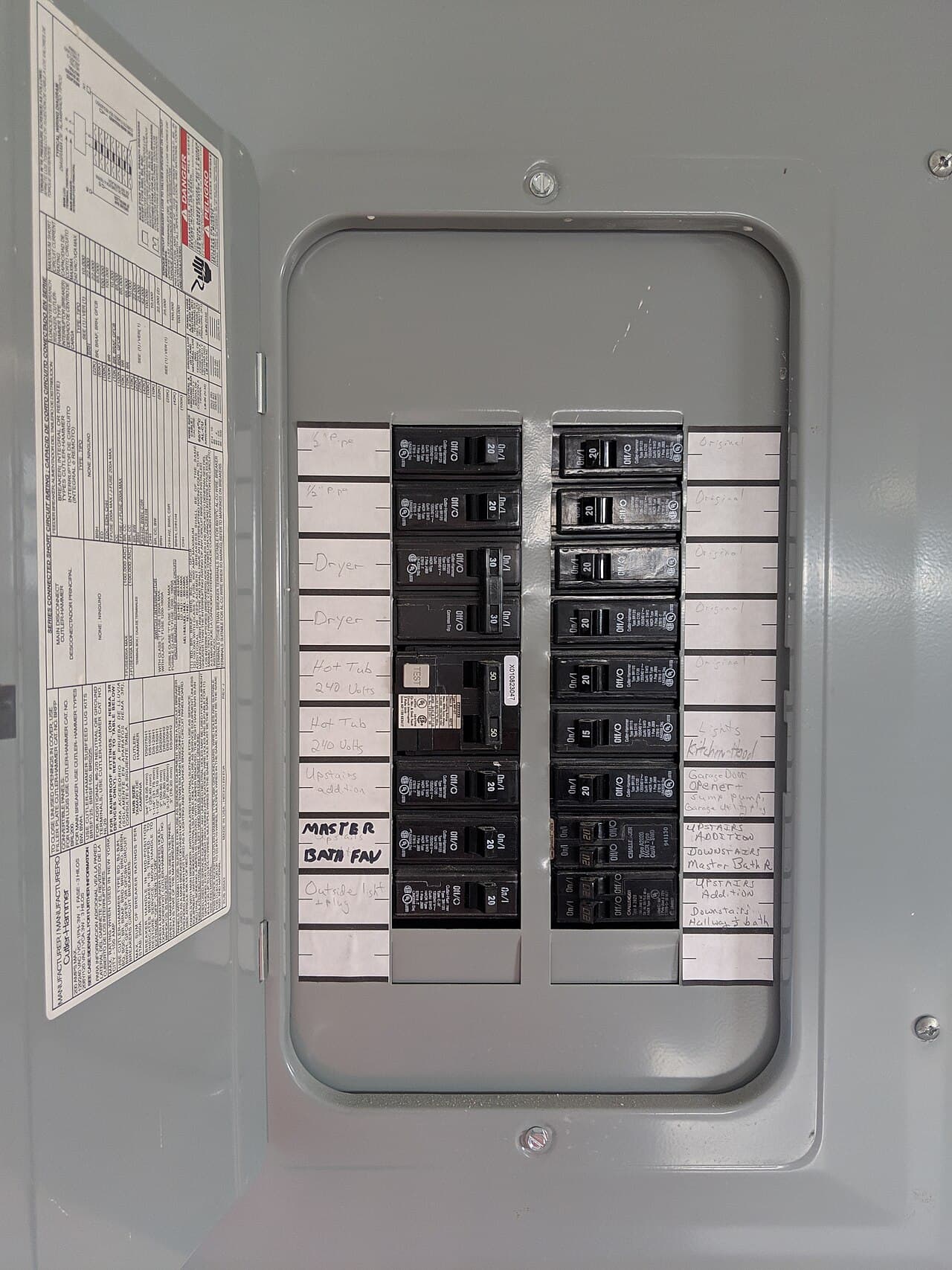
Why these signs matter
The U.S. Fire Administration reports that in 2021 an estimated 24,200 residential building electrical fires were reported to U.S. fire departments, causing an estimated 295 deaths, 900 injuries and over $1.2 billion in property loss.[3] Its report on residential electrical fires, published in March 2008, found that nearly half (47%) of residential building electrical fires where equipment was involved were caused by the building's wiring.[4] That report also observed that wiring and electrical components have a life expectancy that does not always equal the life cycle of the building,[4] and that electrical fires peak in December and January, which account for 22% of them.[4] Winter, when heaters and lights are on longest, is a bad time to ignore a warm outlet.
What happens next
One sign with an obvious cause, such as a single worn outlet, is a repair call. Several signs, or any sign in a house with aluminum or knob-and-tube wiring, call for a wider look at the panel and circuits. Our answer on what happens during an electrical service call explains the visit, and how long house wiring lasts covers age.
When to call a licensed pro
Diagnosing and repairing wiring is licensed work in Virginia: no individual may work as an electrical tradesman unless licensed,[5] and a permit is required before work starts on installations or alterations involving electric wiring.[6] Call a licensed electrician the same day for a shock, a hot outlet or switch, scorch marks or a burning smell, and within days for the other signs above. Before hiring, check the electrician's licence.
Find an electrician
Browse electrical services on Loclis, look up electricians in Blacksburg, or read more electrical answers.
Describe the warning signs you are seeing and licensed local electricians quote the repair.
Common questions
- Is a warm outlet dangerous?
- Treat it as a warning. CPSC says an unusually warm outlet or switch may mean a loose connection that can start a fire, and advises not using it until an electrician checks it. Some dimmer switches warm up in normal use; an ordinary outlet should not.
- Do flickering lights always mean bad wiring?
- No. One flickering lamp is often the bulb or the lamp itself. Flickering in a ceiling fixture, in several rooms, or when a large appliance starts is a reason to have a licensed electrician check the circuit and its connections.
- What does it mean when a breaker keeps tripping?
- The breaker is cutting power because something on the circuit is drawing too much current or has a fault. It may be an overloaded circuit, a faulty appliance or a wiring problem. If it trips repeatedly, or trips again at once when reset, call an electrician.
- Can bad wiring give no warning at all?
- Yes. CPSC notes that failing aluminum connections seldom give easily detected warning signs, and that GFCI and AFCI protection can fail without any sign. That is why the age and type of wiring are reasons for an electrician's assessment even when nothing seems wrong.
- Who can repair bad wiring in Virginia?
- A licensed electrical tradesman, or someone working under one's supervision. Virginia's building code also requires a permit before work starts on electric wiring, though like-for-like replacement of some devices is exempt. Check the electrician's licence on DPOR's record before hiring.
Sources
- [1] Repairing Aluminum Wiring (Publication 516), U.S. Consumer Product Safety Commission. Checked October 26, 2026.
- [2] Home Electrical Safety Checklist (Publication 513), U.S. Consumer Product Safety Commission. Checked October 26, 2026.
- [3] Appliance and Electrical Fire Safety, U.S. Fire Administration, FEMA. Checked October 26, 2026.
- [4] Residential Building Electrical Fires, Topical Fire Report Series, Volume 8, Issue 2 (March 2008), U.S. Fire Administration, FEMA. Checked October 26, 2026.
- [5] Code of Virginia § 54.1-1129, Necessity for licensure, Code of Virginia, Legislative Information System. Checked October 26, 2026.
- [6] 13VAC5-63-80, Virginia Uniform Statewide Building Code, Section 108 Application for permit, Virginia Administrative Code, Legislative Information System. Checked October 26, 2026.
Want a pro to handle it?
Describe the job once. Licensed local businesses send quotes, and you pay only when you book one.
Get a quote for Electrical Repair