How much does pool resurfacing cost in Virginia?
We could not find a current, dated Virginia price for resurfacing a pool from a government or manufacturer source, so we do not quote one. Cost depends on pool size, the finish, preparation, tile and repairs, and the drain and refill. Get at least three itemized written quotes from licensed pool contractors and compare them line by line.
Free to ask. Local shops send quotes, and you pay only when you book one.
By Kasra Taheri, Founder, LoclisPublished
Researched and drafted with AI, then checked claim by claim against the sources listed below before it was published. Prices and rules change; the dates beside each source say when it was last checked.
Step by step
Read when to stop and call a pro, further down this page, before you start.
Step 1: Collect the basics
Write down the pool's length, width, depth range, shape, current finish and any known leaks, tile or coping damage.
Step 2: Ask for several written quotes
Request itemized quotes from at least three licensed pool contractors, since Virginia requires a valid contractor's licence for work valued at $1,000 or more.[5]
Step 3: Match the scope
Check that each quote names the finish and warranty, prep and repairs, tile and coping, drain and refill, and start-up chemistry.
Step 5: Ask about the permit
Call your building department about whether resurfacing needs a permit, and ask who applies and whether the fee is in the quote.
Step 6: Set the payment terms
Agree a total price, a payment schedule and a cancellation term in writing, keeping the initial deposit to DPOR's rule of thumb of no more than 10% of the total price or $1,000, whichever is less.[5]
There is no single Virginia price for resurfacing a pool, and we could not find a current, dated price for it from a government or manufacturer source, so we will not quote a number. The cost for your pool is set by its size, the finish you pick, how much old surface must come off, what else needs repair and how the drain and refill are handled. Get itemized written quotes from licensed pool contractors and compare them line by line.
What drives the price
Size and shape. Surface area is the base of every quote: the floor, walls and steps. A larger pool, a deeper one or one with many steps, benches and curves takes more material and labor.
The finish. Plaster, aggregate finishes, tile and other surfaces differ in material cost, labor and how long they are expected to last. Ask each contractor to name the exact product, its colour and its manufacturer's warranty. Two quotes that both say "resurfacing" can describe different finishes.
Preparation. The old finish is usually chipped or ground back, and loose areas are repaired before the new layer goes on. Heavy damage, hollow areas and a pool with several old layers mean more prep, and prep is labor. Ask what the quote assumes about the condition of the shell and what happens if the crew finds more damage once the pool is empty.
Tile, coping and repairs. Missing or cracked tile must be repaired or replaced, according to San Diego County's pool operator guide.[1] Resurfacing is the natural time to fix tile and coping, and these items are often priced separately. Ask whether they are in the quote.
Leaks and shell repairs. If the pool has been losing water, find out why before paying for a new finish. Pool leak repair costs are a separate line, and a new surface over a leaking shell can waste money.
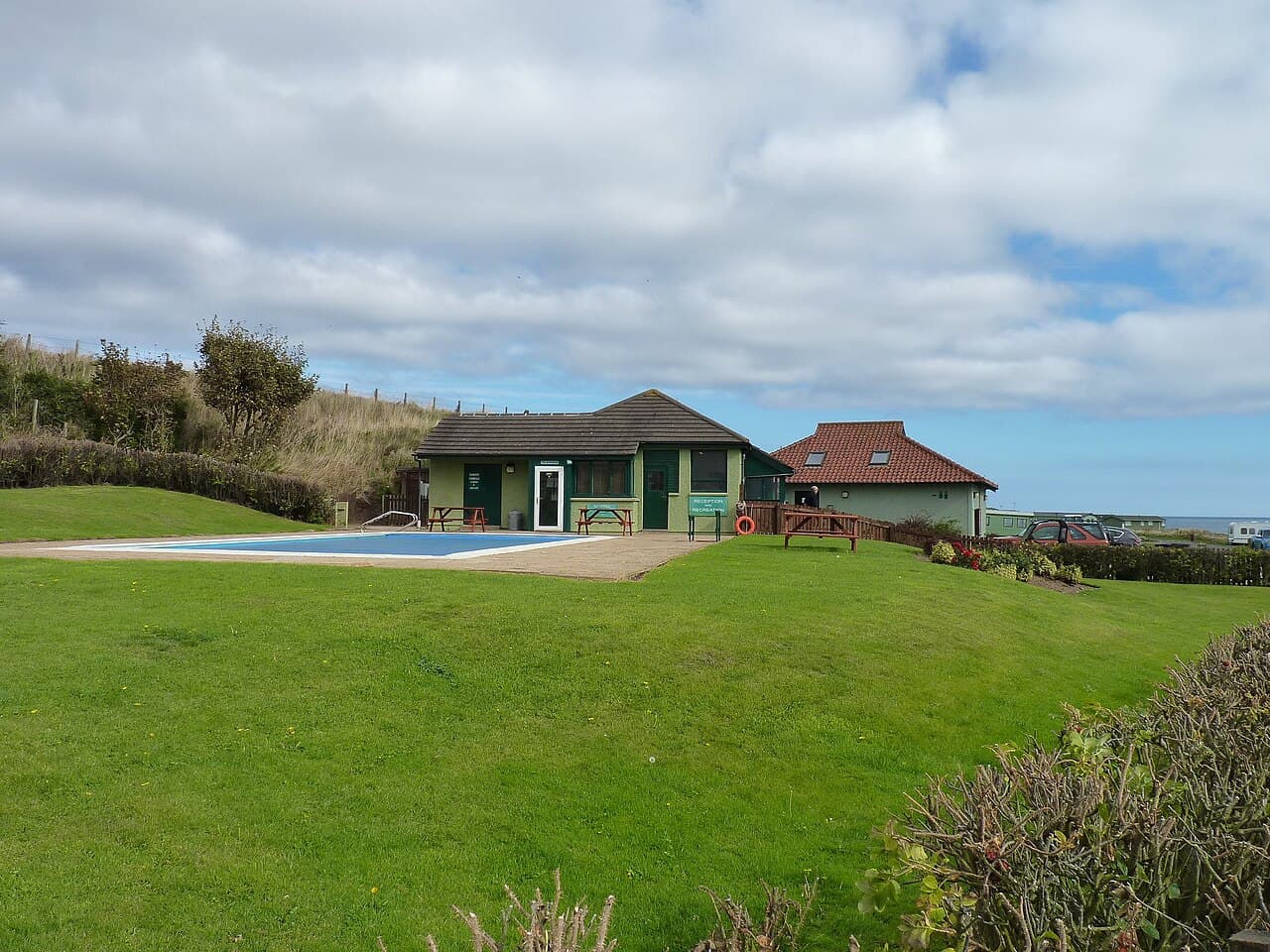
Draining, groundwater and refilling
The pool has to be emptied and later refilled and rebalanced, which affects the bill and the schedule. A well-maintained pool should only need to be drained every 3 to 7 years to keep total dissolved solids down, the EPA says, so resurfacing is also a chance to start with fresh water.[2] Before draining, the EPA says to let the water sit for 48 to 72 hours without adding chemicals, after which pool water is often safe enough for garden or landscape use.[2] It also says to check local regulations before draining pool water into sanitary or storm sewers or onto your property.[2]
An empty in-ground pool can be pushed by groundwater. The Virginia Department of Health's Portsmouth pool guide says in-ground pools should have hydrostatic relief valves to relieve groundwater pressure on the pool shell.[3] Ask each contractor how they will manage groundwater, how long the pool will stay empty and who handles the refill and start-up chemistry.
Permits
Permit rules for pool work are set by your locality's building office. Roanoke County, for example, says the Virginia Uniform Statewide Building Code requires a building permit for any swimming pool with a surface area greater than 150 square feet or more than 24 inches deep, and that it recommends the licensed pool contractor obtain the pool permit.[4] That page covers installing a pool, not resurfacing one, so call your building department and ask whether resurfacing your pool needs a permit, then ask the contractor who applies and whether the fee is in the quote.
Get quotes you can compare
Virginia requires a valid contractor's licence for work valued at $1,000 or more.[5] Ask each contractor to put the following in writing:
- the finish, brand, colour and warranty
- how the old surface will be removed and repaired
- tile, coping and plumbing fittings included or excluded
- drain, refill and start-up chemistry
- permit and inspection, if required
- start date, finish date and what happens if hidden damage is found
DPOR says the contract should include the total price, when payments will be made, and whether there is a cancellation penalty.[5] It suggests an initial deposit of no more than 10% of the total price or $1,000, whichever is less, and it says not to pay 100% of the total bill until the work is 100% complete.[5] Changes after signing should be in writing and signed by both of you.[5]
Stop and call a pro if
- A quote asks for a large deposit or full payment up front. DPOR's guidance is that an initial deposit should be small, and that a reputable contractor should be able to front the costs of supplies without a large sum of up-front money.[5]
- The contractor will not show a licence number you can verify. A licence number on a business card does not prove the licence is valid, so check it with DPOR.[5]
- The quote is far below the others. Ask what is left out, such as prep, tile or the refill.
- Work would begin before the pool is checked for leaks or shell damage.
Next steps
Start with how to tell when a pool needs resurfacing, then read how to choose a pool resurfacing contractor. More pool guidance is in the pool and spa answers, and you can browse pool and spa services on Loclis.
To get prices for your own pool, describe the job once and licensed local pool businesses quote it.
Common questions
- Can you give a typical Virginia price for resurfacing a pool?
- Not honestly. We could not find a current, dated price from a government or manufacturer source, and quotes vary with pool size, finish, prep and repairs. Get at least three itemized written quotes.
- Why do quotes for the same pool differ so much?
- Usually the scope differs: different finishes, different prep, tile and coping in or out, and drain and refill handled differently. Make each contractor name the finish, warranty and exclusions.
- How much deposit is reasonable?
- DPOR gives a rule of thumb of an initial deposit of no more than 10% of the total price or $1,000, whichever is less, and says not to pay in full until the work is complete.
- Is the refill included in the quote?
- Ask. Some quotes include start-up chemistry and some do not, and the refill is a separate water cost.
- Does resurfacing a pool need a permit in Virginia?
- It depends on your locality. Call your building department and ask. Roanoke County's page covers installing pools, so it is not a rule for resurfacing.
Sources
- [1] Swimming Pool Operator's Guide, 1st Edition, County of San Diego Department of Environmental Health, Food and Housing Division. Checked October 27, 2026.
- [2] Jump Into Pool Water Efficiency (EPA-832-F-22-015, September 2022), U.S. Environmental Protection Agency, WaterSense. Checked October 27, 2026.
- [3] Pool Operation and Maintenance Guide (Portsmouth Health Department, 2018), Virginia Department of Health. Checked October 27, 2026.
- [4] Residential: Installing a Swimming Pool or Hot Tub, Roanoke County, Virginia, Building Safety. Checked October 27, 2026.
- [5] What You Should Know Before You Hire a Contractor, Virginia Board for Contractors, DPOR. Checked October 27, 2026.
Want a pro to handle it?
Describe the job once. Licensed local businesses send quotes, and you pay only when you book one.
Get a quote from a local pro