How often should grout be sealed?
There is no single interval. Seal cement grout after it has cured, then test it: drop water on the joint, and if it beads up the sealer is working, but if the grout soaks it up, reseal. Check showers and kitchen backsplashes every year or so. Some grouts say they need no sealer, and sealing never replaces cleaning.
Free to ask. Local shops send quotes, and you pay only when you book one.
By Kasra Taheri, Founder, LoclisPublished
Researched and drafted with AI, then checked claim by claim against the sources listed below before it was published. Prices and rules change; the dates beside each source say when it was last checked.
Step by step
Read when to stop and call a pro, further down this page, before you start.
Step 1: Read the grout's data sheet
Check whether your grout calls for a sealer at all, since some cement grouts say they do not require sealing.[2]
Step 2: Run the water test
Drop a small amount of water on the grout: if the droplets bead up the sealer is fine, and if the grout absorbs the water it is time to reseal.[1]
Step 3: Clean the grout
Scrub off soap scum and stains with a pH neutral tile cleaner, rinse well and let the joints dry completely before sealing.[2]
Step 4: Test a hidden spot
Try the sealer on a small area first, because some textured and porous tile can stain or haze.[3]
Step 5: Apply a penetrating sealer
Brush or wipe a penetrating grout sealer onto the grout lines only, following the label.[3]
Step 6: Wipe off the excess
Remove sealer from the tile surface as you go and do not let it dry there.[5]
Step 7: Let it cure, then retest
Keep the area dry for the time on the label, then repeat the water test to confirm the grout now repels water.
Seal when the water says so, not on a calendar
One interval does not fit every shower, floor and backsplash, so test rather than guess. Daltile gives the simple method. Drop a small amount of water on the grout. If the water droplets bead up, the sealant is fine. If the water is absorbed into the grout, it is time to reseal.[1]
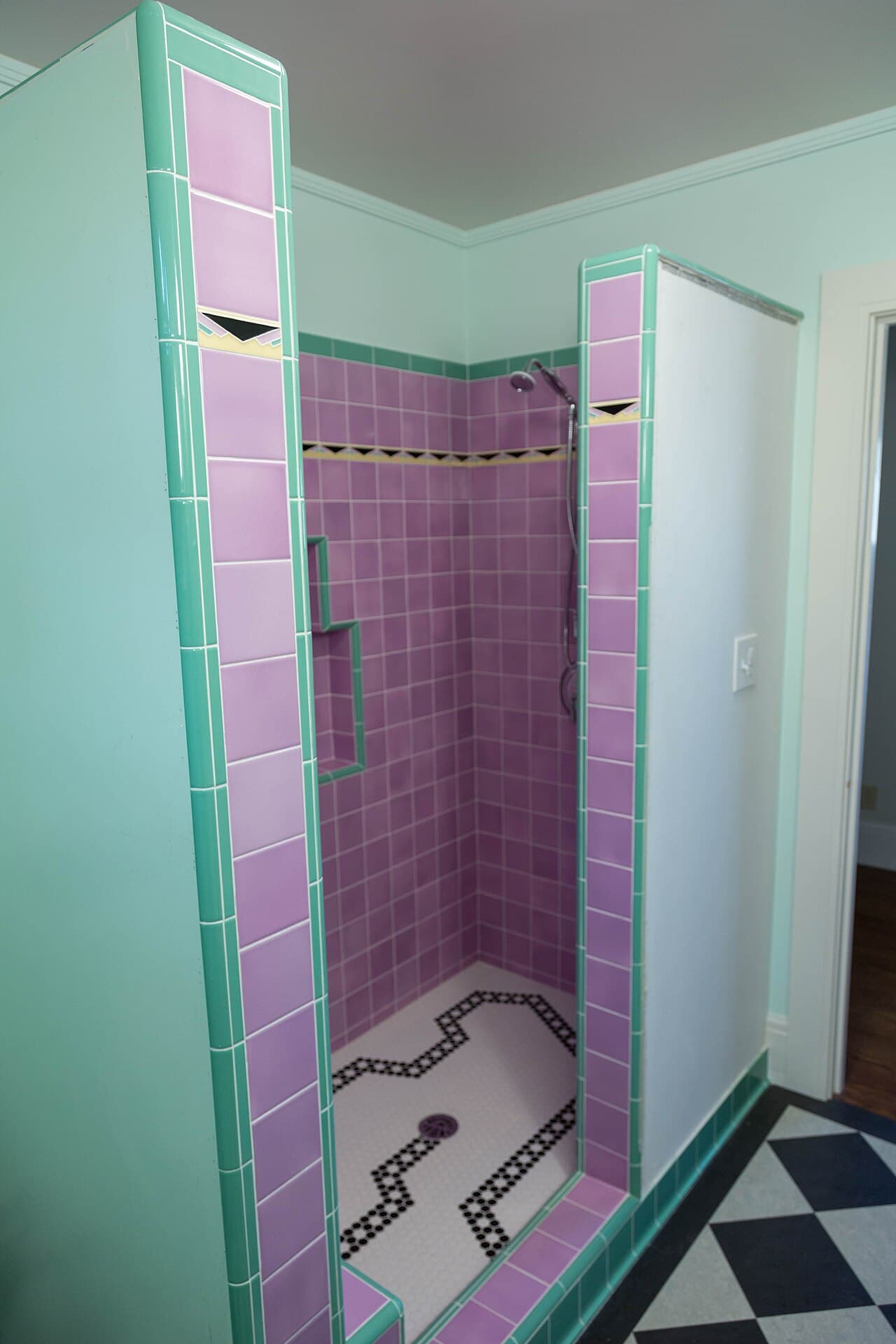
In practice, test a few spots once or twice a year. A shower wall, a kitchen backsplash behind the sink and a busy entry floor wear sealer at different rates, so check each one separately rather than resealing the whole house on one date. A dry bedroom floor may hold for years; a daily shower often will not.
Does your grout need it at all
Not every grout is meant to be sealed. LATICRETE says its "PERMACOLOR® Select does not require sealing" and offers sealers only for those who want greater protection.[2] Custom Building Products takes a similar line for its sanded cement grout: "If the use of a sealer is desired for extra protection, apply a penetrating sealer."[3]
So the first step is the data sheet or bag for the grout you have. If you do not know the brand, run the water test on a cured joint; grout that soaks water up right away is a candidate for sealing.
What a grout sealer does
A penetrating sealer soaks into the grout and makes it harder for water and stains to follow. One example: AquaMix® Grout Sealer is a water-based sealer that resists water and oil based contaminants.[4] It does not change the appearance of grout, and allows moisture vapor transmission.[4] Penetrating sealers usually require only one application and should not be left to dry on the tile surface.[5]
Sealer is not a force field, and it does not replace scrubbing. Grouts needs to be cleaned on a periodic basis to remove any surface buildup.[5] For routine, everyday maintenance cleaning a clear, pH neutral cleaner is the safe default.[2]
Seal the grout, not the corners
Sealer belongs on cement grout lines. Corners and the joint along the tub or shower base are movement joints, and sanded grout is "Not for use in movement joints or changes of plane in the tile installation."[3] Those get flexible caulk, and a sealer does nothing for them. If caulk is cracked or peeling, replace it; see why grout and caulk crack or fall out.
Before you seal
Clean first, because sealer locks in whatever is on the surface. Scrub the joints, rinse and let them dry completely. If the grout is crumbling or cracked, sealing will not help; repair it first, following how to regrout a shower, then seal after the new grout has cured per its data sheet.
Try the sealer on a small hidden area before you do the whole room. Tile or stone with high absorption, surfaces that are porous or rough, textured surfaces and some types of porcelain tile may require sealing prior to grouting to prevent possible staining.[3] The same tiles can haze if sealer dries on them. Perform a test on a small area prior to use.[3]
Apply with a small brush or applicator bottle along the grout lines only, wipe any sealer off the tile face as you work, and keep the area dry for the time on the label.
Stop and call a pro if
- The grout is crumbling, cracked or missing in many places. Sealing will not repair it; regrouting or a bigger repair comes first.
- Tile sounds hollow or rocks. That is a bond problem under the tile, not a grout one.
- Dark staining or mold keeps returning in a shower. That points to moisture getting behind the tile, and sealer will not fix a leak.
- The tile is natural stone or specialty tile and you are unsure what sealer suits it. A tile installer can match the product to the stone.
Getting help in Virginia
If the grout needs more than a sealer, see how much regrouting costs in Virginia and should I regrout or retile my shower. Loclis lists local pros for tile and grout work, and you can browse more home repair answers.
When you are ready, describe the job once and local pros quote it.
Common questions
- How do I know when grout needs resealing?
- Do the water test. Drop a small amount of water on the grout: if the droplets bead up, the sealer is still working, and if the grout absorbs the water, it is time to reseal. Test a few spots, especially in the shower and by the sink, where wear is heaviest.
- Does all grout need sealing?
- No. Check the manufacturer's data sheet. LATICRETE, for example, says its PERMACOLOR® Select cement grout does not require sealing, though a sealer may be used for even greater protection. Other cement grouts are sold as needing a sealer only if you want extra protection. When in doubt, run the water test on cured grout.
- Should I seal new grout, and when?
- Many people do, after the grout has fully cured. Cure times vary by product, so follow the grout's data sheet for how long to wait before sealing and the sealer's label for how long to keep it dry.
- Does sealer stop grout from getting dirty or moldy?
- It slows staining, but it does not replace cleaning. Daltile says grout needs to be cleaned on a periodic basis to remove surface buildup, whether or not it is sealed. Mold usually points to moisture, so see why grout cracks and stains before sealing over it.
- Do I seal the caulk in corners?
- No. Corners and the joint along the tub are movement joints, which take flexible caulk, not grout. A sealer is for cement grout lines only, so keep it off the caulk.
Sources
- [1] Frequently Asked Questions, Daltile. Checked October 28, 2026.
- [2] Cement Grout Care & Maintenance Tips, LATICRETE International. Checked October 28, 2026.
- [3] Polyblend Plus Sanded Grout, Technical Data Sheet TDS-360 (published 3/22/2023), Custom Building Products. Checked October 28, 2026.
- [4] Aqua Mix Grout Sealer (TDS-159), Custom Building Products. Checked October 28, 2026.
- [5] Ceramic & Porcelain Tile Care & Maintenance Step-by-Step Guide, Daltile. Checked October 28, 2026.
Want a pro to handle it?
Describe the job once. Licensed local businesses send quotes, and you pay only when you book one.
Get a quote for Home Repair