How often should a roof be inspected?
Twice a year is the common recommendation: a professional inspection in the spring, so repairs can be made in warm weather, and another in the fall before winter. Add an inspection after any severe hail or windstorm, and watch more closely once the roof is near the end of its expected life. Between visits, look from the ground with binoculars and check the attic with a flashlight.
Free to ask. Local shops send quotes, and you pay only when you book one.
By Kasra Taheri, Founder, LoclisPublished
Researched and drafted with AI, then checked claim by claim against the sources listed below before it was published. Prices and rules change; the dates beside each source say when it was last checked.
This is a job for a licensed pro in Virginia
This page explains what the work involves, the permits, what a licensed pro does and what drives the cost. It does not give step-by-step instructions, because this work needs a licence, a permit or both, and doing it wrong can injure someone. Before you hire, check the licence on Virginia's DPOR record.
Have a professional inspect your roof twice a year, in the spring and the fall, and again after any severe storm. Check it yourself from the ground and the attic in between. Once a shingle roof is near the end of its expected life, those visits matter more, because small problems turn into leaks faster.
The twice-a-year schedule
The usual routine is a professional inspection in the spring, so repairs can be made during the warmer months, and another in the fall before severe winter weather. Spring catches what winter did; fall catches what summer storms and falling leaves did, before the cold makes repairs harder.
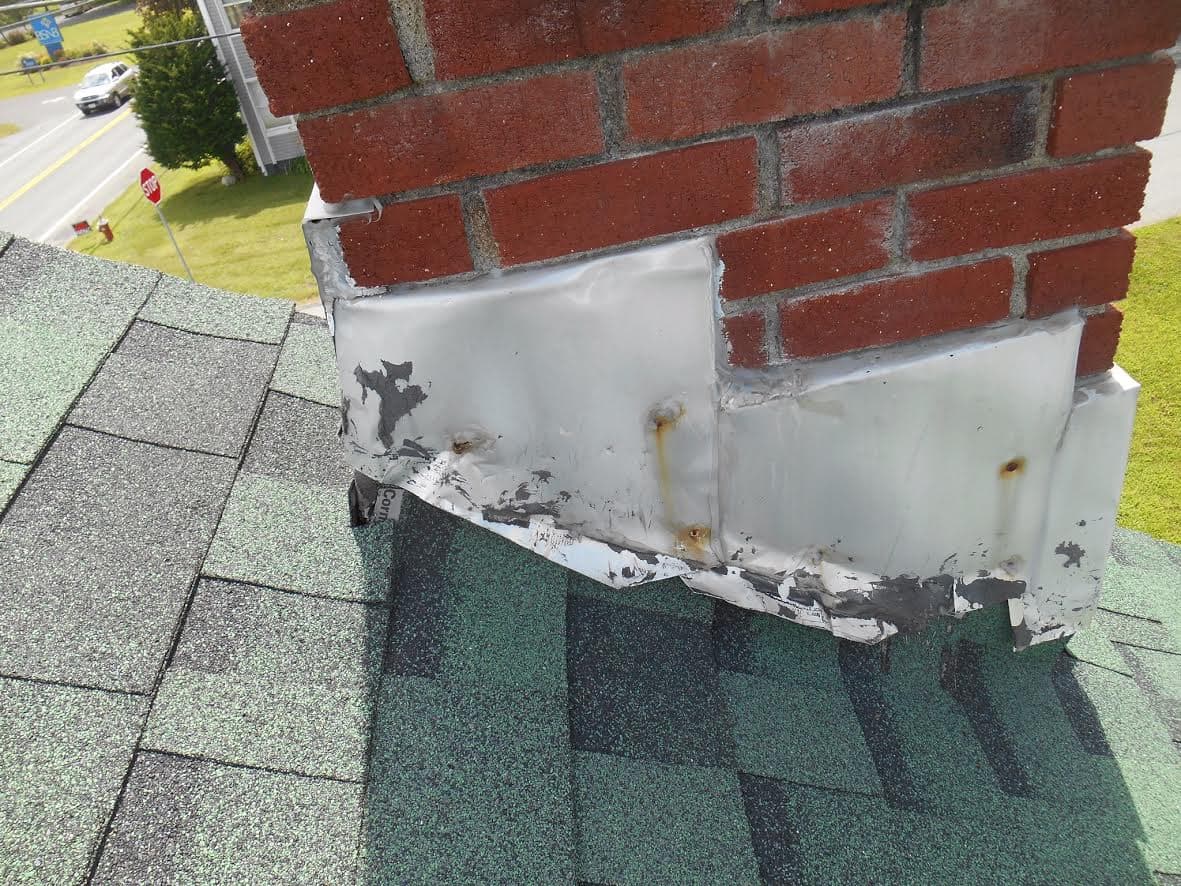
The weak points do not wait for the roof to wear out. Joints around chimneys, skylights, walls and vent pipes are where a seasonal check pays off.
Adjust for the roof's age and material
How often you need a professional depends on how much life the roof has left. That varies with the material, the weather the roof has taken and how well it has been maintained, so use the roof's age and condition as your guide.
A rough guide:
- A newer roof in good shape: your own checks each season between professional visits, and a professional look after any severe storm.
- A middle-aged roof, or one under trees: spring and fall professional inspections, since debris, moss and clogged gutters add wear.
- An older roof: one near the end of its expected life. Twice-yearly inspections help you plan a replacement instead of reacting to a ceiling stain. See how long a roof lasts in Virginia.
Add an inspection after severe weather
Do not wait for the next scheduled visit after a bad storm. NOAA's National Severe Storms Laboratory says hail quarter size or larger is considered severe,[1] and damaging winds are classified as those exceeding 50-60 mph.[2] If you saw hail that size, found shingle pieces in the yard, or had limbs come down, book a look. What a roof inspector looks for after a storm covers what they check.
Your own checks between visits
You do not need to climb up to keep an eye on the roof. Walk around the house with binoculars and look for cracked, curled or missing shingles and heavy loss of the protective mineral granules. Walking on the roof is dangerous and can damage it, so stay on the ground.
Inside, take a flashlight into the attic and look at the underside of the roof deck and rafters for stains or wet spots that show water leaks. A look after a heavy rain is often the most telling. Be careful up there: ENERGY STAR's attic checklist says to wear a hard hat or cap against sharp roofing nails, watch for nails pointing down from the roof deck, and walk on joists or truss chords, not exposed ceiling drywall or insulation, to avoid falling through the ceiling.[3] Some attics have vermiculite insulation, which may contain asbestos;[3] if you see a light, pea-size, flaky gray fill, do not disturb it unless it has been tested by an approved lab.[3]
Maintenance that makes inspections easier
Routine upkeep keeps small problems small. Routine upkeep means cleaning gutters and downspouts and keeping trees trimmed and branches and debris off the roof. Hire out anything that means working on the roof itself.
At ground level, make sure water leaves the house. A Virginia Cooperative Extension moisture checklist for builders calls for downspouts discharging more than 3 feet from the building.[4] How often to clean gutters covers the gutter side.
Be wary of products that promise to stretch a roof's life. Check with the shingle manufacturer before anyone applies a coating or rejuvenator, and keep the product's paperwork with your roof records.
Keep a record
Keep each inspection report, dated photos from the ground, and the original roofer's invoice together. They show how the roof has changed, help a roofer judge whether damage is new, and help with a claim. After storm damage, Virginia's Bureau of Insurance advises you to take pictures of the damaged property before making any temporary repairs, and keep receipts.[5]
When to call a licensed pro
Book a licensed roofer for the scheduled inspections, after severe storms, and any time you see a leak, missing shingles or loose flashing. Do not walk or climb on the roof yourself. Work valued at $1,000 or more needs a valid Virginia contractor's licence,[6] and you can check a roofer using DPOR's License Lookup or by calling (804) 367-8511,[7] or with how to check a contractor's licence.
For what a visit covers and costs, read what a roof inspection includes and what it costs in Virginia. Browse roof inspection services, exterior contractors in Blacksburg or all exterior answers.
Book a roof inspection: describe your roof and its age, and licensed local roofers quote or offer to come and look.
Common questions
- Is once a year enough for a roof inspection?
- Two a year, in spring and fall, is the usual routine. If you book fewer, make up for it with your own checks from the ground and the attic each season, and always book a visit after a severe storm. Older roofs and roofs under big trees benefit most from both visits.
- Does a metal or slate roof need inspecting as often?
- They often last longer, but the flashing, fasteners, gutters and penetrations on those roofs still wear and fail. Seasonal checks and a look after severe storms still apply.
- What can I check myself between inspections?
- From the ground, use binoculars to look for cracked, curled or missing shingles and heavy granule loss. In the attic, use a flashlight to look for stains or wet spots on the underside of the roof deck. Keep gutters clear. Stay off the roof itself.
- Do I need to keep roof inspection reports?
- It is a good habit. Dated reports and photos show the roof's condition over time, help a roofer judge whether damage is new, and help with an insurance claim after a storm. Keep the original roofer's invoice and any warranty with them.
- Will a roof coating mean I need fewer inspections?
- No. Check with the shingle manufacturer before any coating or rejuvenator goes on. A coated roof still needs its flashing, gutters and penetrations checked.
Sources
- [1] Severe Weather 101: Hail Basics, NOAA National Severe Storms Laboratory. Checked October 26, 2026.
- [2] Severe Weather 101: Damaging Winds Basics, NOAA National Severe Storms Laboratory. Checked October 26, 2026.
- [3] What to Look For: DIY Checks and Inspections, ENERGY STAR, U.S. Environmental Protection Agency. Checked October 26, 2026.
- [4] ENERGY SERIES: What Can Builders Do to Help Prevent Moisture Problems in New Construction?, Virginia Cooperative Extension, Virginia Tech. Checked October 26, 2026.
- [5] Insured Homeowner's Guide for Loss Due to a Disaster, Virginia State Corporation Commission, Bureau of Insurance. Checked October 26, 2026.
- [6] What You Should Know Before You Hire a Contractor, Virginia Board for Contractors, DPOR. Checked October 26, 2026.
- [7] Disaster Recovery: Avoiding Fraud, Virginia Department of Professional and Occupational Regulation. Checked October 26, 2026.
Want a pro to handle it?
Describe the job once. Licensed local businesses send quotes, and you pay only when you book one.
Get a quote for Roofing