How do I keep birds from nesting in my dryer and bathroom vents?
Give each vent the right outside cap and keep it working. Maytag's dryer instructions call for a hood with a swing-out damper and never a screen, which traps lint. A bathroom fan can use a wall cap with a backdraft damper and bird screen. Have stuck caps replaced before spring, and leave nests alone unless they are a starling's or house sparrow's: Virginia law protects most others.
Free to ask. Local shops send quotes, and you pay only when you book one.
By Kasra Taheri, Founder, LoclisUpdated
Researched and drafted with AI, then checked claim by claim against the sources listed below before it was published. Prices and rules change; the dates beside each source say when it was last checked.
This is a job for a licensed pro in Virginia
This page explains what the work involves, the permits, what a licensed pro does and what drives the cost. It does not give step-by-step instructions, because this work needs a licence, a permit or both, and doing it wrong can injure someone. Before you hire, check the licence on Virginia's DPOR record.
Birds nest in dryer and bathroom vents because the opening is sheltered, warm and often wide enough to slip into. The fix is the right cap on each vent, kept in working order. A dryer vent needs a hood with a damper that swings shut when the dryer is off, and never a screen. A bathroom fan vent can use a wall cap with a backdraft damper and a bird screen. Have a broken or stuck cap replaced before spring, and find out what kind of bird it is before anyone touches a nest: Virginia law protects the nests of wild birds other than nuisance species such as starlings and house sparrows, even when empty.
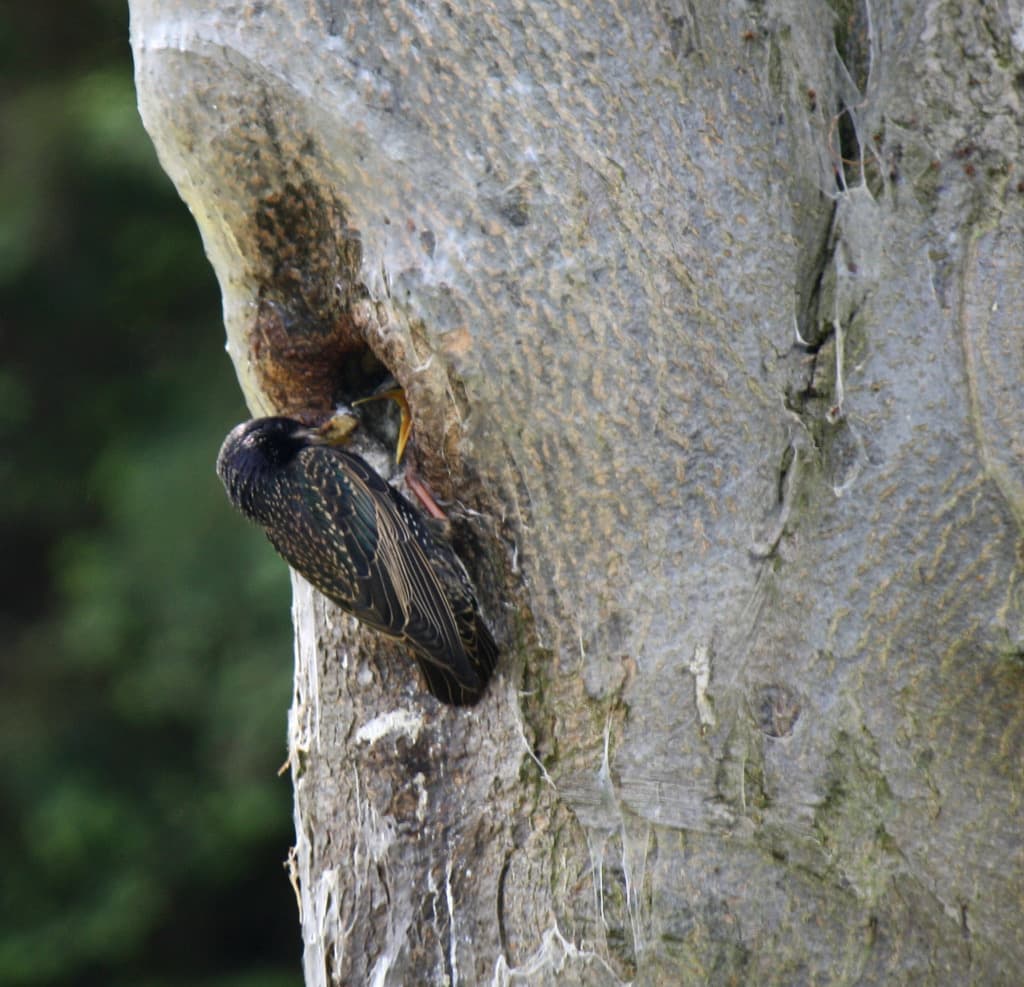
Which birds use vents
Starlings are a common culprit. A Montana state guide to starlings describes them damaging structures by exploiting openings in buildings, such as dryer, range, and bathroom vents,[3] and says to keep buildings maintained so that openings do not become 1⅛ inches wide,[3] the size starlings can occupy. A vent hood with a missing or jammed flap leaves a hole far bigger than that.
The right cap for a dryer vent
The dryer vent is the one to get right, because it carries hot, lint-laden air. Your own dryer's installation instructions are the rule to follow. Maytag's, for example, call for the duct to end in an exhaust hood with a swing out damper to prevent backdrafts and entry of wildlife.[1] The same instructions say: "Never use an exhaust hood with a magnetic damper."[1]
They also say: "Never install a screen over the exhaust outlet."[1] A screen catches lint. The Montana guide explains why that matters: the screen may reduce airflow and cause lint to build up, resulting in a fire.[3]
Advice on bird guards is not uniform. The Montana guide suggests dryer-vent devices such as a magnetic door or gravity ball,[3] while Maytag rules out a magnetic damper. Where a general guide and the dryer's manual differ, go with the manual, and ask whoever fits the hood to confirm it is a type your dryer's instructions allow.
Upkeep matters as much as the hood. Maytag's instructions call for the inside of the exhaust system to be inspected and cleaned at least once a year, and for the hood damper to be checked frequently so that it opens and closes freely.[1] A flap held open by lint or a broken hinge is an open door for a sparrow. A yearly dryer vent cleaning covers both and is a good moment to have the hood looked at.
The right cap for a bathroom fan
Bathroom fans do not carry dryer lint, and caps made for them often include a screen. Broan-NuTone's 641 wall cap for exhaust fans, as one example, has both a back draft damper and welded bird screen,[2] and the maker states: "Not suitable for dryer venting."[2] That is the rule to remember: bird screens on fan caps, never on dryer hoods.
If a quote proposes netting or window screen over an opening, ask for something sturdier. The Montana guide says light materials such as nylon or plastic netting and window screen will not keep out determined starlings.[3] Some bathroom fans vent through the roof rather than a wall, and roof caps are a roofer's job.
Timing: before nesting starts
Prevention is far easier than eviction. The Montana guide recommends removing potential nesting, feeding and roosting areas before starlings use them,[3] because birds that have settled on a site are harder to move. It also warns to never secure openings unless you are certain they are not being used,[3] since sealing in birds causes damage, suffering and odour. Late winter, before spring nesting, is the time to have caps checked and replaced.
If there is already a nest
Virginia law is the first check. The Code of Virginia makes it unlawful "To destroy or harass the nest, eggs, dens, or young of any wild bird or wild animal, except nuisance species, at any time without a permit as required by law."[6] That applies at any time, so an empty nest is covered as well as an active one.
The exception matters for vents, because the two commonest vent birds are nuisance species: Virginia's definition of nuisance species names English sparrows and starlings.[8] They are outside federal protection too. The Service's 2020 notice explains that house sparrows and European starlings belong to bird families that do not qualify for protection under the Migratory Bird Treaty Act,[5] and Virginia Cooperative Extension notes that the Service has removed protection typically afforded to birds under the Migratory Bird Treaty Act for European starlings, pigeons, monk parakeets, mute swans, and house sparrows.[9]
Most other birds are covered by federal law as well: the U.S. Fish and Wildlife Service says most bird nests are protected under the Migratory Bird Treaty Act.[4] It adds: "Under the MBTA it is illegal to destroy a nest that has eggs or chicks in it or if there are young birds that are still dependent on the nest for survival."[4] It is also illegal to collect, possess, or by any means transfer possession of migratory bird nests.[4] Unless you are sure the bird is a starling or house sparrow, leave the nest in place and call DWR's toll-free wildlife conflict helpline at 1-855-571-9003[7] before anyone removes it.
Old nests and droppings deserve care. The Virginia Department of Health says the histoplasmosis fungus grows best in soil containing bird or bat droppings, such as around old chicken houses, roosts of starlings and blackbirds.[10] A nest inside a dryer duct also restricts airflow, and the dryer maker's instructions warn that an accumulation of dust or lint in any area of the home creates a fire hazard.[1]
When to call a licensed pro
Call a pro when a vent hood is high on the wall or on the roof, when a nest is inside the duct rather than at the hood, or when you cannot tell what bird it is. A dryer vent cleaning company can clear the duct and fit a proper hood. A wildlife control operator can identify the bird and deal with the nest where the law allows, within limits: DWR's permit conditions say permit holders are not authorized to capture, possess, transport, or kill federally protected migratory bird species.[11] For larger repairs to siding or trim, check licensing: Class C contractors are those whose single contract or project is over $1,000 but less than $30,000,[12] and how to check a contractor's licence in Virginia shows the lookup.
Bats are a separate problem with stricter rules; see how bats are removed from a house. Loclis lists businesses for bird and bat exclusion and pest control in Blacksburg, and all pest control answers are in one place.
Describe the vent and the birds once and local businesses quote it.
Common questions
- Can I put a screen over my dryer vent to keep birds out?
- No. Maytag's instructions say never to install a screen over the exhaust outlet, and Montana's starling guide warns that a screen may reduce airflow and cause lint to build up, resulting in a fire. Check your own dryer's installation instructions; the hood should keep birds out with a damper that closes, not a screen.
- Is a bird screen on a bathroom fan cap all right?
- Yes, on a cap made for exhaust fans. Broan-NuTone's 641 wall cap, for example, has both a backdraft damper and a welded bird screen, and the maker says it is not suitable for dryer venting. Keep the two kinds of cap separate.
- There is already a nest in the vent. Can I pull it out?
- Usually only if it belongs to a starling or house sparrow. Virginia law makes it unlawful to destroy or harass the nest, eggs or young of any wild bird except nuisance species, at any time, without a permit, and Virginia's nuisance species include starlings and English sparrows. For other birds, federal law also bars destroying a nest with eggs or dependent young. If you cannot tell the species, leave the nest in place and call DWR's helpline at 1-855-571-9003.
- When is the best time to fix vent caps?
- Before birds settle in. Montana's starling guide says bird conflicts are best managed by removing nesting sites before starlings use them, because control gets harder once birds are attached to a spot. Late winter, before spring nesting, is a sensible time to have caps checked.
- Are droppings around a vent a health risk?
- They can be. The Virginia Department of Health says the fungus that causes histoplasmosis grows best in soil with bird or bat droppings, such as around roosts of starlings and blackbirds. Avoid stirring up built-up droppings, and leave large accumulations to a cleanup company.
- Will a wildlife control company remove any bird?
- Not every bird. DWR's Commercial Nuisance Animal Permit does not authorize the holder to capture, possess, transport or kill federally protected migratory bird species. Starlings and house sparrows are a different case; ask the company how it identifies the bird before it removes anything.
Sources
- [1] Automatic Dryer Installation Instructions, Maytag. Checked October 26, 2026.
- [2] 641 Aluminum Wall Cap for 6" Round Duct with Backdraft Damper and Bird Screen, Broan-NuTone. Checked October 26, 2026.
- [3] Living with Starlings, Montana Department of Agriculture and Montana Fish, Wildlife and Parks. Checked October 26, 2026.
- [4] Bird nests, U.S. Fish and Wildlife Service. Checked October 26, 2026.
- [5] List of Bird Species To Which the Migratory Bird Treaty Act Does Not Apply (85 FR 21262), U.S. Fish and Wildlife Service (Federal Register). Checked October 26, 2026.
- [6] Code of Virginia § 29.1-521. Unlawful to hunt, trap, possess, sell, or transport wild birds and wild animals except as permitted, Code of Virginia. Checked October 27, 2026.
- [7] Help with Human-Wildlife Conflicts, Virginia Department of Wildlife Resources. Checked October 26, 2026.
- [8] Code of Virginia § 29.1-100. Definitions, Code of Virginia. Checked October 26, 2026.
- [9] Home Grounds and Animals 2026: Other Animals: Conflicts with Vertebrates, Virginia Cooperative Extension. Checked October 26, 2026.
- [10] Histoplasmosis, Virginia Department of Health. Checked October 26, 2026.
- [11] Commercial Nuisance Animal Permit: Information Materials and Permit Conditions, Virginia Department of Wildlife Resources. Checked October 26, 2026.
- [12] Code of Virginia § 54.1-1100. Definitions, Code of Virginia. Checked October 26, 2026.
Want a pro to handle it?
Describe the job once. Licensed local businesses send quotes, and you pay only when you book one.
Get a quote from a local pro