How do I keep wood windows from sticking?
Keep paint off the surfaces that slide, keep the channels clean, and keep water out of the wood. Paint with the sash open and let it dry fully before closing it, clean dirt from sills and tracks, tighten loose hardware, and check the exterior paint and caulk once a year so the wood does not soak up water and swell.
Free to ask. Local shops send quotes, and you pay only when you book one.
By Kasra Taheri, Founder, LoclisPublished
Researched and drafted with AI, then checked claim by claim against the sources listed below before it was published. Prices and rules change; the dates beside each source say when it was last checked.
Step by step
Read when to stop and call a pro, further down this page, before you start.
Step 1: Clean the channels and sills
Vacuum and wipe sand, dirt and dust out of the window tracks, channels and sills, and dry them afterwards.[1]
Step 2: Tighten the hardware
Tighten the exposed screws on sash locks, lifts and crank operators so nothing drags or sits crooked.[1]
Step 3: Lubricate moving parts lightly
Use a dry lubricant on crank gears[1], and a little on clean wooden channels if the sash drags, rather than oil that holds dirt.
Step 4: Keep paint off sliding surfaces
When painting, leave the channels, stops and sash edges that slide against each other unpainted.[1]
Step 5: Paint with the sash open
Paint with the sash opened and do not close it until the paint is thoroughly dry.[1]
Step 6: Keep finish off the weatherstrip
Mask or avoid the weatherstrip, since paint and stain solvents damage it.[1]
Step 7: Break the paint bond
If paint has bonded the stop and parting bead to the jamb, run a utility knife along the seam where they meet before easing the sash.[2]
Step 8: Check the outside every year
Once a year, look for cracked, peeling or bubbled paint and failing caulk that would let water into the wood.[1]
Step 9: Seal the joints
Recaulk the joints between the sill and the jamb, and touch up bare or peeling paint before winter.[2]
Step 10: Open each window now and then
Open and close every operable window a few times each season so paint and grime do not lock it in place.
Wood windows stick for three reasons: paint on the parts that slide, dirt and old hardware in the channels, and wood that has soaked up water and swollen. Keeping them working is mostly a matter of preventing those three, with a short check each year. None of it needs special skill.
Keep paint off the parts that slide
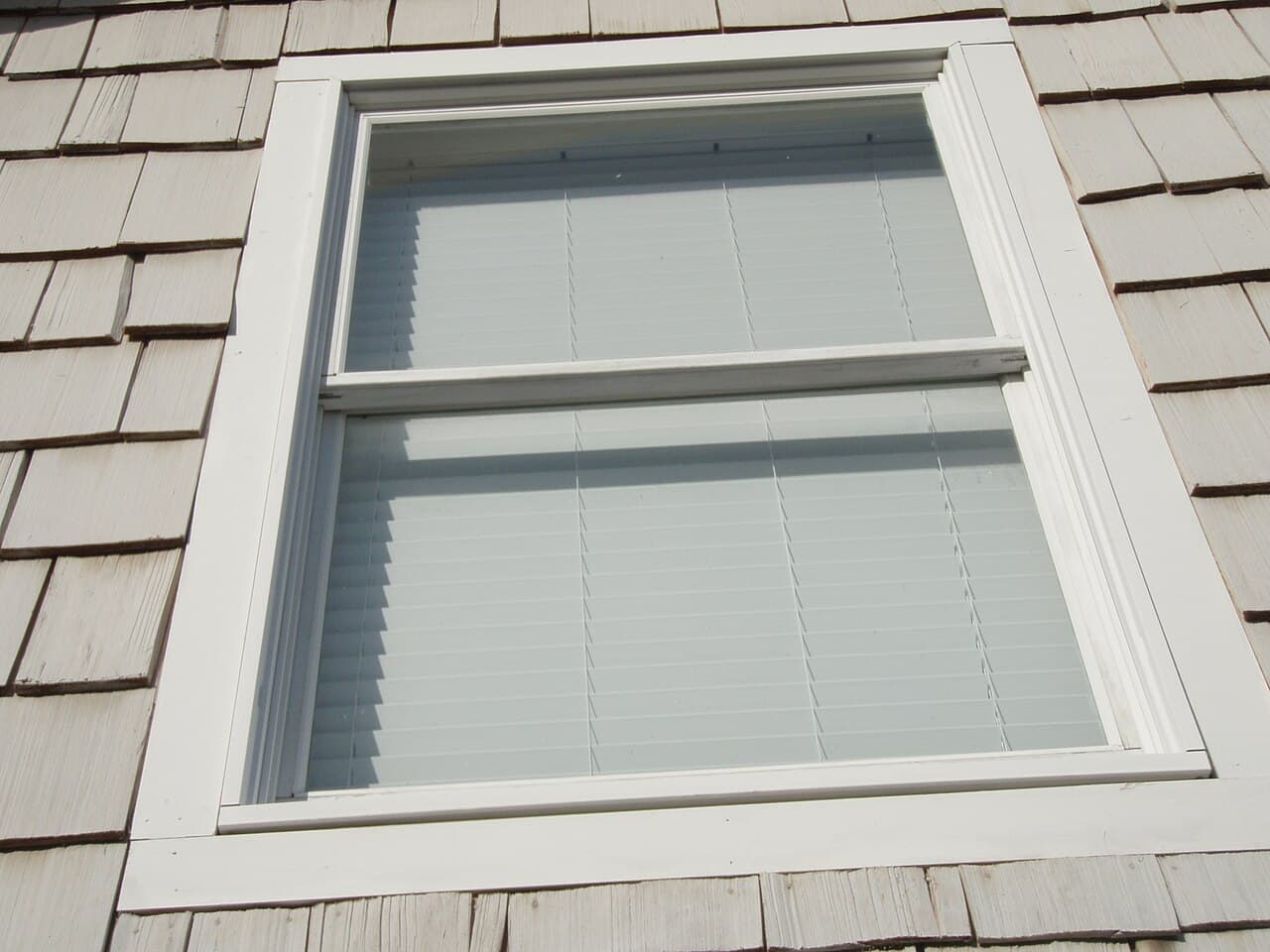
Paint is the most common cause of a sash that binds. Marvin's painting instructions are direct: "Do not apply paint to any surface which has sliding contact with another surface as this could impact the product’s ability to perform as designed."[1] On a double-hung window, that means the channels, the faces of the stops and parting bead that the sash rubs against, and the edges of the sash itself.
Timing matters as much as where the brush goes. Marvin says to paint windows with the sash opened, or removed, and not close it until the paint is thoroughly dry.[1] Closing a sash on paint that is still soft glues it to the stop. Keep finish away from the weatherstrip as well: Marvin warns that paints, stains and varnishes contain solvents that can damage the weatherstrip.[1]
Old windows often have decades of paint on them. The National Park Service notes that removing excess layers of old, peeling and flaking paint will make a window easier to operate.[2] To free the stop and parting bead, it describes running a utility knife along the seam between the interior stop, the parting bead and the jamb to break the paint bond.[2] Score the seam, then work the sash gently. Never pry against the glass.
Keep the channels clean and the hardware tight
Grit in a track acts like sandpaper and a brake. Marvin's annual checklist includes cleaning sand, dirt and dust from window sills and tracks,[1] and making sure all exposed hardware screws are tight.[1] A sash lock or lift that has worked loose can hold a sash crooked, so it rubs on one side.
For crank-operated casement and awning windows, Marvin recommends a dry lubricant on the gears of crank windows.[1] On a sliding wood sash, a dry lubricant rubbed lightly on the channels usually helps once the channel is clean. Oil and grease are a poor choice there: they collect dust and can stain bare wood.
Keep water out of the wood
Swelling is a moisture problem. Marvin says windows and their frames are susceptible to deterioration if left damp,[1] and the Park Service says moisture is the primary contributing factor in wooden window decay.[2] It also notes that years of opening and closing, along with seasonal temperature changes, weaken the joints and cause slight separation,[2] which lets more water into the end grain.
The paint is your early warning. According to the Park Service, blistering, cracking, flaking and peeling paint usually mark where water is getting into the wood.[2] It also suggests you check the sill slopes down and away from the house so water drains off,[2] and notes that caulking the joints between the sill and the jamb helps reduce further water penetration.[2]
Make it a yearly job. Marvin recommends you check the exterior of wood windows at least once a year for failing caulk or paint that has cracked, peeled or bubbled.[1] Where cuts or other damage have exposed untreated wood, Marvin's instructions call for a water-repellent wood preservative containing at least 0.5% IPBC[1] before paint. Check the glazing putty at the same time: the Virginia Energy Savers Handbook says small cracks in glazing putty may only need a good coat of paint, while larger cracks or missing putty mean the sash needs reglazing.[3]
When sticking is a sign of something else
A window that sticks only in August is swelling. A window that has started sticking all year, or slams down, may have a different problem:
- Rot. Press a sharp awl into the sill and the bottom of the sash. The Park Service's test: decayed wood lifts up in short, irregular pieces when pried with an ice pick, while sound wood separates in long fibrous splinters.[2]
- Broken sash cords or balances. A sash that will not stay up, or drops hard, has lost its counterweight. The Park Service says replacing broken sash cords is one of the most common window repairs.[2]
- A moving frame. If several windows and doors start binding at once, the house may be settling, and that needs a look from a contractor.
Older homes and lead paint
Windows are where old paint wears first. The EPA says to check all painted areas that rub together or get lots of wear, like windows, doors and stairways, for any signs of damage.[4] It also advises that you wipe window sills with a damp sponge, cloth or paper towel, and not use steel wool, scouring pads or abrasive cleaners.[4] The EPA's renovation rule says the RRP Rule generally does not apply to homeowners working on their own home,[5] but the agency recommends homeowners hire lead-safe certified contractors for all RRP projects in pre-1978 homes,[5] and scraping or sanding window paint is that kind of project.
Stop and call a pro if
- The sill or the bottom rail of the sash is soft or crumbles when probed.
- A sash will not stay up, slams down, or a cord or balance is broken.
- The window is on an upper floor and the outside work needs a tall ladder.
- The house was built before 1978 and freeing or repainting the sash means scraping or sanding old paint.
- Several windows and doors started sticking at the same time, or new cracks have opened around them.
If the window is drafty as well as stiff, see why there is a draft around windows, and for help choosing who to hire, whether to hire a handyman or a carpenter for doors and windows. You can browse handyman services, handymen around Blacksburg and other handyman answers. For a window that will not budge, describe the window repair once and local businesses quote it.
Common questions
- Why do my wood windows stick in summer but not in winter?
- Wood takes up moisture in humid weather and swells, then dries and shrinks in heated winter air. A window with a thin margin between the sash and the stops will bind in a Virginia summer. Keeping the paint and caulk intact so water stays out of the wood, and keeping paint off the sliding faces, leaves room for that seasonal movement.
- What should I put on a sticky wood window track?
- Clean it first: much of the drag is dirt and old paint. Marvin recommends a dry lubricant on the gears of crank windows, and a dry lubricant rubbed lightly on a wooden channel usually helps a sliding sash too. Avoid oil or grease, which holds dirt and can stain the wood.
- How do I open a window that is painted shut?
- Score the paint along the seam between the sash and the stop with a utility knife, on the inside and, if needed, the outside, then work the sash gently. Do not hammer or pry against the glass. In a house built before 1978, treat the paint as possibly containing lead: keep the dust down and clean up with damp cloths, not a dry broom.
- Should I repair old wood windows or replace them?
- Sticking alone is rarely a reason to replace. The National Park Service treats paint removal, reglazing, new sash cords and weatherstripping as routine maintenance. Replacement makes more sense when the sash or frame is badly rotted, though even then a sill can often be repaired.
- How often should wood windows be painted?
- There is no fixed interval: it depends on sun, weather and the paint. Marvin's advice is to check the exterior at least once a year and repair blistering, peeling or cracking quickly, and to caulk any cracks before repainting.
Sources
- [1] Window and Door Maintenance: Cleaning and Care, Marvin. Checked October 27, 2026.
- [2] Preservation Brief 9: The Repair of Historic Wooden Windows, Technical Preservation Services, National Park Service. Checked October 27, 2026.
- [3] Virginia Energy Savers Handbook, third edition (2006), Virginia Tech and the Virginia Department of Mines, Minerals and Energy. Checked October 27, 2026.
- [4] Protect Your Family from Sources of Lead, U.S. Environmental Protection Agency. Checked October 27, 2026.
- [5] Renovation, Repair and Painting Program: Do-It-Yourselfers, U.S. Environmental Protection Agency. Checked October 27, 2026.
Want a pro to handle it?
Describe the job once. Licensed local businesses send quotes, and you pay only when you book one.
Get a quote from a local pro