How do I prepare my house for a home inspection?
Make every system easy to reach and running: clear the way to the attic hatch, crawl space, electrical panel, water heater and HVAC equipment, keep water, power and fuel on, test the smoke alarms, move stored things away from the garage door and foundation, and gather your repair records. If a radon test is booked, keep the house closed up as the test requires.
Free to ask. Local shops send quotes, and you pay only when you book one.
By Kasra Taheri, Founder, LoclisPublished
Researched and drafted with AI, then checked claim by claim against the sources listed below before it was published. Prices and rules change; the dates beside each source say when it was last checked.
Step by step
Read when to stop and call a pro, further down this page, before you start.
Step 1: Clear the access points
Move boxes, shelving and furniture away from the attic hatch, crawl space door, electrical panel, water heater, furnace and air handler, because an inspector is not expected to move obstacles to reach them.[1]
Step 2: Keep every utility on
Leave water, electricity and gas or oil service on, and pilot lights lit as they normally are; a system that is shut off or winterized may simply be listed as not inspected.[2]
Step 3: Test the smoke alarms
Press the test button on each alarm and put fresh batteries in any that use a replaceable battery.[6]
Step 4: Replace dead bulbs
Swap any burned-out light bulbs so a dark fixture is not written up as a possible wiring problem.
Step 5: Empty the sink cabinets
Clear out the cabinets under the kitchen and bathroom sinks so the drains and supply lines can be seen.
Step 6: Clear the garage door path
Move bikes, bins and stored items away from the garage door so its automatic reverse can be tested without risk of damage.[2]
Step 7: Clear around the foundation
Pull stored items, firewood and overgrown plants back from the walls so the siding, grading and drainage close to the house can be seen.[1]
Step 8: Unlock everything
Leave keys or codes for gates, sheds, a detached garage, the crawl space door and any locked utility rooms.
Step 9: Gather your records
Set out permits, repair receipts, warranties, HVAC service records, septic records and any earlier radon test results for the buyer's side.
Step 10: Follow the radon test rules if one is booked
Close windows and outside doors at least 12 hours before a short-term test, keep them closed during it, and do not touch the device.[5]
Step 11: Plan to be out
Arrange to be away with pets secured or out of the house, so the inspector and the buyer can work through the house without interruptions.
The short answer
An inspector can only report on what they can reach and what is running. The more of the house they can see in one visit, the fewer "not inspected" lines end up in the buyer's report, and the fewer follow-up visits and questions you face before closing.
Preparation is mostly about access, working systems and paperwork. None of it needs tools beyond a step stool and a few batteries.
Make everything reachable
Virginia's rules define readily accessible as available for access without requiring moving or removing of any obstacles.[1] In practice, a hatch behind stacked boxes or a panel behind a shelving unit can be skipped and written up as blocked.
Walk the house the way an inspector will:
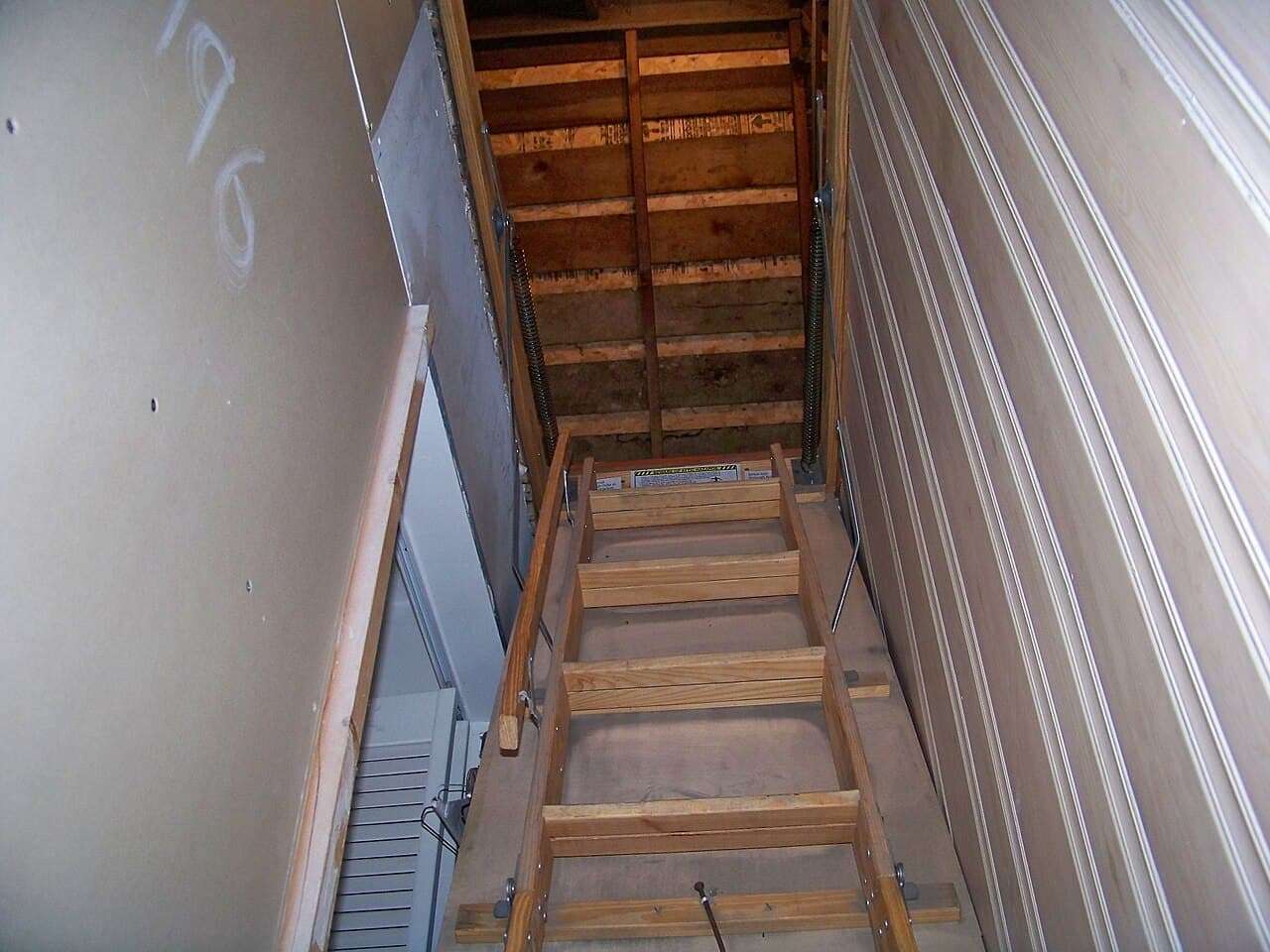
- Attic. Clear the closet shelf or hallway below the hatch, and make sure a pull-down ladder opens fully.
- Crawl space or basement. Clear the access door, and move stored items away from the foundation walls, sump pit and main water shut-off.
- Mechanical equipment. Leave a clear path to the electrical panel, water heater, furnace or air handler, and the outdoor AC or heat pump unit.
- Garage. Here the automatic reverse on the garage door opener is tested only when it can be done safely without risking damage to the door, the opener, a nearby structure or stored items,[2] so pull stored things back from the door.
- Outside. Adjacent, in the inspector's rules, means adjoining or within three feet of the house.[1] The inspector looks at vegetation, trees, grading, drainage and retaining walls adjacent to the house,[2] so move firewood, bins and stored items away from the walls.
Keep every system on
Systems that are turned off, winterized or otherwise secured do not have to be put into operating condition, and the report must state why they were not inspected.[2] A vacant house with the water off or the heat shut down gets a thinner inspection, and the buyer may ask for a second visit later.
So leave the water, electricity and fuel service on, the thermostat working, and any pilot lights as they normally are. If a vacant house was winterized, have a licensed plumber put the water back into service a few days early, so any leak shows up before the inspector does.
Check the smoke alarms
Smoke alarms get special attention in Virginia. The report must say whether each readily accessible smoke alarm is in good working order,[2] which means the alarm is securely attached, not physically damaged, and its test function works.[1]
The U.S. Fire Administration's routine is simple: Test the alarm monthly, replace the battery in a 9-volt alarm at least once a year, and replace the whole alarm every 10 years.[6] Press each test button now and put in fresh batteries where they are replaceable. A hardwired alarm is a different matter: "Only qualified electricians should install hardwired smoke alarms."[6]
Gather the paperwork
Inspectors and buyers both ask about history. Set out permits and final inspections for past work, repair receipts, roof and appliance warranties, HVAC service records, septic pumping and inspection records, and any earlier radon results.
Some paperwork is required of you as the seller. Under Virginia law the owner of residential property must give the buyer a residential property disclosure statement.[3] For most homes built before 1978, federal rules also require you to give the buyer EPA's lead pamphlet, disclose what you know about lead-based paint and lead hazards, and hand over any records or reports you have.[4] Keep a signed copy of those disclosures for three years after the sale.[4]
If a radon test is part of the visit
If you already tested, share the result, but a buyer may ask for a new test if the last one is not recent, for example within two years, if you have renovated since, or if the buyer plans to use a lower level than the one tested.[5]
During a short-term test, closed-house conditions apply: keep windows closed, keep doors closed except for normal coming and going, and do not run fans or other machines that bring in outside air.[5] Run the heating and cooling normally during the test, and do not disturb the test device.[5] Our guide on how to test a home for radon covers the test in more detail.
What not to do
Do not paint over stains, hide damage behind furniture, or rush a repair the day before. Inspectors are trained to look for fresh patches, and a disclosed, explained problem is usually easier to negotiate than one a buyer discovers. For what inspectors tend to find, see the most common problems found in a home inspection.
Stop and call a pro if
- You smell gas, or a gas appliance will not stay lit. Call your gas utility or a licensed gas fitter rather than relighting or adjusting anything yourself.
- A breaker keeps tripping, an outlet or switch plate feels warm, or lights flicker. Call a licensed electrician; do not open the panel.
- A hardwired smoke alarm is missing, chirping after a battery change, or more than 10 years old.
- You find active leaks, soft floors or widespread mold. If mold covers more than about 10 square feet, or there has been a lot of water damage, EPA points to professional remediation guidance rather than a quick clean-up.[7]
- The water or heat has to be restored in a winterized house.
You can browse more inspection answers or find home inspection services. Buying instead of selling? Describe the house once and licensed home inspectors near you can quote.
Common questions
- Should I fix things before the inspection?
- Fix the small, obvious things you can safely handle, such as dead bulbs, smoke alarm batteries and a loose cabinet door. Leave wiring, gas and roof work to licensed contractors, and disclose known problems rather than covering them up. A fresh coat of paint over a water stain usually raises more questions than it answers.
- Do I need to be home during the inspection?
- No, and it is usually easier if you are not. Leave keys and codes, make sure every system is on, and leave a phone number in case the inspector cannot find something.
- What if my water is shut off or the house is winterized?
- Have it put back into service before the inspection. A Virginia home inspector does not have to turn on a system that is off or winterized; the report just records it as not inspected, which leaves the buyer with an open question.
- Will the inspector move my furniture or stored boxes?
- Do not count on it. The rules only expect an inspector to look at what can be reached without moving obstacles, so anything blocked may be reported as not inspected.
- Should I test for radon before listing?
- EPA suggests testing before you put the house on the market if you can. Give the buyer the result, and expect a new test if yours is more than two years old, you have renovated since, or it was not taken on the lowest level a buyer might use.
Sources
- [1] 18VAC15-40-10. Definitions (home inspectors), Virginia Administrative Code, Legislative Information System. Checked October 27, 2026.
- [2] 18VAC15-40-130. Home inspection report, Virginia Administrative Code, Legislative Information System. Checked October 27, 2026.
- [3] § 55.1-703. Required disclosures for buyer to beware; buyer to exercise necessary due diligence, Code of Virginia, Legislative Information System. Checked October 27, 2026.
- [4] Real Estate Disclosures about Potential Lead Hazards, U.S. Environmental Protection Agency. Checked October 27, 2026.
- [5] Home Buyer's and Seller's Guide to Radon (EPA 402/K-24/001), U.S. Environmental Protection Agency. Checked October 27, 2026.
- [6] Smoke alarms, U.S. Fire Administration, FEMA. Checked October 27, 2026.
- [7] A Brief Guide to Mold, Moisture and Your Home, U.S. Environmental Protection Agency. Checked October 27, 2026.
Want a pro to handle it?
Describe the job once. Licensed local businesses send quotes, and you pay only when you book one.
Get a quote from a local pro