How much does a home inspection cost in Virginia?
The price depends on the house and on what you add to it: size, age, crawl space or basement, travel, and extra tests such as radon, lead paint, wood-destroying insects, septic or well water. Virginia requires the cost to be written in a contract you both sign before the inspection, so compare written quotes that cover the same systems and add-ons.
Free to ask. Local shops send quotes, and you pay only when you book one.
By Kasra Taheri, Founder, LoclisPublished
Researched and drafted with AI, then checked claim by claim against the sources listed below before it was published. Prices and rules change; the dates beside each source say when it was last checked.
Step by step
Read when to stop and call a pro, further down this page, before you start.
Step 1: Gather the house details
Have the square footage, year built, foundation type (slab, crawl space or basement), and whether it has septic, a well or outbuildings ready before you call.
Step 2: Decide on add-ons
Choose which extra tests you want, such as radon or a lead-based paint inspection on a pre-1978 home, since a standard inspection can exclude them.[1]
Step 3: Ask two or three inspectors for written quotes
Ask each one to quote the same house, the same systems and the same add-ons, so the prices compare like for like.
Step 5: Read the draft contract
Make sure it states the cost, lists every area and system to be inspected, names the exclusions and gives a report delivery date.[1]
Step 6: Confirm any change in writing
If the scope or price changes after you sign, get the change in writing and signed by both of you before the visit.[1]
The short answer
What you pay depends on the house and on what you ask the inspector to do. A small, newer house on a slab with public water and sewer is a shorter job than a large older house with a crawl space, a well, a septic system and a detached garage. Add-on tests change the total more than anything else.
Virginia rules do one useful thing for you: the contract must state the cost of the home inspection, list all areas and systems to be inspected, disclose the exclusions, and give an estimated delivery date for the report.[1] The contract must be signed by both sides before work begins or payment is accepted.[1] So the honest way to compare prices is to compare written quotes for the same scope.
What drives the price
Size, age and how much there is to look at. For every inspection, the inspector has to inspect and describe in writing the readily accessible parts of the structure, the roof and attic, the exterior, the interior, and the plumbing, electrical, heating and air conditioning systems.[2] More rooms, more bathrooms, two heating systems or an older house with decades of changes all mean more to inspect and more to write up.
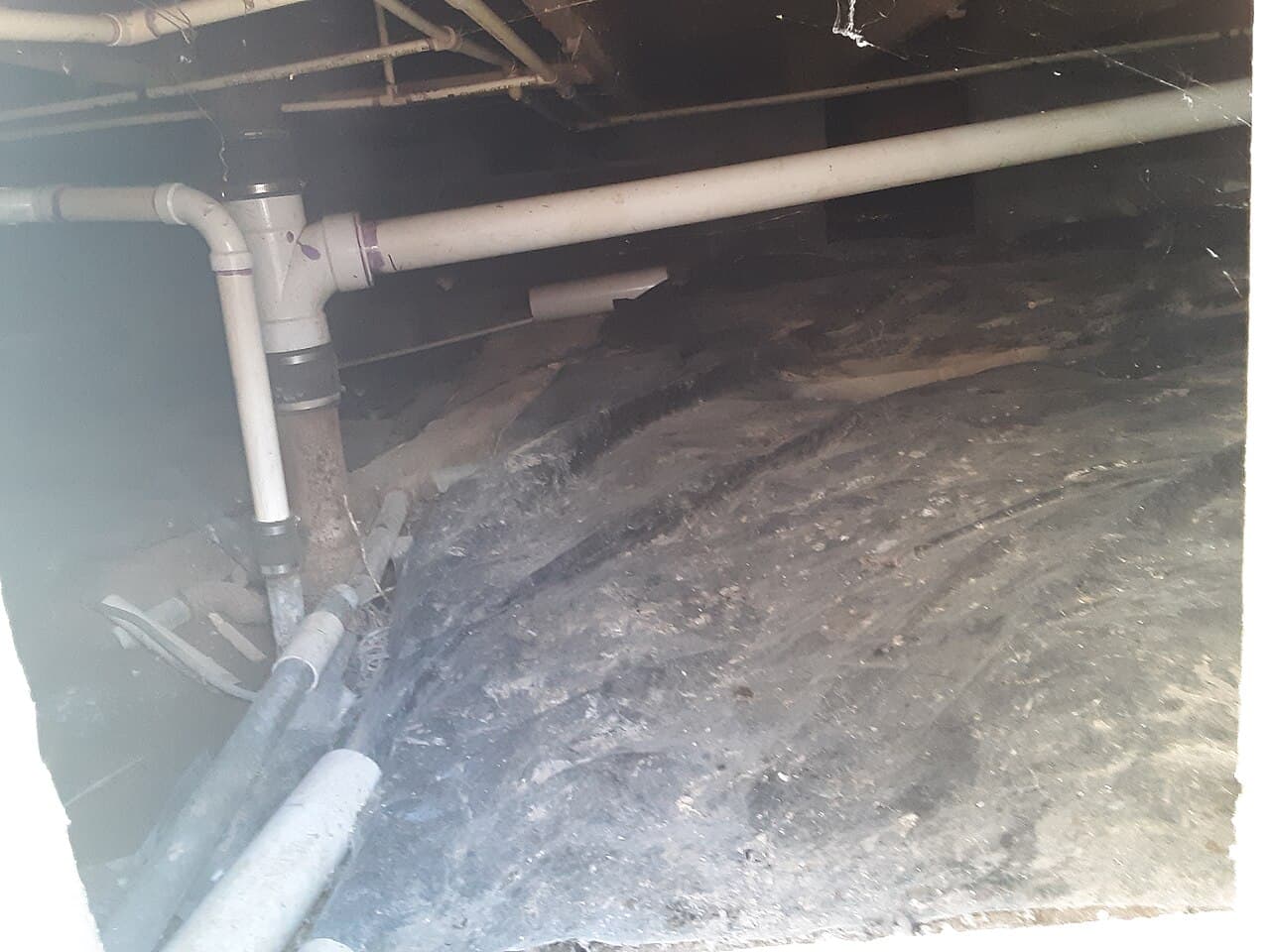
Foundation and access. A crawl space takes time to get into and through. The report has to note and explain how the crawl space and the roof covering were inspected,[2] so ask whether the inspector goes into the crawl space and walks the roof where it is safe, or looks from the access point and the ground.
New construction. In Virginia, an inspection of a new residential structure, including any inspection during construction, may only be done by a home inspector with the NRS specialty.[4] Inspections during construction mean several visits, and the quote should say how many.
Travel and timing. Rural properties, short closing windows and weekend visits can all change a quote. Ask up front rather than at the door.
Add-ons that are often extra
A standard contract may exclude a long list of things, including wood-destroying organisms and mold, environmental hazards such as radon, asbestos and lead-based paint, and outbuildings.[1] If you want any of them, they have to be added in writing, and each one usually has its own price.
- Radon. EPA recommends a radon test if you are buying or selling a home,[8] and a radon test runs for a minimum of 48 hours,[8] which means a device left behind and a return trip. Our guide on how to test a home for radon explains the test itself.
- Lead-based paint. For most pre-1978 housing, sellers must give buyers a 10-day period to have a lead-based paint inspection or risk assessment done, unless both sides agree in writing to a different period or the buyer waives it.[9] That is separate licensed work in Virginia: "It shall be unlawful for any person who does not possess a lead inspector's license to conduct a lead inspection."[5]
- Septic and well. A home inspector usually looks at these lightly, if at all. See what a septic inspection costs in Virginia for that separate job.
- Detached garages, sheds and guest houses. Outbuildings can be excluded, so list them if they matter to you.
Rules that protect you on price
A low or oddly structured fee can be a warning sign, and the regulations close off the worst arrangements. An inspector may not work under an agreement where their pay or future referrals depend on the findings or on the sale.[3] They may not accept payment from more than one interested party for the same inspection without everyone's consent,[3] and may not accept or offer commissions or allowances from other parties dealing with you.[3]
Once you sign, the price is fixed to the scope. Any change that alters the cost, the scope or the completion date must be in writing and signed by everyone.[1]
Who arranges and pays
In most Virginia sales the buyer orders and pays for the inspection. The state's residential property disclosure statement advises buyers to do their own due diligence, including obtaining a home inspection, before settlement.[6] Federal housing guidance is just as plain: "A home inspection will only occur if you arrange for one; FHA does not perform home inspections."[7] An appraisal estimates the home's value for the lender and does not replace a home inspection.[7]
What the inspection fee does not buy
The inspector tells you what they saw, not what it will cost to fix. A contract may exclude the methods, materials or costs of corrections,[1] so budget for repair quotes from licensed contractors after the report arrives. Our guide on what to fix first after a home inspection helps you sort the list.
Stop and call a pro if
- An inspector will not put the price, scope and exclusions in a signed contract before the visit.
- A quote depends on the sale closing or on what the inspector finds.
- The report flags something in a licensed trade, such as wiring, gas piping or the roof. Get that priced by a licensed contractor in that trade, not by the inspector.
Before you book, check whether your inspector is licensed in Virginia. You can also browse inspection answers and home inspection services.
Ready for quotes? Describe the house once and licensed inspectors near you can price the same job.
Common questions
- Who pays for the home inspection, the buyer or the seller?
- Usually the person who orders it pays for it, and in most sales that is the buyer. The inspector works for the client named in the contract. A seller can order a pre-listing inspection for their own use, but a buyer still gets more from an inspector they chose and hired.
- Is the appraisal the same as an inspection?
- No. The appraisal is for the lender and estimates value. A home inspection looks at the condition of the house and its systems, and you have to arrange it yourself.
- Does a standard home inspection include a radon test?
- Not necessarily. Virginia lets the contract exclude environmental hazards, including radon. If you want a radon test, ask for it in the contract or book it separately. It needs at least 48 hours, so plan for a second visit to collect the device.
- Why do new-construction inspections cost differently?
- They can involve several visits during the build, and only an inspector with the NRS specialty may do them. Ask whether a quote covers one final inspection or a set of phase inspections.
- Will the inspector tell me what repairs will cost?
- Often not. The contract may exclude the methods, materials and costs of corrections. Get repair prices from licensed contractors in each trade, in writing.
Sources
- [1] 18VAC15-40-120. Home inspection contract, Virginia Administrative Code, Legislative Information System. Checked October 27, 2026.
- [2] 18VAC15-40-130. Home inspection report, Virginia Administrative Code, Legislative Information System. Checked October 27, 2026.
- [3] 18VAC15-40-140. Conflict of interest, Virginia Administrative Code, Legislative Information System. Checked October 27, 2026.
- [4] 18VAC15-40-20. Necessity for licensure, Virginia Administrative Code, Legislative Information System. Checked October 27, 2026.
- [5] § 54.1-503. Licenses required, Code of Virginia, Legislative Information System. Checked October 27, 2026.
- [6] § 55.1-703. Required disclosures for buyer to beware; buyer to exercise necessary due diligence, Code of Virginia, Legislative Information System. Checked October 27, 2026.
- [7] For Your Protection: Get a Home Inspection (HUD-92564-CN), U.S. Department of Housing and Urban Development, Federal Housing Administration. Checked October 27, 2026.
- [8] Home Buyer's and Seller's Guide to Radon (EPA 402/K-24/001), U.S. Environmental Protection Agency. Checked October 27, 2026.
- [9] Real Estate Disclosures about Potential Lead Hazards, U.S. Environmental Protection Agency. Checked October 27, 2026.
Want a pro to handle it?
Describe the job once. Licensed local businesses send quotes, and you pay only when you book one.
Get a quote from a local pro