What should I fix first after a home inspection?
Fix what can hurt someone first: gas and carbon monoxide concerns, missing or dead smoke alarms, electrical warning signs and any yellow gas tubing flagged for bonding. Then stop active water, from leaks, gutters, downspouts and grading, before it spreads. Next come problems that get worse with time, such as a damp crawl space or a worn roof, and only then aging equipment and cosmetic items.
Free to ask. Local shops send quotes, and you pay only when you book one.
By Kasra Taheri, Founder, LoclisPublished
Researched and drafted with AI, then checked claim by claim against the sources listed below before it was published. Prices and rules change; the dates beside each source say when it was last checked.
Step by step
Read when to stop and call a pro, further down this page, before you start.
Step 1: Read the summary first
Start with the report's summary or major-concerns section, then read the full report for anything marked not inspected.
Step 2: Sort every item into four lists
Put each finding under safety, active water, gets-worse-with-time, or plan-and-budget, and work the lists in that order.
Step 3: Fix the smoke alarms today
Test every alarm, replace batteries where they are replaceable, and replace any alarm that is more than 10 years old.[1]
Step 4: Add a carbon monoxide alarm as a backup
If the house has fuel-burning appliances, a CO alarm is a reasonable backup, but not a substitute for servicing the appliances.[2]
Step 5: Dry anything wet quickly
Dry water-damaged materials within 24 to 48 hours of a leak, which in most cases keeps mold from growing.[3]
Step 6: Send roof water away
Clear ground-level downspout outlets and add extensions so water discharges away from the foundation rather than beside it.
Step 7: Bring indoor humidity down
Use the air conditioner or a dehumidifier to keep indoor humidity below 60 percent, measured with a simple humidity meter.[3]
Step 8: Book licensed trades for trade items
Send wiring, gas, plumbing, HVAC and roof findings to contractors licensed for that work, not to the inspector.
Step 9: Get written bids
Ask for at least three written bids built on the same description of the work, so you can compare them.[12]
Step 10: Keep a record
File the report, the contracts, permits and receipts together so the next inspection, or the next buyer, can see what was done.
The short answer
Work the report in the order the risks run: things that can hurt someone, then water that is getting in now, then problems that grow over time, then aging equipment you can plan for, and cosmetic items last. A 40-page report rarely means 40 urgent repairs. It usually means a handful that matter and a long maintenance list.
1. Safety items, this week
Smoke and carbon monoxide. Replace dead batteries and missing alarms first; it is the cheapest fix in the report. The U.S. Fire Administration's rule: "Replace the entire smoke alarm every 10 years."[1] A hardwired alarm is wiring work, and "Only qualified electricians should install hardwired smoke alarms."[1] If the house burns gas, oil, propane or wood, a CO alarm is a sensible backup, but EPA's point is that you should not let a CO alarm replace proper use and maintenance of fuel-burning appliances[2] and should have fuel-burning appliances inspected by a trained professional at the beginning of every heating season.[2]
Electrical warning signs. Treat any note about scorching, overheating, open wiring or aluminum branch circuits as urgent. CPSC lists the signs of trouble as "hot-to-the-touch face plates on receptacles or switches; flickering lights; circuits that don't work; or the smell of burning plastic at outlets or switches",[4] and CPSC's advice is to have a qualified electrician determine the cause and not to try it yourself.[4]
Yellow gas tubing. In older Virginia homes the report may carry a required statement about corrugated stainless steel tubing, which begins: "Manufacturers believe that this product is safer if properly bonded and grounded as required by the manufacturer's installation instructions."[5] Have a licensed contractor confirm the bonding.
2. Active water, before the next storm
Water problems compound, so stop them early. EPA's guidance is to dry water-damaged areas and items within 24 to 48 hours[3] to prevent mold growth, and it is blunt about the order of work: If you clean up mold but do not fix the water problem, the mold will most likely come back.[3]
Outside, the routine is to clean and repair gutters regularly and make sure the ground slopes away from the foundation.[3] Many of those fixes are small: a downspout extension, a splash block, a re-sloped bed of mulch. Our guide on extending a downspout away from the foundation walks through one. Inside, active plumbing leaks go to a licensed plumber.
3. Problems that get worse with time
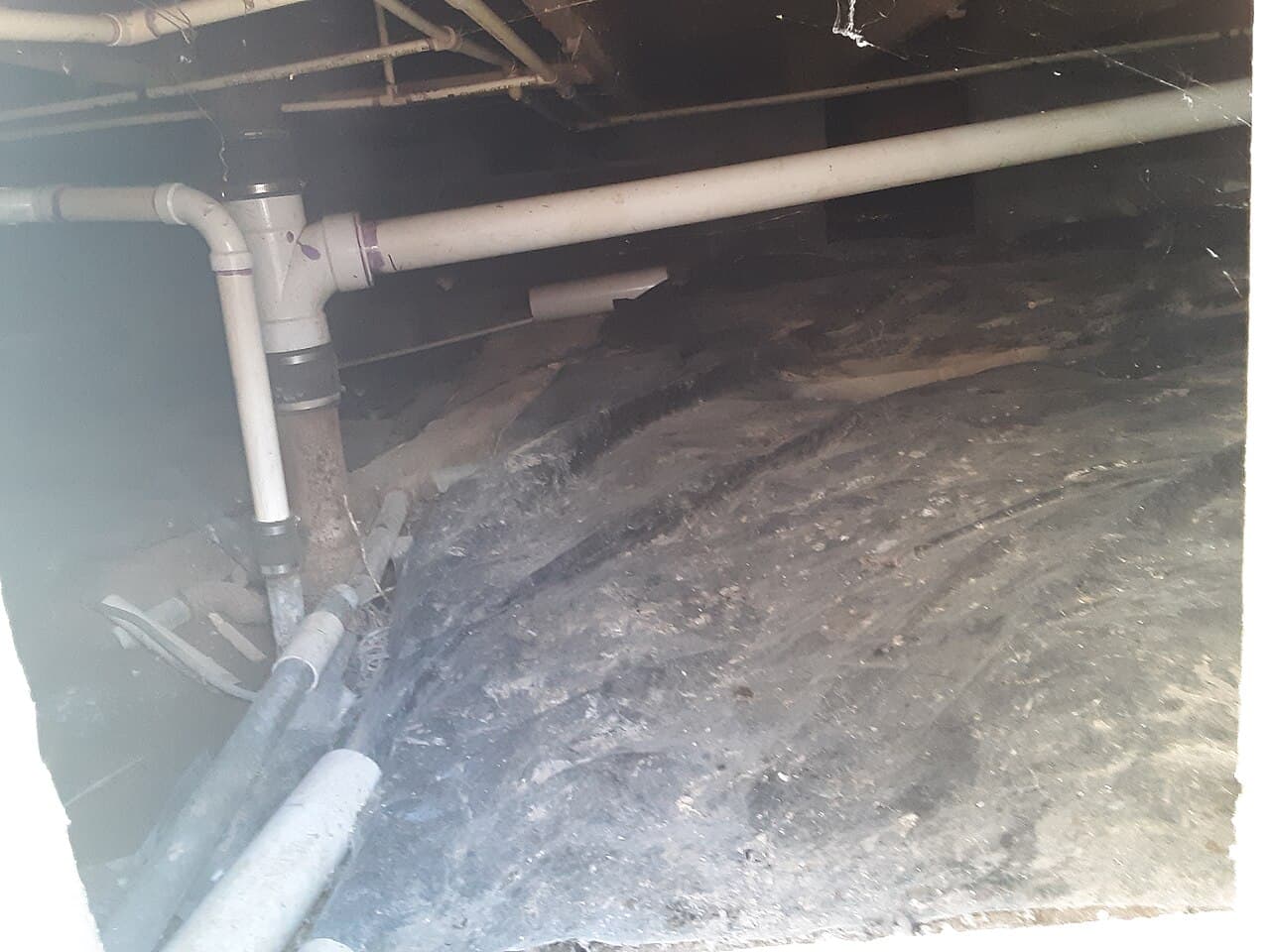
Damp crawl spaces and basements. Moisture-related damage happens when materials get wet faster than they can dry,[8] so a crawl space that stays humid slowly works on the framing above it. EPA suggests you keep indoor humidity below 60 percent, ideally between 30 and 50 percent.[3] A humidity reading tells you whether a dehumidifier, repaired vapor barrier, or drainage work comes first.
Roofs and flashing. A roof near the end of its life, loose flashing or signs of past leaks in the attic belong here. Roof work is for a licensed roofer; do not climb up to look.
Radon and lead. If a test was done, follow EPA's line: "Fix the home if the radon level is 4 picocuries per liter (pCi/L) or higher."[6] In pre-1978 homes, EPA notes that "deteriorating (peeling, chipping, chalking, cracking, or damaged) lead-based paint is a hazard and needs prompt attention."[7] If you are concerned, EPA suggests that you "hire a certified inspector to conduct a lead-based paint inspection".[7]
4. Aging equipment: plan and budget
Old water heaters, furnaces, heat pumps and roofs that still work are budget items, not emergencies. An inspection contract may exclude the remaining life of any system or component,[9] so for a real replacement estimate, ask a licensed HVAC or plumbing contractor to look at the unit and its service history.
5. Cosmetic and minor items
Sticking doors, worn caulk, loose handrails, missing outlet covers and cracked tiles go last unless they are also a safety issue (a loose stair rail is). Many are good weekend jobs.
Hiring for the repairs
A licensed home inspector may not design or perform repairs on a house they inspected for 12 months after the inspection,[10] and if they recommend someone, they must disclose in writing any financial interest in a contractor they recommend.[10]
For the contractors themselves, Virginia's rules are worth knowing. The Class C contractor licence covers a single job worth over $1,000 but less than $30,000,[11] and electrical, plumbing and HVAC contractors must hold a master tradesman licence as a condition of their contractor licence.[11] DPOR's advice is to get at least three written bids using identical plans and specifications.[12] As DPOR puts it, "Virginia law requires all licensed contractors to provide a written contract for residential work."[12] DPOR also says the contractor should apply for and obtain any necessary building permits, and that this should be spelled out in your contract.[12] See how to check if a contractor is licensed in Virginia before you sign.
Stop and call a pro if
- You smell gas or a CO alarm sounds. Call your gas utility, and, in EPA's words, "have a qualified technician inspect your fuel-burning appliances and chimneys" before using them again.[2]
- Outlets, switches or the panel are warm, buzzing or scorched.
- Water is coming in during rain, or a ceiling stain is growing.
- Floors are soft, framing is cracked or sagging, or the report asks for a structural engineer.
- Any repair involves wiring, gas, refrigerant, the roof or structure, or needs a permit.
For background on the findings themselves, read the most common problems found in a home inspection, or browse more inspection answers and licensed electricians in Blacksburg.
Ready to get the list fixed? Describe the repairs once and licensed businesses near you can quote.
Common questions
- Can my home inspector fix the problems they found?
- Not on the house they inspected, for 12 months after the inspection, unless they bought it themselves. Hire a contractor licensed for the work instead.
- Do I have to fix everything in the report?
- No. A report lists conditions, not orders. Most items are maintenance you can schedule. Safety items and active water deserve attention right away; the rest can be planned and budgeted.
- Which repairs can I do myself?
- Low-risk upkeep such as smoke alarm batteries, downspout extensions, caulking, a dehumidifier, and replacing a dead bulb. Wiring, gas, HVAC equipment, roof work and structural repairs belong to licensed contractors, and many of them need a permit.
- How do I know a contractor is licensed for the repair?
- Look the business up on DPOR's License Lookup and check that the licence class covers the size of the job and its specialty covers the trade, such as electrical or plumbing. A licence number on a card or truck is not proof on its own.
- What if the inspector only says to have a specialist evaluate something?
- Do that before you decide on a fix. The inspector reports what they saw; the cause, the right repair and its cost come from a licensed contractor or engineer who looks more closely.
Sources
- [1] Smoke alarms, U.S. Fire Administration, FEMA. Checked October 27, 2026.
- [2] Protect Your Family and Yourself from Carbon Monoxide Poisoning, U.S. Environmental Protection Agency. Checked October 27, 2026.
- [3] A Brief Guide to Mold, Moisture and Your Home, U.S. Environmental Protection Agency. Checked October 27, 2026.
- [4] Repairing Aluminum Wiring (Publication 516), U.S. Consumer Product Safety Commission. Checked October 27, 2026.
- [5] § 54.1-517.2:1. Home inspection; required statement related to the presence of yellow shaded corrugated stainless steel tubing, Code of Virginia, Legislative Information System. Checked October 27, 2026.
- [6] Home Buyer's and Seller's Guide to Radon (EPA 402/K-24/001), U.S. Environmental Protection Agency. Checked October 27, 2026.
- [7] Real Estate Disclosures about Potential Lead Hazards, U.S. Environmental Protection Agency. Checked October 27, 2026.
- [8] ENERGY SERIES: What about Moisture? (2908-9020), Virginia Cooperative Extension, Virginia Tech. Checked October 27, 2026.
- [9] 18VAC15-40-120. Home inspection contract, Virginia Administrative Code, Legislative Information System. Checked October 27, 2026.
- [10] 18VAC15-40-140. Conflict of interest, Virginia Administrative Code, Legislative Information System. Checked October 27, 2026.
- [11] § 54.1-1100. Definitions (contractors), Code of Virginia, Legislative Information System. Checked October 27, 2026.
- [12] What You Should Know Before You Hire a Contractor, Virginia Board for Contractors, DPOR. Checked October 27, 2026.
Want a pro to handle it?
Describe the job once. Licensed local businesses send quotes, and you pay only when you book one.
Get a quote from a local pro