Is it legal to trap and relocate wildlife in Virginia?
Mostly no. Virginia's wildlife agency says it is illegal to trap an animal and relocate it to another area. A landowner who live-traps an animal on their own land can release it there, take an injured one to a licensed rehabilitator that has agreed to accept it, or have it humanely killed. Squirrels, snakes and bats each have their own rules.
Free to ask. Local shops send quotes, and you pay only when you book one.
By Kasra Taheri, Founder, LoclisPublished
Researched and drafted with AI, then checked claim by claim against the sources listed below before it was published. Prices and rules change; the dates beside each source say when it was last checked.
This is a job for a licensed pro in Virginia
This page explains what the work involves, the permits, what a licensed pro does and what drives the cost. It does not give step-by-step instructions, because this work needs a licence, a permit or both, and doing it wrong can injure someone. Before you hire, check the licence on Virginia's DPOR record.
Mostly no. The Virginia Department of Wildlife Resources states plainly that it is illegal in Virginia to trap and relocate an animal to another area.[1] What you can do with a live-trapped animal is narrow: release it where it was caught, take it to a rehabilitator if it is hurt, or have it humanely killed. Squirrels, snakes and bats each have their own rules, and local ordinances can add more.
What you can do with a live-trapped animal
Virginia Cooperative Extension's 2026 pest management guide sums up the current rules: a landowner who live-traps an animal has three options: release it at the point of capture, elsewhere on land that person owns; take it to a licensed wildlife rehabilitation facility if it is injured or needs care, but only after the facility agrees to accept it; or have it humanely euthanized.[3] Wild animals cannot be held in possession, transported off the property, or released on land not owned by the person who trapped them.[3]
Euthanasia is lawful. It is lawful to kill wild animals legally captured in live traps by any humane method not specifically prohibited by law.[7] In practice, most homeowners hand that part, and the trapping itself, to a permitted wildlife control operator.
Why relocation is banned
Moving an animal feels kind, but the evidence says otherwise. Extension notes that for many species, survival after relocation is often less than 25%,[3] because the animal is dropped into unfamiliar ground already claimed by others of its kind. DWR adds that moving mammals could add to the spread of rabies, distemper, parvovirus and sarcoptic mange, and that relocated animals usually do not stay at the release site and could become a problem for others.[2]
Fairfax County's animal services division points out another cost: animals trapped may have dependent young that are left behind and orphaned.[11] Fairfax County Park Authority rules also prohibit releasing wildlife onto county parkland.[11]
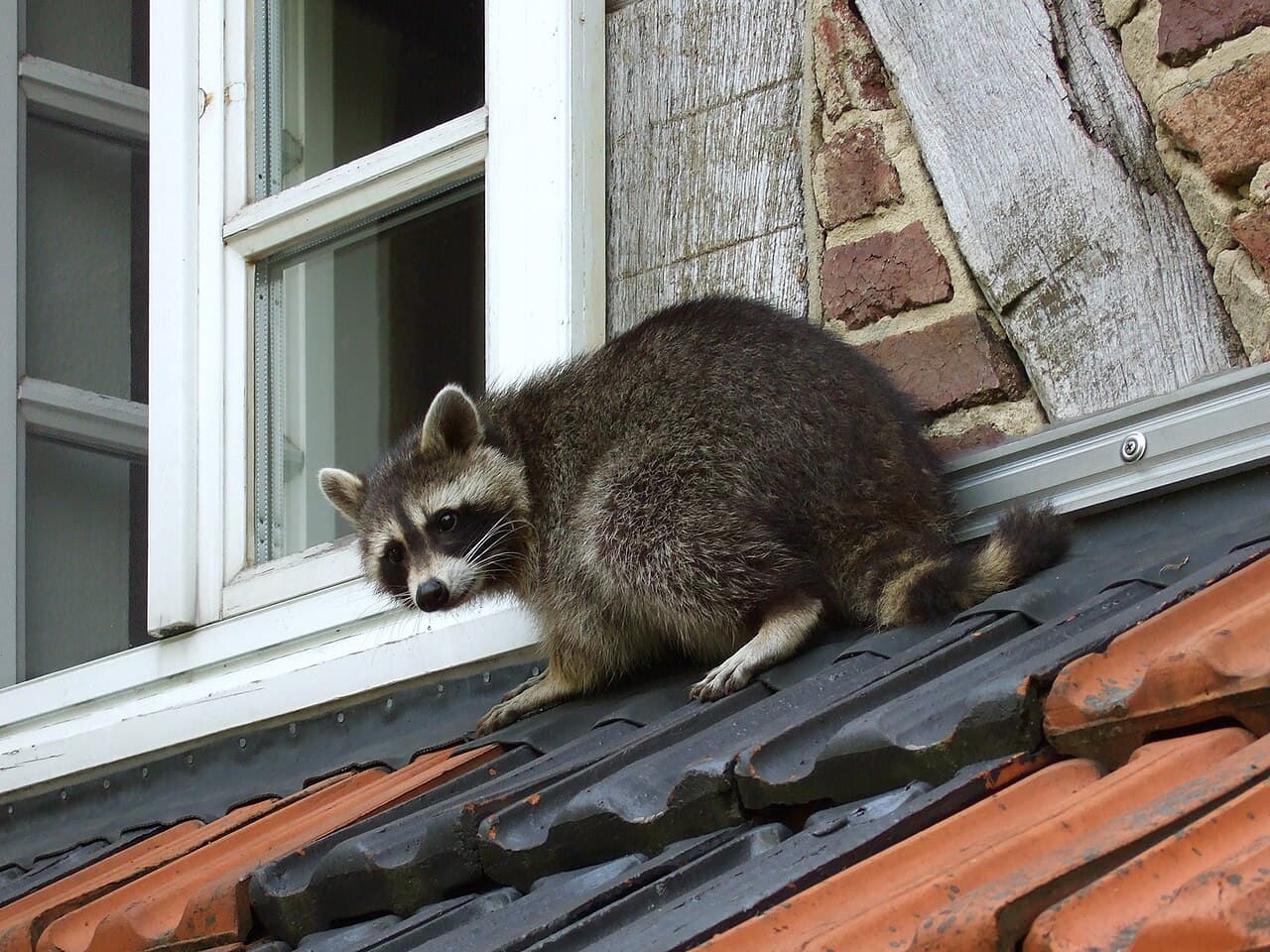
And the problem at the house is still there. If the gap in the soffit stays open, the next raccoon or squirrel moves in.
What the law says
The base rule is in the Code. The Code of Virginia makes it unlawful to trap, possess or transport any wild animal except as specifically permitted by law, and a violation is a Class 3 misdemeanor.[4] A Department regulation lists who is permitted to move wildlife. Department employees, federal wildlife staff, local animal control officers, and people operating under a commercial nuisance animal permit may capture, hold, transport, release and humanely dispatch wildlife under the Department's rules.[5]
The same regulation gives everyone two narrow routes: any person may carry an injured, sick or orphaned wild animal directly to a permitted wildlife rehabilitator, and may take most wildlife to an authorized local animal shelter, but only after contacting the facility to confirm it will accept the animal.[5] A shelter that takes in wildlife is authorized to receive, temporarily confine and humanely euthanize it.[5]
If you trap, the trap rules apply too. Traps must be checked once each day, and a trap on someone else's land must carry the trapper's name and address or a Department identification number.[4]
What a wildlife control company may do
Hiring a professional does not unlock relocation for most animals. Under DWR's Commercial Nuisance Animal Permit, captured wildlife removed from the inside of a building may be released on the curtilage of that property with the landowner's permission, and may not be translocated for release off site.[8] Snakes and, in some places, squirrels are the exceptions, covered below. What the permit adds is the ability to trap certain wildlife outside the trapping season and to transport live captured animals to a euthanasia site.[3] How the work itself is done is covered in how wildlife removal companies get animals out of an attic.
Species with their own rules
Squirrels. Virginia law says a landowner or his agent may trap and dispose of, except by sale, squirrels creating a nuisance on his property at any time in any area where the use of firearms for such purpose is prohibited.[6] DWR's permit conditions read that squirrel rule as including release on other property, with permission of the landowner at the release site.[8] Where firearms are legal, the general rules apply.
Bats. DWR says it is illegal to transport, release or relocate a bat anywhere other than the property it was caught on, and illegal to poison any animal on your property other than rats and mice.[9] Three bat species in Virginia are federally endangered (the gray, Indiana and Virginia big-eared bats), the northern long-eared bat is federally threatened, and three are state endangered: Rafinesque's big-eared bat, the little brown bat and the tri-colored bat.[9] Bats in a building are an exclusion job, not a trapping job.
Snakes. It is illegal to kill any snake in Virginia unless it poses an imminent health or safety threat, and a captured snake must be released alive at the point of capture within 30 days.[3] A permit holder may move a snake to suitable habitat in the same city or county, or in an adjacent one where the species has been documented, with the written permission of the landowner at the release site.[8]
Raccoons and other furbearers. There is a continuous open season to trap raccoons, opossums, beaver and muskrat inside any city or town, and in Arlington, Chesterfield, Fairfax, Henrico, James City, Loudoun, Prince William, Spotsylvania, Stafford, Roanoke and York counties.[3] An open season is about when trapping is allowed; it does not make relocation legal.
Your locality may be stricter
State law is the floor. Local ordinances are usually more restrictive than state laws, and DWR tells homeowners to contact the Commonwealth Attorney's office in their county or city about legal methods of animal removal.[10] Rules on discharging firearms, setting traps in town, and releasing animals in parks all vary by place, and this page is not legal advice for your property.
When to call a licensed pro
Call a permitted wildlife control operator when an animal is inside the house, when you suspect young, when the species is a bat or might be protected, or when you would rather not handle a trapped animal at all. DWR's Trapper Finder Tool lists licensed trappers and permit holders by species and location, and DWR does not attest to the character or expertise of anyone on the list, so checking references is up to you.[12]
When you talk to a company, ask:
- for its Commercial Nuisance Animal Permit and the species it is willing to handle;
- exactly what it will do with each animal it catches;
- how it checks for young before sealing anything;
- whether the repairs are done by a licensed contractor; see how to check if a contractor is licensed in Virginia.
For prices, see what wildlife removal costs in Virginia. Browse wildlife removal businesses, find pest control businesses in Blacksburg, or read more pest control answers.
Tell us what animal you are dealing with and local wildlife control businesses can quote a removal that follows Virginia's rules.
Common questions
- Can I drive a trapped raccoon to the woods and let it go?
- No. DWR says it is illegal in Virginia to trap and relocate an animal to another area, and Extension's 2026 guide says a trapped animal cannot be transported off the property or released on land you do not own. Your choices are release on your own property, a rehabilitator if it is injured, or humane euthanasia.
- Why can't trapped wildlife be relocated?
- Mostly because it does not work and spreads disease. Virginia Cooperative Extension says survival after relocation is often less than 25% for many species, and DWR warns that moving mammals can spread rabies, distemper, parvovirus and mange. The opening that let the animal in also stays open for the next one.
- Can a wildlife removal company relocate an animal?
- Not for most animals. Under DWR's Commercial Nuisance Animal Permit, live translocation and release off site are prohibited, with two exceptions: nuisance squirrels trapped where firearms cannot be lawfully discharged may be released on other property with that landowner's permission, and snakes may be moved under set conditions. Otherwise a permit holder may release an animal on the property it came from, deliver an injured, sick or orphaned one to a permitted rehabilitator, or humanely dispatch it on site or elsewhere.
- Are squirrels treated differently?
- Yes. Virginia law lets a landowner or agent trap and dispose of nuisance squirrels at any time where firearms cannot be used for that purpose, and DWR's permit conditions read that as allowing release on other property with the permission of that landowner. Local rules can still be stricter.
- What about a snake in the house or garage?
- Snakes are protected. Virginia Cooperative Extension says it is illegal to kill a snake unless it poses an imminent health or safety threat, and a captured snake must be released alive at the point of capture within 30 days. A permitted wildlife control operator can move snakes under specific conditions.
Sources
- [1] Help with Human-Wildlife Conflicts, Virginia Department of Wildlife Resources. Checked October 26, 2026.
- [2] Wildlife Among Us: Dealing With Neighborhood Wildlife Furbearers, Virginia Department of Wildlife Resources. Checked October 26, 2026.
- [3] Other Animals: Conflicts with Vertebrates (2026 Pest Management Guide, ENTO-634-H), Virginia Cooperative Extension, Virginia Tech. Checked October 26, 2026.
- [4] Va. Code § 29.1-521, Unlawful to hunt, trap, possess, sell, or transport wild birds and wild animals except as permitted, Code of Virginia, Virginia General Assembly. Checked October 26, 2026.
- [5] 4VAC15-30-50, Possession, transportation, and release of wildlife by authorized persons, Virginia Administrative Code, Department of Wildlife Resources. Checked October 26, 2026.
- [6] Va. Code § 29.1-530, Open and closed season for trapping, bag limits, etc., Code of Virginia, Virginia General Assembly. Checked October 26, 2026.
- [7] 4VAC15-40-225, Killing of animals captured in live traps permitted, Virginia Administrative Code, Department of Wildlife Resources. Checked October 26, 2026.
- [8] Commercial Nuisance Animal Permit Information Materials and Conditions, Virginia Department of Wildlife Resources. Checked October 26, 2026.
- [9] Problems with Bats, Virginia Department of Wildlife Resources. Checked October 26, 2026.
- [10] Problems with Raccoons, Virginia Department of Wildlife Resources. Checked October 26, 2026.
- [11] Wildlife Relocation: Not a Solution, Fairfax County Police Department, Animal Services Division. Checked October 26, 2026.
- [12] Find a Licensed Trapper or Wildlife Control Specialist, Virginia Department of Wildlife Resources. Checked October 26, 2026.
Want a pro to handle it?
Describe the job once. Licensed local businesses send quotes, and you pay only when you book one.
Get a quote from a local pro