Is a septic inspection required to sell a house in Virginia?
No. The Virginia Department of Health does not require a septic inspection before a property changes hands. A buyer's lender may require one, and the purchase contract can make one a condition of the sale. VDH still recommends that buyers have the system inspected by a licensed professional, preferably several weeks before closing.
Free to ask. Local shops send quotes, and you pay only when you book one.
By Kasra Taheri, Founder, LoclisPublished
Researched and drafted with AI, then checked claim by claim against the sources listed below before it was published. Prices and rules change; the dates beside each source say when it was last checked.
This is a job for a licensed pro in Virginia
This page explains what the work involves, the permits, what a licensed pro does and what drives the cost. It does not give step-by-step instructions, because this work needs a licence, a permit or both, and doing it wrong can injure someone. Before you hire, check the licence on Virginia's DPOR record.
The short answer
The Virginia Department of Health does not require a septic system to be inspected before a property is sold or transferred.[1] A sale can still require one. VDH notes that a lender may require an inspection and will spell out what it wants,[1] and a purchase contract can make one a condition of the sale.
The health department's own advice is clear: even when no inspection is required, VDH recommends having the system inspected by a licensed professional to find out whether it is in good working order.[1]
Why buyers usually want one anyway
Virginia's Residential Property Disclosure Act puts the burden on the buyer. The disclosure statement the seller provides says the owner makes no representations about whether the property has a wastewater system, or about its type, size or maintenance responsibilities.[2] It advises buyers to do their own due diligence before settlement, including on "the costs associated with maintaining, repairing, or inspecting any wastewater system, including any costs or requirements related to the pump-out of septic tanks".[2] A septic inspection is how a buyer gets those answers before the deal closes.
Timing matters more than most people expect
VDH recommends having the system inspected as soon as possible when you are buying, preferably several weeks before closing.[1] If the inspection finds major problems, the owner may need to hire a private designer, get a construction permit from VDH, have a licensed service provider install the repair, have the designer inspect it, and file paperwork for a new operation permit.[1] That work can take weeks, and an inspection done late in the sale can push back closing.[1]
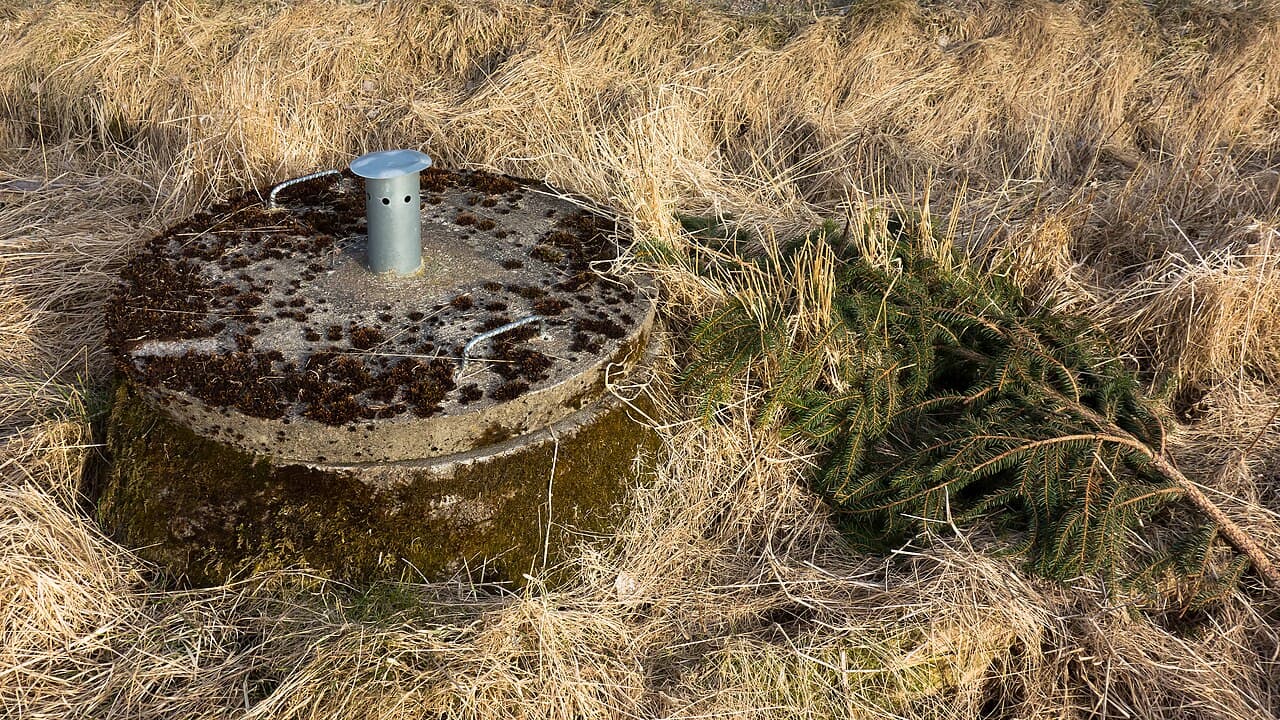
Alternative systems: more paperwork changes hands
If the house has an alternative system, with pumps, alarms or a treatment unit, there is already a yearly inspection routine. For an alternative system, the owner must have a licensed operator visit at least once a year.[1] Before a sale, the system may also get a follow-up operation and maintenance visit.[1]
Sellers of these systems are asked to make a reasonable effort to pass the operator's log and the Operation and Maintenance Manual to any future owner.[3] Before an operation permit is issued for an alternative system, the owner must record a letter with the deed telling future owners that the property is served by an alternative system,[1] so a title search usually turns it up.
Records that can change the deal
An inspection tells you how the system works today. The health department file and the deed tell you what the system is allowed to do, and some of it changes when the house is sold.
- Repair waivers. A waiver granted under Va. Code § 32.1-164.1:1 for the repair of a failing system generally does not transfer, with some exceptions, and becomes void when the property is sold or transferred.[1] The new owner then has to install a new system that fully meets the regulations.[1] Waivers granted for a voluntary upgrade, by contrast, stay valid after a sale.[1] If the deed shows a waiver, find out which kind it is.
- Conditional permits. Conditional permits can limit the system to reduced water flow, a set number of occupants, or intermittent or seasonal use.[1] Check those limits against how you plan to live in the house.
- Additions and extra bedrooms. If rooms were added after the septic system went in, Virginia Cooperative Extension advises building the cost of replacing or extending the system into the offer price or the sale contingencies.[4]
What the contract should say about any of this, and who pays for repairs, is for you, the other party and your agents or attorney to settle. The inspection and the records give you the facts to negotiate with.
When to call a licensed pro
Book the inspection with a licensed septic professional as soon as you are under contract, or before listing if you are the seller. Virginia requires an onsite sewage system operator licence from DPOR, in the right class, for anyone who operates or maintains a conventional or alternative septic system.[5] VDH recommends checking a provider's licence on the DPOR website[6] before you hire.
Ask for a written report with the tank measurements, the condition of the baffles and distribution box, any loading test result and what could not be checked. Our guides cover what a septic inspection includes, what it costs and what makes a system fail. You can also browse more inspection answers or septic inspection services.
Buying or selling soon? Describe the job once and licensed businesses near you can quote.
Common questions
- Who usually orders the septic inspection, the buyer or the seller?
- Either can. Buyers often order their own so the inspector works for them, while some sellers order one before listing to find problems early. What the contract says about who orders it, who pays, and what happens if it finds problems is between the parties and their agents or attorney.
- Will the health department inspect my septic system before I sell?
- The Virginia Department of Health does not require an inspection before a sale. It keeps the system's permits and records, which buyers and sellers can request from the local health department. The inspection is done by a private, licensed septic professional.
- Does my mortgage lender require a septic inspection?
- Lenders set their own requirements. VDH notes that a lender may require an inspection and will spell out what it wants, so ask the loan officer early which inspection or test the lender wants and by when.
- What happens if the septic system fails the buyer's inspection?
- Simple improvements that fit VDH's definition of maintenance can be made by a licensed service provider. Bigger ones need a repair designed by a licensed designer and a construction permit from the local health department, which can take weeks. How the cost is handled is a matter for the purchase contract.
- Do I need to give the buyer my septic records?
- For an alternative system, VDH asks owners to make a reasonable effort to pass the operator's log and the Operation and Maintenance Manual to the next owner. For any system, handing over pumping and inspection records usually makes the sale smoother.
Sources
- [1] What You Should Know When Buying a House with an Onsite System, Virginia Department of Health. Checked October 26, 2026.
- [2] Code of Virginia § 55.1-703, Required disclosures for buyer to beware; buyer to exercise necessary due diligence, Code of Virginia, Legislative Information System. Checked October 26, 2026.
- [3] Onsite Sewage System Owner Responsibilities, Virginia Department of Health. Checked October 26, 2026.
- [4] Septic Systems: What to Ask When Buying a House (SPES-575NP), Virginia Cooperative Extension, Virginia Tech. Checked October 26, 2026.
- [5] 18VAC160-40-170, Onsite Sewage System Professionals Licensing Regulations: License required (operators), Virginia Administrative Code, Legislative Information System. Checked October 26, 2026.
- [6] Septic System and Private Well Service Providers, Virginia Department of Health. Checked October 26, 2026.
Want a pro to handle it?
Describe the job once. Licensed local businesses send quotes, and you pay only when you book one.
Get a quote from a local pro