How much does a septic inspection cost in Virginia?
There is no state price list for private septic inspections in Virginia, and charges vary from one service to the next. What you pay depends on the system type, whether pumping is included, how long it takes to find and uncover the tank, and whether a loading test is run. Get several written quotes that say exactly what each covers.
Free to ask. Local shops send quotes, and you pay only when you book one.
By Kasra Taheri, Founder, LoclisPublished
Researched and drafted with AI, then checked claim by claim against the sources listed below before it was published. Prices and rules change; the dates beside each source say when it was last checked.
This is a job for a licensed pro in Virginia
This page explains what the work involves, the permits, what a licensed pro does and what drives the cost. It does not give step-by-step instructions, because this work needs a licence, a permit or both, and doing it wrong can injure someone. Before you hire, check the licence on Virginia's DPOR record.
The short answer
Charges for a septic inspection vary between services, and the biggest differences come from what each visit includes. The way to know your cost is to get several written quotes for the same, clearly described job.
For tank pumping, Virginia Cooperative Extension advises getting several estimates, and notes: "There may be considerable variation in charges for tank cleaning, so talking to the service about what their charges cover is important."[1] Ask the same question of every inspection quote.
What drives the price
Finding and uncovering the tank. Some services charge extra to find and uncover the tank.[1] If you do not know where yours is, your local health department may be able to help you find it from the construction permit records, which should include a map of the system.[1] A tank under a deck, a patio or deep soil takes longer than one with a lid at the surface.
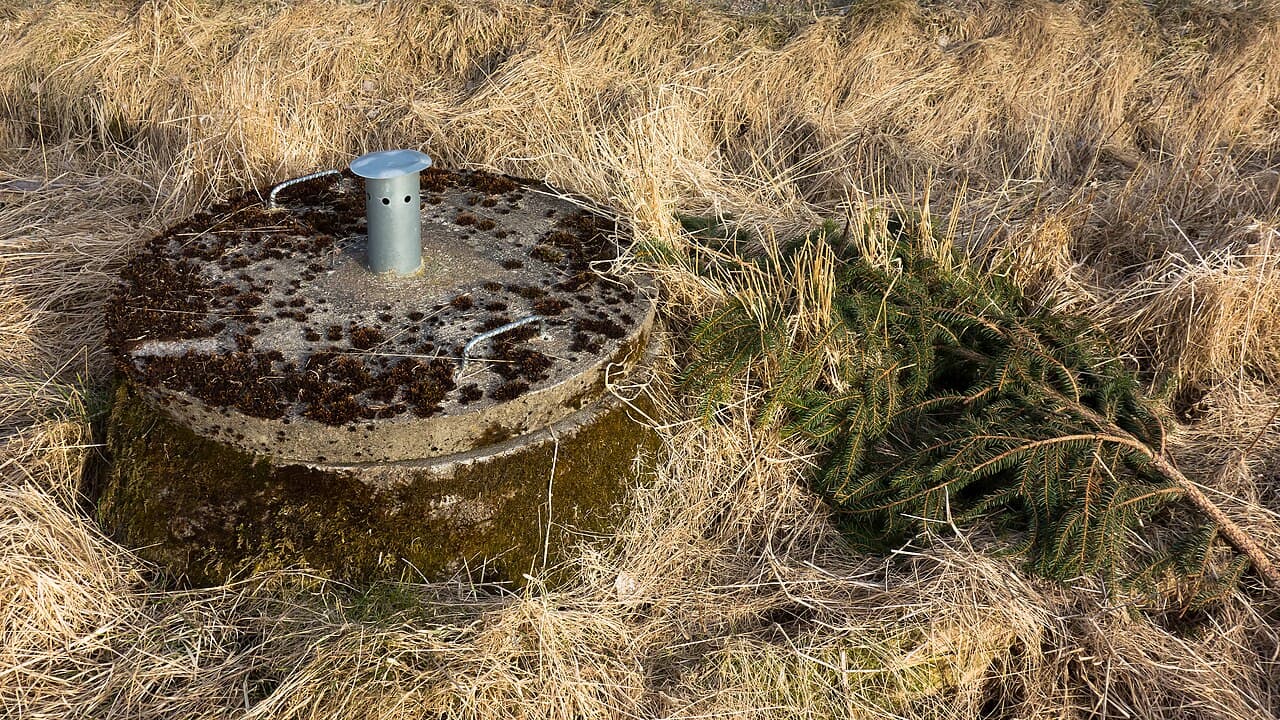
Whether pumping is part of it. Pumping adds truck time and disposal. Pumping time depends on how easily the truck can reach the tank, the tank size, and surprises such as broken baffles or roots in the system.[1] A clear path for the truck helps.
How thorough the inspection is. For a conventional system, an inspection may include a look at the septic tank and the distribution box.[2] "Your service provide may also conduct loading test by placing a set volume of water into the system to look for evidence of a blockage of failure."[2] Each added check adds time, and the loading test matters most when a house has been sitting empty.
Conventional or alternative system. Alternative systems have pumps, alarms and treatment units, and an alternative system must be inspected by a licensed operator at least once a year.[3] Owners of these systems must have them operated and maintained by a licensed operator, which generally involves a service contract.[3] If you already have that contract, the yearly visit may be covered by it. Before a sale, the system may get a follow-up operation and maintenance visit,[2] so ask your operator what that visit costs.
What it finds. Any repair is a separate job with its own price. If the inspection finds major problems, the fix may involve a private designer, a construction permit from VDH, a licensed installer, an inspection by the designer and paperwork for a new operation permit, and the process can take weeks.[2] Our guides to drain field repair costs and septic repair permits cover that side.
When an inspection can stand in for pumping
In parts of Virginia covered by the Chesapeake Bay Preservation Act, systems in Chesapeake Bay Preservation Areas must be pumped out at least once every five years.[4] The state regulation lets local governments accept, in place of proof of a pump-out, documentation every five years from an operator or onsite soil evaluator "licensed or certified under Chapter 23" of Title 54.1 of the Code of Virginia, stating that the system has been inspected, works properly and the tank does not need pumping.[4]
Who checks compliance depends on where you live. Since July 1, 2023, the Virginia Department of Health has managed and enforced pump-out compliance in Accomack, Essex, Gloucester, King and Queen, King William, Lancaster, Mathews, Middlesex, Northampton, Northumberland, Richmond and Westmoreland Counties and the incorporated towns in them.[4] In those counties, ask the local health department whether an inspection report is accepted and in what form. Elsewhere, ask your local government. Do it before you book, so the visit produces the paperwork you need, and compare the inspection's price with a pump-out's.
What to ask for in a written quote
Ask every service the same questions so the quotes line up:
- Is pumping included, and is the inspection priced separately?
- Is finding and uncovering the tank included, and what if it is deeper than expected?
- Which parts are checked: tank, both baffles, distribution box, drainfield, pumps and alarms?
- Is a loading test included, and how much water is used?
- Will I get a written report with the scum and sludge measurements and photos?
- Who on the visit holds the operator licence, and what is the licence number?
Help with the cost
Some parts of Virginia have local programs that may help pay to repair, replace or pump out a septic system.[5] The Virginia Department of Health keeps a list of those programs, and your local health department can tell you what applies to your county.
When to call a licensed pro
Hire a licensed septic professional for the inspection itself. Virginia requires an onsite sewage system operator licence from DPOR, in the right class, for anyone who operates or maintains a conventional or alternative septic system.[6] VDH recommends checking a provider's licence on the DPOR website[7] before you pay a deposit.
Book early if you are buying or selling, ask for the report in writing, and keep it with the house records. For what the visit should cover, see what a septic inspection includes, and browse more inspection answers or septic inspection services.
To compare quotes, describe the job once and licensed businesses near you can quote on the same scope.
Common questions
- Does the health department inspect septic systems for home sales?
- No. The Virginia Department of Health does not require an inspection before a sale. It does hold the system's permit records, which you can request from the local health department. The inspection itself is done by a private, licensed septic professional.
- Why do septic inspection quotes vary so much?
- Because the jobs differ. One quote may include pumping, locating and uncovering the tank, and a loading test, while another covers only a look through the lid. Compare what each quote includes, not just the total.
- Is pumping cheaper than an inspection?
- They are different services and are often done together. Pumping removes solids, while an inspection records the condition of the tank, baffles, distribution box and drainfield. Ask each service to price them separately so you can see what you are paying for.
- Is there help paying for septic work in Virginia?
- In some places. The Virginia Department of Health lists local programs that may help with repairs, replacement or pumping in several areas of the state, along with state and federal programs for low-income homeowners. Contact your local health department to ask what applies where you live.
Sources
- [1] What to Expect When Getting Your Septic Tank Pumped (SPES-574), Virginia Cooperative Extension, Virginia Tech. Checked October 26, 2026.
- [2] What You Should Know When Buying a House with an Onsite System, Virginia Department of Health. Checked October 26, 2026.
- [3] Onsite Sewage System Owner Responsibilities, Virginia Department of Health. Checked October 26, 2026.
- [4] 9VAC25-830-130, Chesapeake Bay Preservation Area Designation and Management Regulations: General performance criteria, Virginia Administrative Code, Legislative Information System. Checked October 26, 2026.
- [5] Funding Opportunities, Virginia Department of Health. Checked October 26, 2026.
- [6] 18VAC160-40-170, Onsite Sewage System Professionals Licensing Regulations: License required (operators), Virginia Administrative Code, Legislative Information System. Checked October 26, 2026.
- [7] Septic System and Private Well Service Providers, Virginia Department of Health. Checked October 26, 2026.
Want a pro to handle it?
Describe the job once. Licensed local businesses send quotes, and you pay only when you book one.
Get a quote from a local pro