What are phase inspections on a new house?
Phase inspections are checks at set stages of construction, each one before the work is covered up. Virginia's building code requires the local building official to inspect footings, structural members, wiring, plumbing and mechanical work, and energy material before concealment, then do a final. Buyers can add private inspections at the same stages, but only by a home inspector holding the NRS specialty.
Free to ask. Local shops send quotes, and you pay only when you book one.
By Kasra Taheri, Founder, LoclisPublished
Researched and drafted with AI, then checked claim by claim against the sources listed below before it was published. Prices and rules change; the dates beside each source say when it was last checked.
Step by step
Read when to stop and call a pro, further down this page, before you start.
Step 1: Ask for the permit's inspection stages
Ask your builder or the local building department which inspections the permit requires and when they are expected.
Step 2: Pick the stages you want your own inspector at
Footing and foundation, framing and rough-in before insulation and drywall, and the final walk-through are the usual choices.
Step 3: Get your builder's agreement in writing
Your sales contract should allow your inspector on site with reasonable notice, so check that it does.
Step 4: Hire an NRS-specialty inspector
Confirm the licence number and the NRS notation on DPOR's lookup.[5]
Step 5: Read the inspection contract before signing
It must list the cost, the areas and systems to be inspected, and a report delivery date.[4]
Step 6: Attend the visit if you can
Ask the inspector to walk you through what is visible and what will soon be hidden.
Step 7: Send the report to your builder in writing
Ask for each item to be corrected before it is covered.
Step 8: Have the corrections confirmed before the next stage
Ask the inspector to recheck anything that matters, such as structure or water protection.
Phase inspections are checks made at set stages while a house is being built, each one before the work is covered up. In Virginia there are two kinds. The local building official inspects as the building code requires, and you can add private inspections of your own, which must be done by a licensed home inspector who holds the NRS (new residential structure) specialty.
The inspections the building code requires
The Uniform Statewide Building Code says any building "may be inspected at any time before completion and shall not be deemed in compliance until approved by the inspecting authority."[1] For the permit it lists the minimum inspections the building official conducts when they apply:[1]
- footing excavations and the reinforcement for concrete footings, before the concrete is placed
- the foundation system during the phases of construction needed to confirm it complies with the code
- preparatory work before concrete is placed
- structural members and fasteners, before they are concealed
- electrical, mechanical and plumbing materials, equipment and systems, before they are concealed
- energy conservation material, before it is concealed
- a final inspection
The pattern is the same each time: look at the work while it can still be seen. A footing is easy to judge before it is buried in concrete, and wiring or framing is easy to judge before drywall goes up.
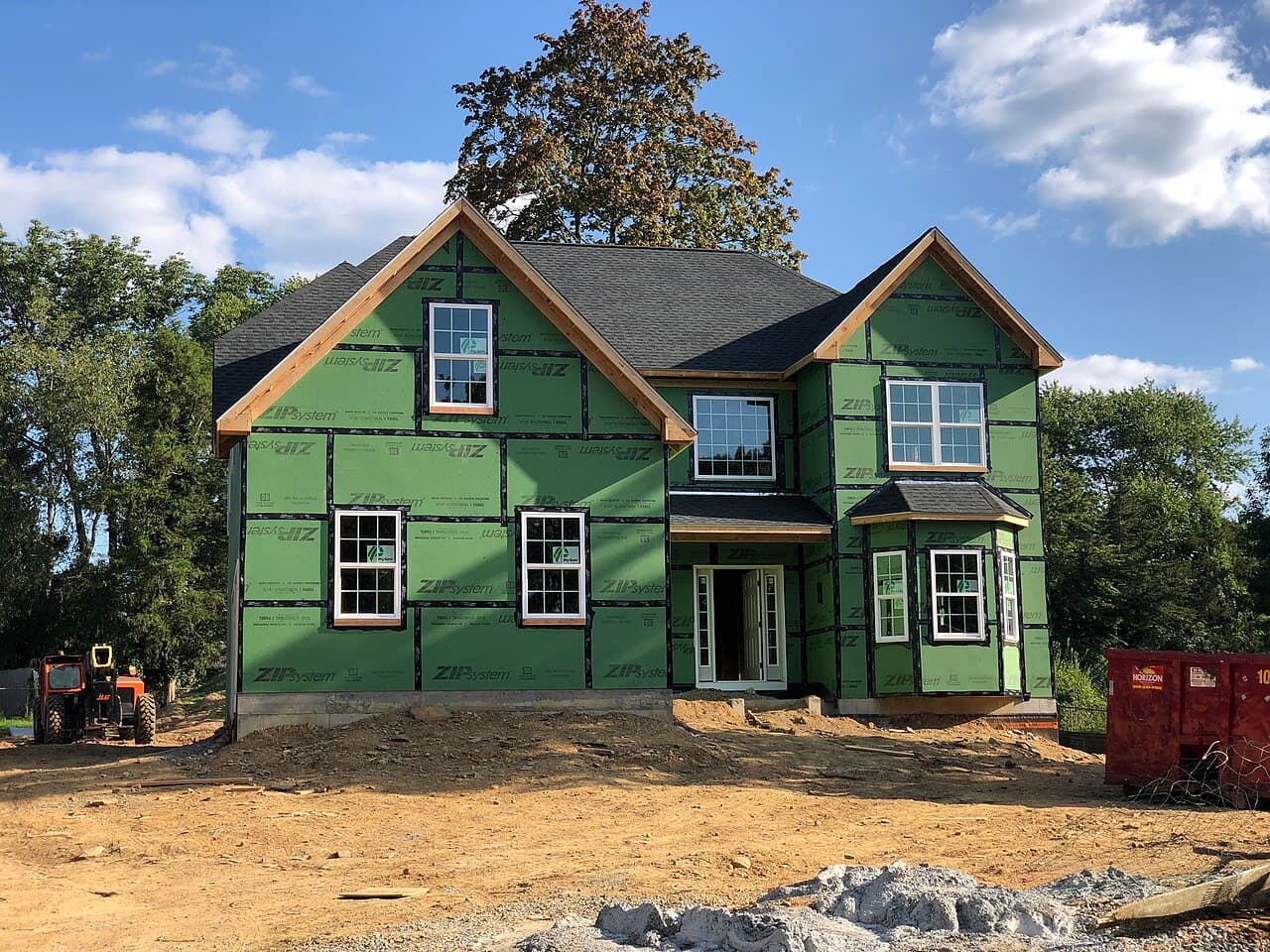
Who calls for them and what happens next
The builder holds the permit, and the duty to ask is theirs: when construction reaches a stage that requires an inspection, the permit holder shall notify the building official.[1] The official then either approves the work in writing or gives written notice of defective work, and defects have to be corrected and reinspected before any work proceeds that would conceal them.[1]
At the end, the final inspection confirms that any defective work has been corrected and that all work complies with the code, and a certificate of occupancy must be issued before anyone occupies the building.[1]
Private phase inspections for the buyer
The building official checks code compliance for the locality. It does not work for you. Many buyers add their own inspector at the same stages, often just before the pour, before drywall, and again before closing.
Virginia calls these "course of construction" inspections, meaning one or more inspections conducted during the construction of a new residential structure.[2] A home inspection on a new residential structure, including any course of construction inspection, can only be done by a home inspector with the NRS specialty.[3] Check the licence on DPOR's licence lookup before you sign.[5]
Expect a visual report. By rule, the contract must state that the report is based on visual observation of existing conditions at the time of the inspection and is not a warranty or any form of insurance.[4] The contract must also state that the inspection does not include a review for compliance with the building code.[4]
How to set up phase inspections on your build
- Ask for the permit's inspection stages. Ask your builder or the local building department which inspections the permit requires and when they are expected.
- Pick the stages you want your own inspector at. Footing and foundation, framing and rough-in before insulation and drywall, and the final walk-through are the usual choices.
- Get your builder's agreement in writing. Your sales contract should allow your inspector on site, with reasonable notice, so check that it does.
- Hire an NRS-specialty inspector. Confirm the licence number and the NRS notation on DPOR's lookup.[5]
- Read the inspection contract before signing. It must list the cost, the areas and systems to be inspected, and a report delivery date.[4]
- Attend the visit if you can. Ask the inspector to walk you through what is visible and what will soon be hidden.
- Send the report to your builder in writing and ask for each item to be corrected before it is covered.
- Have the corrections confirmed before the next stage starts. Ask the inspector to recheck anything that matters, such as structure or water protection.
Stop and call a pro if
- The inspector reports a structural concern, such as a cracked or out-of-level footing, damaged framing or missing fasteners. Do not try to judge the fix yourself; ask the builder in writing for the engineer's or licensed contractor's remedy.
- Framing or insulation is wet before the house is closed in. Water inside the walls needs a professional's plan before drywall hides it.
- The builder wants to cover work that has a written defect notice. The code requires defects to be corrected and reinspected before work proceeds that would conceal them.[1]
- You smell gas or see exposed live wiring on site. Stay out and tell the builder and the building department.
Getting help in Virginia
Read what a new construction inspection costs in Virginia and whether you need a home inspection on a new build. For the licence side, see whether a home inspector needs a licence in Virginia, or browse all inspection answers and inspection services on Loclis.
When you are ready, describe what you want inspected once and licensed local inspectors quote it.
Common questions
- What are the main phase inspections on a new house?
- The building code's minimum inspections are footings before concrete, the foundation, structural members and fasteners before they are concealed, electrical, mechanical and plumbing before they are concealed, energy conservation material before it is concealed, and a final inspection. Many buyers add a private inspector at the same stages.
- Does the county inspector replace a private inspector?
- No. The building official checks the work against the building code. A private inspector works for you, under a contract with its own scope, and reports on what is visible at the time of the visit.
- Who has to schedule the building inspections?
- The permit holder, usually your builder. The code says the permit holder shall notify the building official when construction reaches a stage that requires an inspection.
- Can any home inspector do a phase inspection on a new build?
- No. In Virginia a home inspection on a new residential structure, including any course of construction inspection, needs an inspector with the NRS specialty. Look up the licence and the NRS notation on DPOR's licence lookup.
- What happens if a phase inspection fails?
- The building official gives written notice of defective work, and the defects must be corrected and reinspected before work continues that would hide them.
- Is there an inspection before I can move in?
- Yes. The final inspection must be done and a certificate of occupancy issued before the building is occupied.
Sources
- [1] 13VAC5-63-130, Section 113 Inspections (Virginia Uniform Statewide Building Code), Virginia Administrative Code, Department of Housing and Community Development. Checked October 27, 2026.
- [2] 18VAC15-40-10, Definitions (Home Inspector Licensing Regulations), Virginia Administrative Code, Board for Asbestos, Lead, and Home Inspectors. Checked October 27, 2026.
- [3] 18VAC15-40-20, Necessity for licensure, Virginia Administrative Code, Board for Asbestos, Lead, and Home Inspectors. Checked October 27, 2026.
- [4] 18VAC15-40-120, Home inspection contract, Virginia Administrative Code, Board for Asbestos, Lead, and Home Inspectors. Checked October 27, 2026.
- [5] License Lookup, Virginia Department of Professional and Occupational Regulation. Checked October 27, 2026.
Want a pro to handle it?
Describe the job once. Licensed local businesses send quotes, and you pay only when you book one.
Get a quote from a local pro