What should I check before my new home's one-year warranty ends?
Walk the house in the first ten months and list every problem with a photo and a date: grading and gutters, drywall cracks and nail pops, doors and windows, plumbing, the heating and cooling system, GFCI outlets and smoke alarms. Virginia's implied new-home warranty runs one year from title or possession, five for the foundation, and needs written notice to the builder.
Free to ask. Local shops send quotes, and you pay only when you book one.
By Kasra Taheri, Founder, LoclisPublished
Researched and drafted with AI, then checked claim by claim against the sources listed below before it was published. Prices and rules change; the dates beside each source say when it was last checked.
Step by step
Read when to stop and call a pro, further down this page, before you start.
Step 1: Find your warranty start date
Look up the date you took title or possession, whichever came first, and count one year from it.[1]
Step 2: Check the grading
Walk the outside after rain and look for low spots and pooling next to the foundation.[2]
Step 3: Check gutters and sealant
Look at gutters, downspouts and the caulk around windows and doors.
Step 4: Look at the drywall
Mark cracks and nail pops with painter's tape and photograph them.[3]
Step 5: Operate doors, windows and fixtures
Open every window and door, run every faucet and shower, and look under sinks for drips.
Step 6: Run heating and cooling
Run both systems once, change the filter and check that the condensate drain is clear.[4]
Step 8: Send a written list
Send the builder a dated list with photos, by certified mail or another method that gives you a receipt.[1]
The short answer
Do the walk-through in the first ten months, not the last week. Virginia's implied warranty on a new home is time limited, it has a notice procedure, and the builder is entitled to time to fix the problem, so a list sent in month eleven leaves little room. Check the exterior, the finishes, and the systems that wear in the first year, write down each item with a photo and a date, and send the list to the builder in writing.
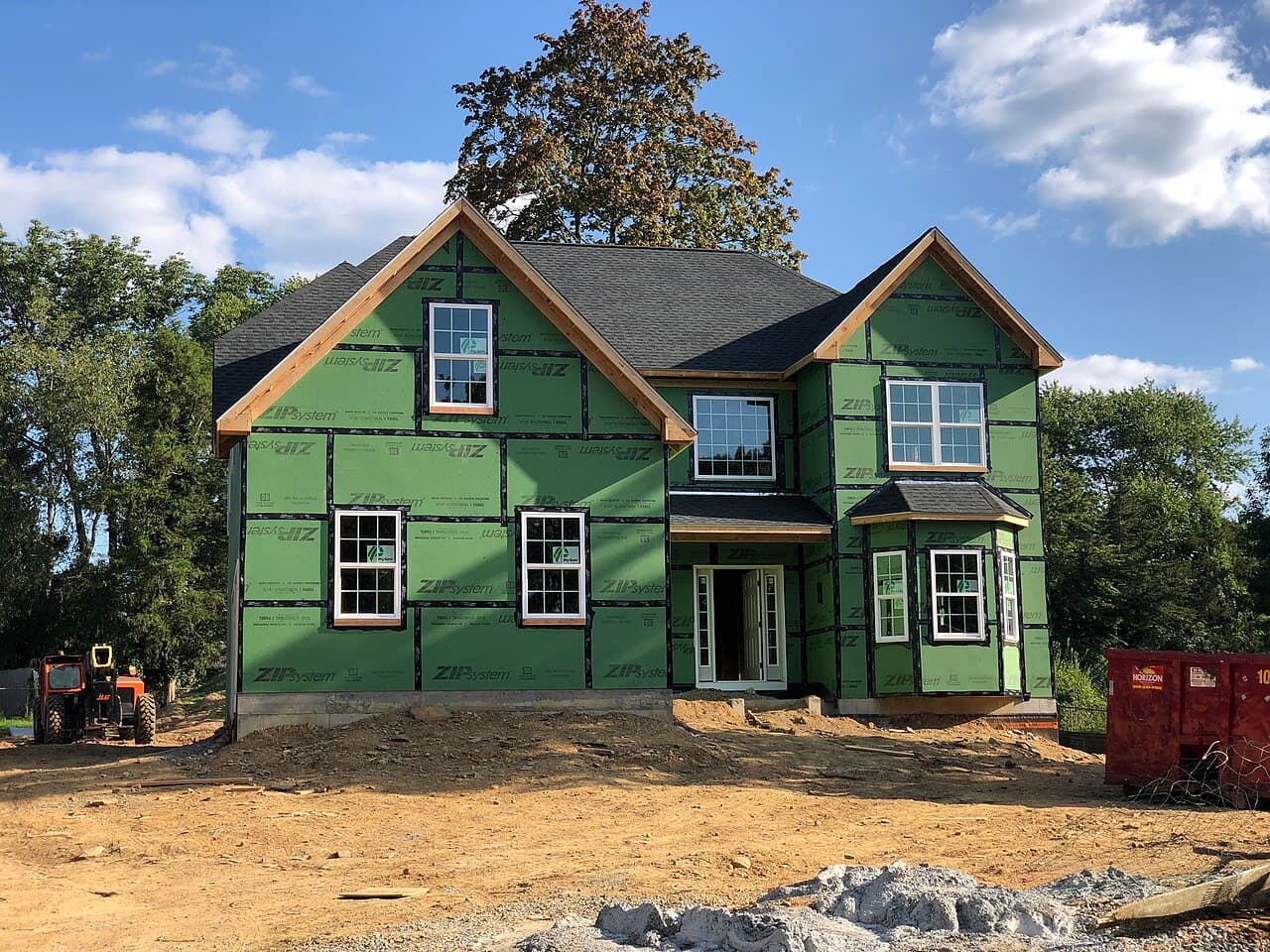
Know your deadline first
Under Virginia Code § 55.1-357, the warranty is that the home is sufficiently free from structural defects, constructed in a workmanlike manner, and, where the seller builds or sells homes as a business, fit for habitation.[1] The statute sets the clock this way: "The warranty shall extend for a period of one year from the date of transfer of record title or the vendee's taking possession, whichever occurs first".[1] For the foundation, the warranty against structural defects "shall extend for a period of five years".[1]
The steps are specific. Before suing, you must give the builder "a written notice stating the nature of the warranty claim", sent by certified mail, commercial overnight delivery or the U.S. Postal Service with a receipt, or hand delivered with a receipt.[1] The builder then has "a reasonable period of time, not to exceed six months, to cure the defect".[1] The statute adds: "Any action for its breach shall be brought within two years after the breach thereof."[1]
Read your sales contract, too. "A contract for sale may waive, modify, or exclude any or all express and implied warranties", but only with conspicuous capital-letter wording that says specifically what is waived.[1] A statute is not a substitute for advice about a specific dispute; if you have one, talk to a Virginia attorney.
What to check outside
- Grading and drainage. Settled soil creates low spots beside the foundation. The Northern Virginia Soil and Water Conservation District says "You may need to fill in depressions that have formed near the downspout", and that ideally a 5% grade is kept for ten feet around the home.[2]
- Gutters, downspouts and caulk. Look for sagging gutters, downspouts that dump at the wall, and gaps in sealant around windows and doors after a rainy season.
- Decks, driveways and walks. Note cracks, settling and standing water, and photograph them against a tape measure.
What to check inside
- Drywall. Nail pops and cracks can show up in the first year. USG names uncontrolled environmental conditions and fluctuations as a primary cause of joint cracks and joint ridges.[3] Mark each spot with painter's tape and photograph it.
- Doors, windows and trim. Check that each door latches, each window opens and locks, and gaps in trim are caulked.
- Plumbing. Run every fixture, look under each sink for drips, and check ceilings below bathrooms for stains.
- Flooring and tile. Look for gaps, squeaks, lifting edges and cracked grout.
What to check on the systems
ENERGY STAR advises that you "Inspect, clean, or change air filters once a month" on your central air conditioner, furnace or heat pump, and that you check the condensate drain, since "A plugged drain can cause water damage in the house and affect indoor humidity levels."[4] Run both heating and cooling at least once before the year ends, so a problem shows while the warranty is still running.
For safety devices, the Consumer Product Safety Commission's checklist says: "Test every GFCI once a month" according to the manufacturer's instructions,[5] and the U.S. Fire Administration says to test smoke alarms monthly.[6] Note any that fail.
Put it in writing
The Virginia Board for Contractors tells homeowners to "Be sure to address all problems or complaints directly to your contractor in writing, so that you both have a record."[7] If a licensed builder refuses to make corrections, the Board says you "should file a written complaint with the Board for Contractors".[7]
Keep the list specific: location, photo, date noticed, and what you want fixed. Send it as the statute describes, and keep the receipt. You can also book a one-year inspection by a licensed home inspector to catch what they cannot see in attics and crawl spaces; see what a new construction inspection costs and whether you need an inspection on a new build.
Stop and call a pro if
- A crack in the foundation is wide, runs diagonally, or comes with sticking doors. Report it to the builder in writing right away, and have a qualified inspector look at it.
- Water is coming through a wall, window or ceiling, or there is a musty smell with no known cause.
- A GFCI will not reset, or an outlet, switch or panel is warm or buzzing. Call a licensed electrician; do not open the panel or devices yourself.
- You smell gas, or a gas appliance or vent looks wrong. Leave the house and call a licensed gas fitter or HVAC contractor from outside.
Getting help in Virginia
For what usually turns up in the first year, see what inspectors find most often in new homes and what phase inspections are. Browse inspection or more inspection answers, and when you are ready, describe what you need and licensed local pros respond.
Common questions
- When does the one-year warranty start?
- On the date you take title or possession of the house, whichever comes first, not the date of the final inspection or move-in. Write that date on your calendar and count ten months from it.
- Does the warranty cover everything in the house?
- It covers structural defects, workmanlike construction and, for builders who sell homes as a business, fitness for habitation. It does not cover ordinary wear or maintenance you skipped. Separate manufacturer warranties on appliances and other products may apply too.
- What is different about the foundation?
- The Virginia statute extends the warranty against structural defects in the foundation to five years from title transfer or possession. Other items fall under the one-year period.
- What if my contract says the house is sold as is?
- A contract can waive the implied warranties, but only with conspicuous capital-letter wording that names what is waived. Read the sales contract before you rely on the warranty, and ask a Virginia attorney if it is unclear.
- How do I send the builder notice?
- In writing, describing the problem, by certified mail, commercial overnight delivery or the U.S. Postal Service with a receipt, or by hand with a signed receipt. Keep copies and photos.
- Is a one-year inspection worth it?
- You can hire a licensed home inspector in months nine or ten, because attics, crawl spaces and roofs are hard to judge yourself. It gives you a documented list before the deadline.
Sources
- [1] § 55.1-357. Implied warranties on new homes, Code of Virginia, Legislative Information System. Checked October 27, 2026.
- [2] Gutters and Downspouts: Wetness or Erosion Problems, Northern Virginia Soil and Water Conservation District, Fairfax County. Checked October 27, 2026.
- [3] Wallboard Finished Appearance: Managing Expectations and Best Practices (white paper), USG. Checked October 27, 2026.
- [4] Maintenance Checklist (heating and cooling), ENERGY STAR, U.S. EPA. Checked October 27, 2026.
- [5] Home Electrical Safety Checklist (Publication 513), U.S. Consumer Product Safety Commission. Checked October 27, 2026.
- [6] Smoke alarms, U.S. Fire Administration, FEMA. Checked October 27, 2026.
- [7] What You Should Know Before You Hire a Contractor, Virginia Board for Contractors, DPOR. Checked October 27, 2026.
Want a pro to handle it?
Describe the job once. Licensed local businesses send quotes, and you pay only when you book one.
Get a quote from a local pro