What does a general contractor do on a home project?
A general contractor takes responsibility for the whole job under one contract. In Virginia that means a licensed contractor who oversees the project, coordinates the plumbers, electricians and other specialty trades, obtains the building permits, and puts the price, schedule, payments and changes in writing, so you deal with one firm instead of many.
Free to ask. Local shops send quotes, and you pay only when you book one.
By Kasra Taheri, Founder, LoclisPublished
Researched and drafted with AI, then checked claim by claim against the sources listed below before it was published. Prices and rules change; the dates beside each source say when it was last checked.
This is a job for a licensed pro in Virginia
This page explains what the work involves, the permits, what a licensed pro does and what drives the cost. It does not give step-by-step instructions, because this work needs a licence, a permit or both, and doing it wrong can injure someone. Before you hire, check the licence on Virginia's DPOR record.
A general contractor takes responsibility for a whole project under one contract. They plan the sequence of work, hire and schedule the specialty trades, obtain the permits, order materials, arrange inspections and answer to you for the result. You deal with one firm instead of a dozen.
In Virginia the title has a legal meaning, and the work comes with rules.
What a general contractor actually does
Oversees the project and coordinates the trades. General building contractors usually oversee projects and coordinate the specific subcontractors for a job.[1] On a remodel that means getting the demolition crew out before the framer arrives, the plumber and electrician in before the drywall goes up, and the flooring in after the dust is done.
Holds the licence and the liability. A general building contractor may also contract for specialty work, but must hold a specialty license for that work or actually have a specialty contractor do it.[1] Virginia's residential building contractor classification covers construction, remodeling, repair, improvement, removal or demolition of dwellings and townhouses, but it does not provide for electrical, plumbing, HVAC or gas fitting services.[3] Those parts of your job must be done by firms licensed for them. The Board's regulations list contracting with an unlicensed or improperly licensed subcontractor, and failing to obtain a required building permit or inspection, among the prohibited acts.[4] Your general contractor is accountable for keeping the whole crew on the right side of those rules.
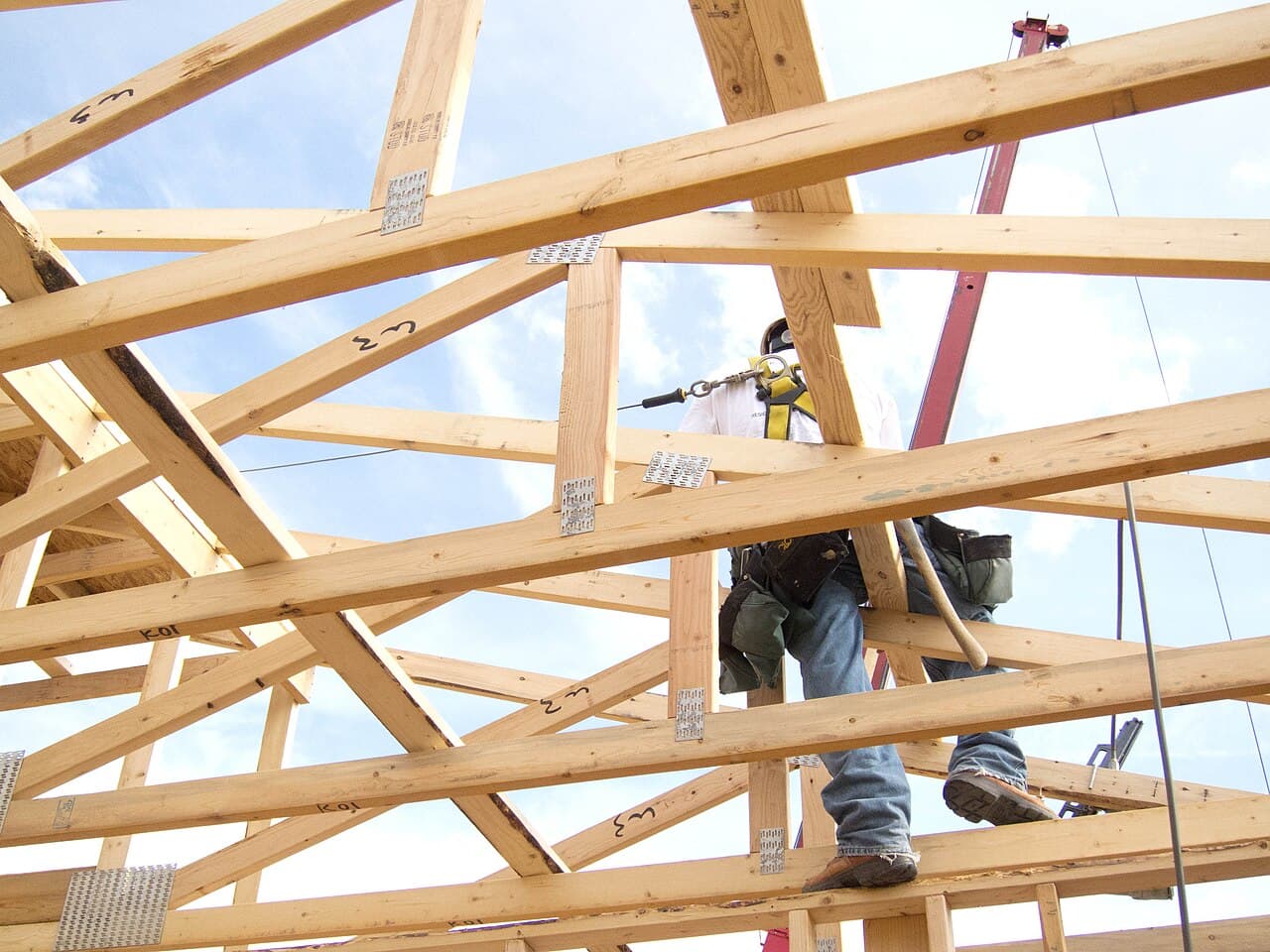
Handles the permits and inspections. The contractor should apply for and obtain any necessary building permits, and the contract should say so.[1] A permit application may be made by the owner, or by the contractor or subcontractor associated with the work.[5] DPOR warns that anyone who tries to talk you into getting your own building permit is not doing you any favors, because the permit holder becomes the general contractor and assumes responsibility for the overall job, which may include taxes, workers' compensation and other legal liabilities.[1] The Board's regulations also make it a prohibited act for a contractor to fail to comply with the notification requirements of the Virginia Underground Utility Damage Prevention Act, known as Miss Utility, so the contractor is the one who calls before digging.[4]
Puts the deal in writing. Virginia law requires licensed contractors to provide a written contract for residential work.[1] The Board's regulations set the minimum contents, which include when work begins and the estimated completion date, the total cost, the amounts and schedule of progress payments including the down payment, and a list of the materials and work to be performed,[4] plus a statement that the contractor will comply with all local requirements for building permits, inspections and zoning.[4] A change to the plan is part of the job too: any change to the cost, materials, work to be performed or estimated completion date must be in writing and signed by all parties.[4] A contractor must keep a complete copy of the contract documents, including change orders, for five years from the date of the contract.[4]
Manages the money, the site and the cleanup. Ordering and paying suppliers, paying subcontractors, protecting the rest of your house from dust and keeping the site safe all sit with the contractor. Ask for lien releases from subcontractors and suppliers as the job progresses, and keep them in your job file.
When you need one and when you do not
For a single trade, hire a contractor licensed in that specialty. When the work crosses trades, the DPOR hiring guide gives an example: if a kitchen remodel involves plumbing, electrical and carpentry work under one contract, DPOR's hiring guide says a licensed general building contractor should be hired.[1]
Licence class follows the size of the work. For a single contract or project, Class C covers over $1,000 but less than $30,000, Class B $30,000 or more but less than $150,000, and Class A $150,000 or more.[2] Each class also has a limit on the total value a contractor takes on in any 12-month period, so ask which class your contractor holds.[2] If the work is valued at $1,000 or more, DPOR says a valid Virginia contractor's license is required.[1]
What to ask before you sign
- Is the licence active, and does its class and specialty cover my job? Check the licence with DPOR yourself.
- Who will do the electrical, plumbing and HVAC work, and are those firms licensed?
- Who pulls the permits, and will my copy of each permit arrive before work starts?
- How do payments tie to finished work? See how much deposit a contractor can ask for.
- Who is on site day to day, and how will changes be priced and approved?
For what the price covers, read how much a general contractor charges in Virginia. For scheduling on a bigger job, see how long a whole-house renovation takes.
When to call a licensed pro
For all of it. Work that combines trades belongs with a general building contractor licensed by the Virginia Board for Contractors,[1] and the licensed contractor, not you, should apply for and obtain the building permits.[1] Structural changes and additions in particular should go to a licensed contractor. Do not take on the general contractor role yourself unless you are very experienced in construction; the permit holder carries that responsibility, as DPOR warns above.
Loclis lists DPOR-licensed businesses with their licence number and class. Browse remodeling services or read more remodeling answers.
To get quotes on your own project, describe the job once and licensed local contractors respond.
Common questions
- Do I need a general contractor, or can I hire each trade myself?
- For one trade, such as a new water heater or a roof, hire a contractor licensed in that specialty. When a project mixes trades, DPOR's hiring guide says a licensed general building contractor should be hired. Coordinating several firms yourself makes you the one responsible for the schedule and the paperwork between them.
- Does a general contractor do the plumbing and electrical work too?
- Only through a properly licensed subcontractor or with the right specialty licence. Virginia's residential building classification does not provide for electrical, plumbing, HVAC or gas fitting services, so those parts go to licensed trades.
- Who pulls the building permit?
- The contractor should, in the contractor's name, and the contract should say so. DPOR warns against taking out the permit yourself, because the permit holder becomes the general contractor with the legal responsibilities that carries.
- Does a general contractor have to give me a written contract?
- Yes for residential work. Virginia law requires licensed contractors to provide one, and the Board for Contractors' regulations set minimum contents, including the price, start and completion dates, progress payments and how changes are handled.
- How do I check that the contractor is licensed?
- Look the firm up with DPOR before you pay a deposit, and confirm the class and specialty match your job. Our guide to checking a contractor's licence walks through it.
Sources
- [1] What You Should Know Before You Hire a Contractor, Virginia Board for Contractors, DPOR. Checked October 27, 2026.
- [2] Va. Code § 54.1-1100, Definitions, Code of Virginia, Virginia General Assembly. Checked October 27, 2026.
- [3] 18VAC50-22-20, Definitions of license classifications, Virginia Administrative Code, Board for Contractors. Checked October 27, 2026.
- [4] 18VAC50-22-260, Filing of charges; prohibited acts, Virginia Administrative Code, Board for Contractors. Checked October 26, 2026.
- [5] 13VAC5-63-80, Section 108 Application for permit (Virginia Uniform Statewide Building Code), Virginia Administrative Code, Virginia General Assembly. Checked October 27, 2026.
Want a pro to handle it?
Describe the job once. Licensed local businesses send quotes, and you pay only when you book one.
Get a quote from a local pro