What does installing a new HVAC system involve?
A new HVAC system is a design job before it is an installation. A licensed contractor measures your house and calculates the heating and cooling load, picks matched equipment, checks and seals the ducts, pulls any permit your locality requires, installs the equipment, then sets the refrigerant charge and airflow to the manufacturer's specifications and has the work inspected.
Free to ask. Local shops send quotes, and you pay only when you book one.
By Kasra Taheri, Founder, LoclisUpdated
Researched and drafted with AI, then checked claim by claim against the sources listed below before it was published. Prices and rules change; the dates beside each source say when it was last checked.
This is a job for a licensed pro in Virginia
This page explains what the work involves, the permits, what a licensed pro does and what drives the cost. It does not give step-by-step instructions, because this work needs a licence, a permit or both, and doing it wrong can injure someone. Before you hire, check the licence on Virginia's DPOR record.
Installing a new heating and cooling system is a design job first and an installation second. A licensed contractor works out how much heating and cooling your house needs, chooses equipment to match, checks the ducts, gets the permit your locality requires, installs the system, then measures and adjusts it so it runs the way the manufacturer intended. The part you see on installation day is the shortest part. The decisions before it set how comfortable and efficient the house will be for the next decade or more.
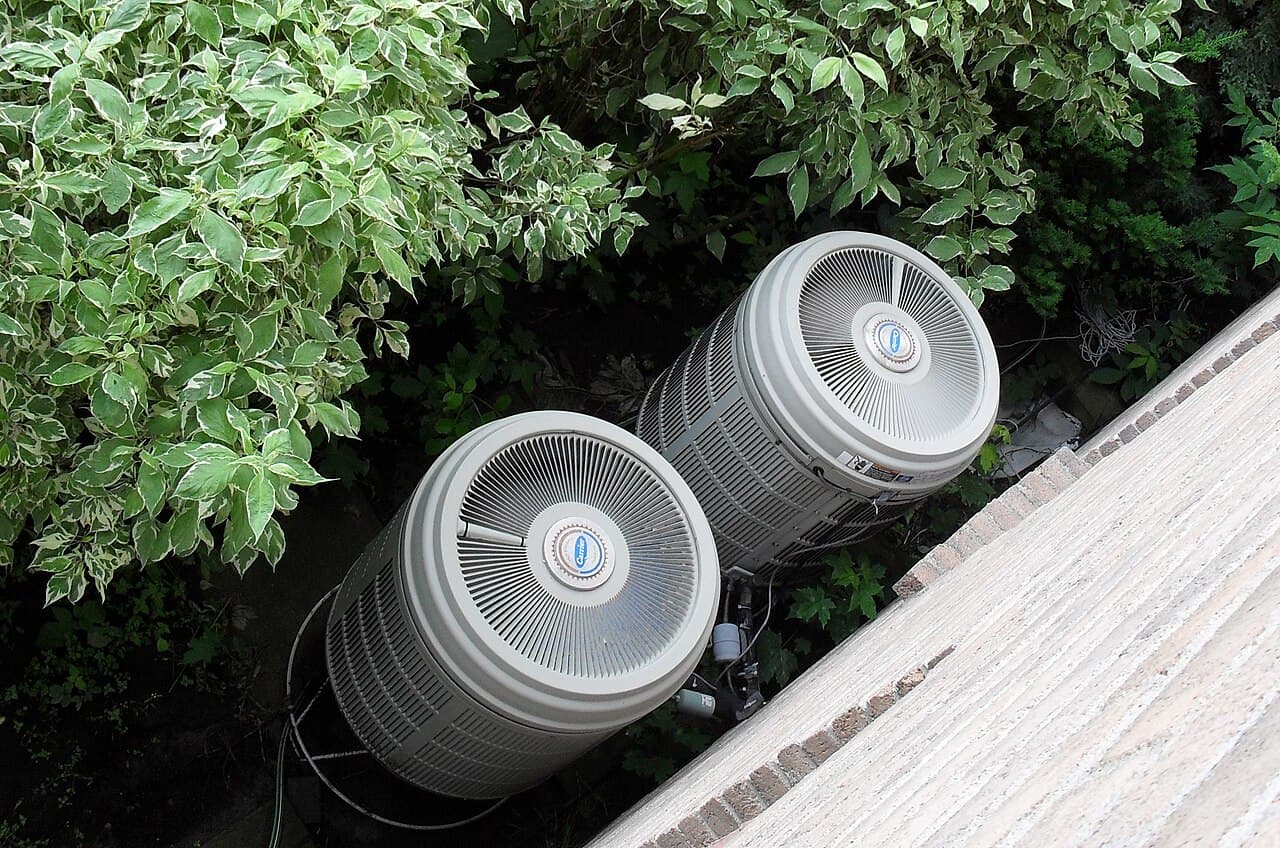
The home evaluation and load calculation
Virginia Cooperative Extension frames a good installation around a few goals: sizing the system for the specific cooling load of your home, designing ductwork that delivers the right amount of air to each room, and sealing and insulating the ducts.[1] All of them start with a visit where the contractor measures the house rather than glancing at the old unit's label.
The load calculation is the heart of it. ENERGY STAR says the contractor should verify the size with "Manual J", a calculation of how much heating and cooling the house needs.[3] The inputs include the exact orientation of the house, its conditioned floor area and the type of construction of each component of the building envelope, plus the heat given off by the lights, people and equipment inside.[1] Extension's advice is blunt: "Don't use a contractor who wants to size your unit solely on the square footage of your house."[1]
Bigger is not safer. Oversized equipment may cycle on and off too often, which ENERGY STAR says results in less comfort and a shortened lifespan.[2] In Virginia's humid summers it also matters for moisture: an oversized air conditioner cools the house before it has removed much moisture, leaving it cool and clammy.[1]
Choosing the equipment
A house with ducts usually ends up choosing between a central air conditioner with a furnace, a heat pump, or a mix of the two. A heat pump can replace a central air conditioner and heat the house through the same ductwork, and in most climates it can go in as a drop-in replacement when either a central air conditioner or a furnace is due.[3] If your furnace is fairly new, adding a heat pump to it creates a dual-fuel system[3] that heats with whichever source makes more sense on a given day. For colder parts of the state, ENERGY STAR's cold-climate certification tests heat pumps down to 5°F.[3]
When the outdoor unit is replaced, Extension recommends that you replace both the indoor and outdoor coils as a matched system[1] rather than pairing a new outdoor unit with an old indoor coil. Ask the contractor to name both model numbers in the quote.
Refrigerant is also changing. In May 2026 EPA removed the January 1, 2026 installation deadline for residential systems built or imported before January 1, 2025 that use higher-impact refrigerants, so that older stock can be installed until supply runs out.[8] Ask which refrigerant the quoted equipment uses, since that affects what future service involves.
The ducts
New equipment pushes air through the old ducts, so they get checked too. In a typical house about 20 to 30 percent of the air moving through the ducts is lost to leaks, holes and poor connections.[4] ENERGY STAR suggests asking the contractor to inspect the duct system, run a leakage test and make the repairs it shows are needed.[2] Where ducts run through an attic or crawlspace, sealing and insulation often make as much difference to comfort as the new equipment.
Where a house is getting ductwork for the first time, some localities write the design into the permit. Spotsylvania County's mechanical permit packet requires an HVAC system design worksheet, covering loads, equipment and ducts and completed by the mechanical contractor, when new ductwork is installed: a unit that never existed on the home, or an all-new system after fire damage.[7]
The permit and inspections
Virginia's building code requires a permit before work starts on mechanical systems and on any equipment the code regulates.[5] Among the code's exemptions is replacing mechanical appliances that are not fueled by gas or oil in single-family homes.[5] Your local building department is the one to ask how that applies to your job. Pittsylvania County's mechanical permit page, for example, says a permit is needed for the first-time installation of any mechanical appliance, for replacing any gas or oil-fueled appliance, and for adding, relocating or removing ductwork or an air-conditioning system, while replacing equipment of the same type, size and location does not need one.[6] Ask your building department, or have the contractor confirm, before work starts. The details are in do you need a permit to replace an HVAC system in Virginia.
Pittsylvania County says most mechanical jobs get two inspections: one at rough-in, after the ductwork and piping are in but before insulation and wallboard, and one when the equipment is installed and running.[6]
Installation day
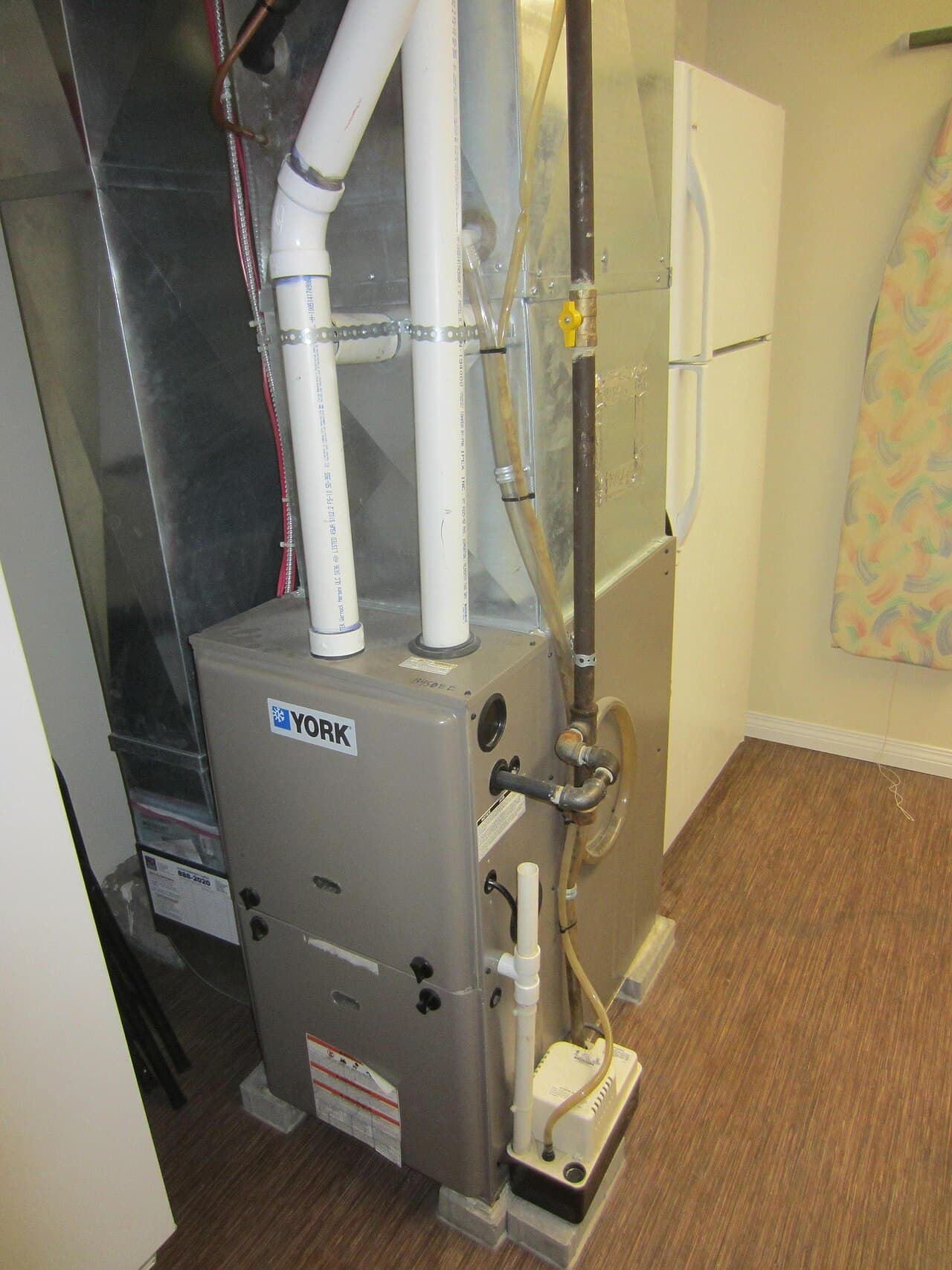
On a replacement, the crew recovers the refrigerant from the old system, takes the old equipment out, and sets the new outdoor unit and the indoor furnace or air handler with its coil. The work between them includes the refrigerant lines, the high-voltage and thermostat wiring, a condensate drain for the water the coil pulls out of the air, and, for a gas furnace, the gas connection and the vent pipes. The licences and certification this work calls for are covered in the section on when to call a licensed pro, below.
Start-up and commissioning
A system that runs is not necessarily a system that is set up right. ENERGY STAR asks you to make sure the contractor tests and adjusts the refrigerant charge, because the right charge reduces energy use and the risk of system failure,[2] and to confirm that the new system's airflow meets the manufacturer's performance specifications.[2] Ask for those readings in writing at the end of the job.
Placement of the outdoor unit matters too. Extension's guidance is to follow the manufacturer's clearance distances so nothing blocks airflow, and keep a clothes dryer vent at least 10 feet away, because lint clings to the coil and lowers its efficiency and service life.[1]
When to call a licensed pro
From the first visit. Under Virginia law, an individual who does heating, ventilation and air conditioning work for the general public for compensation is a tradesman,[10] and must be licensed, or work under the supervision of a tradesman licensed in that specialty.[9] EPA requires Section 608 technician certification for any activity that could reasonably be expected to violate the integrity of the refrigerant circuit, such as attaching hoses and gauges, adding or removing refrigerant, or cutting a refrigerant line.[11] Check the licence before you sign.
Get a written contract. For residential work, the Board for Contractors expects it to include the contractor's licence number and class, the start and estimated completion dates, the total cost and payment schedule, the materials and work you asked for, and a statement that the contractor will comply with local permit, inspection and zoning requirements.[12] Failing to get a permit or inspection where one is required is a prohibited act for a Virginia contractor.[12]
For what the job costs, see how much a new HVAC system costs in Virginia. Browse heating and cooling services, find HVAC businesses in Blacksburg, or read more heating and cooling answers.
When you are ready, describe the job once and licensed local HVAC businesses quote it.
Common questions
- How does a contractor decide what size system I need?
- With a load calculation, usually ACCA Manual J, based on your house's orientation, conditioned floor area, the type of construction of each part of its outer shell, and the heat from the lights, people and equipment inside. Virginia Cooperative Extension advises against any contractor who sizes a unit from square footage alone.
- Should I replace the indoor unit when I replace the outdoor unit?
- Usually, yes. Virginia Cooperative Extension recommends replacing both the indoor and outdoor coils as a matched system for efficiency and reliability. Ask the contractor to list both model numbers in the quote.
- Will my old ductwork work with a new system?
- Often, but it should be checked. ENERGY STAR estimates that a typical house loses 20 to 30 percent of the air moving through its ducts to leaks and poor connections, and recommends a leakage test and repairs as part of a quality installation.
- Do I need a permit for a new HVAC system in Virginia?
- It depends on the job. The statewide code requires a permit for work on mechanical systems, and its exemptions include replacing appliances not fueled by gas or oil in single-family homes. Pittsylvania County's permit page, for one, says a replacement of the same type, size and location needs no permit, while replacing gas or oil-fueled equipment does. Have the contractor confirm with your building department before work starts.
- Can I install a new HVAC system myself?
- Not the refrigerant side. EPA requires Section 608 certification for any activity that could reasonably be expected to break into the refrigerant circuit, such as adding or removing refrigerant or cutting a refrigerant line, and refrigerant for these systems is sold only to certified technicians or the companies that employ them. Hire a Virginia-licensed HVAC business for the whole job.
Sources
- [1] ENERGY SERIES: What about the Air Conditioning System? (2901-9001, BSE-289NP), Virginia Cooperative Extension, Virginia Tech. Checked October 26, 2026.
- [2] HVAC Quality Installation, ENERGY STAR, U.S. Environmental Protection Agency. Checked October 26, 2026.
- [3] Air-Source Heat Pumps, ENERGY STAR, U.S. Environmental Protection Agency. Checked October 26, 2026.
- [4] Duct Sealing, ENERGY STAR, U.S. Environmental Protection Agency. Checked October 26, 2026.
- [5] 13VAC5-63-80, Virginia Uniform Statewide Building Code, Section 108 Application for permit, Virginia Administrative Code, Legislative Information System. Checked October 26, 2026.
- [6] Mechanical Permits, Pittsylvania County Building Inspections. Checked October 26, 2026.
- [7] Residential Permit Application, Mechanical HVAC Only, Spotsylvania County Community Development. Checked October 26, 2026.
- [8] Fact Sheet: Final Rule, Reconsideration of Certain Technology Transitions Requirements (May 2026), U.S. Environmental Protection Agency. Checked October 26, 2026.
- [9] Va. Code § 54.1-1129, Necessity for licensure, Code of Virginia, Virginia General Assembly. Checked October 26, 2026.
- [10] Va. Code § 54.1-1128, Definitions, Code of Virginia, Virginia General Assembly. Checked October 27, 2026.
- [11] Homeowners and Consumers: Frequently Asked Questions, U.S. Environmental Protection Agency. Checked October 26, 2026.
- [12] 18VAC50-22-260, Filing of charges; prohibited acts, Virginia Administrative Code, Board for Contractors. Checked October 26, 2026.
Want a pro to handle it?
Describe the job once. Licensed local businesses send quotes, and you pay only when you book one.
Get a quote for HVAC Repair