How long does an HVAC system last?
Manufacturers' own estimates put central air conditioners at roughly 10 to 20 years, air-source heat pumps at about 10 to 15 and standard furnaces at about 15 to 20. Installation quality, correct sizing, yearly maintenance, clean filters and how hard the climate works the system decide where yours lands. ENERGY STAR suggests considering replacement after 10 years for a heat pump or air conditioner and 15 for a furnace.
Free to ask. Local shops send quotes, and you pay only when you book one.
By Kasra Taheri, Founder, LoclisUpdated
Researched and drafted with AI, then checked claim by claim against the sources listed below before it was published. Prices and rules change; the dates beside each source say when it was last checked.
This is a job for a licensed pro in Virginia
This page explains what the work involves, the permits, what a licensed pro does and what drives the cost. It does not give step-by-step instructions, because this work needs a licence, a permit or both, and doing it wrong can injure someone. Before you hire, check the licence on Virginia's DPOR record.
Most heating and cooling equipment lasts somewhere between 10 and 20 years, with gas furnaces usually outlasting air conditioners and heat pumps. There is no single number, and the manufacturers themselves do not agree on one. What they do agree on is that how the system was installed, how it is maintained and how hard it works each year decide whether yours reaches the short or the long end of the range.
What the manufacturers say
Estimates from three major brands:
- Trane says an air conditioner or heat pump has a service life expectancy of 10 to 12 years and a furnace 15 to 20 years.[1]
- Lennox puts air-source heat pumps at 10 to 15 years, central air conditioners at 12 to 15 and standard furnaces at 15 to 20.[2] Lennox puts electric furnaces at 20 to 30 years and boilers at 15 to 30.[3]
- Carrier's current residential guidance gives furnaces and air conditioners 15 to 20 years and heat pumps 10 to 15.[4]
Lennox adds that ground-source heat pumps can sometimes last 20 to 25 years, because they work with steadier underground temperatures.[2]
Heat pumps tend to sit at the shorter end for a simple reason. In Carrier's words, heat pumps run year-round to provide both heating and cooling, resulting in more operational wear than a furnace that only runs during colder months.[4] If a heat pump both heats and cools your house, plan for the shorter end of the range.
When age starts to matter
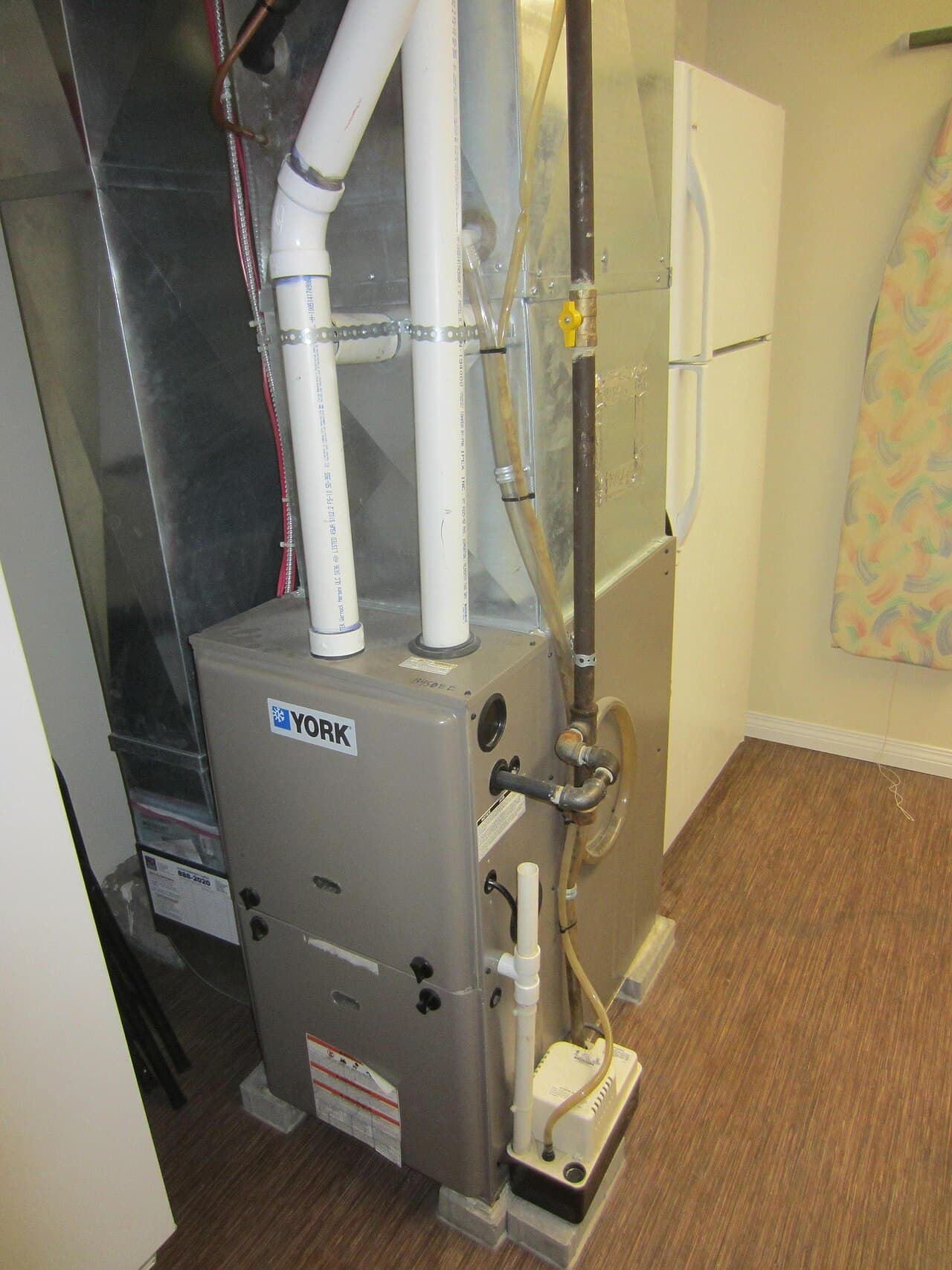
Age alone is not a reason to replace a working system, but it is a reason to start planning. ENERGY STAR suggests considering replacement when a heat pump or air conditioner is more than 10 years old or a furnace or boiler is more than 15.[5] Its other signs are equipment that needs frequent repairs while energy bills climb, and rooms that are too hot or too cold.[5] Replacing on your own schedule leaves time to compare quotes, instead of taking whatever is in stock during a breakdown.
What shortens a system's life
Installation and sizing. The clock starts on installation day. ENERGY STAR puts it directly: "Oversized equipment may cycle too frequently, resulting in less comfort and a shortened lifespan."[6] It adds that poor airflow can also shorten equipment life.[6] Lennox makes the same point about furnaces from the other side: a larger-than-needed one runs short cycles, while a smaller-than-necessary furnace runs long cycles as it struggles to reach the setting, and both add wear.[3] This is why a load calculation matters when you buy, as covered in what installing a new HVAC system involves.
Skipped maintenance. ENERGY STAR's checklist explains what a yearly visit protects. Dirty coils make the system run longer, raising energy costs and reducing the life of the equipment,[7] and too much or too little refrigerant has the same effect.[7] Faulty electrical connections can cause unsafe operation and reduce the life of major components.[7]
Neglected filters. ENERGY STAR recommends inspecting, cleaning or changing the filter once a month, since a dirty filter can damage the equipment and lead to early failure.[7] See how often to change a furnace filter.
The outdoor unit's surroundings. Virginia Cooperative Extension adds a detail many people miss: do not vent a clothes dryer within 10 feet of the outdoor unit, because lint clings to the coil and lowers both its efficiency and service life.[8] Keeping leaves, grass clippings and shrubs clear of the coil helps for the same reason.
Keeping a system going longer
The habits that help most are simple and cheap:
- A licensed contractor's check-up every year. ENERGY STAR recommends a contractor check-up every year before each season: the cooling system in spring and the heating system in fall.[7] For what to expect, see how often an air conditioner should be serviced and what an HVAC tune-up costs in Virginia.
- A clean filter, inspected, cleaned or changed once a month as ENERGY STAR recommends.[7]
- A clear outdoor unit, with plants trimmed back and nothing stored against it.
- Fixing small problems early, such as a refrigerant leak, rather than living with them.
Older refrigerant and the repair-or-replace decision
Some air conditioners still in use run on HCFC-22, often called R-22, a refrigerant the United States is phasing out, and a new central AC unit that uses it can no longer be bought.[9] EPA does not require homeowners to replace existing R-22 equipment,[9] but no new R-22 has been made or imported into the United States since January 1, 2020,[9] though EPA says used R-22 that is cleaned up to the same specifications as new refrigerant will continue to be available.[9] If it leaks, EPA's advice is to ask the technician to find and repair leaks rather than "topping off" the system.[9]
For the repair-or-replace call, two rules of thumb are common. Carrier suggests weighing replacement when a repair approaches 50% of the value of a new system.[4] Trane describes a "$5,000 rule"[1]: multiply the equipment's age by the repair estimate, and if the result is over $5,000 a new system probably makes more financial sense. Its example is a 10-year-old system needing a $600 repair, which comes to $6,000.[1] Check your warranty first: Trane notes that warranties from most manufacturers run from five to 10 or 20 years depending on the unit, whether it was registered and whether you are the original owner or it transferred with the sale of the home.[1] When replacement does make sense, how much a new HVAC system costs in Virginia explains the price.
When to call a licensed pro
For the yearly check-up and anything beyond the filter. Under Virginia law, an individual who does heating, ventilation and air conditioning work for the general public for compensation is a tradesman,[10] and must be licensed, or work under the supervision of a tradesman licensed in that specialty.[11] Call sooner when the system needs repairs more than once a season, bills rise without explanation, rooms stop heating or cooling evenly, or you notice what Carrier calls grinding sounds or persistent odors.[4]
Browse heating and cooling services, find HVAC businesses in Blacksburg, or read more heating and cooling answers.
If your system needs a check or a repair, describe the job once and licensed local HVAC businesses quote it.
Common questions
- How long does a heat pump last compared with a furnace?
- Usually less. Manufacturers give air-source heat pumps roughly 10 to 15 years and standard furnaces 15 to 20. Carrier puts that down to a heat pump running year-round for both heating and cooling, while a furnace only runs in the colder months.
- My system is 15 years old and still works. Should I replace it?
- Not just because of age. ENERGY STAR suggests considering replacement past 10 years for an air conditioner or heat pump and 15 for a furnace, especially with frequent repairs and rising bills. A working system can be kept, but get it checked and plan the replacement before it fails in a heat wave or a freeze.
- Does yearly maintenance really make a system last longer?
- It addresses the things ENERGY STAR says can shorten equipment life: dirty coils, the wrong refrigerant charge, faulty electrical connections and poor airflow. ENERGY STAR recommends a contractor check-up every spring for cooling and every fall for heating.
- My air conditioner uses R-22. Do I have to replace it?
- No. EPA does not require homeowners to replace existing R-22 equipment. No new R-22 has been made or imported since January 1, 2020, but EPA says used R-22 cleaned up to the same specifications as new refrigerant will continue to be available. If the system leaks, ask for the leak to be found and repaired rather than topped off, and weigh that repair against replacement.
- Repair or replace: how do I decide?
- Compare the repair to the price of a new system and the system's age. Carrier suggests weighing replacement when a repair approaches half the value of a new system; Trane's rule of thumb multiplies the unit's age by the repair cost and leans toward replacing when the result is over $5,000. Check what the warranty still covers first.
Sources
- [1] 6 Warning Signs That It's Time to Replace Your HVAC, Trane Residential. Checked October 26, 2026.
- [2] How Long Do Heat Pumps Last?, Lennox. Checked October 26, 2026.
- [3] How Long Does a Furnace Last?, Lennox. Checked October 26, 2026.
- [4] How Long Do HVAC Systems Last?, Carrier. Checked October 26, 2026.
- [5] When is it time to replace?, ENERGY STAR, U.S. Environmental Protection Agency. Checked October 26, 2026.
- [6] HVAC Quality Installation, ENERGY STAR, U.S. Environmental Protection Agency. Checked October 26, 2026.
- [7] Maintenance Checklist, ENERGY STAR, U.S. Environmental Protection Agency. Checked October 26, 2026.
- [8] ENERGY SERIES: What about the Air Conditioning System? (2901-9001, BSE-289NP), Virginia Cooperative Extension, Virginia Tech. Checked October 26, 2026.
- [9] Homeowners and Consumers: Frequently Asked Questions, U.S. Environmental Protection Agency. Checked October 26, 2026.
- [10] Va. Code § 54.1-1128, Definitions, Code of Virginia, Virginia General Assembly. Checked October 27, 2026.
- [11] Va. Code § 54.1-1129, Necessity for licensure, Code of Virginia, Virginia General Assembly. Checked October 26, 2026.
Want a pro to handle it?
Describe the job once. Licensed local businesses send quotes, and you pay only when you book one.
Get a quote for HVAC Repair