What does wiring a hot tub involve?
A 240-volt hot tub is hard-wired to its own GFCI-protected circuit run from your panel, sized from the tub's manual and usually brought to the tub through buried conduit. In Virginia it is electrical wiring that needs a permit and inspections, and anyone you pay to do it must be a licensed electrician. A 120-volt plug-in spa still needs a dedicated GFCI circuit.
Free to ask. Local shops send quotes, and you pay only when you book one.
By Kasra Taheri, Founder, LoclisPublished
Researched and drafted with AI, then checked claim by claim against the sources listed below before it was published. Prices and rules change; the dates beside each source say when it was last checked.
This is a job for a licensed pro in Virginia
This page explains what the work involves, the permits, what a licensed pro does and what drives the cost. It does not give step-by-step instructions, because this work needs a licence, a permit or both, and doing it wrong can injure someone. Before you hire, check the licence on Virginia's DPOR record.
Wiring a hot tub means giving it its own circuit from your electrical panel, with ground-fault (GFCI) protection, cable sized to the tub and the distance, and a safe route to the tub, usually through buried conduit. For a 240-volt tub, a 240-volt spa must be permanently connected (hard-wired) to the power supply, on a dedicated GFCI-protected circuit with no other appliances or lights sharing it.[1] In Virginia it is permitted, inspected work, and anyone you pay to do it needs an electrician's licence.
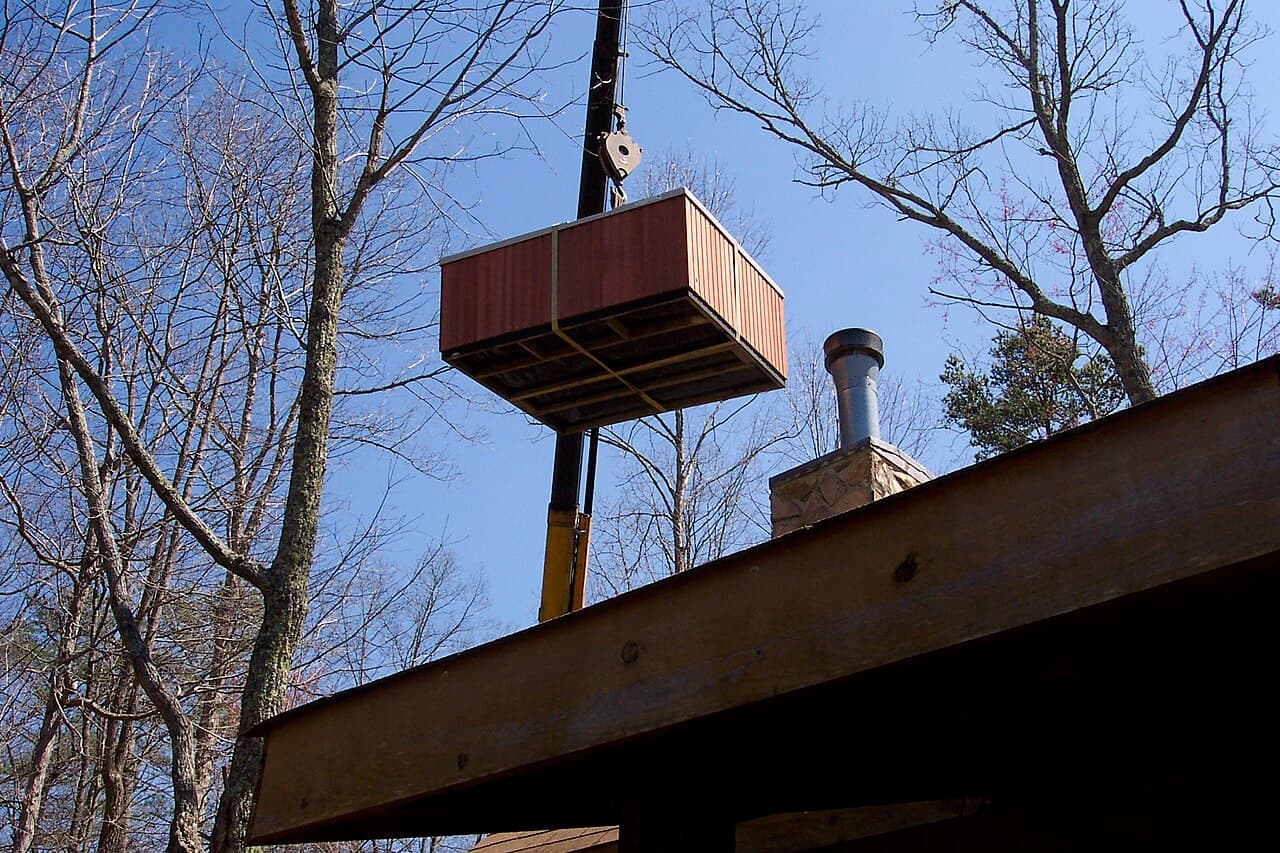
This page explains what the job involves so you can plan the site, ask the right questions and read a quote. The wiring itself is a job for a licensed electrician.
The circuit your tub needs
The tub's own manual or spec sheet sets the numbers, and your electrician sizes the circuit from it. Get it from the dealer before anyone quotes.
240-volt tubs. As an example of what a manual specifies, Cal Spas lists a 40-amp GFCI for a single-pump system, a 50-amp GFCI for a dual-pump system and a 60-amp GFCI for three or more pumps, each with four #6 AWG copper wires.[1] It calls for copper wire with THHN insulation only, never aluminum, and says a run of more than 100 feet goes up a wire size, so a circuit that would use #6 wire uses #4 instead.[1] Bigger wire over a longer run is one reason two quotes for the same tub can differ.
120-volt plug-in spas. These still need their own circuit. Cal Spas calls for a dedicated 15-amp circuit, a cord no longer than 15 feet, no extension cords, and a weatherproof-covered receptacle.[2] That receptacle sits not less than 5 feet and not more than 10 feet from the inside wall of the spa.[2] If there is no outlet in that zone, adding one is new wiring.
The GFCI. Ground-fault protection is the part that protects people in the water. On a hard-wired tub it is usually a GFCI breaker in its own box near the tub; Cal Spas says 220V spas are hard-wired to an electrical service with its own GFCI breaker.[3] Our answer on testing your hot tub's GFCI covers the monthly check that keeps it honest.
What the electrician does on site
Checks the panel. A new 40- to 60-amp circuit needs space and spare capacity in your panel. An older or full panel may need work first, which changes the scope and the price.
Plans the route. Cable laid across the top of a pad looks untidy and becomes a trip hazard. Cal Spas notes that most spa owners prefer to bury the conduit before the concrete slab is poured, so the cable comes up through the slab at a stub-up point inside the spa cabinet.[1] That is why the electrician and whoever pours the pad should talk before the concrete truck arrives.
Digs safely. Burying conduit is excavation, and in Virginia no one may begin an excavation without first submitting a locate request to the notification center.[7] A licensed electrician builds that wait into the schedule.
Bonds metal and keeps clearances. Cal Spas says to keep the spa at least 5 feet from metal surfaces, or bond each metal surface within 5 feet to the spa's control box with solid copper conductor of at least 8 AWG.[2] It also wants no outside electrical appliances such as lights, radios or televisions within 5 feet of the spa,[2] and the tub placed not within 10 feet of overhead power lines.[1] Those rules decide where the tub can go, so settle them before you choose the spot.
Permits and inspections
Under Virginia's Uniform Statewide Building Code, a permit is required before work on electric wiring begins.[4] The code also lists inspection of electrical materials, equipment and systems prior to concealment,[5] so the trench stays open, or the slab unpoured, until the inspector has seen the conduit. Roanoke County lists electrical, pool bonding and final electrical inspections among the typical inspections for a pool or hot tub.[6] Your own county or city may list them differently; its building department will tell you. Our answer on hot tub permits in Virginia covers who pulls the permit and what it costs.
Who can do the wiring
Virginia law defines a tradesman as anyone who does electrical, plumbing or HVAC work for the general public for compensation,[8] and no individual may do that work, or offer to, without a tradesman licence.[10] The manufacturer agrees with the inspector here: "The electrical circuit must be installed by an electrical contractor and approved by a local building or electrical inspector."[1] Cal Spas also warns that wiring a spa any other way will void the warranty and may result in serious injury or death.[1]
Under § 54.1-1101, an owner working on one primary residence they own, for their own use, is exempt from contractor licensing but must still comply with the Uniform Statewide Building Code,[9] which still means a permit and inspections. Our answer on doing your own electrical work in Virginia explains the limits.
When to call a licensed pro
Call an electrician before the tub is delivered, ideally before you pour or buy a pad, so the circuit, the route and the clearances are settled together. Call one straight away if a tub is already in place on an extension cord or a shared circuit, if the GFCI trips repeatedly, or if you are buying a house with a tub and no permit record for its wiring. Ask for a written quote that names the breaker size, wire size and length, the GFCI and disconnect, the trenching and who pulls the permit, and check the electrician's licence before you sign.
For what the job tends to cost, see what drives the cost of wiring a hot tub. You can also browse electrical services on Loclis, find electricians in Blacksburg, or read more electrical answers.
Describe your hot tub wiring job and licensed local electricians quote it.
Common questions
- Can I plug a hot tub into an ordinary outdoor outlet?
- Only a spa built for 120 volts is plugged in, and even then Cal Spas calls for a dedicated 15-amp GFCI circuit, a cord no longer than 15 feet, no extension cord and a weatherproof receptacle 5 to 10 feet from the tub. A 240-volt tub is hard-wired, never plugged in.
- What size breaker does a hot tub need?
- Whatever the tub's manual specifies for that model. Cal Spas, for example, lists a 40-amp GFCI for a single-pump tub, 50-amp for two pumps and 60-amp for three or more. Give the manual or spec sheet to the electrician before they quote.
- Does the trench for the wire need a utility locate?
- Yes. Under Virginia Code § 56-265.17, no one may begin an excavation without first submitting a locate request to the notification center, and the work starts only once the utility operators have marked their lines or otherwise responded.
- Can I wire my own hot tub in Virginia?
- An owner working on their own primary residence is exempt from contractor licensing but must still follow the building code, which means a permit and inspections. Anyone you pay must be licensed. The manufacturer's own instructions call for an electrical contractor and an inspector's approval.
- Why does the trench have to stay open until the inspection?
- The Uniform Statewide Building Code lists inspection of electrical materials, equipment and systems prior to concealment, so the inspector can see the conduit and bonding before the trench is backfilled or the slab poured.
Sources
- [1] Portable Spa Pre-Delivery Guide (LTR50001024, Rev. E), Cal Spas. Checked October 27, 2026.
- [2] Patio and Patio Plus Owner's Manual 2025, Cal Spas. Checked October 27, 2026.
- [3] Troubleshooting: Breaker, Cal Spas. Checked October 27, 2026.
- [4] 13VAC5-63-80, Virginia Uniform Statewide Building Code, Section 108 Application for permit, Virginia Administrative Code, Legislative Information System. Checked October 27, 2026.
- [5] 13VAC5-63-130, Virginia Uniform Statewide Building Code, Section 113 Inspections, Virginia Administrative Code, Legislative Information System. Checked October 27, 2026.
- [6] Residential: Installing a Swimming Pool or Hot Tub, Roanoke County, Virginia, Building Safety. Checked October 27, 2026.
- [7] Code of Virginia § 56-265.17, Notification required prior to excavation or demolition, Code of Virginia, Legislative Information System. Checked October 27, 2026.
- [8] Code of Virginia § 54.1-1128, Definitions (tradesmen), Code of Virginia, Legislative Information System. Checked October 27, 2026.
- [9] Code of Virginia § 54.1-1101, Exemptions; failure to obtain certificate of occupancy; penalties, Code of Virginia, Legislative Information System. Checked October 27, 2026.
- [10] Code of Virginia § 54.1-1129, Necessity for licensure, Code of Virginia, Legislative Information System. Checked October 27, 2026.
Want a pro to handle it?
Describe the job once. Licensed local businesses send quotes, and you pay only when you book one.
Get a quote for Electrical Repair