Why does my light fixture keep burning out bulbs?
Repeated bulb failure usually points to heat or a poor connection. Check that the bulb's wattage does not exceed the fixture's label; the CPSC warns that a higher-wattage bulb may overheat the fixture, wiring or nearby combustible materials. If matching the wattage does not help, a worn socket, loose connection or unsuitable dimmer is likely, and a licensed electrician should look.
Free to ask. Local shops send quotes, and you pay only when you book one.
By Kasra Taheri, Founder, LoclisPublished
Researched and drafted with AI, then checked claim by claim against the sources listed below before it was published. Prices and rules change; the dates beside each source say when it was last checked.
This is a job for a licensed pro in Virginia
This page explains what the work involves, the permits, what a licensed pro does and what drives the cost. It does not give step-by-step instructions, because this work needs a licence, a permit or both, and doing it wrong can injure someone. Before you hire, check the licence on Virginia's DPOR record.
A light that keeps burning out bulbs is almost always telling you about heat or a poor connection, not about cheap bulbs. The usual causes are a bulb stronger than the fixture is rated for, a worn or loose socket, a loose connection behind the fixture, or a dimmer or switch that does not suit the bulb. The first is yours to check. The rest are electrical work for a licensed electrician.
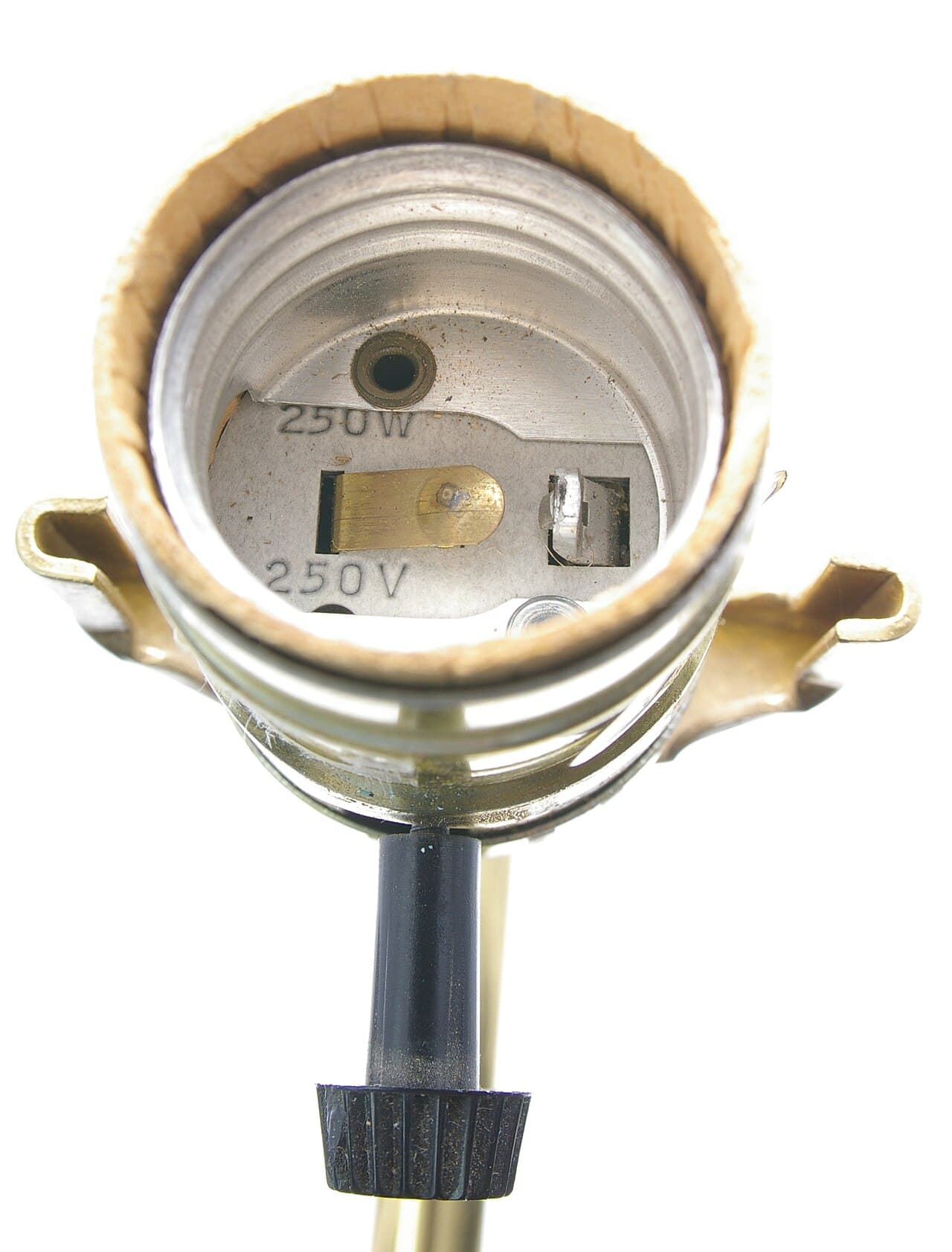
The one check you can do
With the light off and the bulb cool, read the label on the fixture or socket, which gives the highest wattage it is built for, and compare it with the bulb in it. This matters for safety as well as bulb life: a bulb that is a higher wattage than recommended may overheat the light fixture, wiring or nearby combustible materials, leading to a fire.[1] The U.S. Fire Administration gives the same instruction: use lightbulbs that match the recommended wattage on the lamp or fixture.[2]
If the label is missing, the CPSC says that if you aren't sure, use a bulb 60 watts or less.[1] For unmarked ceiling fixtures with miniature bulbs, use 25 watt bulbs.[1] Also keep anything that can burn away from lamps, light fixtures and light bulbs.[2]
If the bulbs still fail after you have matched the wattage, stop swapping bulbs and look at what the pattern says.
What the pattern usually means
One fixture, bulb after bulb. The socket may be worn, with a centre contact that has lost its spring, or the fixture may trap heat. Both shorten bulb life. A pro can tell which by looking at the socket and its sleeve. Our guide to replacing a broken light socket shows what that repair involves.
Bulbs fail quickly and the light flickers first. Flicker is a sign of a loose connection, in the socket, at the fixture or in the switch box. The CPSC notes that a loose screw holding a wire or a worn out switch can lead to electrical arcing, overheating, or a fire.[1] Ready.gov is blunter: immediately shut off, then professionally replace, light switches that are hot to the touch and lights that flicker.[3]
Only lights on a dimmer. A dimmer that does not suit the bulb type can make bulbs buzz, flicker or fail early. Tell the electrician what bulbs you use and what dimmer is on the wall.
Several lights on one circuit. If bulbs fail across a room or on one floor, the cause is probably in the supply to those lights, not in each fixture. That is a job for a diagnosis, not a bulb purchase. See what an electrician looks for when lights flicker.
Older wiring. In an older house, wiring and fixture boxes are more likely to have brittle insulation or worn connections. Mention the age of the house when you call.
When fixture replacement is the better answer
If the fixture is old, rusted, discoloured around the sockets or built for bulbs you can no longer buy, replacing it may cost less than repairing it, and it ends the repeat visits. Ask for both options in a written quote. Costs for a like-for-like swap are in how much an electrician charges to replace a light fixture in Virginia.
When to call a licensed pro
Call one for any fix beyond changing the bulb. Opening a fixture, replacing a socket or tracing a loose connection is electrical work, and this page gives no instructions for it. For paid work in Virginia, the law defines a tradesman as any individual who engages in, or offers to engage in, work for the general public for compensation in the trades of electrical, plumbing and heating, ventilation and air conditioning.[4] It also says no individual shall engage in, or offer to engage in, work as a tradesman as defined in § 54.1-1128 unless he has been licensed.[5] The Board for Contractors warns that if you contract with someone who does not hold a license, the Board for Contractors may not be able to help you resolve a complaint,[6] so check the licence before you book.
Leave the light off and call soon if you notice any of these:
- scorch marks, melted plastic or a burning smell at the fixture
- a bulb that flickers or a socket that buzzes or crackles
- a switch plate or the ceiling around the fixture that feels warm
- a breaker that trips when the light is switched on
- bulbs that fail within days, again and again, after you have matched the wattage
Find help
Browse electrical repair on Loclis or read more electrical repair answers.
Describe your light fixture problem and licensed local electricians quote it.
Common questions
- Can a higher-wattage bulb make a fixture burn out bulbs?
- It can make the fixture run hot, which is a fire risk as well as a bulb-life problem. The CPSC says a bulb that is a higher wattage than recommended may overheat the light fixture, wiring or nearby combustible materials. Match the wattage on the fixture label.
- What wattage should I use if the fixture has no label?
- The CPSC's checklist says that if you are not sure, use a bulb 60 watts or less, and 25 watt bulbs for unmarked ceiling fixtures with miniature bulbs.
- Is it dangerous if my light flickers before the bulb fails?
- It can be. Flicker often points to a loose connection, and the CPSC warns that a loose screw holding a wire or a worn out switch can lead to electrical arcing, overheating, or a fire. Leave the light off and have an electrician look at it.
- Can I fix the socket or wiring myself?
- This page gives no instructions for that. It is electrical work inside the fixture, and in Virginia anyone paid to do it must hold an electrical tradesman licence.
- Should I replace the fixture instead of repairing it?
- If it is old, rusted, scorched or built for bulbs that are hard to find, a new fixture may be the better value. Ask the electrician to quote both in writing.
Sources
- [1] Home Electrical Safety Checklist (Publication 513), U.S. Consumer Product Safety Commission. Checked October 28, 2026.
- [2] Appliance and electrical fire safety, U.S. Fire Administration, FEMA. Checked October 28, 2026.
- [3] Home Fires, Ready.gov, Federal Emergency Management Agency. Checked October 28, 2026.
- [4] Code of Virginia § 54.1-1128, Definitions, Code of Virginia, Legislative Information System. Checked October 28, 2026.
- [5] Code of Virginia § 54.1-1129, Necessity for licensure, Code of Virginia, Legislative Information System. Checked October 28, 2026.
- [6] What You Should Know Before You Hire a Contractor, Virginia Board for Contractors, DPOR. Checked October 28, 2026.
Want a pro to handle it?
Describe the job once. Licensed local businesses send quotes, and you pay only when you book one.
Get a quote for Electrical Repair