Are lawn care treatment programs worth it?
Often yes if you want weeds controlled without buying and applying pesticide yourself, and often no for a healthy lawn that mainly needs fall feeding. Compare any program with Extension's plan of three fall feedings, a spring preventer where crabgrass is a problem, and spot weed sprays, and check the company's pesticide business licence.
Free to ask. Local shops send quotes, and you pay only when you book one.
By Kasra Taheri, Founder, LoclisPublished
Researched and drafted with AI, then checked claim by claim against the sources listed below before it was published. Prices and rules change; the dates beside each source say when it was last checked.
Step by step
Read when to stop and call a pro, further down this page, before you start.
Step 1: List what the lawn needs
Note weeds, bare patches and the grass type; a healthy, dense lawn needs far less than a weedy one.[1]
Step 2: Price the DIY version
Add up fertilizer for three fall feedings, a soil test, and spot weed killer, then compare with quotes.[2]
Step 3: Get two or three written quotes
Ask each company to list every visit, product and price, and to explain the program.[6]
Step 4: Question spring feeding
Ask why any heavy spring nitrogen is included.[1]
Step 6: Start small
Sign up for fall feeding and spot weed control for one season, then decide whether to continue.
It depends on what you want from the lawn and how you feel about applying pesticide. A program is usually worth paying for if you want weeds controlled but do not want to buy, mix and spray products yourself. It is usually not worth paying for if the lawn is healthy, you have a spreader and an afternoon, and the program mostly sells extra spring feedings your grass does not need.
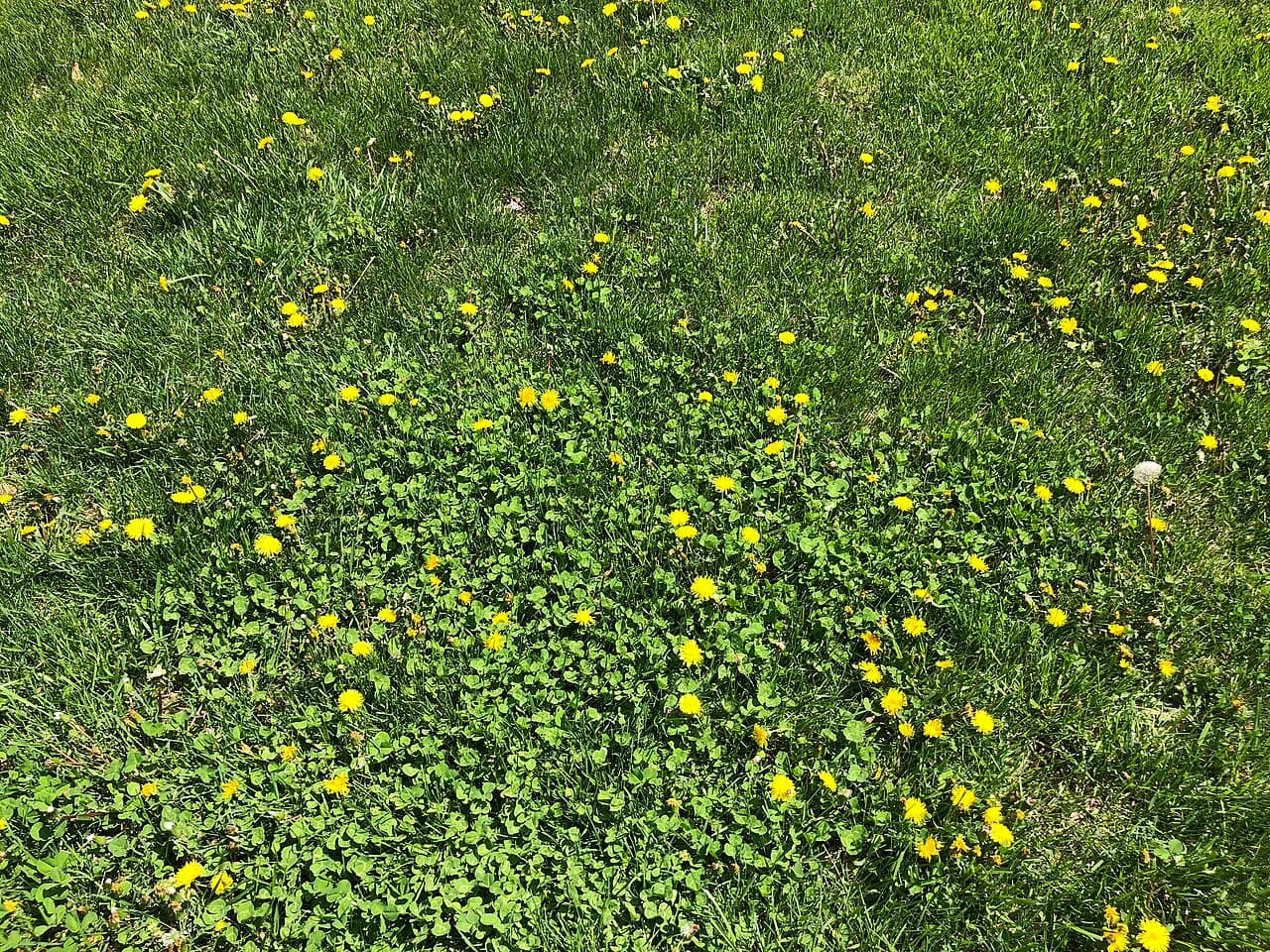
Where a program earns its money
Weed control is where professionals have a real edge. Virginia Tech's Pest Management Guide notes that consumer pesticides have less active ingredient than products available to professionals, and that many products are available only to professionals and work more effectively than consumer products.[1] It also says that if you do not enjoy working in your lawn, hire a professional.[1] Applying pesticides should be attempted only by someone willing to learn basic pest management, because in the wrong hands pesticides are a danger to the environment, people and animals.[1]
Timing is the other reason to hire. Crabgrass preventer goes on in mid-March, before the seed germinates, and broadleaf spot treatments fall in April and May and again in October and November.[2] A company that shows up on schedule saves you from missing those windows.
Where it often is not
Feeding is simple and cheap to do yourself. Henrico County Extension recommends three fall feedings for a cool-season lawn, in September, October and November, about four weeks apart.[2] Virginia Tech's guide says to apply two to three pounds of nitrogen per 1,000 square feet once a year, mostly in the fall, and warns that excessive spring nitrogen applications reduce summer stress tolerance and can increase weed and disease pressure.[1] A program that fertilizes heavily in spring runs against that advice, so ask why.
Other things a program may charge for can be skipped. Returning clippings to the lawn can meet up to one-third of the seasonal nitrogen requirement,[7] and a soil test shows whether you need phosphorus, potassium or lime at all.[7]
How to decide
Ask three questions. Is the lawn healthy and dense already? Then a light program, or just fall feeding, is enough. Do you have recurring weeds you cannot control, such as clover or crabgrass? Then spot treatment, whether yours or a company's, is where the money should go. Do you dislike the work or have a large lawn? Then paying is reasonable. For what quotes should look like, see how much a lawn treatment program costs in Virginia.
What a good program looks like
EPA says a company should inspect your premises and outline a recommended control program, including the pests to be controlled, the active ingredients, the form of the pesticide and application techniques, and nonchemical alternatives available.[6] It suggests getting bids from two or three companies and looking at value more than price.[6] Be wary of a plan that cannot say what each visit is for.
Check credentials before anyone sprays. No one may apply or recommend a pesticide commercially without a pesticide business licence and the employment of a certified commercial applicator.[3] VDACS publishes a list of licensed pesticide businesses.[5] A company that applies fertilizer for profit needs a contractor-applicator permit or must itself be a fertilizer licensee.[4]
Stop and call a pro if
- The program would apply pesticide near a well, stream or storm drain, or you have pets or children who use the lawn all day. Ask the company how it will manage that, using EPA's list of questions above.[6]
- The lawn is mostly weeds. A treatment program will not fix bare soil; a renovation might.
- A company cannot show a pesticide business licence. Do not hire it.[3]
- You have a complaint about an application. The VDACS Office of Pesticide Services takes pesticide complaints at ops.enf@vdacs.virginia.gov or 804-371-6560.[5]
Getting help in Virginia
Related reading: how to get rid of weeds in a lawn without killing the grass and whether a lawn care company needs a licence. Browse all lawn and landscaping answers or the lawn and landscaping directory.
When you are ready, describe the lawn once and local lawn care businesses quote it.
Common questions
- Are lawn care programs worth it for a healthy lawn?
- Often not. A dense, healthy lawn needs mainly fall feeding and occasional spot weed control, which many owners do themselves.
- When is a lawn care program worth paying for?
- When you want weeds controlled but do not want to buy and apply pesticide yourself, when the lawn is large, or when you keep missing application windows.
- Is professional weed killer better than store-bought?
- Virginia Tech says many products are sold only to professionals and work more effectively than consumer ones.
- How do I know if a program is too many visits?
- Compare it with Extension's plan: three fall feedings, a spring preventer where crabgrass is a problem, and spot sprays in spring and fall. Ask what each extra visit is for.
- What should I check before signing a contract?
- The pesticide business licence, the list of products and the price of each visit, and whether a soil test and spot weed control are included.
Sources
- [1] 2026 Pest Management Guide: Home Grounds and Animals, Chapter 5: Lawn (456-018, ENTO-634-E), Virginia Cooperative Extension, Virginia Tech. Checked October 27, 2026.
- [2] SMART Lawns (revised March 2022), Virginia Cooperative Extension, Henrico County Office. Checked October 27, 2026.
- [3] Code of Virginia § 3.2-3924. Annual business license required, Virginia General Assembly (Legislative Information System). Checked October 27, 2026.
- [4] Code of Virginia § 3.2-3608. Contractor-applicator permit, Virginia General Assembly (Legislative Information System). Checked October 27, 2026.
- [5] Pesticides (Office of Pesticide Services), Virginia Department of Agriculture and Consumer Services. Checked October 27, 2026.
- [6] Choosing a Pest Control Company (EPA 735-F-05-010), U.S. Environmental Protection Agency. Checked October 27, 2026.
- [7] Lawn Fertilization in Virginia (430-011), Virginia Cooperative Extension, Virginia Tech. Checked October 27, 2026.
Want a pro to handle it?
Describe the job once. Licensed local businesses send quotes, and you pay only when you book one.
Get a quote from a local pro