Does a mold remediation company need a license in Virginia?
Virginia law bars selling residential mold remediation without a mold remediation certification from a nationally or internationally recognized certifying body and without following EPA's remediation guidance, ANSI/IICRC S520 or an equivalent standard. Separately, DPOR says work valued at $1,000 or more needs a Virginia contractor licence. Ask for the certificate, the licence number and class, and check both.
Free to ask. Local shops send quotes, and you pay only when you book one.
By Kasra Taheri, Founder, LoclisPublished
Researched and drafted with AI, then checked claim by claim against the sources listed below before it was published. Prices and rules change; the dates beside each source say when it was last checked.
This is a job for a licensed pro in Virginia
This page explains what the work involves, the permits, what a licensed pro does and what drives the cost. It does not give step-by-step instructions, because this work needs a licence, a permit or both, and doing it wrong can injure someone. Before you hire, check the licence on Virginia's DPOR record.
Virginia law sets two kinds of requirement for a company that removes mold from a home, and a good company meets both. First, the Code of Virginia's list of prohibited practices covers selling services as a professional mold remediator on a residential dwelling without holding a mold remediation certification from a nationally or internationally recognized certifying body and following a recognized remediation standard.[2] Second, the Board for Contractors requires a contractor licence for work valued at $1,000 or more.[4]
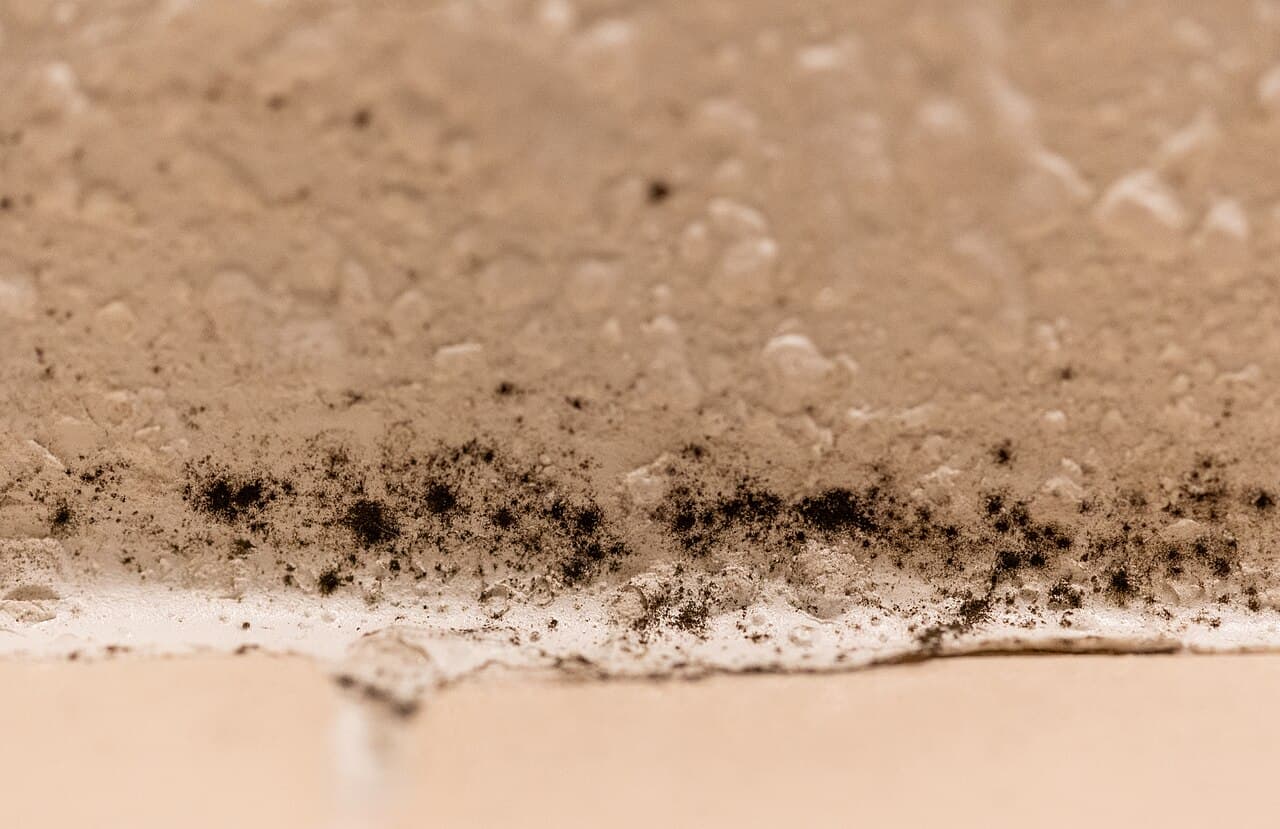
The certification and standards rule
The prohibited practice in the Virginia Consumer Protection Act reads, in summary, as selling or offering for sale services as a professional mold remediator to be performed upon any residential dwelling without holding a mold remediation certification from a nationally or internationally recognized certifying body for mold remediation, and failing to comply with a recognized standard.[2] The standards the law names are:
- the U.S. Environmental Protection Agency's publication on Mold Remediation in Schools and Commercial Buildings, as revised
- the ANSI/IICRC S520 Standard for Professional Mold Remediation, as revised
- any other equivalent ANSI-accredited mold remediation standard[2]
In practice, ask the company which certification its crew holds, who issued it, and which of those standards its work plan follows. Ask for the certificate, not just the logo. A company that cannot name a standard is a poor sign. See what professional mold remediation involves for what following EPA's guidance looks like on site, such as containment, negative pressure and HEPA cleaning.
Contractor licensing
Separately, DPOR says that if the work you are considering is valued at $1,000 or more, a valid Virginia contractor's licence is required for the license category in which the contractor is to work.[4] Virginia's definition of a contractor includes work that is a "remediation, cleanup, or containment of premises to remove contaminants" among its improvements,[3] and the licence class depends on the size of the contract.[3] Class C covers a single contract over $1,000 but less than $30,000, and Class B covers $30,000 or more but less than $150,000.[3] Which specialty a particular mold job falls under is a question for the Board for Contractors, so confirm with them or ask the company to show you what its licence covers.
Hiring a licensed contractor matters for a practical reason. DPOR says that if you contract with someone who does not hold a licence, the Board for Contractors may not be able to help you resolve a complaint.[4] It also says that hiring a licensed contractor makes you eligible to receive monetary compensation from the Contractor Transaction Recovery Fund in case of improper or dishonest conduct.[4] Look up the licence before you pay a deposit.
What to ask before you hire
- Which mold remediation certification does the crew hold, and from whom
- Which standard the written plan follows: EPA's guidance, ANSI/IICRC S520 or an equivalent
- The contractor licence number and class, and whether it covers this work
- References from recent mold jobs, since EPA advises that you make sure a contractor has experience cleaning up mold and check references[1]
- A written scope and price, so you can compare bids; see how much mold remediation costs in Virginia
When to call a licensed pro
EPA says a homeowner can often handle mold covering less than about 10 square feet; for more than that, or after a lot of water damage, it points to its professional remediation guidance, and for sewage or other contaminated water it says to call in an experienced professional.[1] Be wary of a company that offers to skip the certification or the licence to lower the price, since DPOR says an unlicensed contractor may leave the Board unable to help with a complaint.[4]
Browse restoration services or read more restoration answers. To reach businesses that list their licence details, describe the job once.
Common questions
- Is mold remediation certification required in Virginia?
- The Code of Virginia treats selling residential mold remediation services without a mold remediation certification from a nationally or internationally recognized certifying body, and without following a recognized standard, as a prohibited practice.
- Which standards must a Virginia mold remediator follow?
- The law names EPA's Mold Remediation in Schools and Commercial Buildings, the ANSI/IICRC S520 Standard for Professional Mold Remediation, or an equivalent ANSI-accredited standard.
- Does a mold remediator also need a contractor licence?
- DPOR says a Virginia contractor licence is required when the work is valued at $1,000 or more. The definition of a contractor includes remediation, cleanup or containment to remove contaminants, so ask the Board for Contractors or the company which licence covers your job.
- How do I check a contractor licence?
- Use DPOR's licence lookup with the company name or licence number, and confirm the class and that the licence is current. Our guide on checking a contractor licence walks through it.
- What if the company I hired is not licensed?
- DPOR says the Board for Contractors may not be able to help you resolve a complaint against an unlicensed contractor, and DPOR describes the Contractor Transaction Recovery Fund as available when you hire a licensed contractor.
Sources
- [1] A Brief Guide to Mold, Moisture and Your Home, U.S. Environmental Protection Agency. Checked October 27, 2026.
- [2] Code of Virginia § 59.1-200. Prohibited practices, Code of Virginia, Virginia General Assembly. Checked October 27, 2026.
- [3] Va. Code § 54.1-1100, Definitions, Code of Virginia, Virginia General Assembly. Checked October 27, 2026.
- [4] What You Should Know Before You Hire a Contractor, Virginia Board for Contractors, DPOR. Checked October 27, 2026.
Want a pro to handle it?
Describe the job once. Licensed local businesses send quotes, and you pay only when you book one.
Get a quote from a local pro