How much does mold remediation cost in Virginia?
We did not find a dated primary-source price for Virginia, so there is no honest single number. The price is driven mainly by the area of mold, which sets the containment level under EPA's guidance, plus the materials involved, access, air handling, testing, fixing the moisture source and rebuilding. Get written, itemized quotes for the same scope from certified, licensed companies.
Free to ask. Local shops send quotes, and you pay only when you book one.
By Kasra Taheri, Founder, LoclisPublished
Researched and drafted with AI, then checked claim by claim against the sources listed below before it was published. Prices and rules change; the dates beside each source say when it was last checked.
This is a job for a licensed pro in Virginia
This page explains what the work involves, the permits, what a licensed pro does and what drives the cost. It does not give step-by-step instructions, because this work needs a licence, a permit or both, and doing it wrong can injure someone. Before you hire, check the licence on Virginia's DPOR record.
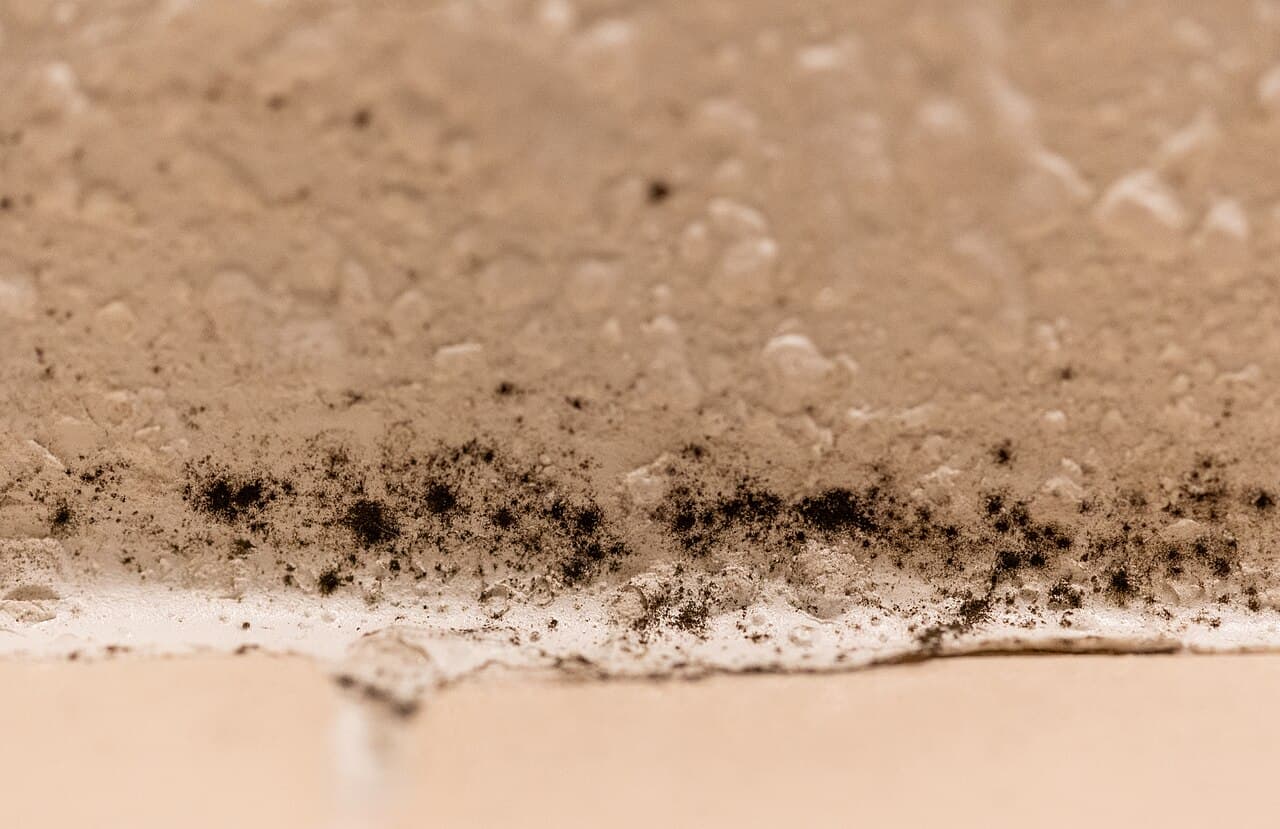
There is no standard price for mold remediation in Virginia, and we did not find a dated, primary-source price list we could stand behind, so this page does not quote dollar figures. What it can do is show what moves a quote up or down, so you can compare bids on the same job. The biggest driver is size: EPA's guidance sorts jobs by the area of mold contamination, and the work, equipment and cost step up with each tier.
What drives the price
How much area is affected. EPA's guidance recommends limited containment for areas of between 10 and 100 square feet of mold contamination, and full containment for areas greater than 100 square feet.[2] Full containment uses double layers of polyethylene and a decontamination chamber or airlock,[2] which takes more material and labor than a single sealed enclosure. EPA also notes that a heavy growth in a small area can release more spores than a light growth in a large one,[2] so a contractor may use a higher containment level than the square footage alone suggests.
What the mold is growing on. Hard surfaces can generally be cleaned by wiping or scrubbing with water or water and detergent, while porous materials that are wet and moldy often have to be discarded.[2] Removing and bagging drywall, insulation or carpet costs more than cleaning framing, and it also creates a rebuild bill.
Where it is. Mold in an open basement corner is a different job from mold behind finished walls, under flooring or around ductwork. EPA says to avoid running the HVAC system if you know or suspect it is contaminated.[2] Access, demolition and the need to protect the rest of the house all show up in the price.
Protective equipment and air handling. Larger jobs call for disposable protective clothing, HEPA-filtered respirators and a HEPA-filtered fan unit to hold the work area under negative pressure.[2] Equipment time is part of the price.
Fixing the moisture source. EPA says you must have completely fixed the water or moisture problem before the cleanup can be considered finished.[1] A roof leak, a plumbing repair or drainage work is usually a separate trade and a separate cost. Without it, you may pay for remediation twice.
Testing. In most cases, if visible mold growth is present, sampling is unnecessary, according to EPA.[1] If you want sampling before or after the work, ask for it as a separate line item and ask who will do it. EPA says sampling should be done by professionals with specific experience in designing sampling protocols and interpreting results.[1]
Rebuilding. Remediation ends when the mold is gone and the area is dry. New drywall, flooring and paint are usually priced separately, or by another contractor.
Getting quotes you can compare
Ask every company to quote the same written scope. It should state the area and rooms covered, the containment level, what will be removed and what will be cleaned, how waste is handled, whether the moisture source is included, what testing is included, and what rebuilding is excluded. See what professional mold remediation involves for what each item means.
Be careful with a quote that is far below the others, or that is a single lump sum with no description. EPA advises that you make sure a contractor has experience cleaning up mold, check references, and ask the contractor to follow EPA's remediation guidance or similar guidelines.[1] Virginia law also says a company selling residential mold remediation must hold a mold remediation certification from a recognized certifying body and follow the EPA guidance, the ANSI/IICRC S520 standard or an equivalent ANSI-accredited standard.[3] Read whether a mold remediation company needs a licence in Virginia before you choose.
A Virginia contractor licence is required if the work you are considering is valued at $1,000 or more,[4] and the DPOR guide says an unlicensed contractor may leave the Board for Contractors unable to help you resolve a complaint.[4] Ask for the licence number and check it.
When to call a licensed pro
EPA says a homeowner can often handle mold covering less than about 10 square feet; for more than that, or after a lot of water damage, it points to its professional remediation guidance.[1] Do not start tearing out walls yourself to save money: disturbing mold without containment spreads it through the house. Insurance may cover some water-related mold, but policies differ, so read yours and ask your agent before work begins.
Browse restoration services or read more restoration answers. To get itemized quotes for your own house, describe the job once and local mold remediation businesses respond.
Common questions
- Why does this page not give a dollar range?
- Prices are only worth quoting from a source that dates them, and we did not find a primary source that does for Virginia mold work. The cost drivers above are what to compare in written quotes.
- Is a small patch of mold cheaper to deal with?
- Usually. EPA says a moldy area of less than about 10 square feet can in most cases be handled by the homeowner following its guidelines, though mold that comes with a lot of water damage should be handled by a professional.
- Does mold testing have to be part of the quote?
- Not necessarily. EPA says that in most cases, if visible mold growth is present, sampling is unnecessary. Ask for any testing as a separate line item.
- Is fixing the leak included in remediation pricing?
- Often not. The moisture problem has to be fully fixed for the cleanup to be finished, but a plumber, roofer or drainage contractor may do that work, so ask who is responsible and whether it is in the quote.
- Does Virginia require mold remediators to be certified?
- The Code of Virginia lists selling residential mold remediation services without a mold remediation certification from a recognized certifying body, and without following EPA's guidance or an ANSI standard, as a prohibited practice.
Sources
- [1] A Brief Guide to Mold, Moisture and Your Home, U.S. Environmental Protection Agency. Checked October 27, 2026.
- [2] Mold Remediation in Schools and Commercial Buildings Guide: Chapter 3, U.S. Environmental Protection Agency. Checked October 27, 2026.
- [3] Code of Virginia § 59.1-200. Prohibited practices, Code of Virginia, Virginia General Assembly. Checked October 27, 2026.
- [4] What You Should Know Before You Hire a Contractor, Virginia Board for Contractors, DPOR. Checked October 27, 2026.
Want a pro to handle it?
Describe the job once. Licensed local businesses send quotes, and you pay only when you book one.
Get a quote from a local pro