How do I prevent mold in my basement?
Keep the basement dry. Send roof and ground water away from the foundation, fix leaks the day you find them, dry anything wet within 24 to 48 hours, and hold humidity below 60 percent, ideally 30 to 50 percent, with a meter and a dehumidifier if needed. Call a licensed pro if water keeps getting in or there is a sewage backup.
Free to ask. Local shops send quotes, and you pay only when you book one.
By Kasra Taheri, Founder, LoclisPublished
Researched and drafted with AI, then checked claim by claim against the sources listed below before it was published. Prices and rules change; the dates beside each source say when it was last checked.
This is a job for a licensed pro in Virginia
This page explains what the work involves, the permits, what a licensed pro does and what drives the cost. It does not give step-by-step instructions, because this work needs a licence, a permit or both, and doing it wrong can injure someone. Before you hire, check the licence on Virginia's DPOR record.
The best way to prevent mold in a basement is to keep it dry: send roof and ground water away from the foundation, fix leaks the day you find them, and hold the air below 60 percent relative humidity, ideally between 30 and 50 percent. The key to mold control is moisture control.[1] A basement is often the room where moisture collects first, so it needs steady attention.
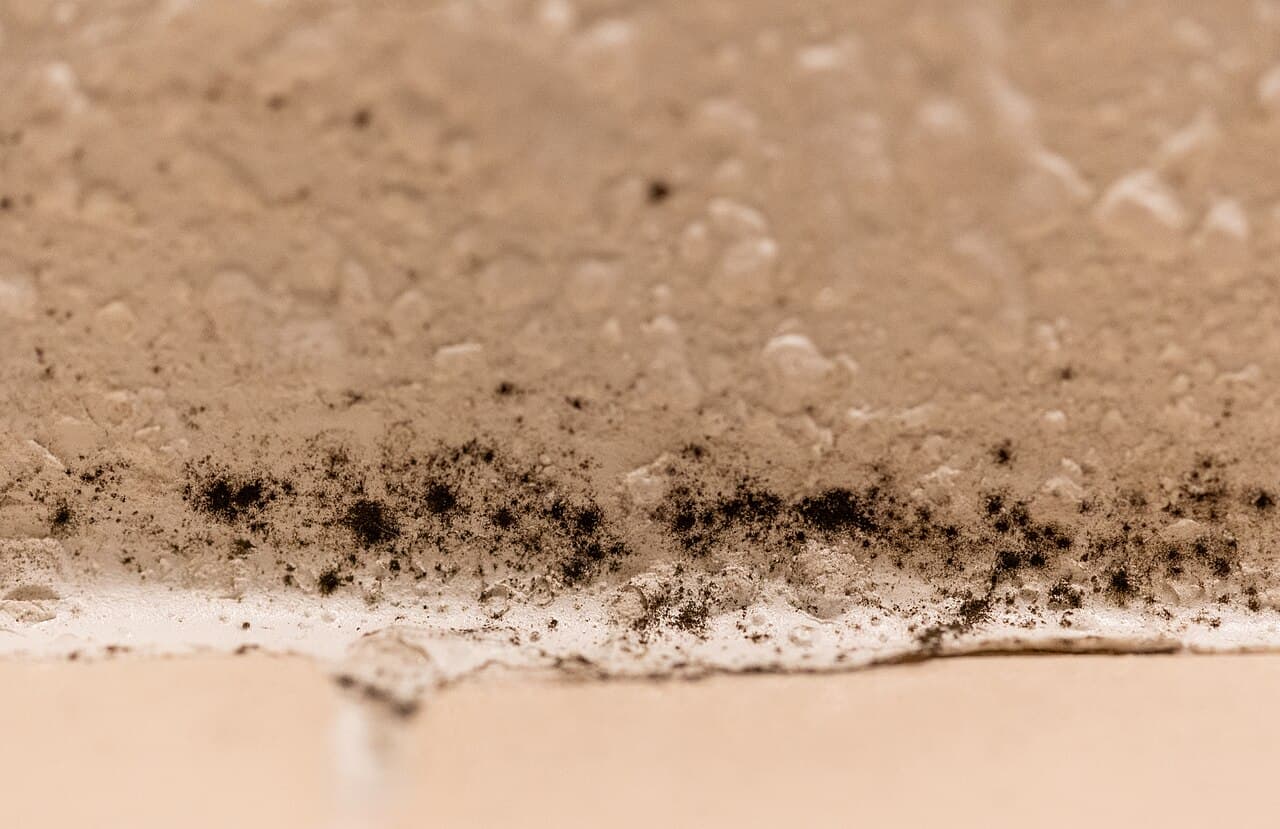
Start outside: keep water away from the foundation
Most basement moisture starts outdoors. ENERGY STAR says that improving the drainage around the foundation of your home may result in decreased humidity in your basement.[2] Its list is a useful yearly checklist:
- Extend downspouts from your gutters away from the foundation of your home.[2]
- Keep gutters and downspouts clear and open.[2]
- Ensure that the soil slopes away from your foundation to avoid pooling of water around your home.[2]
- Avoid over-watering of foundation plantings.[2]
EPA's guidance says the same thing in other words: clean and repair roof gutters regularly,[1] and make sure the ground slopes away from the building foundation, so that water does not enter or collect around the foundation.[1] Check after a heavy rain for downspouts that dump beside the wall and for wet patches along the base of the foundation.
If water still gets in during storms, the fix is a drainage or waterproofing job, not a dehumidifier. Grading changes, exterior drains and sump systems are contractor work, and the written quote should say how the water leaves the property.
Control humidity inside
Mold needs moisture, and the air itself can supply it. Fungi (molds) grow in air over 60% relative humidity.[3] EPA's advice is to keep indoor humidity below 60 percent (ideally between 30 and 50 percent) relative humidity, and to measure it with a small, inexpensive ($10-$50) instrument available at many hardware stores.[1] ENERGY STAR gives the same range: the optimum RH level for a building is generally considered to be between 30% and 50%, and anything above this range may promote mold growth.[2]
Put a humidity meter in the basement and look at it through a Virginia summer, when warm outdoor air meets cool concrete. A reading that sits above 60 percent means the room needs help.
Dehumidify. Portable room dehumidifiers are typically used to dehumidify a single room or space and can be easily moved where they are needed.[2] Whole-home dehumidifiers are typically installed to use your home's air ducts to dehumidify one or more rooms and are often permanent.[2] ENERGY STAR cautions: never set up water drainage or disposal near electrical circuits or devices,[2] and make sure the dehumidifier is connected to a properly grounded outlet.[2] If the space being dehumidified has temperatures that typically fall below 65 degrees (F), you may want to consider buying a product that is specified for use at lower temperatures.[2] A whole-home system or a pumped drain is installation work for a contractor.
Cut moisture at its source. ENERGY STAR's list of habits includes: ensure that clothes dryers are properly vented to the outdoors,[2] use vent fans in bathrooms and kitchens to remove humidity at the source,[2] and repair leaking outdoor faucets.[2]
Watch for condensation. Cold water pipes and basement walls sweat in warm weather. If you see condensation or moisture collecting on windows, walls or pipes, EPA's advice is to act quickly to dry the wet surface and reduce the moisture/water source.[1] Insulating cold pipes and keeping the air moving reduces the problem.
Dry anything that gets wet, fast
A basement floods or leaks more often than a living room does. EPA's rule is that it is important to dry water-damaged areas and items within 24-48 hours to prevent mold growth.[1] Keep stored boxes, fabric and paper off the floor and away from exterior walls, because they absorb moisture and grow mold out of sight. Keep the dryer vent and the air conditioner's drip pan and drain line clear: EPA says to keep air conditioning drip pans clean and the drain lines unobstructed and flowing properly.[1]
Follow how to dry out a wet basement after a leak if you have water on the floor, and note when to hire a professional to dry out a house after a larger leak.
When to call a licensed pro
Call a professional when prevention has failed or the source is beyond a homeowner's work:
- Water enters through the walls or floor, or the sump runs constantly. That points to a waterproofing, drainage or plumbing problem.
- There is a musty smell, staining or visible growth you cannot trace. For a hidden mold concern, see what professional mold remediation involves.
- The water came from a sewer backup. EPA says that if the water and/or mold damage was caused by sewage or other contaminated water, then call in a professional who has experience cleaning and fixing buildings damaged by contaminated water.[1]
- The job is a repair or installation valued at $1,000 or more. Virginia's Board for Contractors says that if the work you are considering is valued at $1,000 or more, a valid Virginia Contractor's License is required for the license category in which the contractor is to work.[4]
For what a cleanup costs, see mold remediation cost in Virginia and whether a mold remediation company needs a licence.
Getting help in Virginia
Loclis lists Virginia businesses that handle restoration work. Browse restoration services or read more restoration answers. When you are ready, describe the basement moisture problem once and local mold remediation businesses respond.
Common questions
- What humidity should a basement stay under?
- Below 60 percent, ideally between 30 and 50 percent. EPA gives that range, and Virginia Cooperative Extension notes that molds grow in air over 60 percent relative humidity. A hardware-store meter shows where yours sits.
- Will a dehumidifier stop basement mold?
- It helps with humid air but does not fix water entering through walls or floor. ENERGY STAR notes that improving drainage around the foundation may also decrease basement humidity, so deal with the water source too.
- How fast do I need to dry a wet basement?
- EPA says to dry water-damaged areas and items within 24 to 48 hours to prevent mold growth. If you cannot manage that, call a restoration company.
- Do I need a licensed contractor to waterproof a basement?
- For work valued at $1,000 or more, Virginia's Board for Contractors says a valid Virginia Contractor's License is required for the license category in which the contractor is to work. Check the licence number on DPOR's lookup.
- Is sewage in the basement a mold job?
- It is a contaminated-water job first. EPA says to call in a professional with experience cleaning and fixing buildings damaged by contaminated water.
Sources
- [1] A Brief Guide to Mold, Moisture and Your Home, U.S. Environmental Protection Agency. Checked October 27, 2026.
- [2] Dehumidifiers, ENERGY STAR, U.S. Environmental Protection Agency. Checked October 27, 2026.
- [3] ENERGY SERIES: What about Moisture? (2908-9020), Virginia Cooperative Extension, Virginia Tech. Checked October 27, 2026.
- [4] What You Should Know Before You Hire a Contractor, Virginia Board for Contractors, DPOR. Checked October 27, 2026.
Want a pro to handle it?
Describe the job once. Licensed local businesses send quotes, and you pay only when you book one.
Get a quote from a local pro