What does professional mold remediation involve?
Professional mold remediation means fixing the moisture source, sealing off the work area, removing or cleaning mold-damaged materials under negative pressure with HEPA filtration and protective gear, then drying and cleaning before rebuilding. EPA says the goal is to clean up mold, not just kill it. Get a written scope covering containment, waste, drying and how the job will be shown to be finished.
Free to ask. Local shops send quotes, and you pay only when you book one.
By Kasra Taheri, Founder, LoclisPublished
Researched and drafted with AI, then checked claim by claim against the sources listed below before it was published. Prices and rules change; the dates beside each source say when it was last checked.
This is a job for a licensed pro in Virginia
This page explains what the work involves, the permits, what a licensed pro does and what drives the cost. It does not give step-by-step instructions, because this work needs a licence, a permit or both, and doing it wrong can injure someone. Before you hire, check the licence on Virginia's DPOR record.
Professional mold remediation means finding and fixing the moisture that feeds the mold, sealing off the work area, removing or cleaning what the mold has damaged, and drying and cleaning everything before anything is rebuilt. The point is to take the mold out, not to kill it in place: EPA says it is necessary to clean up mold contamination, not just to kill the mold.[2]
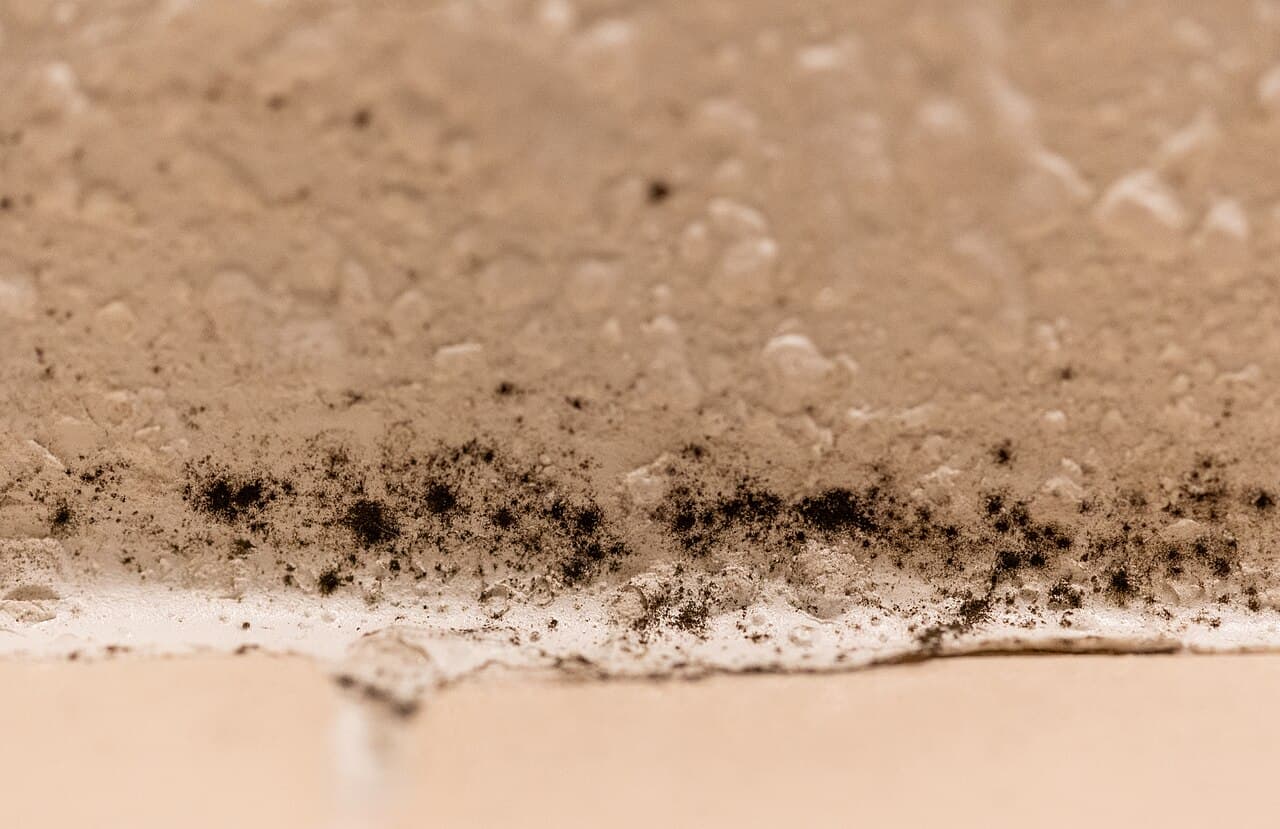
What the job covers
Assessment and plan. A good remediator starts by working out how big the problem is and what it has grown on. EPA's guidance says to assess the size of the mold and moisture problem and the type of damaged materials before planning the work, and to select a remediation manager for medium or large jobs.[2] The plan should also cover protective equipment and how moldy materials will be contained and removed so the mold does not spread.[2]
Fixing the water problem. Nothing else lasts if the moisture stays. EPA states that the key to mold control is moisture control,[1] and that you must have completely fixed the water or moisture problem before the cleanup can be considered finished.[1] Expect the contractor to name the source, whether that is a plumbing leak, a roof or window leak, a drainage problem or humidity, and to tell you who will fix it if it is outside their trade.
Testing, when it is useful. Most visible mold does not need lab testing. EPA says that in most cases, if visible mold growth is present, sampling is unnecessary,[1] and that no EPA or other federal limits have been set for mold or mold spores.[1] Sampling can still help locate hidden mold or show afterward whether the cleanup worked, and EPA says it should be done by professionals with specific experience in designing sampling protocols and interpreting results.[1]
Containment. The crew seals the affected area with polyethylene sheeting so spores are not carried through the house. EPA's guidance recommends limited containment for areas of between 10 and 100 square feet of mold contamination, and full containment for areas greater than 100 square feet.[2] Full containment uses double layers of polyethylene and a decontamination chamber or airlock for entering and leaving the work area.[2] EPA also says the containment area should be kept under negative pressure, which keeps contaminated air from flowing into adjacent areas,[2] typically with a HEPA-filtered fan unit exhausted outside the building.[2]
Protective equipment. Workers wear respirators with HEPA filters and disposable protective clothing, with the level rising as the job gets larger. For large areas of contamination, EPA recommends a full-face powered air purifying respirator.[2] On large jobs the plan may include temporarily relocating some or all occupants, and EPA says not to run the HVAC system if you know or suspect it is contaminated.[2]
Removal and cleaning. Hard, nonporous surfaces can generally be cleaned by wiping or scrubbing with water or water and detergent and then dried quickly.[2] Porous materials that are wet and moldy, such as drywall and insulation, often have to be discarded, because the mold infiltrates them and can be difficult or impossible to remove completely.[2] Discarded material is double-bagged in 6-mil polyethylene before it leaves the containment area.[2] EPA does not recommend a biocide such as chlorine bleach as a routine practice.[2]
Drying and final cleaning. After the damaged material is out and everything is dry, the area is cleaned with a HEPA vacuum, which EPA recommends for final cleanup.[2] Moisture meters are used to confirm that materials are actually dry.
Rebuilding. Remediation ends when the mold is gone and the area is dry. New drywall, insulation, flooring and paint are usually a separate scope, so ask whether they are in the quote.
What to expect from the contractor
Ask for a written scope that names the affected rooms and materials, the containment level, how the moisture source is being handled, how waste is disposed of, and how the contractor will show the job is finished. EPA's advice for homeowners is to make sure a contractor has experience cleaning up mold, check references, and ask the contractor to follow EPA's remediation guidance or similar guidelines from professional or government organizations.[1] Virginia law adds a requirement for residential work: see whether a mold remediation company needs a licence in Virginia. For what drives the price, read how much mold remediation costs in Virginia.
When to call a licensed pro
EPA says a homeowner can often handle mold covering less than about 10 square feet, roughly a 3 ft. by 3 ft. patch; if there has been a lot of water damage or mold covers more than that, it points to its professional remediation guidance.[1] If the water was sewage or other contaminated water, EPA says to call in a professional with experience cleaning buildings damaged by contaminated water.[1] EPA also advises a more cautious approach when extensive hidden mold is expected, such as in the HVAC system, or when sensitive people such as those with severe allergies or asthma are present.[2] Virginia requires a contractor licence for work valued at $1,000 or more,[3] so check the licence before you sign.
Loclis lists Virginia businesses that handle restoration work. Browse restoration services or read more restoration answers. To get quotes for your home, describe the job once and local mold remediation businesses respond.
Common questions
- Does mold remediation include fixing the leak?
- Not always. The cleanup is only finished once the water or moisture problem is completely fixed, so ask who is responsible for the source. Some firms repair it, and others hand it to a plumber or roofer and return when it is done.
- Do I need mold testing before remediation?
- Usually not. EPA says that in most cases, if visible mold growth is present, sampling is unnecessary. Testing can help find hidden mold or check the result afterward, and it should be done by someone with specific experience.
- Is bleach used to kill mold?
- EPA does not recommend a biocide such as chlorine bleach as a routine practice. Dead mold is still allergenic, so the mold has to be removed, and the moisture that fed it has to be fixed.
- Why is moldy drywall removed instead of cleaned?
- Mold infiltrates porous materials and can be difficult or impossible to remove completely, so wet, moldy drywall and insulation often have to be discarded.
- Can I stay in the house during remediation?
- It depends on the size of the job and where it is. Ask the contractor how the work area will be sealed, whether the HVAC system will run, and whether anyone sensitive to mold should stay elsewhere.
Sources
- [1] A Brief Guide to Mold, Moisture and Your Home, U.S. Environmental Protection Agency. Checked October 27, 2026.
- [2] Mold Remediation in Schools and Commercial Buildings Guide: Chapter 3, U.S. Environmental Protection Agency. Checked October 27, 2026.
- [3] What You Should Know Before You Hire a Contractor, Virginia Board for Contractors, DPOR. Checked October 27, 2026.
Want a pro to handle it?
Describe the job once. Licensed local businesses send quotes, and you pay only when you book one.
Get a quote from a local pro