How long does firewood need to season before burning?
Plan on at least six months, and closer to a year for hardwoods. EPA's guidance is about 6 months for softwoods and about 12 months for hardwoods, split and stacked off the ground with only the top covered. Time alone does not prove it, though: wood is ready when a moisture meter reads 20 percent or less on a freshly split face.
Free to ask. Local shops send quotes, and you pay only when you book one.
By Kasra Taheri, Founder, LoclisPublished
Researched and drafted with AI, then checked claim by claim against the sources listed below before it was published. Prices and rules change; the dates beside each source say when it was last checked.
Step by step
Read when to stop and call a pro, further down this page, before you start.
Step 1: Get wood a year ahead
Buy or cut next winter's wood in late winter or spring so hardwood has its full season to dry.
Step 3: Stack it to dry
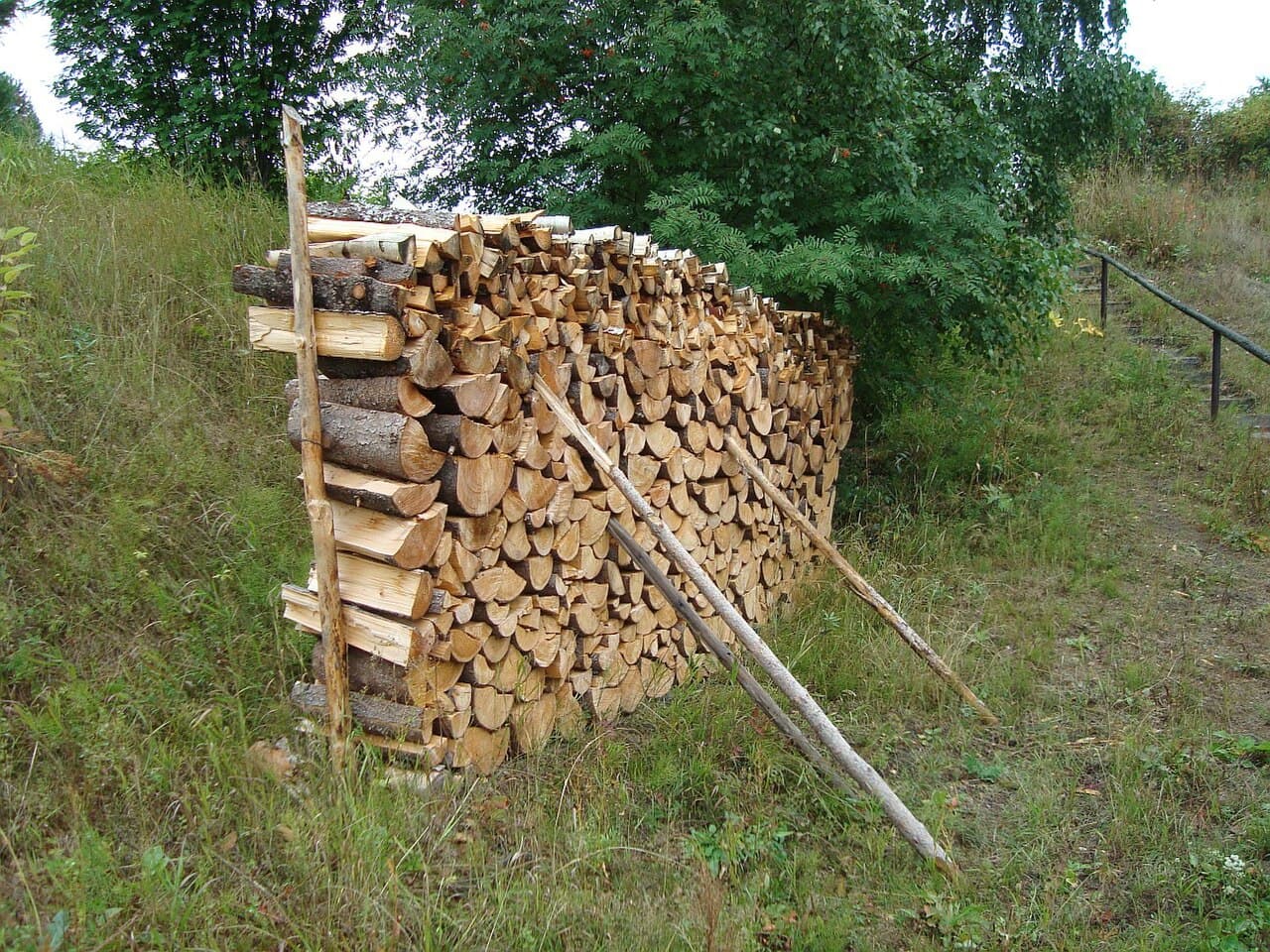
Stack it in a single row on rails, split side down, away from buildings, with air moving through.[1]
Step 4: Cover only the top
Keep rain and snow off the top with a cover that does not touch the wood, and leave the sides open.[1]
Step 5: Date each stack
Mark each stack with the month it was split so you know which wood has had its 6 or 12 months.
Step 6: Burn oldest first
Take wood from the oldest stack first and keep the newest wood drying for next year.
Step 7: Check after storms
After wind or snow, put covers back and straighten any stack that has started to lean.
Step 8: Test before burning
Split a piece from each stack and test the fresh face with a moisture meter; 20% or less is ready.[1]
Step 9: Discard rotten wood
Set aside wood that has gone soft, rotted or moldy instead of burning it.[3]
Give firewood at least six months, and a full year if it is hardwood. EPA's storage guidance is to "Season wood for at least 6 months for soft wood and 12 months for hard wood,"[2] and its drying brochure says softwoods take about 6 months and hardwoods about 12 months.[1] Fairfax County Fire and Rescue gives the same window, recommending wood that has been dried for at least six months to a year and stored properly.[4]
Those times assume the wood is split and stacked well. Rounds left in a pile on the ground can take far longer, and the only way to know is to test.
Why seasoning matters
Wood burns best at a moisture content of less than 20 percent,[3] and EPA's plain rule is not to burn wet or green, unseasoned wood.[3] Green wood is hard to light, smokes and gives off less useful heat. It also coats the chimney: Prince William County's fire department warns that soft, moist wood increases creosote buildup.[5] If your fires already smoke, see why firewood smokes and is hard to light.
What makes it dry faster
The calendar sets the minimum. How you store the wood decides whether it actually gets there.
- Split it. Split wood dries much faster than whole rounds.[1] [2] Split to sizes that fit your stove or fireplace, no larger than 6 inch wedges.[1]
- Stack it for air. Drying wood should be stacked in a single row with the split side down, on rails that keep it off the ground,[1] and away from buildings.[1] A sunny, breezy spot usually dries faster than a shaded one.
- Cover the top only. Cover the top to keep off rain and snow, leave space between the cover and the wood, and keep the sides open.[1] EPA's advice is to store wood outdoors, off the ground, with only the top covered, because covering the sides traps in moisture.[3] A woodshed works too if it has a roof that overhangs the wood and slopes so water does not collect.[2]
For the full method, see how to stack firewood so it dries.
How to tell when it is ready
Months on the calendar are a guide, not proof. Seasoned wood is darker and lighter than green wood, and sounds hollow when knocked against another piece.[3] Look also for cracks radiating from the center of the cut ends and bark that has started to loosen, which often show up as wood dries.
The reliable check is a wood moisture meter: split a piece and test the newly split face; properly dried wood reads 20% or less.[1] Test a few pieces from different parts of the stack, since the middle and the bottom dry last.
A yearly routine that keeps you ahead
Most people who burn dry wood every winter do it by working a year ahead:
- Spring: buy or cut next winter's wood, split it promptly and stack it to dry. Wood split in spring has the warm, breezy months to dry.
- Summer: check covers and stacks, and leave the wood alone.
- Fall: test the oldest stack with a moisture meter and move tested wood closer to the house for the winter. Keep it off the porch and away from the walls; Virginia Cooperative Extension advises not to store firewood beside a house or on a front porch,[6] and to shake or knock firewood before bringing it inside to dislodge insects.[6]
- Winter: burn the oldest wood first, and set aside anything that has gone punky. EPA lists wet, rotted, diseased, or moldy wood among the things not to burn.[3]
Buying delivered wood fits the same pattern. Ask how long the wood has been split and stacked, and if it is green, plan to burn it next year rather than this one. For prices and what a legal cord is, see what a cord of firewood costs in Virginia.
Stop and call a pro if
- Wood that tests dry still smokes or smolders, or smoke spills into the room. The stove, flue or chimney may be the problem.
- Your chimney or stove has not been cleaned and inspected this year. Fire safety officials recommend having heating equipment and chimneys cleaned and inspected each year by a professional.[7] See how often a chimney should be cleaned.
- You find termites or other insects boring into stacked wood that touches the house or deck.
- Your wood supply depends on taking down a tree. Felling, especially of dead or storm-damaged trees, is a job for a tree service.
More seasonal answers are under snow and seasonal services. You can browse firewood delivery and seasonal services around Blacksburg, or describe the job once and local businesses quote it.
Common questions
- Can firewood season in a few weeks?
- Not air-dried firewood. EPA's guidance is about 6 months for softwoods and about 12 months for hardwoods, split and stacked properly. If you need dry wood sooner, buy wood that has already been seasoned, or kiln-dried bundles, and check it with a moisture meter.
- Does wood season faster if it is split?
- Yes. Split wood dries much faster than whole rounds, because splitting exposes the wet interior and the bark no longer seals it in. Split it soon after it is cut or delivered rather than waiting.
- Does firewood keep drying in winter?
- More slowly. Drying depends on air movement and warmth, so most of it happens in the warmer, breezier months. That is why wood split in spring is usually ready by the next winter, while wood split in fall is often still wet when cold weather comes.
- Can firewood be too old?
- Firewood that stays dry keeps for years. Wood left on the ground or uncovered can rot, and EPA lists wet, rotted, diseased or moldy wood among things not to burn. Burn the oldest dry wood first and discard any that has gone soft.
- Is seasoned wood the same as kiln-dried wood?
- Both aim for the same result, wood dry enough to burn well. Seasoned wood is air-dried over months; kiln-dried wood is dried with heat. Either way, the test is the same: a moisture reading of 20% or less on a freshly split face.
Sources
- [1] Wet Wood Is a Waste: Four Easy Steps to Dry Firewood (EPA 456/F-10-003), U.S. Environmental Protection Agency, Burn Wise. Checked October 26, 2026.
- [2] Build Firewood Storage, U.S. Environmental Protection Agency, Burn Wise. Checked October 26, 2026.
- [3] Best Wood-Burning Practices, U.S. Environmental Protection Agency, Burn Wise. Checked October 26, 2026.
- [4] Fireplace Safety Tips and Can Your Ashes, Fairfax County Fire and Rescue Department. Checked October 26, 2026.
- [5] When Using Alternative Home Heating Systems - Use Wisely & Safely, Prince William County Department of Fire and Rescue. Checked October 26, 2026.
- [6] Wood Cockroaches (ENTO-426NP), Virginia Cooperative Extension, Virginia Tech. Checked October 26, 2026.
- [7] Heating fire safety, U.S. Fire Administration, FEMA. Checked October 26, 2026.
Want a pro to handle it?
Describe the job once. Licensed local businesses send quotes, and you pay only when you book one.
Get a quote from a local pro