How much does drip irrigation cost in Virginia?
No Virginia government source publishes a dated price for drip irrigation, so we do not quote one. Cost depends on the number of zones and emitters, how it connects to your plumbing, backflow and permit needs, digging and the controller. Get written, itemized quotes from licensed contractors and compare them line by line.
Free to ask. Local shops send quotes, and you pay only when you book one.
By Kasra Taheri, Founder, LoclisPublished
Researched and drafted with AI, then checked claim by claim against the sources listed below before it was published. Prices and rules change; the dates beside each source say when it was last checked.
Step by step
Read when to stop and call a pro, further down this page, before you start.
Step 1: List what you want watered
Write down the beds, trees and containers, which are in the same zones, and where the nearest spigot is.
Step 2: Decide how it connects
Decide whether it runs from a hose spigot alone or is tied to a timer, controller or existing sprinkler system, since that changes the quote.
Step 3: Check each bidder's licence
Look up every contractor on DPOR's license lookup before you take an estimate seriously.[6]
Step 4: Ask for a design in writing
Ask for the design, the quantity and types of emitters and the expected installation time.[2]
Step 5: Ask about backflow and permits
Ask whether your job needs a backflow device or a permit and whether the price includes them.[3]
Step 6: Compare line by line
Compare scope, parts, backflow, permits and warranty before you look at the total, and keep any deposit to the 10% or $1,000 guideline.[5]
Why there is no single price
No Virginia government source publishes a dated price for drip irrigation, so this page does not quote one. What a job costs depends on what you ask for, and you can make that concrete before anyone sends a number.
The drivers:
- Size and zones. The types, number, flow rate, and spacing of emitters used can vary by zone and plant type.[2] A raised vegetable bed is a small job; a yard of shrubs, trees and containers is several zones.
- How it connects. A line fed from a hose spigot is a very different job from one wired to a controller or tied into an existing in-ground system.
- Backflow and permits. In Prince William County, a Limited Service and Repair Permit and inspection are required for the residential backflow prevention device on a lawn irrigation system.[3] Chesterfield County says backflow prevention assemblies on irrigation systems are required by law.[4] Ask each bidder whether your job triggers either one.
- Digging. Buried lines cost more than surface lines, and every dig starts with a call to Virginia 811.
- Water source and controller. A well may need extra filtration, and a smart controller costs more than a basic timer.
What you get for the money
The saving shows up on your water bill. Installing a microirrigation system instead of a traditional system can save a typical home more than 25,000 gallons of water per year.[1] Whether it pays back depends on how much you water and your utility's rates, which you can see on your own bill.
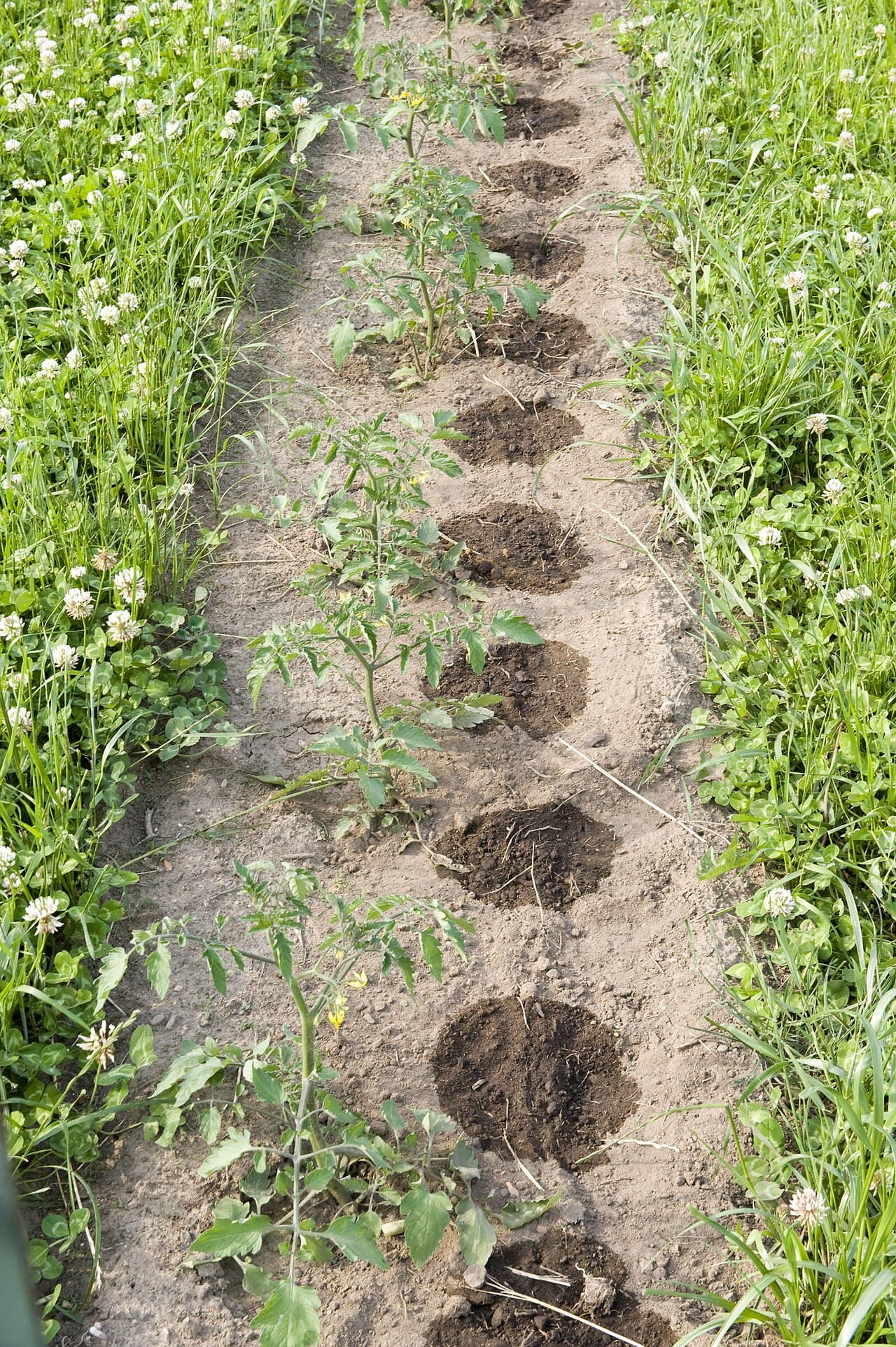
What a written estimate should contain
According to EPA's homeowner guide, the contractor should provide the design of the microirrigation system, quantity and types of emitters, and expected installation time.[2] If an estimate is a single lump sum with none of that, ask for it. Also ask for:
- the zones and which plants each serves
- the timer or controller model
- whether a backflow device or permit is included
- who pays for repair of damage during digging
- a start and finish date
Licences, contracts and deposits
If the work you are considering is valued at $1,000 or more, a valid Virginia Contractor’s License is required for the license category in which the contractor is to work.[5] Virginia's regulations define the landscape irrigation specialty as covering the installation, repair, improvement, or removal of irrigation sprinkler systems or outdoor sprinkler systems.[7] Ask each bidder which licence class and specialty covers your job, then confirm it on DPOR's License Lookup.[6]
Virginia law requires all licensed contractors to provide a written contract for residential work.[5] The Board for Contractors suggests that a good rule of thumb is an initial deposit of no more than 10% of the total price or $1,000, whichever is less.[5]
What you can trim yourself
A small bed on a hose spigot is a reasonable do-it-yourself project, and kit parts are the main cost. The steps are in how to set up drip irrigation for a garden. Whether to hire at all is the question in should I hire someone to install drip irrigation.
Stop and call a pro if
- The estimate rests on connecting to house plumbing or an existing sprinkler system. That brings backflow protection and possibly a permit.[3]
- The job needs trenching, which starts with Virginia 811.
- A bidder cannot show a licence. A license number in an advertisement or on a business card does not necessarily mean the contractor’s license is valid.[5]
- The quote asks for a large deposit up front. Anything beyond the 10% or $1,000 guideline deserves a question.[5]
Getting help in Virginia
Browse the irrigation answers and the irrigation guide for related costs, then describe your drip job and compare written quotes from licensed local contractors.
Common questions
- Is drip irrigation cheaper than a sprinkler system?
- Often the up-front job is smaller, but the answer depends on the layout. EPA says microirrigation systems use 20 to 50 percent less water than conventional sprinkler systems, which is where the ongoing saving comes from. Compare written quotes for the same yard.
- Why won't contractors give a price over the phone?
- Because the number depends on zones, emitters, the connection to your plumbing, backflow and permits, and digging. A contractor needs to see the yard. EPA says the contractor should provide a design, the quantity and types of emitters and an expected installation time.
- Do I need a licensed contractor for drip irrigation in Virginia?
- DPOR says that if the work is valued at $1,000 or more, a valid Virginia Contractor’s License is required for the license category in which the contractor is to work. Ask which specialty covers your job and check it on DPOR's License Lookup.
- How much deposit is reasonable?
- DPOR's guide says a good rule of thumb is an initial deposit of no more than 10% of the total price or $1,000, whichever is less, with a higher deposit possible for custom-made or special-order items.
- Can I save money by doing part of the work?
- Yes. A small bed on a hose spigot is a project many owners do themselves. If you do some of the work yourself or hire another contractor for part of it, DPOR says to write that into the contract.
Sources
- [1] Microirrigation (last updated March 6, 2026), U.S. Environmental Protection Agency, WaterSense. Checked October 27, 2026.
- [2] Saving Water With Microirrigation: A Homeowner Guide, U.S. Environmental Protection Agency, WaterSense. Checked October 27, 2026.
- [3] Lawn Irrigation System Requirements, Prince William County, Virginia. Checked October 27, 2026.
- [4] A Guide to Selecting, Installing and Maintaining Backflow Preventers in Residential Irrigation Systems, Chesterfield County, Virginia. Checked October 27, 2026.
- [5] What You Should Know Before You Hire a Contractor, Virginia Board for Contractors, DPOR. Checked October 27, 2026.
- [6] License Lookup, Virginia Department of Professional and Occupational Regulation. Checked October 27, 2026.
- [7] 18VAC50-22-30. Definitions of specialty services (Board for Contractors Regulations), Virginia Administrative Code, Virginia General Assembly. Checked October 27, 2026.
Want a pro to handle it?
Describe the job once. Licensed local businesses send quotes, and you pay only when you book one.
Get a quote from a local pro