How do I winterize drip irrigation?
Winterize drip irrigation before the first freeze: shut off the water, take the timer, filter and pressure regulator indoors, open the end caps and drain each run, and wrap any outdoor shutoff valve. In Virginia the average first freeze runs from October 10 in Blacksburg to October 27 in Danville, so start in early October.
Free to ask. Local shops send quotes, and you pay only when you book one.
By Kasra Taheri, Founder, LoclisPublished
Researched and drafted with AI, then checked claim by claim against the sources listed below before it was published. Prices and rules change; the dates beside each source say when it was last checked.
Step by step
Read when to stop and call a pro, further down this page, before you start.
Step 1: Pick the date
Plan the job for the weeks before your area's first freeze, which averages October 10 in Blacksburg and October 27 in Danville.[3]
Step 2: Turn off the water
Shut off the water at the faucet or the system's main shutoff valve.
Step 3: Take off the timer and controller
Disconnect the timer from the faucet and take out its batteries. Turn a wall controller off or set it to rain mode.[2]
Step 4: Remove the filter and regulator
Unscrew the filter and pressure regulator from the faucet, rinse the filter screen and bring both indoors.
Step 5: Open the end caps
Open the end cap or flush valve on each run so the water leaves from the low end. The EPA says to flush standing water from the system before the first freeze.[1]
Step 6: Drain the tubing
Lift and shake the tubing along each run to push out the remaining water, then close the end caps.
Step 8: Insulate exposed valves
Wrap an outdoor shutoff valve in foam insulation or a towel inside a plastic bag.[2]
Winterize drip irrigation before the first hard freeze by turning off the water, draining or flushing the lines, and bringing the filter and pressure regulator indoors. Drip tubing, fittings and the faucet connection hold water, and water that freezes in them can crack them. It is easier to do in October than in a cold snap.
Why drip lines need winterizing
Drip tubing sits on or just under the mulch, not below the frost line. The EPA says that water lines at ground level are susceptible to weed growth, freezing, and damage from landscape work or animals.[1] Its maintenance advice is direct: at the end of the irrigation season, and before the first freeze, the system should be flushed of standing water, to avoid the water lines freezing during winter months and causing cracks in the pipes.[1]
The rigid parts are the most exposed: the hose-bib connection, the pressure regulator, the filter housing and any timer. The City of Richmond's utilities department warns that waiting too long can lead to burst pipes, flooding and expensive repairs in the spring.[2]
When to do it
Aim for the weeks before your first freeze. The National Weather Service's Blacksburg office counts a freeze as low temperatures at or below 32 degrees F, and its records put the average first freeze at October 10 in Blacksburg, October 22 in Roanoke, October 25 in Lynchburg and October 27 in Danville.[3] Those are averages. The earliest freezes on record came on September 5, 1982 in Blacksburg, September 29, 1942 in Roanoke, October 2, 2003 in Lynchburg and October 3, 1974 in Danville.[3] In the mountains, plan for early October, and watch the forecast wherever you are.
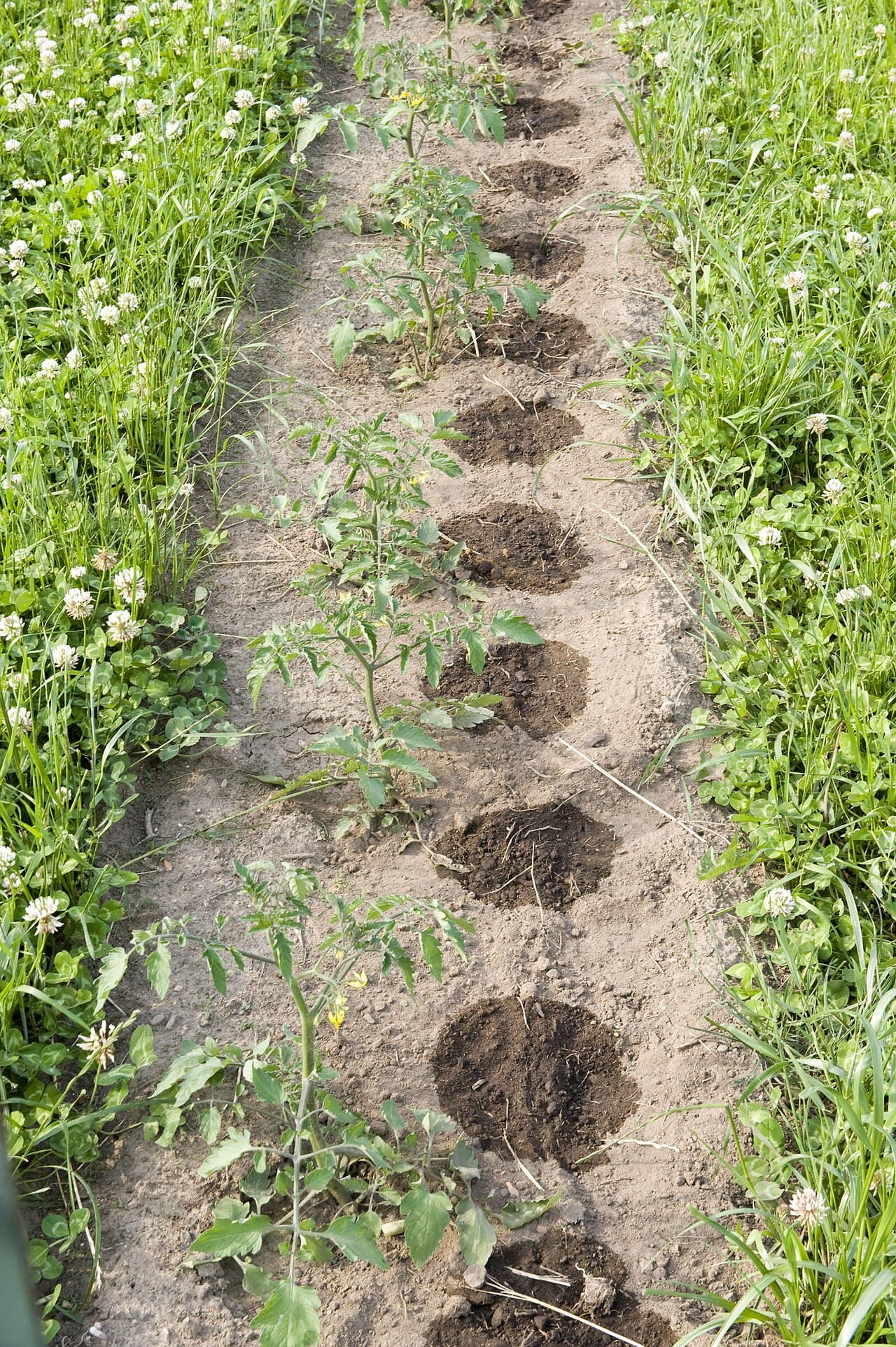
Garden drip on a hose or faucet
Most garden drip systems run off an outdoor faucet. Shut off the water at the faucet, disconnect the timer, filter and regulator, and let the hose and tubing drain. Open the end cap or flush valve on each run so the water leaves from the low end, then lift and shake the tubing to push out what is left. Close the end caps again so insects and debris stay out.
Bring the timer, filter and regulator inside, and keep the filter screen clean and dry for spring. Batteries in a timer should come out so they do not leak. Leave the tubing in place, or roll it up if you want to protect it from mowers and from a winter of sun and foot traffic.
Drip zones on a sprinkler system
If your drip zone is fed by an in-ground sprinkler system, the drip lines drain with the rest of it, and the order matters. Turn off the supply, then use the system's drain method. The City of Richmond describes two: opening the manual drain valves, usually at the lowest points of the system, or relying on automatic drain valves that open when the water pressure drops.[2] For the full routine, see how to winterize a sprinkler system and when to winterize sprinklers in Virginia.
On the sprinkler side, Rain Bird's guide warns that manual drain valves are pressurized and could cause physical injury if opened before the pressure is relieved, so it tells you to wear eye protection.[4]
Shut off and protect the supply
Locate the main shutoff valve for your system. If the valve is outside, Richmond says to wrap it with foam insulation or a towel inside a plastic bag to protect it from freezing.[2] Turn the controller off for the season. Setting it to rain mode keeps all settings saved while preventing the system from running, or you can unplug it and reset the time and date in spring.[2]
Skip the compressor on drip tubing
Blowing out a sprinkler system with compressed air is a job for the right equipment. Rain Bird's guide says air pressure must not exceed 50 pounds per square inch (psi) and that, if the appropriate air compressor is not available, you should call an irrigation contractor.[4] Drip tubing is thinner and made for much lower pressure, so check the tubing maker's instructions before connecting a compressor to a drip zone. For most gardens, draining by gravity and opening the end caps is enough.
Stop and call a pro if
- The drip zone is on an in-ground sprinkler system and you do not have drain valves or a compressor rated for the job. Rain Bird's advice is to call an irrigation contractor.[4]
- A backflow preventer is part of the system. Richmond warns that water left in a backflow device freezes and can crack it, so have the irrigation contractor drain and insulate it if you are unsure how.[2]
- A valve, fitting or buried line is cracked or leaking after a freeze. Call a licensed contractor before spring startup.
- The line has to be dug up. Buried lines are a contractor's job.
Getting help in Virginia
For the setup that makes winterizing easier, read how to set up drip irrigation for a garden, and if the system watered unevenly this season, see why drip irrigation waters unevenly. Costs and hiring are covered in what drip irrigation costs in Virginia and whether to hire someone to install it. More is in the irrigation answers and the irrigation guide.
When you would rather have it done, describe the job once and licensed local contractors quote it.
Common questions
- Do I have to winterize drip irrigation?
- Yes, if the lines can hold water. The EPA says the system should be flushed of standing water before the first freeze, because freezing can crack pipes.
- When should I winterize drip irrigation in Virginia?
- In the weeks before the first freeze. The National Weather Service's average first-freeze dates run from October 10 in Blacksburg to October 27 in Danville, with earlier freezes on record, so early to mid October is a safe target in most of the state.
- Can I leave drip tubing out all winter?
- Usually yes, once it has been drained and the end caps are closed. Roll it up if mowers or foot traffic could damage it.
- Should I blow out drip lines with an air compressor?
- Not without checking the tubing maker's instructions. Rain Bird's guide for sprinkler systems says air pressure must not exceed 50 psi, and drip tubing is thinner and made for lower pressure. For a garden drip system, draining and opening the end caps usually does the job.
- What if my drip zone is part of a sprinkler system?
- Then it is winterized with the sprinkler system, through its drain valves or an air blow-out. If you do not have the right compressor, call an irrigation contractor.
Sources
- [1] Saving Water With Microirrigation: A Homeowner Guide, U.S. Environmental Protection Agency, WaterSense. Checked October 28, 2026.
- [2] Winterize Your Sprinkler System Before It's Too Late (posted October 29, 2025), City of Richmond Department of Public Utilities. Checked October 28, 2026.
- [3] Autumn Freeze Climate Information, National Weather Service, Blacksburg, Virginia. Checked October 28, 2026.
- [4] Homeowner's Guide to Winterization, Rain Bird Corporation (manufacturer). Checked October 28, 2026.
Want a pro to handle it?
Describe the job once. Licensed local businesses send quotes, and you pay only when you book one.
Get a quote from a local pro