Should I hire someone to install drip irrigation?
Do it yourself if it is one bed or a few containers fed from a hose spigot. Hire a licensed contractor if the system will tie into house plumbing or a sprinkler system, needs trenching, covers several zones or needs backflow protection or a permit. Check the DPOR licence and get the scope in writing.
Free to ask. Local shops send quotes, and you pay only when you book one.
By Kasra Taheri, Founder, LoclisPublished
Researched and drafted with AI, then checked claim by claim against the sources listed below before it was published. Prices and rules change; the dates beside each source say when it was last checked.
Step by step
Read when to stop and call a pro, further down this page, before you start.
Step 1: Count the zones
Count how many beds, trees and containers you want watered and how far each is from a spigot.
Step 2: Decide how it connects
If it runs from a hose spigot alone, a do-it-yourself kit is reasonable; if it ties into plumbing or a sprinkler system, plan to hire.
Step 3: Check whether digging is involved
If lines need burying, Virginia 811 must be called first, so decide who will do the digging.[4]
Step 4: Check each bidder's licence
Look up each contractor on DPOR's license lookup before you take an estimate seriously.[6]
Step 5: Get the scope in writing
Ask for the design, the emitter quantities and types and the installation time in a written contract.[1]
Step 6: Keep the deposit small
Keep any deposit to 10% of the price or $1,000, whichever is less.[5]
The short version
Hire a pro if the system will connect to your house plumbing or an in-ground sprinkler system, needs trenching, or covers more than one bed. Do it yourself if it is a single bed or a few containers fed from a hose spigot. EPA's own homeowner guide offers tips for the do-it-yourselfer on how to design, install, and maintain a microirrigation system,[1] so a small job is reasonable.
When doing it yourself makes sense
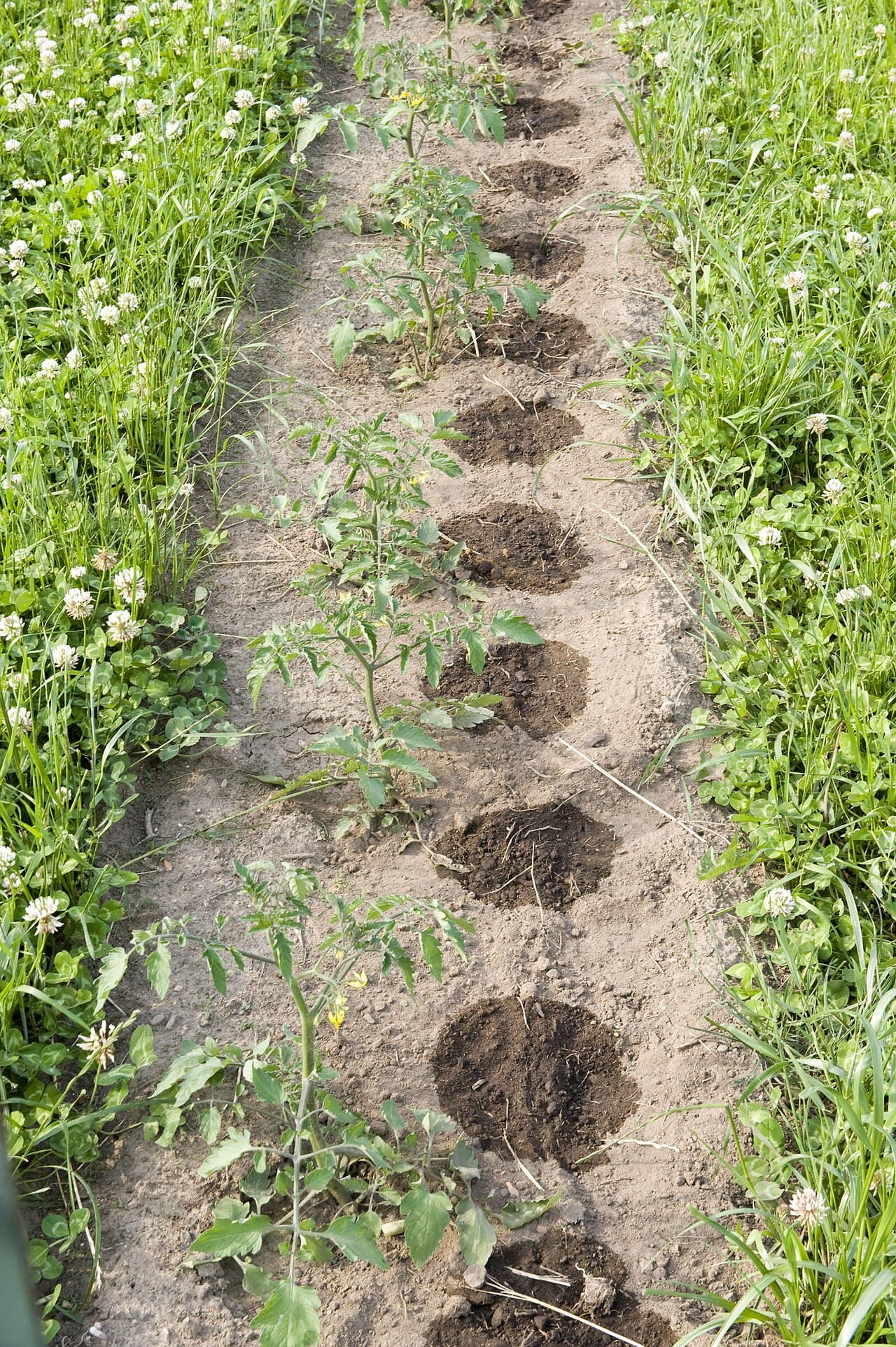
A single vegetable bed, a row of shrubs or a set of containers near a spigot is a gentle project. Kits include the tubing, emitters, filter and timer, and the steps are in how to set up drip irrigation for a garden. The risks are mostly poor results: uneven watering, clogged emitters, or a line that is a tripping hazard.
When hiring makes sense
- The system touches your plumbing or a sprinkler system. Prince William County says all lawn irrigation systems require a cross connection device, and that a Limited Service and Repair Permit and inspection are required for the residential backflow prevention device.[2] Chesterfield County says backflow prevention assemblies on irrigation systems are required by law.[3]
- There are several zones. The contractor will scope out your landscape to locate the different types of plants for each zone and determine the appropriate type and number of emitters to deliver the right amount of water to each.[1]
- Your pressure or water source is a question. The contractor should also check your incoming water pressure to see if it is higher than recommended for the microirrigation system.[1]
- You need digging. Virginia 811 says any time you put a shovel in the ground you need to contact them, because many utilities are buried just a few inches below the surface.[4]
- You want it right the first time on a bigger yard. WaterSense recommends consulting an irrigation professional certified by a WaterSense labeled program.[1] EPA also says to walk through the landscape with the contractor and ask for a demonstration of how to use the system.[1]
Hiring in Virginia
If the work you are considering is valued at $1,000 or more, a valid Virginia Contractor’s License is required for the license category in which the contractor is to work.[5] The irrigation specialty covers the installation, repair, improvement, or removal of irrigation sprinkler systems or outdoor sprinkler systems,[7] so ask a bidder which licence covers your job and confirm it on DPOR's License Lookup.[6]
Get a written contract: Virginia law requires all licensed contractors to provide a written contract for residential work.[5] Keep any deposit to a good rule of thumb of no more than 10% of the total price or $1,000, whichever is less.[5] Costs are covered in how much drip irrigation costs in Virginia.
Stop and call a pro if
- Anything needs to connect to house plumbing or an existing sprinkler system.[2]
- You find buried lines, cables or pipes while working. Stop and call Virginia 811 before going further.
- The yard is large or sloped and water volume or pressure drops off along the line.
- Water appears near the foundation or a patch of lawn stays soggy.
Getting help in Virginia
For related questions browse the irrigation answers and the irrigation guide. When you are ready, describe the job and licensed local contractors will quote it.
Common questions
- Is drip irrigation a good DIY project?
- For a single bed or a few containers fed from a hose spigot, yes. EPA's homeowner guide includes tips for the do-it-yourselfer on designing, installing and maintaining a microirrigation system. Hire out anything that connects to plumbing, needs digging or spans several zones.
- Does a drip system need a permit in Virginia?
- It depends on your locality and how the system connects. Prince William County, for example, requires a Limited Service and Repair Permit and inspection for the residential backflow prevention device on a lawn irrigation system. Call your local building department before you connect to plumbing.
- Who installs drip irrigation?
- Landscape irrigation contractors and some landscapers. Ask for the licence class and specialty, check it on DPOR's License Lookup, and ask whether they hold a WaterSense labeled irrigation certification.
- What should I ask an installer?
- Ask for the design, how many and what kind of emitters, how long it will take, how it handles backflow and pressure, and who is responsible if digging damages something. Then ask for a demonstration of the finished system.
- Do I have to call 811 for a drip system?
- If you are digging, yes. Virginia 811 says any time you put a shovel in the ground you need to contact them. Laying tubing on the surface under mulch avoids digging.
Sources
- [1] Saving Water With Microirrigation: A Homeowner Guide, U.S. Environmental Protection Agency, WaterSense. Checked October 27, 2026.
- [2] Lawn Irrigation System Requirements, Prince William County, Virginia. Checked October 27, 2026.
- [3] A Guide to Selecting, Installing and Maintaining Backflow Preventers in Residential Irrigation Systems, Chesterfield County, Virginia. Checked October 27, 2026.
- [4] Homeowners, Virginia 811. Checked October 27, 2026.
- [5] What You Should Know Before You Hire a Contractor, Virginia Board for Contractors, DPOR. Checked October 27, 2026.
- [6] License Lookup, Virginia Department of Professional and Occupational Regulation. Checked October 27, 2026.
- [7] 18VAC50-22-30. Definitions of specialty services (Board for Contractors Regulations), Virginia Administrative Code, Virginia General Assembly. Checked October 27, 2026.
Want a pro to handle it?
Describe the job once. Licensed local businesses send quotes, and you pay only when you book one.
Get a quote from a local pro