How much does pest control cost in Virginia?
There is no set price for pest control in Virginia. The cost depends on the pest, how established it is, the size and layout of the home, whether it is a one-time treatment or a recurring plan, and how many follow-up visits are included. Get two or three written bids for the same scope and check each company's Virginia pesticide business license and insurance.
Free to ask. Local shops send quotes, and you pay only when you book one.
By Kasra Taheri, Founder, LoclisPublished
Researched and drafted with AI, then checked claim by claim against the sources listed below before it was published. Prices and rules change; the dates beside each source say when it was last checked.
Step by step
Read when to stop and call a pro, further down this page, before you start.
Step 1: Identify the pest
Find out what the pest is before paying for treatment, since some common invaders need no professional treatment at all.[3]
Step 2: Write down where and when
Note which rooms, what time of year and roughly how many you see, so every company quotes the same problem.
Step 3: Ask for an inspection first
A company should inspect the home and outline a recommended control program before it prices the job.[1]
Step 4: Get two or three written bids
Ask each company to quote the same scope, and compare value rather than the lowest number.[1]
Step 5: Compare what each visit includes
Check the number of visits, the interval between them, interior versus exterior work, and the price of any extra or callback visits.
Step 6: Ask which products will be used
Ask for the product names, active ingredients and how they are applied, and any non-chemical steps in the plan.[1]
Step 7: Check the license and insurance
Ask for the company's Virginia pesticide business license and a certificate of insurance on paper.[2]
Step 8: Read the renewal terms
Before signing a recurring plan, find out how it renews, what it costs after the first term and how to cancel.[11]
Step 9: Know your three-day right
If you signed at your door with an uninvited salesperson, you can usually cancel in writing by midnight of the third business day.[10]
There is no standard price for pest control in Virginia. What a company charges comes from a handful of things you can describe in advance: the pest, how established it is, the size and layout of the home, and whether you are buying one treatment or a year of visits. Knowing those drivers, and what a written quote should contain, is how you compare offers fairly.
What drives the price
The pest. This matters more than anything else. In an integrated pest management program, the pest is identified first so the plan can be tailored to its biology,[3] and the goal is often to reduce the population to an acceptable level rather than to eliminate it.[3] Some common invaders do not need a paid treatment at all. Virginia Tech says a general spray for wolf spiders is not recommended unless the infestation seems severe,[5] and foundation or perimeter treatments for ground beetles are not necessary unless large numbers are found consistently inside.[6] For drain flies, eliminating the organic matter where they breed is the most effective method of controlling them,[7] and insecticides should never be poured down a drain to control drain flies.[7] A company that identifies the pest before pricing is quoting the job you actually have.
How established it is. A few bugs wandering in from the yard is a different job from a population breeding indoors. Expect more visits, more product and more time on site for an infestation that has spread through several rooms or into wall voids.
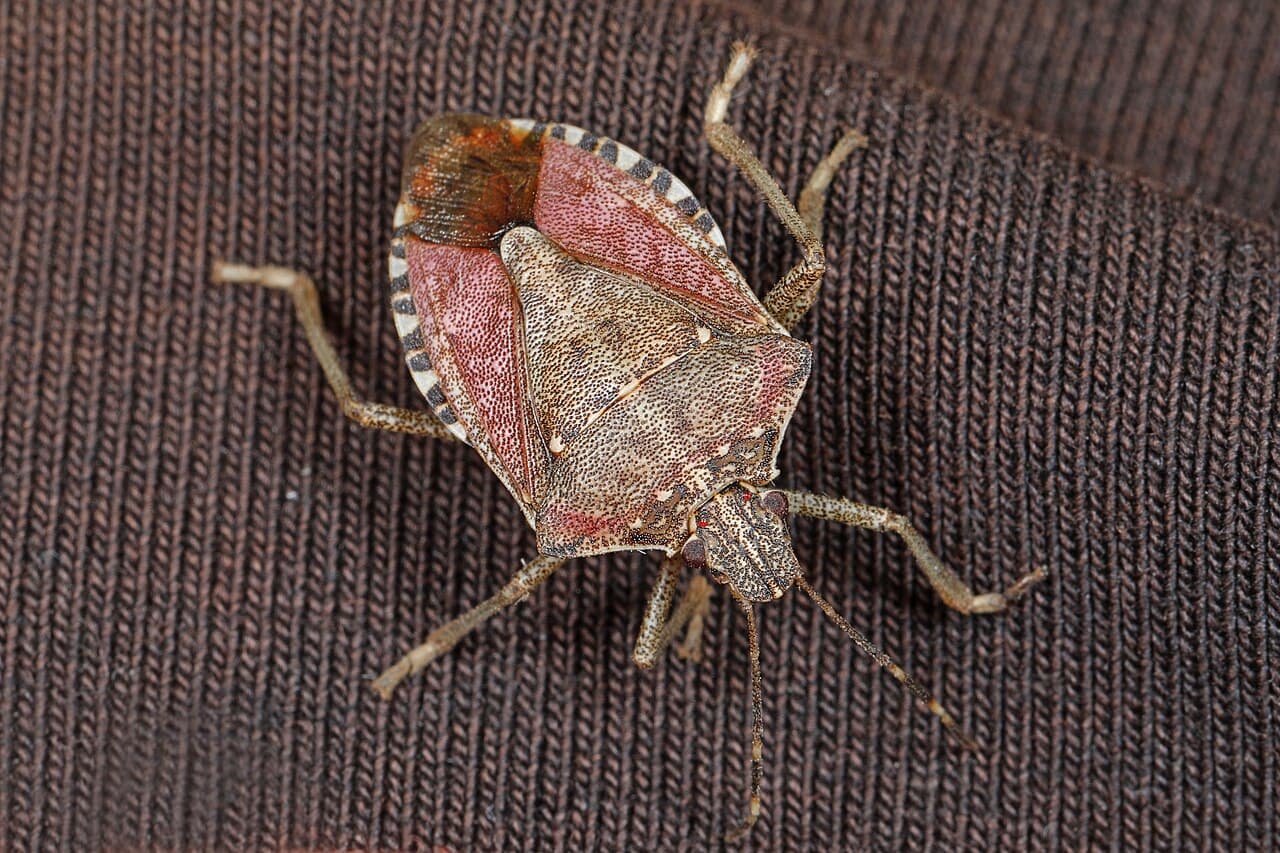
Timing. Seasonal invaders are only worth treating at the right moment. Virginia Tech's home pest guide says perimeter applications for brown marmorated stink bugs belong in the first week of September, and for Asian lady beetles in the first week of October.[4] If lady beetles are already entering the home, pesticide applications will not prevent their entry,[4] and well-timed perimeter applications may help reduce stink bugs indoors but cannot eliminate entry in most cases.[4] Paying for a late-October spray after the bugs are inside buys little.
The home itself. Square footage, the number of floors, a crawl space or finished basement, clutter, and how hard the exterior is to reach all change how long a visit takes.
One visit or a plan. Recurring plans spread the cost across the year and usually include callbacks, but you pay for every visit whether or not pests show up. Ask for the price of the whole year, not just the first visit. See how often you should have pest control service for when a plan makes sense.
Professional products and equipment. Part of what you pay for is access. Virginia Tech notes some products are designated for professional use because they are more potent and require specialized training, application equipment or personal protective equipment.[4]
What a good written quote includes
Any company should inspect your home and outline a recommended control program covering the pests to be controlled, the extent of the problem, the active ingredients, their potential health effects, the form of the pesticide and how it is applied, non-chemical alternatives, how to reduce your exposure, and steps to prevent the problem in the future.[1] The EPA's advice is to get bids from two or three companies and look at value more than price, adding that what appears to be a bargain may warrant a second look.[1]
Also look for:
- The number of visits, the interval between them, and the cost of extra visits or callbacks.
- What happens if the pests come back between visits, in writing.
- The license. A pesticide business license is required for any person or business in Virginia that applies or recommends pesticides for compensation, with a separate license for each business location.[2] See whether pest control companies need a license in Virginia for how to check one.
- Insurance. To be licensed, a business must furnish a certificate of insurance showing at least $100,000 for property damage, $100,000 for personal injury to or death of one person, and $300,000 per occurrence.[2]
- A record of what was applied. Licensed pesticide businesses must keep a record of each pesticide applied, including the product name, its EPA registration number, the amount used, the site treated and the pests targeted,[8] so asking for those details on your invoice is reasonable.
Door-to-door offers and automatic renewals
Pest control is often sold at the front door. Under Virginia law, a buyer in a home solicitation sale can cancel until midnight of the third business day after signing,[10] by giving the seller written notice, and the notice does not need any particular form.[10] A home solicitation sale is one made at your residence through personal solicitation, and it does not include cash sales under $25 or sales that follow prior negotiations between you and the seller.[9] Keep a copy of the contract and of your notice.
Many plans renew on their own. Under Virginia law, a seller of an automatic renewal or continuous service must present the renewal terms clearly before you are obligated, give you an acknowledgment with the terms and how to cancel, and provide an easy-to-use way to cancel.[11] Read those terms before you sign, and put the renewal date in your calendar.
Stop and call a pro if
- You see cockroaches, or bugs biting people in the home. See what cockroach extermination costs in Virginia.
- Winged insects swarm indoors or you find piles of shed wings, which can mean termites.
- Pests keep coming back after you have sealed gaps, fixed moisture problems and cleaned up food sources.
- The treatment you need calls for professional-use products or equipment.
Getting help on Loclis
Browse general pest control services, find pest control businesses around Blacksburg or see more pest control answers. When you are ready, describe the job on Loclis so licensed pest control businesses can quote the same scope in writing.
Common questions
- Why won't a pest control company give me a price over the phone?
- The price depends on the pest, how far it has spread, the size and layout of the home and how many visits the job needs, which a company usually has to see. A careful company inspects first and then outlines a written plan with the price.
- Is a recurring pest control plan cheaper than one-time treatments?
- It depends on the pest. A plan spreads the cost over the year and often includes callbacks, but many homes do not need routine treatment. Compare the full yearly cost of the plan with what you would likely pay for one or two targeted visits.
- Can I cancel a pest control contract I signed at my door?
- Usually, if a salesperson came to your home uninvited. Virginia law gives a buyer in a home solicitation sale until midnight of the third business day after signing to cancel by written notice to the seller. Cash sales under $25 and sales after prior negotiations are not covered.
- What should a pest control invoice show?
- Ask for the products applied, their EPA registration numbers, the amounts used and the areas treated. Licensed Virginia pesticide businesses must keep those details for each application, so putting them on your invoice is a reasonable request.
- Do I need to pay a pro for stink bugs or lady beetles?
- Often not. Vacuuming them up and sealing gaps before late summer does most of the work. A perimeter treatment only helps when it is timed before they start entering, and it will not stop bugs already coming inside.
Sources
- [1] Citizen's Guide to Pest Control and Pesticide Safety, U.S. Environmental Protection Agency. Checked October 26, 2026.
- [2] Pesticide Business License, Virginia Department of Agriculture and Consumer Services. Checked October 26, 2026.
- [3] An Introduction to Integrated Pest Management, Virginia Cooperative Extension, Virginia Tech. Checked October 26, 2026.
- [4] 2026 Pest Management Guide: Home Grounds and Animals, Nuisance Insects of the House and Yard, Virginia Cooperative Extension, Virginia Tech. Checked October 26, 2026.
- [5] Wolf Spiders and Nursery Web Spiders, Virginia Cooperative Extension, Virginia Tech. Checked October 26, 2026.
- [6] Ground Beetles, Virginia Cooperative Extension, Virginia Tech. Checked October 26, 2026.
- [7] Drain Fly, Virginia Cooperative Extension, Virginia Tech. Checked October 26, 2026.
- [8] 2VAC5-680-65. Recordkeeping of pesticide applications by licensed pesticide businesses, Virginia General Assembly, Legislative Information System. Checked October 26, 2026.
- [9] Code of Virginia § 59.1-21.2. Definitions (home solicitation sales), Virginia General Assembly, Legislative Information System. Checked October 26, 2026.
- [10] Code of Virginia § 59.1-21.3. Cancellation of sale, Virginia General Assembly, Legislative Information System. Checked October 26, 2026.
- [11] Code of Virginia § 59.1-207.46. Making automatic renewal or continuous service offer to consumer, Virginia General Assembly, Legislative Information System. Checked October 26, 2026.
Want a pro to handle it?
Describe the job once. Licensed local businesses send quotes, and you pay only when you book one.
Get a quote from a local pro