Why do I suddenly have so many bugs in my house?
A sudden wave of bugs usually has a seasonal or a moisture cause. In Virginia, stink bugs, lady beetles, wolf spiders and millipedes move indoors in late summer and fall, outdoor lights draw beetles at night, and damp basements draw crickets and sowbugs. Bugs that keep appearing in one room often point to a breeding source indoors, such as infested pantry food or a slimy drain.
Free to ask. Local shops send quotes, and you pay only when you book one.
By Kasra Taheri, Founder, LoclisPublished
Researched and drafted with AI, then checked claim by claim against the sources listed below before it was published. Prices and rules change; the dates beside each source say when it was last checked.
Step by step
Read when to stop and call a pro, further down this page, before you start.
Step 1: Note when and where you see them
Write down the room, the time of day and the time of year, since seasonal invaders and indoor breeders show different patterns.
Step 2: Catch one and identify it
Trap a specimen and have it identified, for example through your local Extension office, before choosing any treatment.[10]
Step 3: Check the outdoor lights
If beetles gather at doors at night, leave lights off when not needed or switch to lower-intensity or motion-activated lights.[5]
Step 4: Look for damp spots
Check the basement, crawl space and under sinks for leaks, standing water or high humidity, and fix what you find.[11]
Step 5: Inspect the pantry and pet food
Look for webbing, larvae or moths in grains, cereal, nuts, birdseed and dry pet food, and throw out anything infested.[7]
Step 6: Test slow drains
Tape a suspect drain overnight, sticky side down; flies stuck to it mean the drain needs scrubbing.[8]
Step 7: Vacuum what is inside
Vacuum up stink bugs, lady beetles, millipedes and stray beetles, and empty the vacuum outdoors.[1]
Step 8: Seal the gaps
Caulk cracks around windows, foundations and pipes, and fit door sweeps and tight screens.[6]
Step 9: Pull mulch and debris back
Rake mulch, leaves and grass clippings away from the foundation and store firewood away from the house.[4]
A sudden crowd of bugs indoors almost always has a reason you can find: the season changed, something outside is drawing them to the house, the house got damp, or something inside is feeding a population that is breeding. The quickest way to the answer is to notice when they showed up, where you see them, and what they are.
It is late summer or fall: overwintering invaders
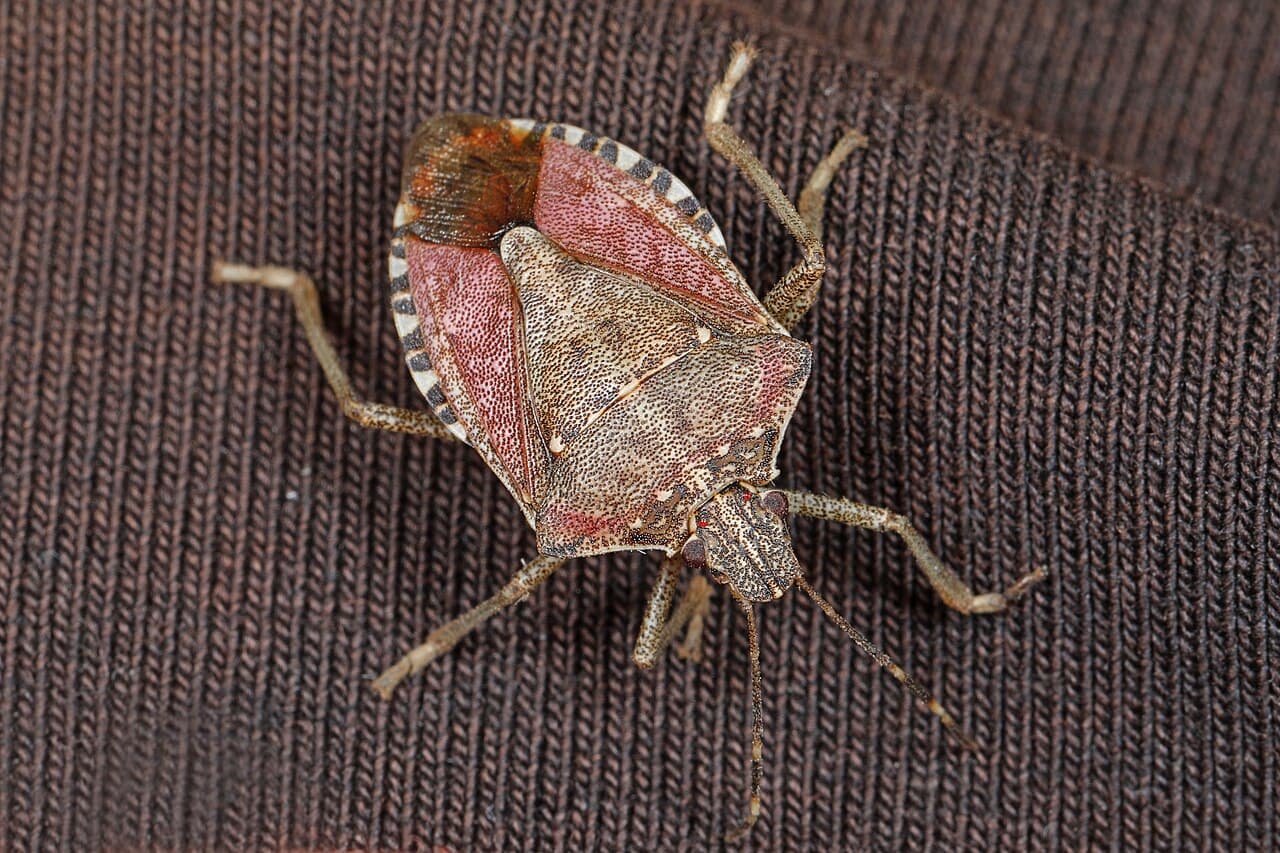
In Virginia, many sudden influxes come as the weather cools. Stink bugs begin aggregating on structures soon after the first cool day in September,[1] and they sometimes move into homes in search of overwintering sites.[2] Stink bugs discharge a foul odor when threatened.[2] Virginia Tech's home pest guide handles Asian lady beetles, boxelder bugs and cluster flies much the same way: seal entry points and vacuum the ones that get in.[1]
Other autumn arrivals include spiders and millipedes. Wolf spiders are commonly found indoors in the fall when they are looking for a warm place for winter.[3] Greenhouse millipedes sometimes infest the garage, basement or other ground-level areas of a house in the fall,[4] but they often cannot survive indoors for long unless the humidity is high,[4] and they are harmless and do not bite or sting.[4]
These bugs are coming in from outside through gaps, which is why sealing and timing matter more than spraying.
They gather at doors at night: the lights
Adult click beetles are attracted to bright lights at night and can be a nuisance around houses in mid to late summer.[5] Ground beetles are attracted to lights too, and yellow lights are less attractive to nocturnal insects than white ones.[6] Ground beetles look alarming running across a floor, but they do not damage food, clothing or structures, and they do not reproduce indoors.[6] If most of your bugs turn up by the front door or a sliding door after dark, change the lighting before anything else.
They are in the basement or after rain: moisture
Even dampness or high humidity can attract pests.[11] Virginia Tech's home pest guide says crickets are controlled by eliminating moist harborage near the house and keeping crawl spaces ventilated and dry,[1] and sowbugs by reducing moist areas around the home and removing leaf piles, grass clippings and old boards.[1] Millipedes favor the same conditions. A wet crawl space, a leaking hose bib or mulch piled against the foundation can bring all of them in. See how to lower humidity in a crawl space and why a crawl space is wet if that is where they are coming from.
They keep appearing in one room: something is breeding
Bugs that turn up in the same room week after week, in any season, usually point to a source indoors.
Pantry moths. Small moths flying in the kitchen, or pale caterpillars on walls and ceilings, are a classic sign. Indian meal moth larvae feed on grains, cereals, pasta, nuts, seeds, chocolate, birdseed and especially dry pet foods,[7] and they often climb walls and ceilings before they pupate.[7] The moth can be active year-round indoors,[7] and the whole life cycle takes about six weeks,[7] so one forgotten bag can produce a lot of moths quickly. Sanitation is key to the control of Indian meal moth:[7] find the infested food, throw it out, vacuum the shelves and store dry goods in sealed containers.
Drain flies. Tiny, fuzzy flies resting on bathroom walls come from drains. The appearance of drain flies in the home usually indicates a slow or clogged drain that needs to be cleaned,[8] and homeowners returning from vacation may find that drain flies have developed in their home while they were away.[8] The fix is mechanical: scrubbing the drain opening with a stiff brush to remove the slime.[8]
Cockroaches. Roaches in the kitchen or bathroom, especially in daylight, are a breeding population. See why you can see roaches in a clean house.
Signs that point to a bigger problem
Winged insects swarming indoors. Winged termites emerging indoors are often the first sign of a subterranean termite infestation,[9] and large numbers of discarded termite wings on windowsills, floors or in spider webs are a sure sign of infestation.[9] Winged ants swarm too, so save a few in a bag and have them identified.
Bugs right after animals were removed. Bat bugs can become a problem after a bird or bat population has been removed from a structure, because they move into the living space looking for a new host.[1]
What to do next
Identify the bug before treating it, because different pests require different control methods.[10] For invaders, vacuum the ones inside; be aware stink bugs will make the vacuum smell strongly of their odor.[1] Then plan for next year. Prior to September, plug openings in windows and vents,[1] since well-timed perimeter applications may help reduce stink bugs indoors but cannot eliminate entry in most cases.[1] Improving the sanitation and maintenance in and around the home is the best way to prevent household insect and spider pests.[1]
Stop and call a pro if
- You find winged insects swarming indoors, shed wings on sills, or mud tubes on the foundation. Termites are licensed work.
- The bugs are biting people, or you see cockroaches or bed bugs.
- Bugs appear after bats or birds were removed from the attic.
- Numbers keep rising after you have sealed gaps, fixed moisture and cleaned out food sources.
Getting help on Loclis
Read how to get rid of spiders in the house, browse general pest control services, find pest control businesses around Blacksburg or see more pest control answers. When you are ready, describe the job on Loclis so licensed pest control businesses can quote it in writing.
Common questions
- Why are there so many stink bugs in my house in the fall?
- Brown marmorated stink bugs gather on buildings soon after the first cool days of September and move inside looking for a place to spend the winter. Vacuum them up and seal openings around windows and vents before next September.
- Why do bugs come in after it rains?
- Very wet or very dry weather can push millipedes and other ground-dwelling creatures to move, and many head for cool, damp basements and garages. They usually cannot survive long indoors unless humidity is high, so a dehumidifier and sealing gaps at ground level help.
- Do a lot of bugs mean my house is dirty?
- Not necessarily. Many invaders, such as stink bugs, lady beetles and millipedes, come in from outside regardless of how clean the home is. Pantry moths, drain flies and cockroaches are different: they breed indoors, so finding and cleaning their source matters.
- How can I tell if the flying bugs are termites?
- Winged insects swarming indoors, especially near windows and lights, and piles of shed wings on sills or floors are warning signs of subterranean termites. Save a few in a sealed bag and have them identified, then call a licensed pest control company if they are termites.
- Will spraying the outside of the house stop the bugs?
- Often not by itself. For stink bugs, perimeter treatments only help when they are applied before the bugs start entering, and even then they cannot stop all of them. Sealing gaps, fixing moisture and adjusting lights do more for most invaders.
Sources
- [1] 2026 Pest Management Guide: Home Grounds and Animals, Nuisance Insects of the House and Yard, Virginia Cooperative Extension, Virginia Tech. Checked October 26, 2026.
- [2] Stink Bugs, Virginia Cooperative Extension, Virginia Tech. Checked October 26, 2026.
- [3] Wolf Spiders and Nursery Web Spiders, Virginia Cooperative Extension, Virginia Tech. Checked October 26, 2026.
- [4] Greenhouse Millipedes, Virginia Cooperative Extension, Virginia Tech. Checked October 26, 2026.
- [5] Click Beetles, Virginia Cooperative Extension, Virginia Tech. Checked October 26, 2026.
- [6] Ground Beetles, Virginia Cooperative Extension, Virginia Tech. Checked October 26, 2026.
- [7] Indian Meal Moth, Virginia Cooperative Extension, Virginia Tech. Checked October 26, 2026.
- [8] Drain Fly, Virginia Cooperative Extension, Virginia Tech. Checked October 26, 2026.
- [9] Signs of Subterranean Termite Infestation, Virginia Cooperative Extension, Virginia Tech. Checked October 26, 2026.
- [10] An Introduction to Integrated Pest Management, Virginia Cooperative Extension, Virginia Tech. Checked October 26, 2026.
- [11] Citizen's Guide to Pest Control and Pesticide Safety, U.S. Environmental Protection Agency. Checked October 26, 2026.
Want a pro to handle it?
Describe the job once. Licensed local businesses send quotes, and you pay only when you book one.
Get a quote from a local pro