How much does Venetian plaster cost in Virginia?
There is no single Virginia price, because Venetian plaster is quoted by the job, not by a standard rate. The cost depends on wall condition and prep, the number of troweled coats, the product, the topcoat and wax, ceiling height and the finisher's skill. Get at least three written bids on the same specifications, from a licensed contractor.
Free to ask. Local shops send quotes, and you pay only when you book one.
By Kasra Taheri, Founder, LoclisPublished
Researched and drafted with AI, then checked claim by claim against the sources listed below before it was published. Prices and rules change; the dates beside each source say when it was last checked.
Step by step
Read when to stop and call a pro, further down this page, before you start.
Step 1: Choose the look and the walls
Decide which walls get the finish and whether you want a subtle movement or a polished, deep look, since that sets the number of coats.
Step 2: Measure wall area
Measure the wall area in square feet, not the floor area, and note ceiling height and any stairwells or tall walls.
Step 3: List the repairs
Note cracks, dents, texture and old paint on the walls, because the surface must be smooth before the finish goes on.[1]
Step 4: Collect three written bids
Ask at least three licensed contractors for written bids based on the same plans and specifications.[2]
Step 5: Compare what each bid includes
Check each bid for primer, sanding, the number of coats, the topcoat or wax, protection of floors and furniture, and clean-up.
Step 6: Look up the licence
Verify each contractor's licence on DPOR's licence lookup before you sign.[2]
Step 7: Limit the deposit
Agree a deposit of no more than 10% of the price or $1,000, whichever is less, and tie later payments to the work done.[2]
There is no single Virginia price for Venetian plaster. It is a hand-troweled finish, so contractors price the job by the walls, the prep they need and the look you want, not from a rate card. What you can do is understand what drives the price, so that written quotes can be compared fairly.
What drives the price
Wall condition and prep. The finish shows every flaw underneath. Drywall must be primed and sanded smooth before application.[1] A wall with cracks, nail pops, heavy texture or old paint in poor shape needs repair first, and that is often a separate line on a bid. Compare it with patching and painting a wall.
Number of coats and the look. On interior drywall, Romabio says to apply one coat of primer, let it dry overnight, lightly sand, then trowel on a first and second coat.[1] The manufacturer says a coat is dry to the touch within 30 minutes and can be over-coated after 4 to 6 hours under ideal conditions.[1] A subtle, matte movement takes fewer passes than a deep, polished look, and every extra pass adds labor.
Skill. The manufacturer recommends a stainless steel or plexiglass trowel to create movement and depth.[1] Getting an even, natural-looking result is a craft, and finishers who do it well charge for it. A cheap quote is a reason to ask to see finished walls.
Wall area and layout. Ceiling height, stairwells, many corners and tight areas slow the work. Measure wall area, not floor area.
Material. Coverage varies by product. For one lime plaster paint, a 1 liter container covers approximately 40 to 100 square feet of interior drywall undiluted, and a 15 liter container covers approximately 600 to 1,500 square feet.[1] Actual coverage depends heavily on the type of application, the surface, texture, dilution and absorption,[1] so ask the contractor how much they expect to use. Ask which product is quoted and what it costs per container, because products differ.
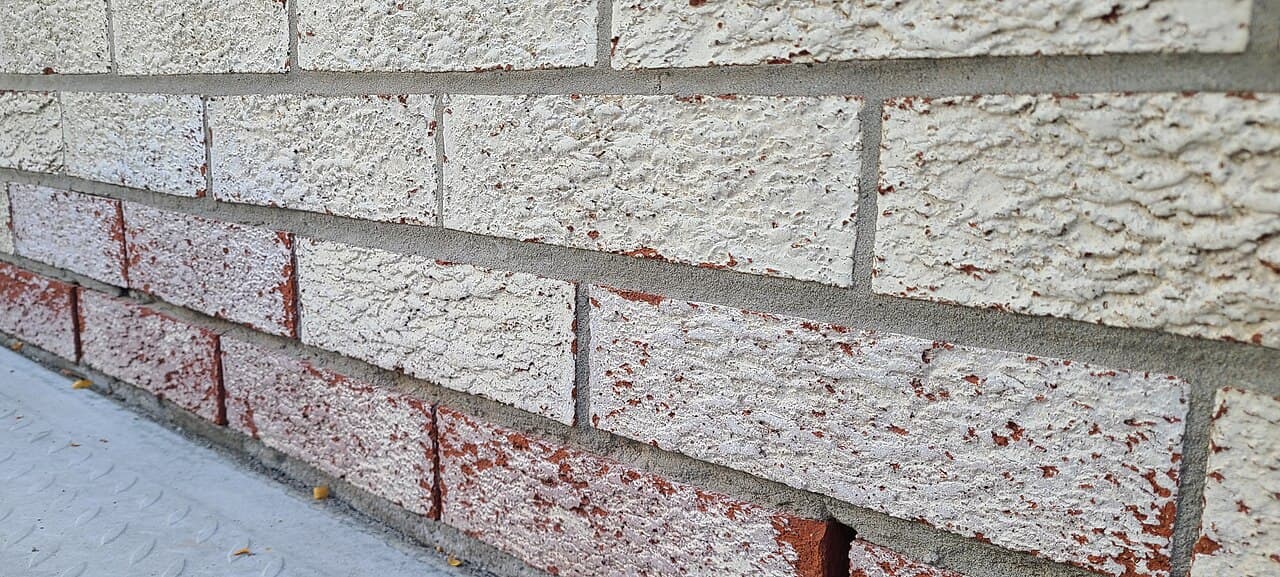
Topcoat or wax. The manufacturer says you can protect the finish with a plaster wax or a clear topcoat,[1] so ask whether the bid includes one and which. A wall that gets touched, such as a hallway or bathroom, may need more care than a bedroom accent wall.
Why a bid with no details is not a bid
Ask each contractor to put the same things in writing: the walls covered, the repairs, the primer, the number of coats, the topcoat or wax, floor and furniture protection, the schedule and the total. The Board for Contractors advises you to get at least three written bids,[2] and Virginia law requires all licensed contractors to provide a written contract for residential work.[2]
To find and vet a finisher, see who does Venetian plaster and limewash in Virginia. For a plain painting job, how much it costs to paint a room in Virginia is a useful comparison.
Licence, deposit and payment
A plaster finisher doing paid work is doing contracting work. The Board for Contractors says that if the work you are considering is valued at $1,000 or more, a valid Virginia contractor's license is required for the license category in which the contractor is to work.[2] The lowest class, Class C, is for a single contract or project over $1,000 but less than $30,000.[3] Painting and wallcovering contracting is defined as the application of materials common to the painting and decorating industry for protective or decorative purposes,[4] so ask the contractor which classification they hold for your job, then check it on DPOR.
On the deposit, the Board for Contractors gives a rule of thumb of an initial deposit of no more than 10% of the total price or $1,000, whichever is less,[2] and says a reasonable deposit could be as high as 30% of the total contract value if the job needs custom-made items or special orders.[2] The Board also advises never paying cash and retaining a portion of the payment, ordinarily 10 percent, until the job is completed.[2]
Stop and call a pro if
- The walls are damaged or out of true. Cracks, water stains or soft spots mean the wall needs repair before any finish, and the cause of water stains needs finding.
- The plaster finish is a ceiling, a bathroom or a high stair wall. These need scaffolding or special sealing.
- A quote is far below the others or the contractor will not put the coats, products and topcoat in writing.
- The contractor cannot show a licence number you can look up on DPOR.
Read how to choose paint colors for a house before you decide on a colour, and see the other painting answers or browse the painting category.
To get prices for your own walls, describe the job once and local painters will quote it.
Common questions
- Why do Venetian plaster quotes vary so much?
- Because the job is mostly labor and skill. Quotes differ in wall prep, the number of troweled coats, the product, the topcoat or wax, and the finisher's experience, so compare what each bid includes rather than the totals.
- How long does a Venetian plaster finish take to apply?
- Longer than paint. For one lime plaster paint, the manufacturer says a coat is dry to the touch within 30 minutes and can be over-coated after 4 to 6 hours under ideal conditions, and the primer needs to dry overnight first.
- Is it cheaper to do it myself?
- Materials are only part of a pro's price, but the finish is hard to repair if you are not practised. Practise on a spare board of primed drywall first, and see the limewash guide for brick, which is more forgiving.
- Does a Venetian plaster contractor need a licence in Virginia?
- If the work is valued at $1,000 or more, the Board for Contractors says a valid Virginia contractor's licence is required for the licence category in which the contractor is to work. Look the licence up on DPOR before you pay a deposit.
- How much deposit is reasonable?
- The Board for Contractors suggests an initial deposit of no more than 10% of the total price or $1,000, whichever is less, and says a reasonable deposit could be as high as 30% of the total contract value for custom or special-order items.
Sources
- [1] Venetian Glaze Plaster Paint for Walls and Stone, Romabio (lime plaster paint manufacturer). Checked October 27, 2026.
- [2] What You Should Know Before You Hire a Contractor, Virginia Board for Contractors, DPOR. Checked October 27, 2026.
- [3] Va. Code § 54.1-1100. Definitions, Code of Virginia, Virginia General Assembly. Checked October 27, 2026.
- [4] 18VAC50-22-30. Definitions of specialty services (Board for Contractors Regulations), Virginia Administrative Code, Virginia General Assembly. Checked October 27, 2026.
Want a pro to handle it?
Describe the job once. Licensed local businesses send quotes, and you pay only when you book one.
Get a quote from a local pro