How much does water damage repair cost in Virginia?
There is no single Virginia price for water damage repair, and no public source we could find dates one. The bill depends on how long the materials stayed wet, what the water was, how much has to be torn out and rebuilt, and whether insurance pays. Photograph everything, report the loss, and get written, itemised quotes.
Free to ask. Local shops send quotes, and you pay only when you book one.
By Kasra Taheri, Founder, LoclisPublished
Researched and drafted with AI, then checked claim by claim against the sources listed below before it was published. Prices and rules change; the dates beside each source say when it was last checked.
Step by step
Read when to stop and call a pro, further down this page, before you start.
Step 1: Photograph the damage first
Take photographs showing how everything looks before you clean or repair, and keep receipts for clean-up expenses.[1]
Step 2: Stop the source and note it
Write down where the water came from and when you noticed it, because the cause decides who pays and which trade does the repair.
Step 3: Report the loss
Call your insurance agent or the claims department of your insurer before you sign any repair contract.[1]
Step 4: Start drying promptly
Dry water-damaged areas and items within 24 to 48 hours to prevent mold growth.[2]
Step 5: Check each contractor's licence
Look up every bidder with DPOR before you accept a quote.[4]
Step 6: Get at least three written bids
Give each contractor the same description of the work so the bids can be compared.[4]
Step 7: Compare scope, not totals
Line the bids up item by item: demolition, drying, rebuild, finish and what happens if hidden damage turns up.
The honest answer
Water damage repair has no single Virginia price. Drying out a wet wall and rebuilding a flooded basement are both called water damage repair, and they sit far apart. We looked for a Virginia government, university or manufacturer source that dates a price and found none, so this page gives you what controls the bill, how insurance fits in, and how to get quotes you can trust.
What moves the price
How long it stayed wet. The EPA says it is important to dry water-damaged areas and items within 24-48 hours to prevent mold growth.[2] Material dried inside that window can often stay. Material left wet turns a drying job into a tear-out job.
What was wet. Hard surfaces can be cleaned and dried. Absorbent or porous materials, such as ceiling tiles and carpet, may have to be thrown away if they become moldy.[2] Drywall, insulation and flooring are where the replacement line items come from.
What the water was. Clean supply-line water is the cheapest case. If the water and/or mold damage was caused by sewage or other contaminated water, then call in a professional who has experience cleaning and fixing buildings damaged by contaminated water.[3] Expect that to cost more, and expect the contractor to say why.
How much mold there is. The EPA says that if the moldy area is less than about 10 square feet, in most cases you can handle the job yourself; with more water damage or more mold than that, it points to its guidance for larger jobs.[3] Large mold growth adds a separate line item for mold remediation.
Rebuild and finish. After demolition and drying comes replacement: drywall, paint, flooring, trim. A quote that stops at drying is only the first half of the price.
Hidden damage. A contractor can only price what is visible. A good quote names what happens if more damage turns up behind the wall, and at what unit price.
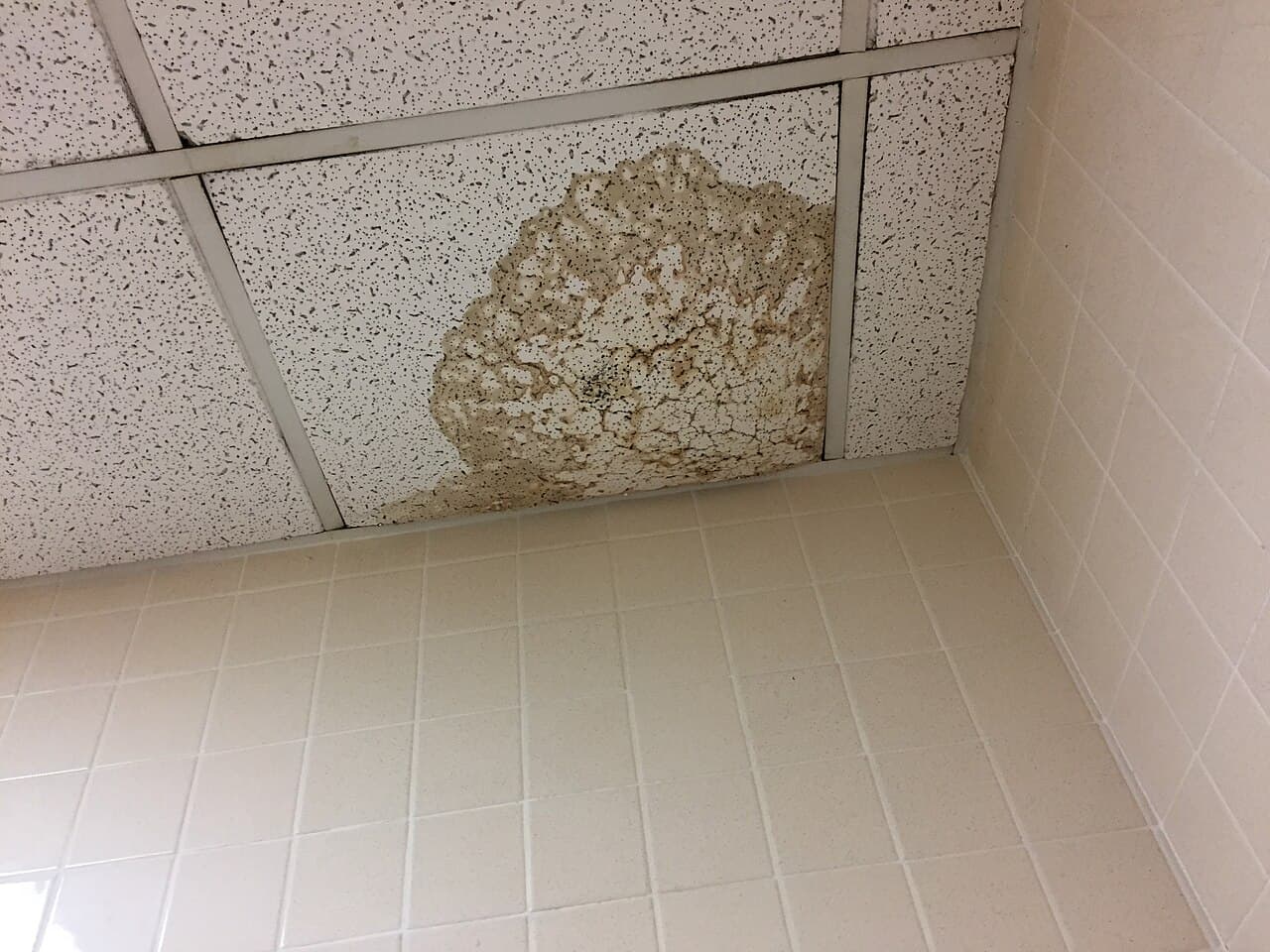
Insurance changes who pays
Whether insurance pays depends on the cause. The Virginia Bureau of Insurance notes that standard homeowners policies do not cover flood damage.[1] A burst pipe is a different case from rising water, so ask your agent which one yours is.
The Bureau's guidance for after a loss is practical. Take photographs to show the way things look before you begin cleaning and repairing, and be sure to keep receipts for all of your clean-up expenses.[1] Most homeowners policies cover the reasonable costs of emergency clean-up and temporary repairs.[1] Do not throw out anything until it has been seen: you should not dispose of any items that you believe may be a complete loss until the company representative has examined them.[1] Insurers must also act on your claim: insurance companies are required to acknowledge the receipt of your claim within 10 working days.[1]
Timing matters for contracts. The Bureau advises: obtain written estimates before repairs begin, and do not sign any contracts for major repair until the company representative has determined how much damage there is and how much the company will pay.[1] For first steps in the hours after a leak, see what to do first after water damage.
How to get quotes you can compare
DPOR's guide advises you to solicit at least three bids for the work you need, and not automatically accept the lowest.[4] Make sure all bids are based on the same set of specifications.[4] Ask each bidder to price:
- water extraction, drying and monitoring
- demolition and disposal, listed by room and material
- rebuild: drywall, insulation, flooring, trim and paint
- permit and inspection fees, if the work needs them, and who applies
- what happens if hidden damage turns up, with a unit price
For a firm that does the drying and the rebuild, see how to choose a water damage restoration company and what restoration costs.
Who may do the work and how to pay
DPOR says a valid Virginia Contractor’s License is required for the license category in which the contractor is to work.[4] Look up the licence number and class before you sign. Its guide gives a rule of thumb for the deposit: an initial deposit of no more than 10% of the total price, or $1,000, whichever is less.[4] The Bureau of Insurance adds that it is highly unlikely that a reputable contractor would request full payment in advance.[1] Tie later payments to finished work.
Stop and call a pro if
- Sewage or contaminated water is involved. The EPA says to bring in a professional experienced with that kind of damage.[3]
- Mold covers more than about 10 square feet, or the area has stayed wet beyond a day or two.[3]
- Water has reached insulation, electrical outlets or the ceiling below. Stay out of standing water near outlets, cords or appliances, and have a licensed electrician check the wiring before you use it again.
- A quote is far below the others, leaves out rebuild and finish, or comes with a request for most of the money first.
- The cause is not fixed. Repairs over a continuing leak fail, and the bill repeats.
Getting help in Virginia
Read what to do first after water damage before you compare bids, browse water damage restoration businesses, or see more home repair answers.
When you are ready, describe the damage once and licensed local contractors quote it.
Common questions
- Why can't you give a typical price for water damage repair?
- Because the phrase covers a stained ceiling patch and a gutted, rebuilt floor. We found no Virginia government or manufacturer source that dates a water damage repair price, so this page lists what drives the bill and how to get quotes you can compare.
- Does homeowners insurance pay for water damage?
- It depends on the cause and your policy. The Virginia Bureau of Insurance says standard homeowners policies do not cover flood damage, and that most policies cover the reasonable costs of emergency clean-up and temporary repairs. Ask your agent which applies to your loss before you sign anything.
- How quickly does water-damaged material need to dry?
- The EPA says to dry water-damaged areas and items within 24 to 48 hours to prevent mold growth. Material that stays wet longer is more likely to need replacing than drying, which is what pushes the cost up.
- Should I throw away damaged items before the adjuster comes?
- No. The Bureau of Insurance says you should not dispose of any items you believe may be a complete loss until the company representative has examined them. Photograph them first and keep your receipts.
- How much should I pay a contractor up front?
- DPOR gives a rule of thumb of an initial deposit of no more than 10% of the total price or $1,000, whichever is less. The Bureau of Insurance adds that a reputable contractor is highly unlikely to ask for full payment in advance.
- Do I need a licensed contractor for water damage repair?
- DPOR says a valid Virginia contractor's licence is required for the licence category in which the contractor is to work, and its guide applies that to work valued at $1,000 or more. Check the licence class matches the job, and look the number up with DPOR.
Sources
- [1] When Disaster Strikes: Insured Homeowners Loss, Bureau of Insurance, Virginia State Corporation Commission. Checked October 27, 2026.
- [2] A Brief Guide to Mold, Moisture and Your Home, U.S. Environmental Protection Agency. Checked October 27, 2026.
- [3] Mold Cleanup in Your Home, U.S. Environmental Protection Agency. Checked October 27, 2026.
- [4] What You Should Know Before You Hire a Contractor, Virginia Board for Contractors, DPOR. Checked October 27, 2026.
Want a pro to handle it?
Describe the job once. Licensed local businesses send quotes, and you pay only when you book one.
Get a quote for Home Repair