How often should a home's wiring be inspected?
The U.S. Consumer Product Safety Commission says there are no hard and fast rules, but its rule of thumb is: if the last inspection was 40 or more years ago it is overdue, 10 to 40 years ago it is advisable, and under 10 years it is not needed unless warning signs appear or temporary wiring was added. Inspect sooner when buying, renovating or adding big loads.
Free to ask. Local shops send quotes, and you pay only when you book one.
By Kasra Taheri, Founder, LoclisPublished
Researched and drafted with AI, then checked claim by claim against the sources listed below before it was published. Prices and rules change; the dates beside each source say when it was last checked.
This is a job for a licensed pro in Virginia
This page explains what the work involves, the permits, what a licensed pro does and what drives the cost. It does not give step-by-step instructions, because this work needs a licence, a permit or both, and doing it wrong can injure someone. Before you hire, check the licence on Virginia's DPOR record.
A practical guide to timing comes from the U.S. Consumer Product Safety Commission, which says there are no hard and fast rules on how often to inspect,[1] then gives a rule of thumb based on when the system was last looked at:
- 40 or more years ago: an inspection is overdue.[1]
- 10 to 40 years ago: an inspection is advisable, especially if large electrical loads such as high-wattage appliances, lights, outlets or extension cords have been added, or warning signs are present.[1]
- Less than 10 years ago: an inspection should not be needed unless warning signs appear or temporary wiring has been added.[1]
On top of that schedule, certain events call for an inspection whatever the date.
Why wiring needs checking at all
Wiring has no moving parts, so it is easy to forget. The CPSC's point is that the wiring system ages and wears out like the rest of the house.[1] Its investigators found homes 40 to 100 years old that had not been inspected since they were built.[1] The U.S. Fire Administration makes the same point about load: many older homes have wiring that is deteriorating, inappropriately amended, or insufficient for the loads of a modern household.[3]
Over the decades owners add circuits, extension cords and appliances the original wiring was never sized for, and overloading heats wiring that may already be deteriorating.[3] An inspection is how that gets caught before it shows up as heat.
Finding out when it was last inspected
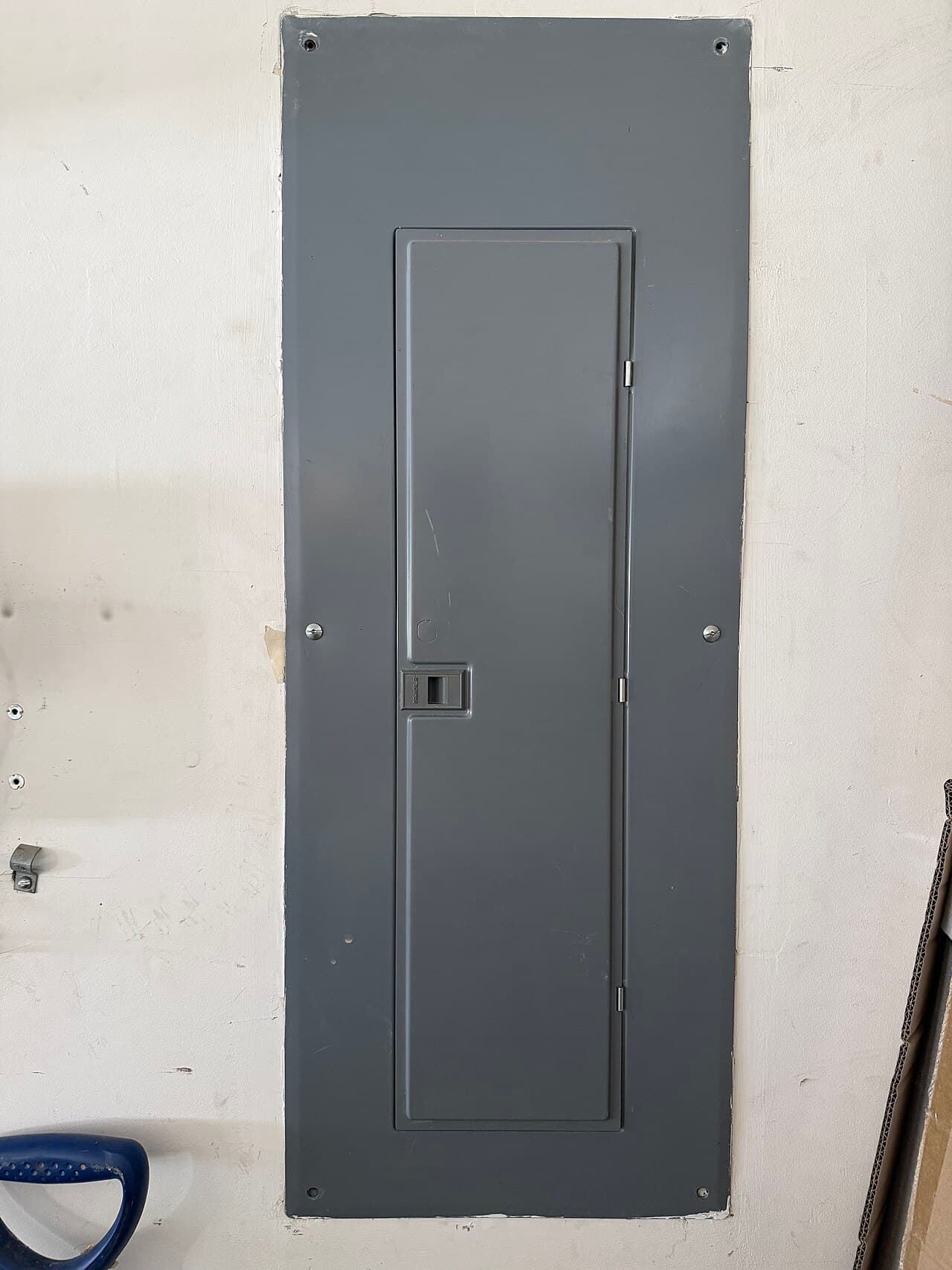
Start with the panel itself. The CPSC suggests you look on the panel door and cover for a label or tag with a date and a signature or initials, and treat the most recent date as the last inspection.[1] Where no state or local inspectors serve the area, so no record will be found on the panel, use the age of the house as the guide.[1] Your county or city building department may also have permit records for past electrical work on the address.
Do not take the panel cover off to look. That is a job for an electrician.
Events that call for an inspection now
Whatever the schedule says, book one when:
- You are buying the house. Virginia's disclosure law puts the burden on you: buyers are advised to exercise whatever due diligence they deem necessary, including obtaining a home inspection.[6] Follow up any electrical findings with an electrician before closing.
- You are adding a big load. An EV charger, heat pump, hot tub or kitchen remodel adds demand. The new wiring needs a permit anyway, since a permit must be obtained before work starts on electric wiring,[5] and it is a good moment to have the rest checked.
- The house may have aluminum wiring. The CPSC notes that cables installed between 1965 and the mid 1970s may contain aluminum wiring.[4]
- You see warning signs. The CPSC's list includes fuses or breakers that need replacing or resetting often, lights that dim or flicker, sizzling or buzzing sounds, switch plates or outlet covers that are "hot-painful to touch or discolored from heat", an odor of hot insulation, and any shock.[1] Warm alone is not the warning. Our list of signs a house needs rewiring goes into each one.
For the kind of inspection to book, the CPSC recommends that a safety inspection be done by a qualified electrician or a licensed electrical inspector.[1] Our guide to what a home electrical inspection includes explains the difference between a home inspection, a permit inspection and an electrician's evaluation.
What you can keep an eye on between inspections
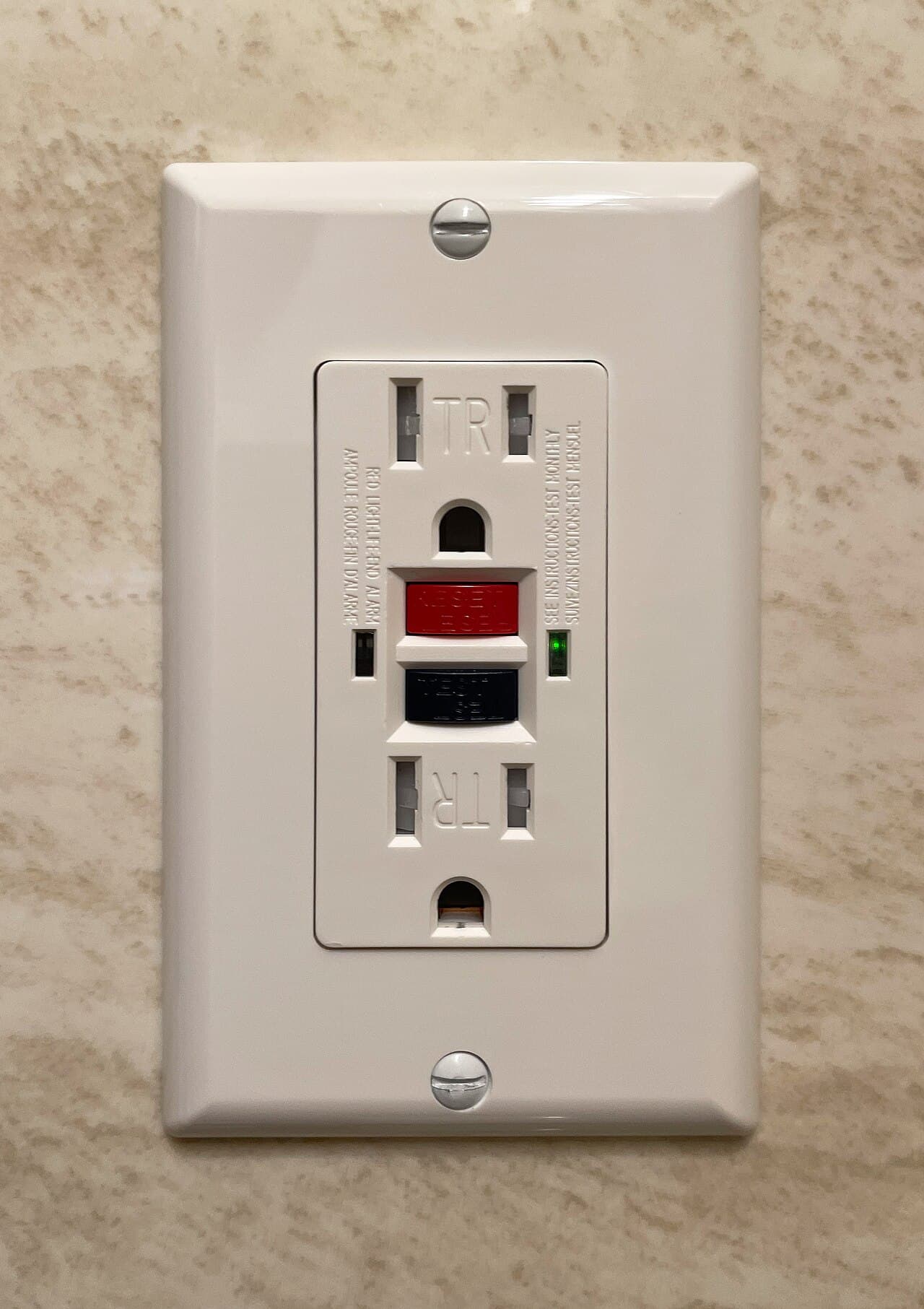
None of this replaces an inspection, but it is the homeowner's share. The CPSC recommends inspecting the electrical products in your home every six months, going over lights, cords, outlets and switches.[2] It also recommends testing every GFCI once a month, and AFCI breakers monthly, using the device's test button.[2] And test smoke alarms every month.[1]
A GFCI that will not trip or reset, or an AFCI that will not trip on test, is a finding for an electrician, not something to keep resetting. For how long a wiring system lasts in the first place, see how long house wiring lasts.
When to call a licensed pro
Book a licensed electrician for the safety evaluation and any repairs. Virginia law defines a tradesman as anyone who works "for the general public for compensation" in the electrical, plumbing or HVAC trades,[7] and no individual may do that work unless licensed.[8] Ask for the findings in writing with each repair priced, and ask which repairs will be permitted and inspected: new or altered wiring needs a permit, but the building code exempts replacing general use switches, dimmers, 125-volt 15- or 20-amp receptacles, light fixtures and ceiling fans in the residential groups it lists.[5]
Call promptly rather than waiting for a convenient date if you see sparks, smell hot insulation, or get a shock from a switch, outlet or appliance; the CPSC warns that any shock, "even a mild tingle," may be a warning of danger.[1] You can check an electrician's licence on DPOR's record before you book.
Book an inspection
Browse Loclis electrical services, find electricians in Blacksburg, or read more electrical answers.
Describe the inspection you want and licensed local electricians quote it.
Common questions
- Is there a set schedule for inspecting a house's wiring?
- The CPSC says there are no hard and fast rules on how often to inspect, and offers its 10- and 40-year rule of thumb instead. Separately, Virginia's building code calls for a permit and inspections when wiring is installed or altered, and Virginia's disclosure law advises buyers to get a home inspection.
- How do I know when my wiring was last inspected?
- The CPSC suggests looking on the panel door and cover for a label or tag with a date and a signature or initials; the most recent date is likely the last inspection. Permit records at your county or city building department can also show past electrical permits. Do not remove the panel cover yourself.
- My house is only 15 years old. Does it need an inspection?
- It depends on when the wiring was last inspected. By the CPSC's rule of thumb, an inspection 10 to 40 years after the last one is advisable, especially if you have added large loads or see warning signs. If the house was inspected less than 10 years ago, one should not be needed unless warning signs appear or temporary wiring has been added. If you do not know the date, start with the panel label.
- What can I check myself between inspections?
- The CPSC suggests going over the electrical products in your home every six months, testing GFCIs and AFCIs monthly with their test buttons, and testing smoke alarms every month. Anything inside the panel or behind a cover plate is for an electrician.
- Does a home inspection count as a wiring inspection?
- Partly. A Virginia home inspection reports on the readily accessible parts of the electrical system, but it is visual and does not review code compliance. If it flags problems, follow up with a licensed electrician.
Sources
- [1] CPSC Guide to Home Wiring Hazards (Publication 518), U.S. Consumer Product Safety Commission. Checked October 26, 2026.
- [2] Home Electrical Safety Checklist (Publication 513), U.S. Consumer Product Safety Commission. Checked October 26, 2026.
- [3] Residential Building Electrical Fires, Topical Fire Report Series Volume 8, Issue 2 (March 2008), U.S. Fire Administration, FEMA. Checked October 26, 2026.
- [4] Repairing Aluminum Wiring (Publication 516), U.S. Consumer Product Safety Commission. Checked October 26, 2026.
- [5] 13VAC5-63-80, Virginia Uniform Statewide Building Code, Section 108 Application for permit, Virginia Administrative Code, Legislative Information System. Checked October 26, 2026.
- [6] Code of Virginia § 55.1-703, Required disclosures for buyer to beware; buyer to exercise necessary due diligence, Code of Virginia, Legislative Information System. Checked October 26, 2026.
- [7] Code of Virginia § 54.1-1128, Definitions, Code of Virginia, Legislative Information System. Checked October 26, 2026.
- [8] Code of Virginia § 54.1-1129, Necessity for licensure, Code of Virginia, Legislative Information System. Checked October 26, 2026.
Want a pro to handle it?
Describe the job once. Licensed local businesses send quotes, and you pay only when you book one.
Get a quote for Electrical Repair