When do I need an electrical inspection in Virginia?
You need a permit and a building department inspection before electric wiring is installed or altered, though swapping ordinary switches, outlets, light fixtures or ceiling fans is exempt. When you buy, Virginia's disclosure law advises buyers to do their own due diligence, including a home inspection. An electrician's inspection makes sense when you see warning signs or the system has gone decades without one.
Free to ask. Local shops send quotes, and you pay only when you book one.
By Kasra Taheri, Founder, LoclisPublished
Researched and drafted with AI, then checked claim by claim against the sources listed below before it was published. Prices and rules change; the dates beside each source say when it was last checked.
This is a job for a licensed pro in Virginia
This page explains what the work involves, the permits, what a licensed pro does and what drives the cost. It does not give step-by-step instructions, because this work needs a licence, a permit or both, and doing it wrong can injure someone. Before you hire, check the licence on Virginia's DPOR record.
In Virginia you need an electrical inspection in three situations: whenever new or changed wiring goes in, when you are buying a house, and whenever the system shows warning signs or has gone decades without a look. The building code requires the first; the other two are how you find problems before they find you.
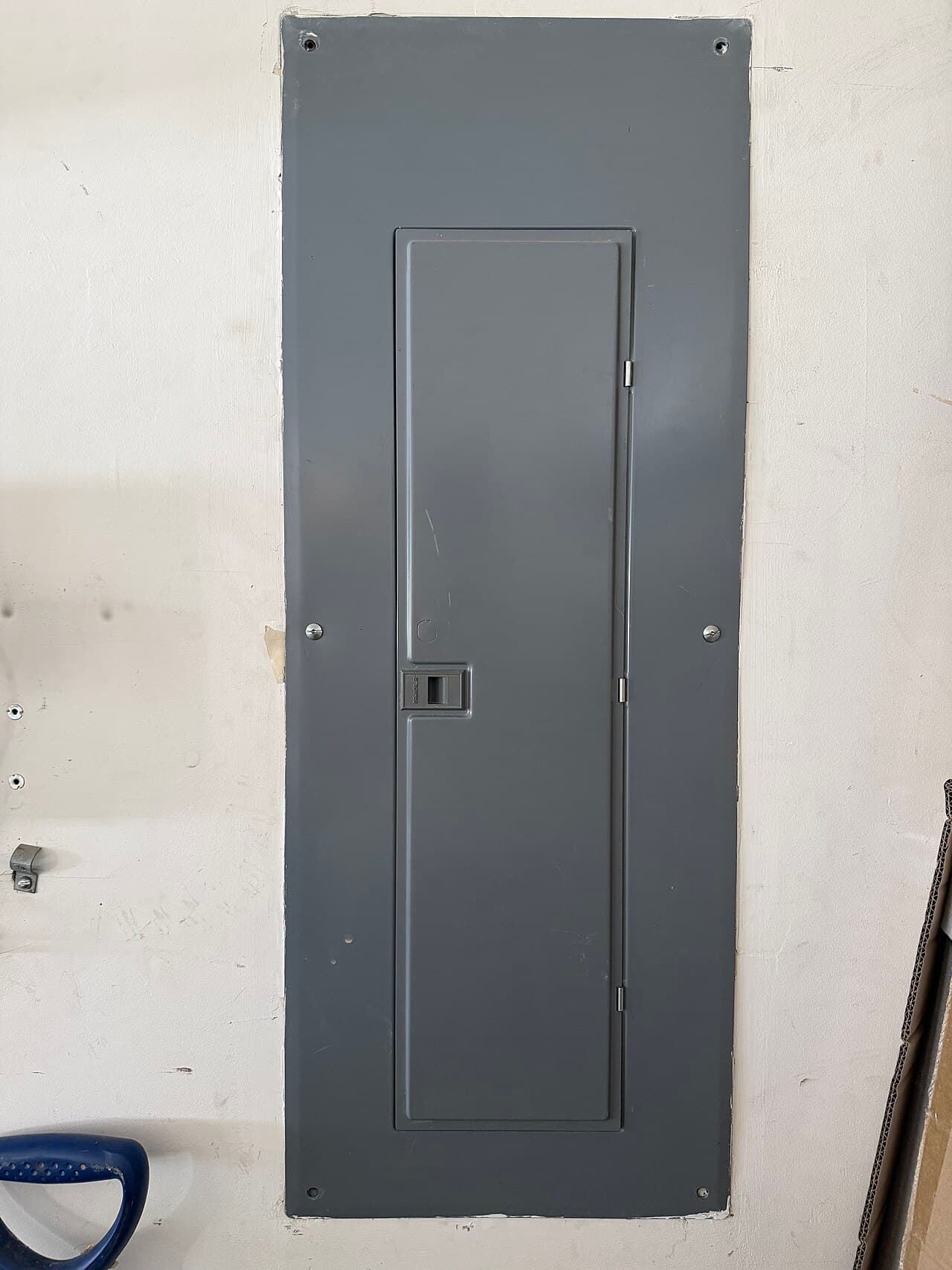
Required: new or changed wiring
Virginia's Uniform Statewide Building Code says a permit must be obtained before work starts on electric wiring.[1] There is one allowance for urgent jobs: for emergency construction, alterations or equipment replacement the application can be filed by the end of the first working day after the work starts.[1]
Once there is a permit, the building department inspects. The code's minimum inspections include inspection of electrical, mechanical and plumbing materials, equipment, and systems prior to concealment,[2] plus a final inspection, and work is not considered in compliance until the inspecting authority approves it.[2] The code does add that where the construction cost is under $2,500 the inspection may be waived at the building department's discretion.[2]
The code does not list jobs one by one. Examples of work that usually involves installing or altering wiring, and so usually needs a permit and inspection, include:
- A new circuit, outlet, switch or fixture location.
- A new or replacement panel, or a service upgrade.
- A circuit for a range, dryer, heat pump, hot tub or EV charger.
- Rewiring part or all of the house.
- Wiring in a basement finish, addition or remodel.
What is exempt
The code does not require a permit for replacing general use snap switches, dimmer and control switches, 125-volt 15- or 20-amp receptacles, light fixtures and ceiling fans,[1] in the code's Groups R-3, R-4 and R-5, and in Group R-2 where serving a single dwelling unit.[1] That covers like-for-like swaps in a typical house or apartment, not moving or adding anything.
If you want an exempt job on the record anyway, the code allows it: if an owner asks for a permit for exempt work, the permit is issued and the inspections are required.[1]
Advised: when you buy a house
Under the Residential Property Disclosure Act, the seller makes no representations or warranties about the condition of the property, and buyers are advised to exercise whatever due diligence they deem necessary, including obtaining a home inspection.[3]
Only a licensed home inspector may perform a home inspection,[4] and a home inspection on a new residential structure can only be done by an inspector with the NRS specialty.[4] The home inspection covers the electrical system along with everything else; see what a home electrical inspection includes. When the report flags the panel, wiring type or missing protection, book a licensed electrician to evaluate it before your inspection contingency runs out. For older houses, read whether knob-and-tube wiring is a problem when buying.
Advised: warning signs or a long gap
The U.S. Consumer Product Safety Commission gives a simple rule of thumb. If your last inspection was 40 or more years ago, an inspection is overdue; between 10 and 40 years ago, an inspection is advisable, especially if large electrical loads have been added or warning signs are present.[8] If you live in an area not served by state or local electrical inspectors, so no record will be found on the panel, use the age of the house as the guide.[8]
The warning signs on its list are worth knowing: fuses or breakers that blow or trip often, dim or flickering lights, sparks, sizzling or buzzing, switch plates or outlet covers that are hot or discoloured, a smell of hot insulation, and any shock, even a mild tingle.[8] Any of those is a reason to call an electrician now, not at the next convenient time.
Two other moments to book an evaluation:
- Aluminum wiring. The CPSC notes that cables installed between 1965 and the mid 1970s may contain aluminum wiring.[9] Houses built or added on in that period are worth checking.
- Before a big new load. An EV charger, heat pump or hot tub adds load to a panel that may already be full. An electrician can check capacity before you buy the equipment.
Our guides to how long house wiring lasts and the signs a house needs rewiring go further on older systems.
When to call a licensed pro
Anyone you hire for the jobs above must be licensed. Virginia law defines a tradesman as anyone who works "for the general public for compensation" in the electrical, plumbing or HVAC trades,[6] and no individual may do that work unless licensed.[5] The electrician you hire should handle the permit. The Board for Contractors is blunt about it: "Anyone who tries to talk you into getting your own building permit is not doing you any favors."[7]
Keep the inspection in your payment terms. The Board advises, "Do not allow work to start until the contractor gives you copies of the officially issued permit(s), as required."[7] And before the last payment: "Make sure all required building inspections have been completed to the satisfaction of the proper authorities."[7] You can check the electrician's licence on DPOR's record first.
Find an electrician
Browse Loclis electrical services, find electricians in Blacksburg, or read more electrical answers.
Describe the job you need permitted and inspected and licensed local electricians quote it.
Common questions
- Does Virginia require an electrical inspection to sell a house?
- The state's Residential Property Disclosure Act does not have the seller vouch for the wiring: the seller makes no representations about the property's condition, and buyers are advised to do their own due diligence, including a home inspection. Ask your city or county whether any local rules apply to your property.
- Do I need a permit to replace an outlet or a light fixture?
- Not for a like-for-like swap of ordinary switches, 15- or 20-amp receptacles, light fixtures or ceiling fans in a typical home; the building code exempts them. Adding a new circuit, outlet or fixture location is new wiring and usually needs a permit and inspection.
- Who schedules the inspection, me or the electrician?
- The permit holder notifies the building official when the work is ready for each inspection. A licensed electrician should pull the permit in the business's own name, so they schedule it. Ask for copies of the permit and the approvals.
- My house has never had its wiring inspected. Is that a problem?
- The CPSC says there are no hard and fast rules about how often to inspect, but it treats an inspection as overdue when the last one was 40 or more years ago, and suggests using the age of the house as the guide where no inspector serves the area and so no record is on the panel. A licensed electrician's safety evaluation is the usual next step.
- Can I pull the electrical permit myself to save money?
- The Board for Contractors warns against it: licensed contractors should apply for and obtain the permits, and the permit holder takes responsibility for the job. If you hire an electrician, the permit belongs in the business's name.
Sources
- [1] 13VAC5-63-80, Virginia Uniform Statewide Building Code, Section 108 Application for permit, Virginia Administrative Code, Legislative Information System. Checked October 26, 2026.
- [2] 13VAC5-63-130, Virginia Uniform Statewide Building Code, Section 113 Inspections, Virginia Administrative Code, Legislative Information System. Checked October 26, 2026.
- [3] Code of Virginia § 55.1-703, Required disclosures for buyer to beware; buyer to exercise necessary due diligence, Code of Virginia, Legislative Information System. Checked October 26, 2026.
- [4] 18VAC15-40-20, Necessity for licensure, Virginia Administrative Code, Legislative Information System. Checked October 26, 2026.
- [5] Code of Virginia § 54.1-1129, Necessity for licensure, Code of Virginia, Legislative Information System. Checked October 26, 2026.
- [6] Code of Virginia § 54.1-1128, Definitions, Code of Virginia, Legislative Information System. Checked October 26, 2026.
- [7] What You Should Know Before You Hire a Contractor, Virginia Board for Contractors, DPOR. Checked October 26, 2026.
- [8] CPSC Guide to Home Wiring Hazards (Publication 518), U.S. Consumer Product Safety Commission. Checked October 26, 2026.
- [9] Repairing Aluminum Wiring (Publication 516), U.S. Consumer Product Safety Commission. Checked October 26, 2026.
Want a pro to handle it?
Describe the job once. Licensed local businesses send quotes, and you pay only when you book one.
Get a quote for Electrical Repair