How do I anchor furniture to the wall so it can't tip over?
Fasten a tip restraint, a strap or bracket, from the top back of the piece to a wall stud, using a wood screw driven into the stud rather than an anchor in bare drywall. Keep the strap short and snug, put the heaviest things in the bottom drawers, and set TVs on low, sturdy furniture or anchor them too.
Free to ask. Local shops send quotes, and you pay only when you book one.
By Kasra Taheri, Founder, LoclisPublished
Researched and drafted with AI, then checked claim by claim against the sources listed below before it was published. Prices and rules change; the dates beside each source say when it was last checked.
Step by step
Read when to stop and call a pro, further down this page, before you start.
Step 1: Pick the pieces to anchor
Start with dressers, chests, bookcases, wardrobes and anything holding a TV, especially in rooms where children sleep or play.
Step 2: Find the restraint kit
Use the strap or bracket that came with the furniture; if it is missing, buy a furniture anti-tip kit with metal brackets and a strap or cable.
Step 3: Empty the piece
Take out the drawers or empty the shelves so the piece is light enough to move and cannot tip on you while you work.
Step 4: Locate a stud
Run a stud finder along the wall at the height of the top of the furniture and mark a stud that sits behind the piece.
Step 5: Fix the bracket to the furniture
Screw the furniture bracket into a solid top rail or side panel near the top, not into the thin back panel.
Step 6: Fix the bracket to the stud
Drive the wood screw from the kit through the wall bracket into the stud, since drywall alone cannot typically hold the pull a tipping piece puts on it.[2]
Step 7: No stud behind it
If no stud lines up, screw a wooden cleat across two studs and fasten the wall bracket to the cleat instead of to bare drywall.
Step 8: Take up the slack
Push the furniture back against the wall and tighten the strap so there is little slack between the two brackets.
Step 9: Test it
Pull gently forward at the top of the piece; it should stop almost at once without the brackets moving or the wall flexing.
Step 10: Load it low
Put the heaviest items in the bottom drawer and open one drawer at a time.[3]
Step 11: Secure the TV
Set a TV on a sturdy, low base, or anchor both the furniture and the TV and push the TV as far back as possible.[1]
Fasten tall or heavy furniture to a wall stud with a tip restraint: a strap or bracket screwed into the top back of the piece and into solid wood in the wall. Drywall on its own is the usual weak point, so the screw that matters most is the one in the stud. Then load the piece from the bottom up and keep TVs low or anchored.
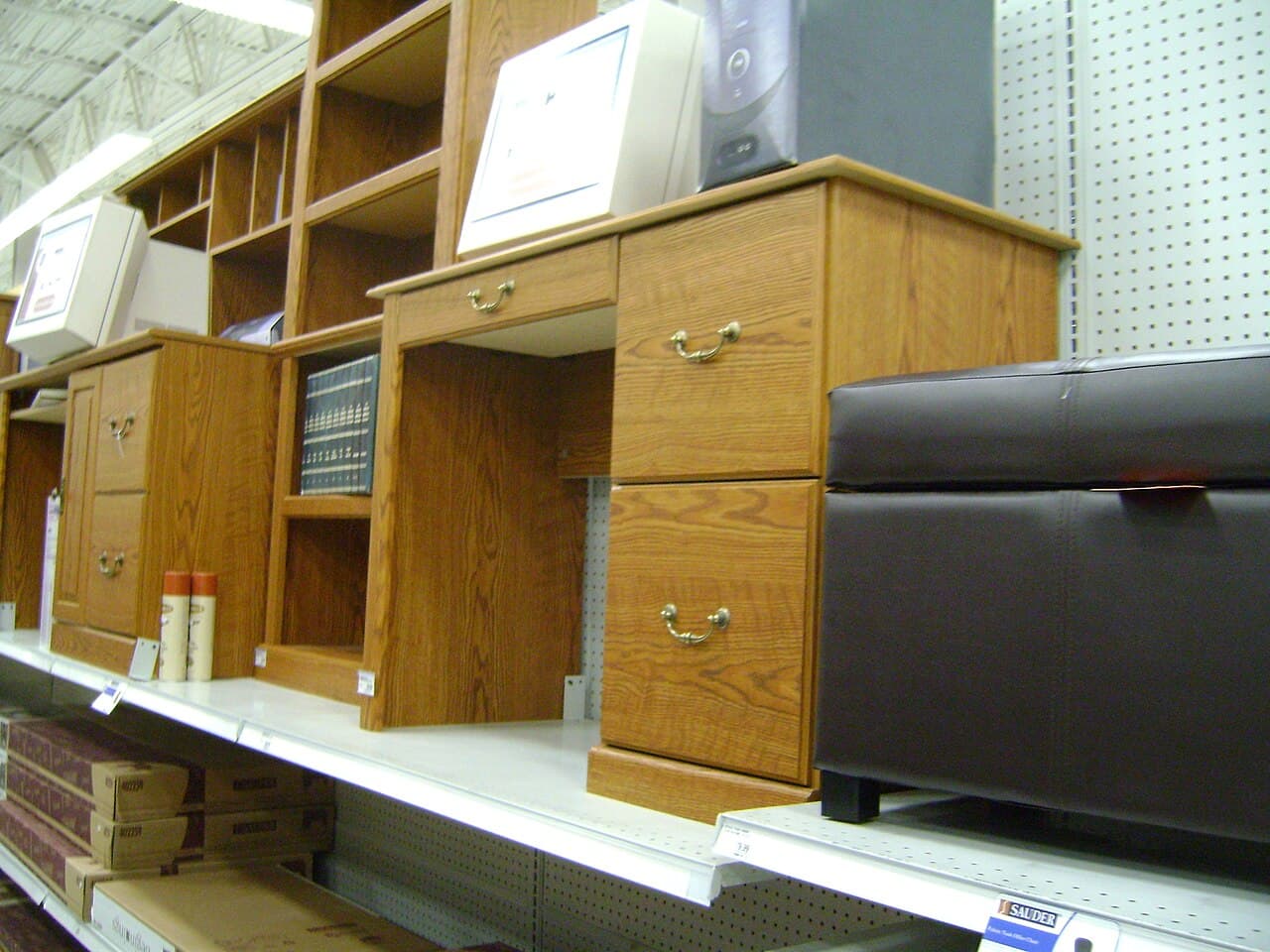
Why it is worth the twenty minutes
Tip-overs mostly hurt small children. CPSC counted 199 tip-over deaths of children involving dressers, chests and other clothing storage furniture reported between January 1, 2000, and April 30, 2022.[3] Most were toddlers: 86 percent of those children were 3 years old or younger,[3] and an estimated annual average of 3,800 injuries to children from these tip-overs were treated in hospital emergency departments from 2006 through 2021.[3] TVs add to the count: in CPSC's earlier review of reports from 2000 to 2010, most child tip-over deaths involved a falling TV.[1]
Watching children closely is not a substitute. CPSC notes that none of the fatal incidents it reviewed happened while a child was under direct adult supervision,[3] and that 2- to 5-year-olds are out of a supervising parent's view about 20 percent of the time they are awake.[3] Bedrooms, naps and early mornings are when it happens.
What actually holds a piece to the wall
A typical kit is two screws and a short strip of woven synthetic strap: one screw into the back of the furniture, the other into the wall.[2] The strap is rarely what fails. Drywall cannot typically withstand the 50-pound pull the voluntary standard sets for a restraint, so kits usually come with a wood screw that has to go into a stud.[2]
Two details explain most failed installs:
- Direction of pull. Drywall anchors are weakest when pulled straight out from the wall and strongest when the pull runs along the wall,[2] and a short strap from a tipping dresser pulls straight out.
- The weakest screw wins. Under the voluntary standard, the strap itself has to hold 50 pounds, but the anchor that holds it to the wall has no strength requirement.[2] A strap screwed into the thin back panel of the furniture, or into bare drywall, can tear out.
CPSC staff have found tip-over incidents in which tip restraints detached or broke,[3] so the goal is solid wood at both ends: a stud in the wall and a solid top rail or side panel on the furniture.
Tools you need
A stud finder, a drill with bits, a screwdriver, a pencil and the restraint kit. If the kit that came with the furniture is lost, a hardware store anti-tip kit with metal brackets is the usual replacement. Work with the drawers out so the piece is light and cannot fall on you.
Make the piece harder to tip in the first place
- Load it from the bottom. The warning labels the dresser safety standard calls for tell owners to put the heaviest items in the bottom drawer and not to open more than one drawer at a time.[3]
- Watch the floor. Carpet, common in bedrooms, decreases a dresser's stability.[3] A piece that leans forward on thick carpet or an uneven floor needs anchoring more, not less. See why flat-pack furniture wobbles for leveling it.
- TVs. Place TVs on sturdy, low bases, or anchor both the furniture and the TV and push the TV as far back as it will go.[1] Also keep remote controls, toys and other tempting items off TV stands and furniture, and keep TV and cable cords out of reach.[1]
New furniture versus what you already own
Dressers and other clothing storage units manufactured after September 1, 2023 must meet the federal stability standard, ASTM F2057-23.[5] The standard covers units 27 inches or taller, weighing 30 pounds or more, with at least 3.2 cubic feet of enclosed storage.[4] It does not cover bookcases, entertainment furniture, office furniture or dining room furniture,[4] and the federal rule only applies to units manufactured after it took effect.[3] An older dresser, a hand-me-down chest, a tall bookcase and a TV stand all still depend on you to anchor them.
Stop and call a pro if
- The wall is plaster, brick, block or metal studs and you are not sure what will hold a screw.
- The stud finder flags wiring or pipe at the spot you want to drill, or the only stud is next to an outlet or switch.
- The piece is a tall wardrobe, a loaded bookcase wall or anything too heavy to steady while you work.
- You want the TV mounted on the wall itself, especially with power or cables run inside the wall, which brings in a licensed electrician.
A handyman can anchor a whole house of furniture in one visit, and often does it alongside assembly. Read what furniture assembly costs in Virginia, or what a handyman costs in Virginia if anchoring is part of a longer list. You can browse assembly and mounting services, find handyman businesses around Blacksburg, or read the other handyman answers.
To have furniture anchored or reattached properly, describe the job on Loclis and local businesses will quote it.
Common questions
- Can I anchor furniture with drywall anchors?
- Plain drywall is the weak link. Drywall cannot typically withstand the pull a tipping dresser puts on a restraint, which is why kits usually include a wood screw meant for a stud. If no stud lines up, fasten a wooden cleat across two studs and attach the strap to that.
- Do new dressers still need to be anchored?
- Dressers and chests made after September 1, 2023 must pass a federal stability test, so they are harder to tip. Anchoring still adds a second layer of protection, and the rule does not cover bookcases, TV stands or furniture made before it took effect.
- Which furniture should I anchor first?
- Dressers, chests and anything holding a TV, especially in children's bedrooms and play areas. In CPSC's records, the majority of child tip-over deaths in which furniture fell, alone or with a TV, involved a chest, dresser or bureau.
- Is a strap or a metal bracket better?
- Either works if both ends are fastened into solid wood: the stud in the wall and a solid top rail or side of the furniture. A short, snug connection stops the piece before it can lean far. The weak points are usually the screws and the wall, not the strap.
- I rent. Can I still anchor furniture?
- Ask your landlord first; many agree because the holes are small and easy to patch when you move out. Get the answer in writing, and patch and touch up the holes before you leave.
Sources
- [1] Anchor It and Protect a Child (Publication 5004), U.S. Consumer Product Safety Commission. Checked October 27, 2026.
- [2] Preliminary Evaluation of Anchoring Furniture and Televisions Without Tools (CPSC/EXHR/TR-15/001, May 2015), U.S. Consumer Product Safety Commission. Checked October 27, 2026.
- [3] Safety Standard for Clothing Storage Units, final rule (87 FR 72598, November 25, 2022), U.S. Consumer Product Safety Commission, Federal Register. Checked October 27, 2026.
- [4] Safety Standard for Clothing Storage Units, direct final rule (88 FR 28403, May 4, 2023), U.S. Consumer Product Safety Commission, Federal Register. Checked October 27, 2026.
- [5] 16 CFR Part 1261, Safety Standard for Clothing Storage Units, Electronic Code of Federal Regulations. Checked October 27, 2026.
Want a pro to handle it?
Describe the job once. Licensed local businesses send quotes, and you pay only when you book one.
Get a quote from a local pro