How do I care for refinished wood furniture?
Go easy at first: a new finish can take weeks to cure fully. After that, dust often with a soft cloth, keep the piece out of direct sun and away from vents, hold the room near 50 percent humidity, and wipe spills at once. Use paste wax a few times a year rather than silicone spray polish, and clean with a barely damp cloth.
Free to ask. Local shops send quotes, and you pay only when you book one.
By Kasra Taheri, Founder, LoclisPublished
Researched and drafted with AI, then checked claim by claim against the sources listed below before it was published. Prices and rules change; the dates beside each source say when it was last checked.
Step by step
Read when to stop and call a pro, further down this page, before you start.
Step 1: Let it cure
Treat the piece gently for the first few weeks, because some finishes need that long to cure.[2] Use coasters and avoid heavy objects or plastic mats on it.
Step 3: Move it out of the sun
Keep the piece out of sunlight streaming through unshaded windows, or shade the window.[1]
Step 4: Steady the room
Keep the room near 50 percent humidity.[1] Keep the piece away from heating vents.
Step 5: Wipe spills at once
Blot liquid immediately, then dry the spot, because water exposure shortens finish life.[2]
Step 6: Protect the top
Use coasters, trivets and pads under hot dishes, drinks and lamps.
Step 7: Clean sparingly
When grime builds up, test a hidden spot, then wipe with a cloth barely dampened in mineral spirits or mild soap and water, and dry it right away.[1]
Step 8: Wax occasionally
Apply paste wax in two thin coats and buff it, instead of using liquid polishes.[1]
Step 9: Check once a year
Look for dull patches, white rings or worn edges, and fix them before the finish wears through.
The short version
Most of what keeps a new finish looking good is what you do not do: no sun, no wet rings, no silicone spray, no scrubbing. A few small habits do the rest. Dust, shade, steady humidity, quick spill cleanup and the occasional thin coat of paste wax will carry a refinished piece for years.
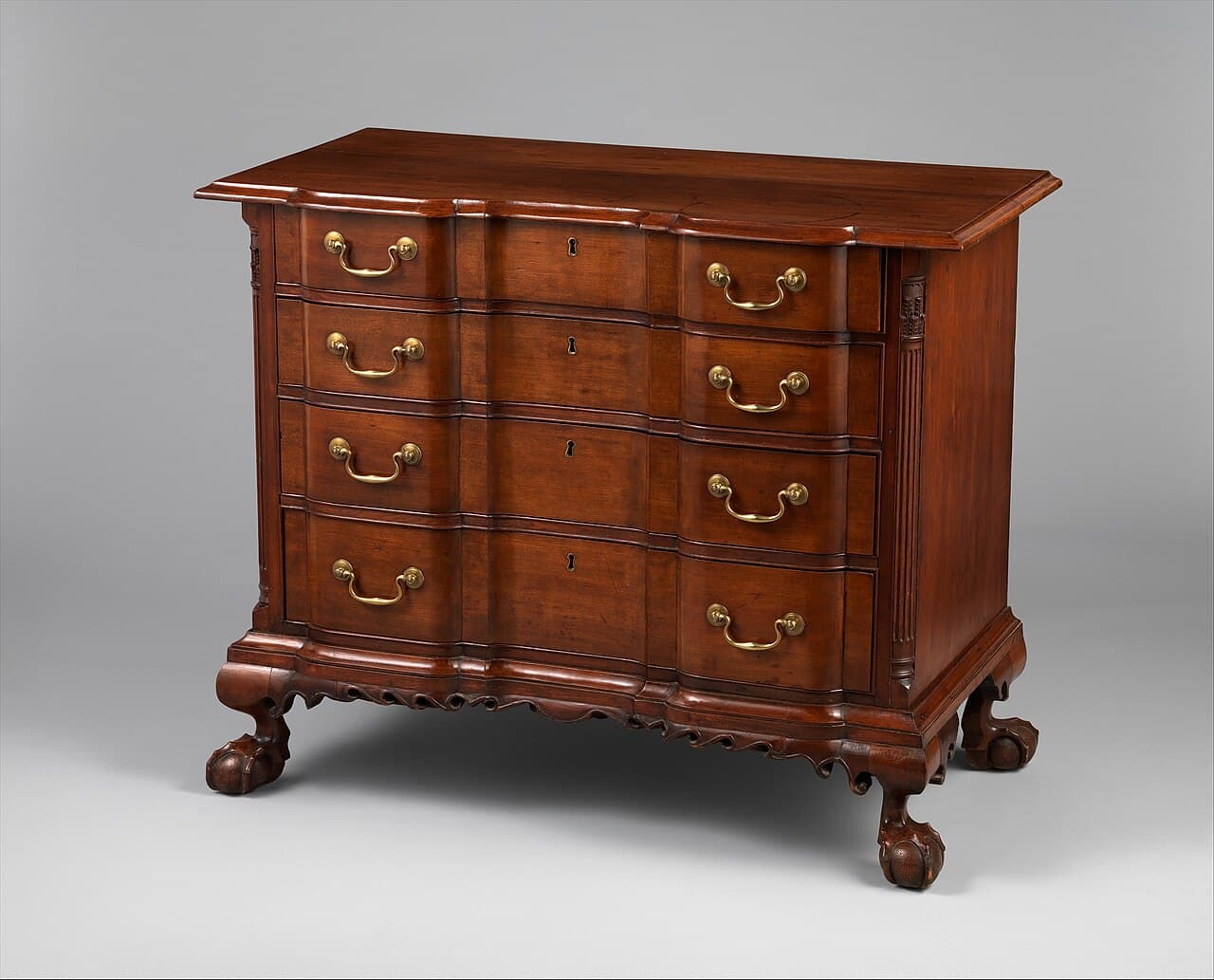
Go gently while it cures
A new finish feels dry well before it has cured. Sealers are easy to apply and cure quickly.[2] Drying oils may require several weeks to cure.[2] Ask the refinisher, or read the can, for the cure time, and until then use coasters, skip plastic place mats and tablecloths pressed on the surface, and do not stack things on it.
Dust, and clean lightly
Dust the piece often. If you vacuum, use a brush attachment. Hold the brush attachment just above the wood surface.[1] Otherwise use a clean cotton cloth, turned frequently so it does not scratch. Don’t use feather dusters. They scatter the dust rather than collect it.[1]
When dust is not the whole story, go carefully. Films often get worn away by repeated cleaning or by abrasion.[2] Test a hidden spot first, then wipe with a barely damp cloth and dry the surface at once. Never use detergent because it will leave a film on the surface.[1] Do not moisten a damaged, veneered, or inlayed surface.[1] If the surface turns cloudy or sticky, see why a furniture finish goes cloudy or sticky.
Keep it out of the sun
Light damage to wooden objects in furnished historic structures is most commonly caused by sunlight streaming through unshaded windows.[1] Light will change the natural color of heartwood, making light woods darker and dark woods lighter. It will fade stains and embrittle finishes.[1] Draw the curtains in the strongest part of the day, shade the window, or move the piece. If it has to stay, rotate what sits on it so one patch does not fade differently from the rest.
Hold humidity steady
The ideal relative humidity level in most areas of the country for wooden objects is 50% plus or minus 5%.[1] Virginia swings from damp summers to dry heated winters, so a hygrometer, a humidifier in January and a dehumidifier in August are worth having. Below 30% the glue may desiccate, joints may loosen, and finishes will become brittle.[1] Keep refinished pieces away from radiators and heat vents.
Use paste wax, not spray polish
Wax is the one thing worth adding. Wax helps protect the surface from abrasive dust and handling.[1] It slows the penetration of water and water vapor, which will cause the wood to swell.[1] Apply wax only to stable, clear finishes, such as shellac, varnish, and modern lacquer.[1]
Don’t use liquid polishes. They do not offer the same protection as paste and most contain silicones.[1]
Most wood objects in furnished historic structures, however, will require rewaxing just every one to four years.[1] As a general rule, rewaxing is not necessary if the existing wax layer can be buffed to a sheen.[1] When you do wax, clean first. Clean the object to remove the existing wax. Waxing over dirty surfaces will produce a grimy buildup[1] that dulls the grain. Use thin coats, wait for the solvent to evaporate, and buff.
Handle spills and heat
Minimizing water exposure prolongs finish life.[2] Blot spills at once, dry the spot, and put coasters under glasses and trivets under hot dishes. A white ring that appears usually sits in the finish or wax and often lifts with a light buff or a rewax. If it does not, it is a repair job rather than a care job.
Store any oily or solvent-wet cloth safely. Store oily and solvent-wet rags in a tightly sealed metal container and then discard them.[3]
Stop and call a pro if
- The finish has worn through to bare wood, especially on arms, edges and tabletops. A touch-up on bare wood is easier to see and harder to match.
- White rings or haze do not lift after cleaning and rewaxing. They may be under the finish.
- Joints loosen, veneer lifts or the wood cracks. Humidity swings or old glue can do that, and it needs a repair, not polish.
- You are unsure what finish is on the piece, or it is an antique. Ask before you wax or wipe it with solvent.
- A finish is sticky or flaking and a hidden-spot test lifts color.
Getting help in Virginia
If a piece needs more than care, read how to refinish a wood dresser, what refinishing costs in Virginia and whether it is worth refinishing old furniture. More help is at furniture repair answers, or browse refinishing requests.
When you want a pro to look at it, describe the piece and local furniture refinishers can quote it.
Common questions
- How long before I can use a refinished piece normally?
- It depends on the finish. Sealers cure quickly, while drying oils may require several weeks to cure.[^fpl] Follow the maker's cure time on the can, and until then use coasters and avoid heavy loads or anything that sticks to the surface.
- Should I use furniture polish spray?
- The museum guidance says not to use liquid polishes: they do not offer the same protection as paste, and most contain silicones.[^nps-wood] Paste wax on a clear finish, applied thinly and buffed, is the better habit.
- How often should I wax?
- Less often than most people think. For most wood objects in furnished historic buildings, rewaxing is needed just every one to four years, and it is not necessary if the existing wax layer can be buffed to a sheen.[^nps-wood] A home piece that is handled daily may want it more often.
- Can I wax any refinished finish?
- Wax goes only on stable, clear finishes, such as shellac, varnish, and modern lacquer.[^nps-wood] Check what finish the refinisher used, and ask before waxing a paint or an oil finish.
- Does sunlight really matter?
- Yes. Light will change the natural color of the wood and fade stains and embrittle finishes.[^nps-wood] Shading a window is the cheapest protection a refinished piece can get.
Sources
- [1] Museum Handbook, Part I, Appendix N: Curatorial Care of Wooden Objects, National Park Service, U.S. Department of the Interior. Checked October 27, 2026.
- [2] Chapter 16: Finishing Wood, Wood Handbook (FPL-GTR-282), USDA Forest Service, Forest Products Laboratory. Checked October 27, 2026.
- [3] Pictograph: Store Oily and Solvent-Wet Rags in a Metal Container, U.S. Fire Administration, FEMA. Checked October 27, 2026.
Want a pro to handle it?
Describe the job once. Licensed local businesses send quotes, and you pay only when you book one.
Get a quote for Furniture