How do I choose a dehumidifier for my basement?
Start with how damp the basement is and how big it is. ENERGY STAR's chart suggests 20 to 30 pints a day for a slightly to moderately damp space under 2,000 square feet, and more for wetter or larger ones. Pick a certified model with a built-in humidistat, a drain you can live with, and a low-temperature rating if the basement stays below 65°F.
Free to ask. Local shops send quotes, and you pay only when you book one.
By Kasra Taheri, Founder, LoclisUpdated
Researched and drafted with AI, then checked claim by claim against the sources listed below before it was published. Prices and rules change; the dates beside each source say when it was last checked.
Step by step
Read when to stop and call a pro, further down this page, before you start.
Step 1: Measure the humidity
Hang a hygrometer, a gauge that reads relative humidity, in the basement near where the dehumidifier will sit,[1] and read it at different times over several days.
Step 2: Judge how damp it is
Match what you see to ENERGY STAR's three conditions: damp and musty, damp spots on walls and floors, or walls and floor that sweat or seep.[1]
Step 3: Measure the space
Work out the square footage of the area the unit has to dry, counting any open rooms it connects to.
Step 4: Pick the capacity
Use ENERGY STAR's pints-per-day chart for your condition and size, and round up rather than down.[1]
Step 5: Check the temperature rating
If the basement usually sits below 65°F, choose a model specified for lower temperatures or one with an anti-frost sensor.[1]
Step 6: Choose how it drains
Decide between emptying a bucket and running a hose to a floor drain or sump, and buy a model with a hose fitting if you want the second.[1]
Step 7: Look for the ENERGY STAR label
Compare certified models by their integrated energy factor, in liters per kilowatt-hour; higher is more efficient.[1]
Step 8: Place it with room to breathe
Set it on a level floor near the drain, away from walls unless it discharges from the top, and away from dusty work areas.[1]
Step 9: Plug it in safely
Use a properly grounded outlet and keep the drain hose away from cords and electrical connections.[1]
Step 10: Set the humidistat
Close the basement doors and windows, set the humidistat to 50 percent or a little lower, and check the hygrometer over the next week.[1]
Choose a basement dehumidifier by two things: how damp the space is and how big it is. Those set the capacity, in pints per day. After that, check three practical points that decide whether it keeps working: how cold the basement gets, how the water will drain, and how much power it uses.
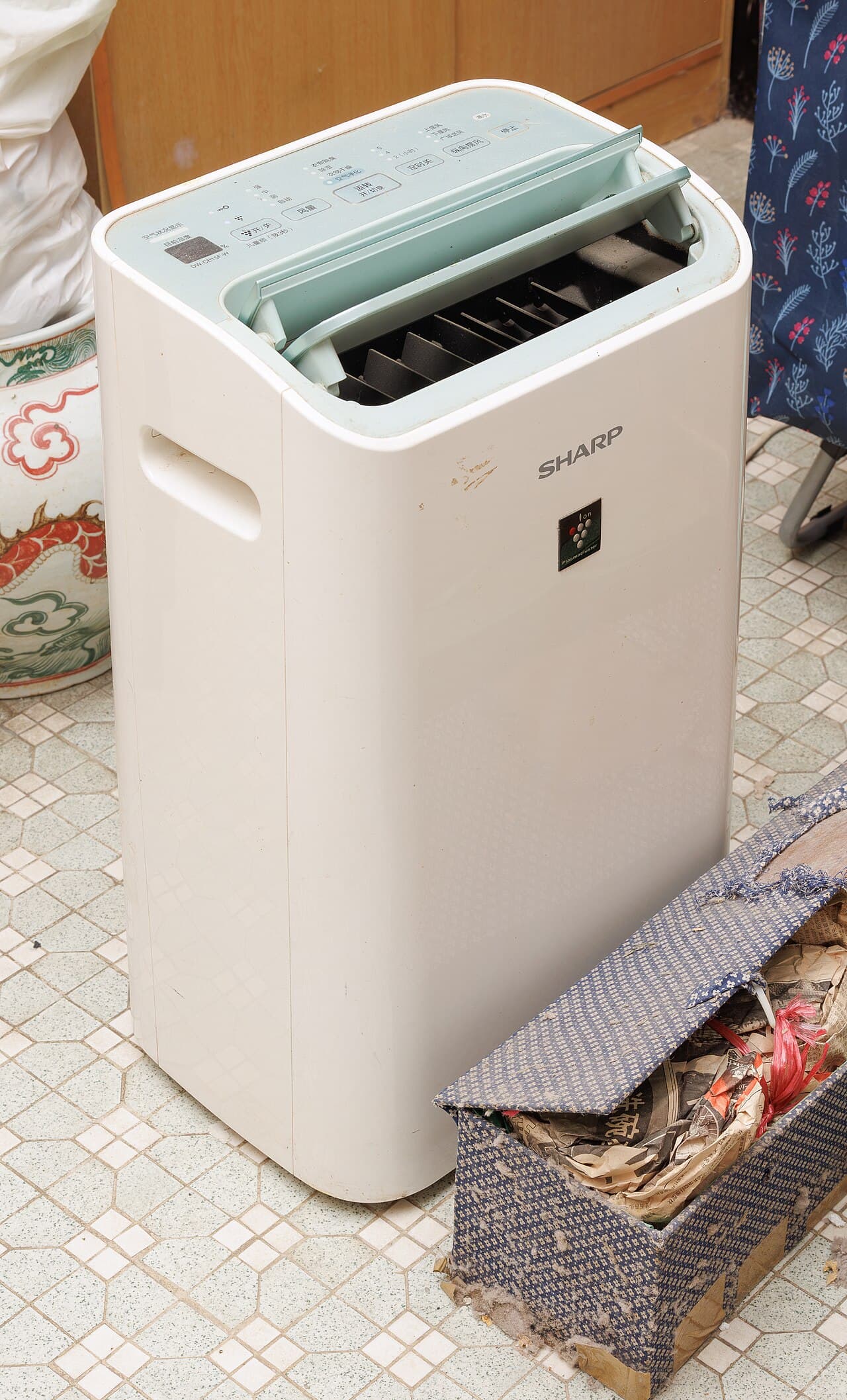
Measure first
Buy a hygrometer (a gauge that measures relative humidity)[1] and hang it in the basement near where the unit will go. Read it at different times over several days, including a day or two after rain. The reading tells you how hard the dehumidifier has to work and gives you a number to aim for later.
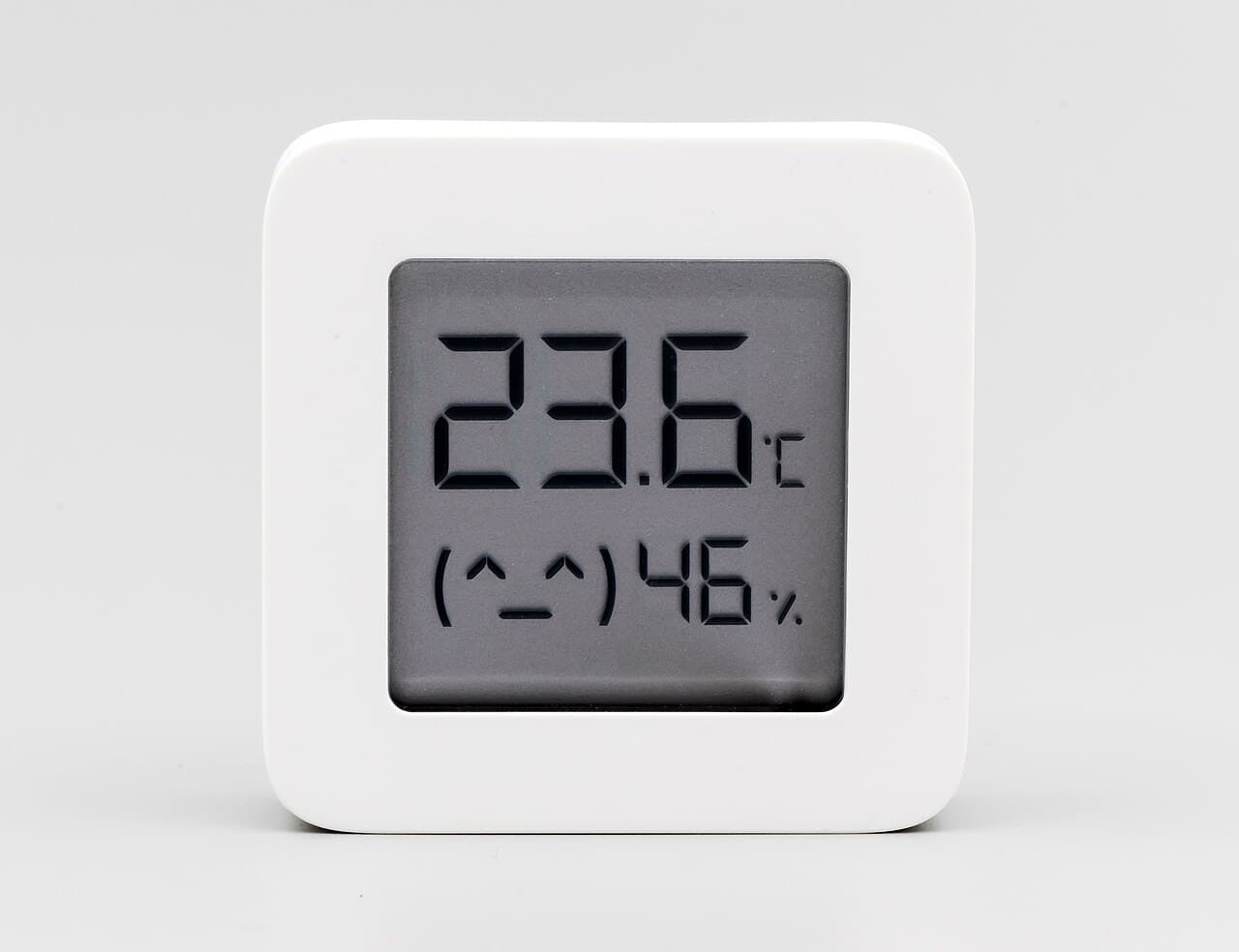
The number to aim for is 50 percent or a little lower. In ENERGY STAR's words, "The optimum RH level for a building is generally considered to be between 30% and 50%."[1] The EPA says to keep indoor humidity below 60 percent (ideally between 30 and 50 percent),[3] and Virginia Cooperative Extension notes that molds grow in air over 60% relative humidity.[4]
Size it in pints per day
A dehumidifier's capacity is usually measured in pints per 24 hours,[1] and ENERGY STAR says the right size depends on the size of the space that needs to be dehumidified and the conditions that exist in the space without dehumidification.[1] Its chart for portable units:
- Slightly to moderately damp: the space feels damp and has a musty odor that may come and go, at 50 to 75 percent relative humidity. Look for 20 to 30 pints a day under 2,000 square feet, or 30 or more above that.[1]
- Very damp: it consistently feels and smells damp, with damp spots on walls and floors, at 75 to 90 percent. Look for 25 to 40 pints, or 40 or more for the larger space.[1]
- Wet: walls or floor sweat, or water seeps in, at 90 to 100 percent. Look for 30 to 50 pints, or 50 or more.[1]
If you are replacing an old unit, ENERGY STAR says you can judge by how much water you empty each day,[1] and that it is better to oversize than undersize.[1] A unit with some capacity to spare usually reaches the set humidity and cycles off, while one that is too small may run for long stretches and still leave the room damp.
Watch the rating change. Since 2019, portable dehumidifiers are now tested at 65°F instead of 80°F,[2] to match real basements, so the same machine now carries a smaller number. ENERGY STAR's comparison says an old 50-pint portable is roughly a new 30-pint one, and an old 70-pint is roughly a new 40- to 45-pint.[2] Compare models rated the same way.
Check how cold the basement gets
Basements are cool, and that affects the coils. ENERGY STAR warns that frost can form on the coils below 65°F,[1] which can make the compressor cycle on and off repeatedly without removing moisture from the air.[1] If that happens, switch it off and let it defrost before turning it back on.[1] If your basement usually sits below 65°F, buy a model specified for lower temperatures, or one with an anti-frost sensor that shuts the unit off when the air gets too cold.[1]
Decide how the water leaves
Most portables collect water in a bucket, with warning lights and an automatic shutoff when the bucket is full.[1] That is fine if you will empty it daily. If not, buy one with a fitting for a hose that runs to a floor drain or sump pump.[1] Keep the unit close to the drain so the hose is short and does not cross a walkway.
Whole-home units are different: most have only a drain, routed to a floor drain or condensate pump by an HVAC professional during installation.[1] See whether a whole-house dehumidifier is worth it if you are weighing one.
Compare efficiency and controls
A certified model uses 20% less energy than a similar conventional unit to remove the same amount of moisture,[1] and a basement unit can run for months at a time, so the difference adds up. To compare certified models, look at the integrated energy factor, measured in liters of water removed per kilowatt-hour;[1] higher is better.
Make sure it has a humidistat you can set to a number. ENERGY STAR notes that every ENERGY STAR dehumidifier has a built-in humidistat,[1] which switches the unit on and off to hold the level you choose. If its display does not show relative humidity, keep your hygrometer nearby.
Set it up so it works
Keep the doors and windows to the space closed while it runs,[1] keep it away from walls and furniture unless it blows air out the top, and keep it away from dust and sawdust that clog the coils.[1]
Electrical safety matters more than usual, because this is a water-handling appliance that may run for months. "Make sure the dehumidifier is connected to a properly grounded outlet. Keep drain hoses away from electrical cords and connections."[1] ENERGY STAR also says: "Never set up water drainage or disposal near electrical circuits or devices."[1] So route the hose away from outlets, cords and the electrical panel. Clean or rinse the filter as the manual says; a clogged filter cuts the airflow and the amount of water it pulls out.
Cut the moisture at the source
A dehumidifier treats the air, not the cause. ENERGY STAR suggests you extend downspouts away from the foundation, keep gutters clear, make sure the soil slopes away from the house, and avoid over-watering foundation plantings,[1] and that you vent the clothes dryer outdoors.[1] If something gets wet, dry it fast: the EPA says that if wet materials are dried 24-48 hours after a leak or spill happens, in most cases mold will not grow.[3]
For the target to set and how it changes in winter, see what humidity to keep your house at. For a basement that floods, start with whether you need a sump pump.
Stop and call a pro if
- The plug, cord or outlet feels hot, looks scorched or melted, smells of burning, or sparks. Unusually warm outlets can mean an unsafe wiring condition, such as a loose connection that can start a fire, so stop using the outlet until an electrician checks it.[5]
- The cord is frayed, cracked or damaged. Damaged cords may have exposed live wires,[5] so stop using the unit and have it repaired or replaced.
- Water is pooling near an outlet, a cord or the electrical panel. Stay clear of it and call a licensed electrician.
- The outlet is not grounded, trips, or you would need a new circuit to run the unit. That is work for a licensed electrician.
- Water is seeping through the walls or pooling on the floor. That is a drainage or waterproofing job, and a dehumidifier will not keep up.
- Mold covers more than a small patch, or comes back after cleaning.
- You want a ducted whole-home unit. It ties into the HVAC system and its drain, and is installed by a licensed HVAC contractor.
- Humidity stays high upstairs too, which points to the air conditioning rather than the basement.
Browse more heating and cooling answers, see humidifier and dehumidifier services, or find licensed HVAC businesses near Blacksburg.
Describe your basement humidity problem once and get quotes from licensed pros.
Common questions
- What size dehumidifier do I need for a 1,000 square foot basement?
- It depends on how damp it is. ENERGY STAR's chart for spaces under 2,000 square feet suggests 20 to 30 pints a day if the space is slightly to moderately damp, 25 to 40 if it is very damp with damp spots, and 30 to 50 if the walls or floor sweat or seep.
- Why do new dehumidifiers have lower pint ratings than my old one?
- The test changed. Portable units are now rated at 65°F instead of 80°F, which gives a smaller number for the same machine. ENERGY STAR's comparison puts an old 50-pint portable at roughly a new 30-pint rating.
- What should I set my basement dehumidifier to?
- Aim for 50 percent or a little lower. ENERGY STAR calls 30 to 50 percent the optimum range for a building, and the EPA says to stay below 60 percent. Check with a separate hygrometer if the unit's display does not show relative humidity.
- Is it better to run a hose or empty the bucket?
- A hose to a floor drain or sump lets the unit run without stopping when the bucket fills, which matters in a basement that stays damp all summer. A bucket works if you will empty it every day; most units shut off automatically when it is full.
- Will a dehumidifier fix water coming through the basement wall?
- No. It dries the air, not a leak. If water seeps or pools, fix the drainage outside first and have a waterproofing or sump pump contractor look at it; a dehumidifier then handles the moisture that is left.
- Why is the air warm around my dehumidifier?
- That is normal. ENERGY STAR notes that a dehumidifier slightly warms the space around it as it removes moisture.
Sources
- [1] Dehumidifiers, ENERGY STAR, U.S. Environmental Protection Agency. Checked October 26, 2026.
- [2] Dehumidifier Testing and Capacity, ENERGY STAR, U.S. Environmental Protection Agency. Checked October 26, 2026.
- [3] A Brief Guide to Mold, Moisture and Your Home, U.S. Environmental Protection Agency. Checked October 26, 2026.
- [4] ENERGY SERIES: What about Moisture? (2908-9020), Virginia Cooperative Extension, Virginia Tech. Checked October 26, 2026.
- [5] Home Electrical Safety Checklist (Pub 513), U.S. Consumer Product Safety Commission. Checked October 27, 2026.
Want a pro to handle it?
Describe the job once. Licensed local businesses send quotes, and you pay only when you book one.
Get a quote for HVAC Repair