How much does a whole-house humidifier cost in Virginia?
The price depends on your house: the humidifier type, how close a water line and drain are to the furnace, any bypass ductwork, wiring the control, a permit if your building department requires one, and how often your model needs a new water panel. Get a written quote from a licensed HVAC contractor that lists each of those as its own line, and compare quotes line by line.
Free to ask. Local shops send quotes, and you pay only when you book one.
By Kasra Taheri, Founder, LoclisUpdated
Researched and drafted with AI, then checked claim by claim against the sources listed below before it was published. Prices and rules change; the dates beside each source say when it was last checked.
Step by step
Read when to stop and call a pro, further down this page, before you start.
Step 1: Check the winter humidity first
ENERGY STAR recommends 30 to 40 percent in the heating season in colder climates;[5] if a hygrometer already reads that on cold days, you may not need a humidifier.
Step 2: Look at the windows
If the inside of the glass already fogs or frosts in cold weather, more humidity will make it worse.[3]
Step 3: Know your heating system
Before you call, know the model of your current furnace or heat pump and its maintenance history.[6]
Step 4: Find the water and the drain
Note how far the nearest water pipe and floor drain or condensate pump are from the air handler.[2]
Step 5: Check the contractor's licence
Look up the business and its HVAC tradesman on DPOR's License Lookup before you book.[9]
Step 6: Ask for an itemized quote
Ask for a written, itemized estimate,[6] with the unit, bypass duct, water line, drain, control wiring, permit and labor on separate lines.
Step 7: Ask about the permit
Ask whether your local building department requires a permit for the work and who will apply for it.[11]
Step 8: Ask about running costs
Ask what the replacement water panel costs and how often your model needs one.[4]
Step 9: Compare the warranties
Compare the parts and labor warranty on each quote, and keep the signed proposal with the model numbers.[6]
What you pay for a whole-house humidifier depends more on your house than on the box. The type of unit, how far the water and drain are from the furnace, the ductwork, the wiring, any permit and the replacement parts each add a line to the quote, and you can check most of them before anyone visits. This page walks through each one so you can read a quote line by line and compare two of them fairly.
First, check you need one
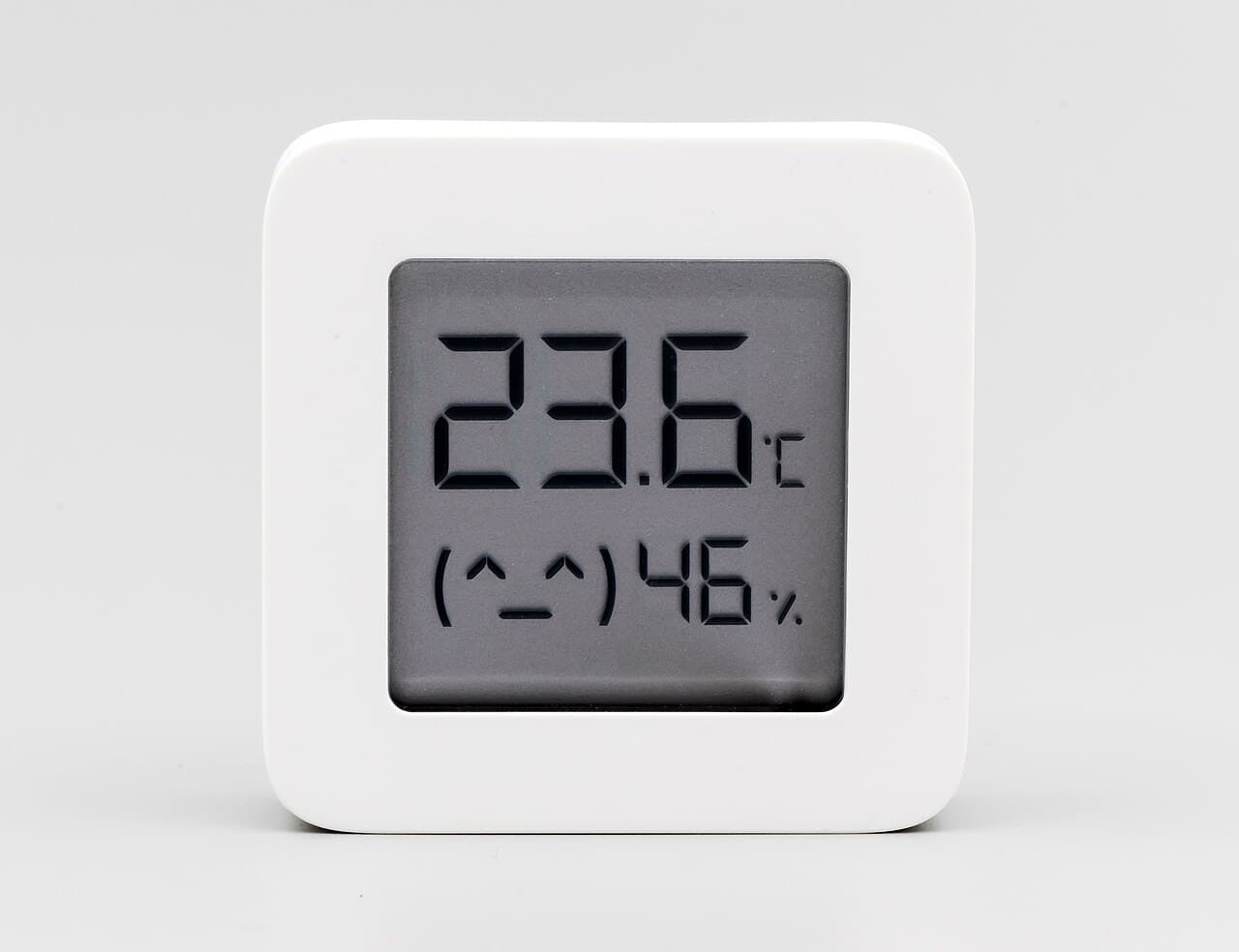
Central humidifiers are built into heating and air conditioning systems, and humidify the whole house.[1] They make sense when winter air stays very dry. ENERGY STAR recommends 30% to 40% during the heating season in colder climates to prevent window condensation,[5] and the EPA says: "Do not humidify to indoor relative humidity levels exceeding 50 percent."[1] One manufacturer's manual adds that a wintertime indoor humidity of 50 percent might feel ideal but would probably cause condensation[3] that can damage the house. Check a hygrometer on a few cold days. If the house already holds 30 to 40 percent, you may not need one. See what humidity to keep your house at.
What drives the price
The type of humidifier. A common kind is a bypass unit mounted on the furnace ductwork. In one maker's bypass models, HVAC system airflow is drawn through the humidifier from the supply duct to the return duct,[3] so it needs a short duct between the two. Other models have a built-in fan which draws air through the Water Panel,[3] which skips the bypass duct.
Furnace or heat pump. Heat drives evaporation, so the water and air temperature matter. The same manufacturer says hot water provides maximum output and is recommended if the humidifier is to be run in fan-only mode,[3] and its installation sheet says hot water is recommended on a heat pump system.[2] If your water heater is far from the air handler, expect more pipe and labor.
What comes in the box, and what does not. It varies by model. Aprilaire's Model 600, for example, comes with a 24-volt transformer, a digital humidifier control with an outdoor temperature sensor, and a saddle valve,[2] while the Model 600M ships with a manual control and no outdoor sensor.[2] For both, the installer supplies mounting screws, the water supply line, the drain line, low-voltage wire and the bypass ductwork.[2] Each of those is labor and material on your quote.
The drain. Drain-type units send a small, steady stream of water to drain, which flushes away most of the trouble-causing minerals.[3] A floor drain next to the furnace keeps this simple; otherwise the quote may include a condensate pump. The same manual says some homes have no drain that is accessible or available, and the maker designs its Model 400 Series for them.[3]
Where the furnace is. The installation sheet says: "Do not install humidifier where freezing may occur."[2] A furnace in a cold crawl space or unheated attic can mean a harder install, or a different location.
Permit and code work. Aprilaire's installation sheet states: "This product must be installed in compliance with all local, state, and federal codes."[2] In Virginia, permit rules come from the statewide Uniform Statewide Building Code. It requires a permit before installations or alterations involving "mechanical systems" or "any equipment regulated by the USBC",[11] and it exempts work the building official deems "minor and ordinary".[11] Permit applications go to the local building department's building official,[11] who decides how the code applies to your job, so ask whether adding a humidifier to your furnace needs a permit.
Fairfax County, for example, lists "New, Replacement, Repair or Conversion of HVAC Systems"[10] among the jobs that need a residential mechanical permit. Its list does not name humidifiers, so ask Fairfax whether an add-on counts. It also says it is strongly recommended a properly licensed contractor pull the permits as the responsible party.[10] Wherever you live, get any permit fee on the quote.
Running costs after install
The main running cost is the evaporator pad. AprilAire says its humidifier filters should be replaced annually (10, 12, and 35 Water Panel) or twice per heating season (45 Water Panel),[4] and that they can be replaced without the presence of an AprilAire Healthy Air Professional.[4] For any brand, the EPA says to follow the manufacturer's directions on cleaning and maintaining console and central (furnace mounted) humidifiers.[1] A drain-type model also uses water while it runs, which shows up on the water bill in winter.
Who should do the work
This is a job for a licensed HVAC contractor. It involves cutting into ductwork, tapping a water line and wiring into the furnace's low-voltage controls, and Aprilaire's installation sheet states: "Warranty is void unless humidifier is installed by qualified heating and air conditioning contractor".[2]
In Virginia, the Board for Contractors certifies HVAC tradesmen, and DPOR says state certification of these trades is mandatory, not optional.[8] Contractor licence classes are set by Va. Code § 54.1-1100, which defines Class C contractors as those who do the work when "(i) the total value referred to in a single contract or project is over $1,000 but less than $30,000, or (ii) the total value of all such construction, removal, repair, or improvements undertaken by such person within any 12-month period is less than $250,000".[7] For this trade the same section adds, "The Board shall require a master tradesmen license as a condition of licensure for electrical, plumbing, and heating, ventilation, and air conditioning contractors."[7] Check the business and its tradesman on DPOR's License Lookup.[9] See also does an HVAC technician need a licence in Virginia.
What to ask for in the quote
ENERGY STAR's hiring tips say to compare cost, energy efficiency and warranties,[6] and to sign a written proposal specifying project costs, model numbers, job schedule and warranty information.[6] For a humidifier, ask for:
- The make, model and type (bypass or fan-powered).
- Bypass ductwork, if any, and where it connects.
- The water line: hot or cold, and how long a run.
- The drain: floor drain or condensate pump.
- The control and its wiring, and whether it reads outdoor temperature.
- Any permit and its fee, and who schedules the inspection.
- The price of a replacement water panel and how often your model needs one.
- Parts and labor warranty, in writing.
Stop and call a pro if
- You smell gas near the furnace, a carbon monoxide alarm sounds, or anyone in the house has carbon monoxide symptoms. Get out first. For a gas smell or carbon monoxide symptoms, Columbia Gas of Virginia says to go outside and call 911, then call the gas company.[12]
- Water from a humidifier drips onto the furnace, its controls or its wiring. Turn the humidifier control off and have an HVAC contractor look at it before the furnace runs again.
- The quote means cutting ducts, tapping a water line or wiring the furnace. That is licensed HVAC work.
- Windows already fog or frost in winter, or you see mold on walls or window frames. Fix the moisture first.
- An existing humidifier leaks, overflows its drain or runs when the control is off.
- The furnace or heat pump itself needs repair; get it fixed before adding anything to it.
Browse more heating and cooling answers, see humidifier and dehumidifier services, or find licensed HVAC businesses near Blacksburg. For the opposite problem, see whether a whole-house dehumidifier is worth it.
Describe the job once and get written quotes from licensed HVAC businesses.
Common questions
- What makes one humidifier quote higher than another?
- Mostly the house. A long hot-water run on a heat pump system, a condensate pump where there is no floor drain, bypass ductwork, a furnace in a cold or cramped space, and a permit can each add a line. Ask every contractor to itemize those so you can compare like with like.
- Does a whole-house humidifier work with a heat pump?
- Yes, but it can change the quote. One manufacturer recommends hot water for its bypass humidifiers on a heat pump system, which may mean a longer water line from the water heater.
- What if there is no drain near my furnace?
- Some models are made for homes without a drain, and a condensate pump is another option. Either way it is a line on the quote, so ask the contractor which they plan to use.
- Can I install a whole-house humidifier myself?
- It means cutting into ductwork, tapping a water line and wiring into the furnace's controls, and one manufacturer voids the warranty unless a qualified heating and air conditioning contractor installs it. Hire a licensed HVAC contractor. On AprilAire models the water panel can be replaced without a professional, once a year or twice a heating season depending on the panel.
- What does it cost to run each year?
- Mostly the replacement water panel and the water a drain-type model sends down the drain while it runs. Ask the contractor for the panel's price and how often your model needs one; AprilAire's panels range from once a year to twice a heating season.
- Do I need a permit in Virginia?
- Virginia's permit rules come from the statewide Uniform Statewide Building Code, which requires a permit before work on mechanical systems and regulated equipment, with exemptions for work the building official deems minor. Your local building department decides how that applies, so ask whether adding a humidifier needs one and make any permit a line on the quote.
Sources
- [1] Use and Care of Home Humidifiers, U.S. Environmental Protection Agency. Checked October 26, 2026.
- [2] Model 600 and 600M Humidifier Installation Instructions, Aprilaire. Checked October 26, 2026.
- [3] Humidifiers Owner's Manual for Models 350, 360, 400, 400M, 500, 500M, 600, 600M, 700 and 700M, Aprilaire. Checked October 26, 2026.
- [4] All About Humidifier Filters: When to Change AprilAire Water Panels, AprilAire. Checked October 26, 2026.
- [5] Dehumidifiers, ENERGY STAR, U.S. Environmental Protection Agency. Checked October 26, 2026.
- [6] 10 Tips for Hiring a Heating and Cooling Contractor, ENERGY STAR, U.S. Environmental Protection Agency. Checked October 26, 2026.
- [7] Code of Virginia § 54.1-1100. Definitions, Virginia General Assembly. Checked October 26, 2026.
- [8] Tradesmen Program, Virginia Department of Professional and Occupational Regulation. Checked October 26, 2026.
- [9] License Lookup, Virginia Department of Professional and Occupational Regulation. Checked October 26, 2026.
- [10] Mechanical (MECHR) - Residential, Fairfax County Land Development Services. Checked October 26, 2026.
- [11] 13VAC5-63-80. Section 108 Application for permit (Virginia Uniform Statewide Building Code), Virginia Administrative Code. Checked October 27, 2026.
- [12] Natural Gas Safety, Columbia Gas of Virginia. Checked October 27, 2026.
Want a pro to handle it?
Describe the job once. Licensed local businesses send quotes, and you pay only when you book one.
Get a quote for HVAC Repair