What humidity should I keep my house at?
Keep indoor relative humidity between 30 and 50 percent, and do not let it sit above 60 percent, where mold grows. In summer that usually means running the air conditioner or a dehumidifier. In winter, aim for the lower part of the range on cold days, and turn a humidifier down if water condenses on the windows.
Free to ask. Local shops send quotes, and you pay only when you book one.
By Kasra Taheri, Founder, LoclisUpdated
Researched and drafted with AI, then checked claim by claim against the sources listed below before it was published. Prices and rules change; the dates beside each source say when it was last checked.
Step by step
Read when to stop and call a pro, further down this page, before you start.
Step 1: Get a hygrometer
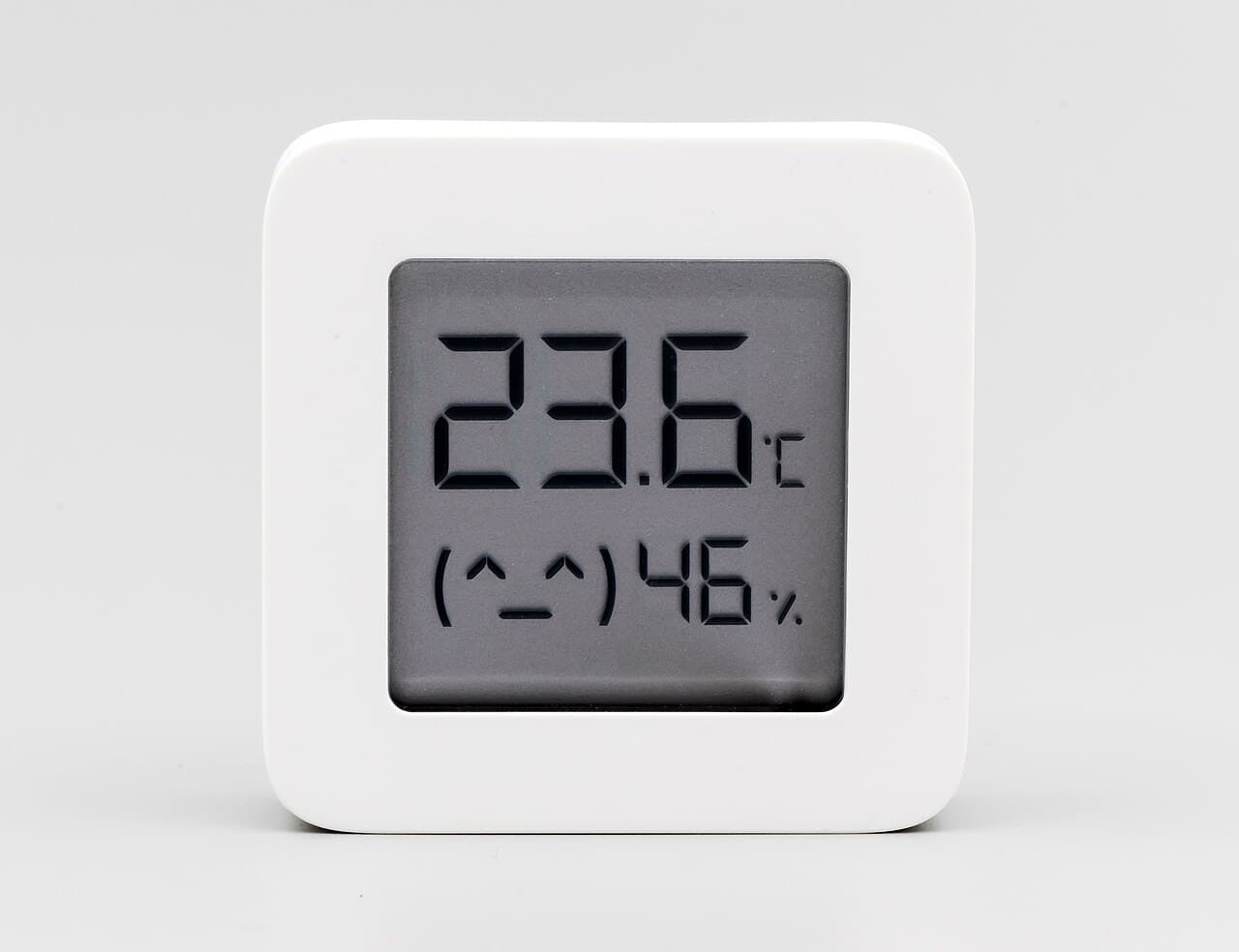
Buy a hygrometer, a gauge that measures relative humidity,[1] and put it in a main living area away from the kitchen, bathrooms and outside doors.
Step 2: Read it through the year
Check it in the morning and evening for a week each season, and note the highest and lowest readings.
Step 3: Hold summer below 50 percent
If summer readings run over 50 percent, run the air conditioning or a dehumidifier and use the bath and kitchen fans.[2]
Step 5: Watch the windows
If fog or frost forms on the inside of the glass, turn the humidifier down or run it less.[4]
Step 6: Empty and refill portable humidifiers daily
Unplug the unit, empty the tank, wipe it dry and refill it each day.[4]
Step 7: Clean portable humidifiers every third day
Unplug it and scrub scale and film from the tank, following the manual or using 3 percent hydrogen peroxide, then rinse well.[4]
Step 8: Use low-mineral water
Fill ultrasonic and cool-mist units with distilled water to cut scale and white dust.[4]
Step 9: Service a whole-house humidifier safely
Turn the humidifier control off, disconnect power and shut off the water supply before servicing, then change the water panel on the schedule in the owner's manual, at least once a year on many drain-type models.[6]
Step 10: Store it dry
At the end of the season clean the humidifier, let every part dry, and store it in a dry place.[4]
Keep the air in your house between 30 and 50 percent relative humidity. In ENERGY STAR's words, "The optimum RH level for a building is generally considered to be between 30% and 50%."[1] The EPA's advice is to keep indoor humidity below 60 percent (ideally between 30 and 50 percent).[2] In practice that means drying the air in summer, adding a little moisture in winter only if you need it, and checking with a gauge rather than guessing.
Why the ceiling is 50 to 60 percent
Above the range, moisture starts to feed things you do not want. The EPA says excess moisture can encourage the growth of dust mites and molds,[4] and Virginia Cooperative Extension notes that molds grow in air over 60% relative humidity.[5] The EPA adds that low humidity may also discourage pests such as cockroaches, and dust mites.[3]
That is why the EPA's humidifier guidance says: "Do not humidify to indoor relative humidity levels exceeding 50 percent."[4] Comfort lines up with this too. Virginia Cooperative Extension: "People are most comfortable at 35% to 55% relative humidity."[5]
Why the floor is about 30 percent
Very dry air has its own problems. The EPA links it with dry nose, throat, lips and skin, and with static electricity, peeling wallpaper, and cracks in paint and furniture,[4] and Virginia Cooperative Extension adds: "Dry air can often aggravate respiratory problems."[5] It mostly shows up in the coldest weeks, when the heat runs for hours.
Summer: dry the air
In summer the job is usually removing moisture, not adding it. Outdoor air that leaks in brings water with it, and Virginia Cooperative Extension describes that leakage as adding humidity to interior air in summer.[5] The EPA recommends using air conditioners and/or dehumidifiers when needed,[2] running the bathroom fan or opening the window when showering,[2] and venting moisture-producing appliances such as clothes dryers and stoves to the outside where possible.[2] Cooking and showering add to indoor humidity too,[3] so run the kitchen fan as well.
If the air conditioner runs and the house still reads 60 percent or more, the system may not be running long enough to pull water out. See why a house stays humid in summer. For a damp basement, see how to choose a basement dehumidifier.
Winter: lower the target as it gets colder
Cold window glass is where winter humidity shows first. ENERGY STAR recommends 30% to 40% during the heating season in colder climates to prevent window condensation.[1] One humidifier maker's owner's manual gives a sliding scale by outdoor temperature: 45 percent at 40°F, 40 percent at 30°F, 35 percent at 20°F, 30 percent at 10°F and 25 percent at 0°F.[6] The same manual explains that a wintertime indoor humidity of 50 percent might feel ideal but would probably cause condensation that can damage the house.[6]
So turn a humidifier down before a cold snap, not after; the same manual says to anticipate a drop in outdoor temperature and reduce the setting.[6] The EPA adds: "If water condenses on windows, walls, or pictures, relocate the humidifier, lower its humidistat setting, or reduce its use."[4] Measure before you buy a humidifier.
Measure, then adjust
A hygrometer (a gauge that measures relative humidity)[1] is the one tool this needs. Put it in a main room, away from the shower, the stove and outside doors, and read it at different times of day. Many dehumidifiers and humidifiers have a built-in humidistat; check its number against your hygrometer once in a while.
Keep humidifiers clean
A humidifier can make the air worse, and ultrasonic and cool-mist units are the main concern. The EPA warns that ultrasonic and impeller (cool mist) humidifiers can disperse microorganisms and minerals from their tanks into the air.[4] Its routine for portable units:
- Empty the tank, wipe all surfaces dry, and refill the water in portable humidifiers daily,[4] with the unit unplugged.
- Clean portable humidifiers every third day,[4] scrubbing off scale and film. If the manual does not name a cleaner, the EPA suggests a 3% solution of hydrogen peroxide,[4] and says to rinse the tank with several changes of tap water[4] afterwards.
- Use water labeled distilled[4] to cut scale and the white dust minerals leave on furniture.
A whole-house humidifier mounted on the furnace has an evaporator pad or water panel. For one common line of drain-type models, the owner's manual says the panel should be changed at least annually;[6] follow your own unit's manual. Treat it as electrical and plumbing equipment, not a filter swap. The same manual warns: "120 volts may cause serious injury from electrical shock. Disconnect power and shut off water supply before servicing."[6] It also says to turn the humidifier control to OFF or its lowest setting before servicing,[6] so the unit does not start while your hands are in it. If you are thinking about adding one, see what a whole-house humidifier costs in Virginia.
Stop and call a pro if
- Humidity stays above 60 percent for days even with the air conditioner running.
- Water condenses on ducts, pipes or the air handler, or the AC drain pan holds standing water.
- You see mold on walls or ceilings, or smell it in more than one room.
- A whole-house humidifier leaks, keeps running after you turn it down, or needs its water line, drain or wiring changed. Those connections are licensed HVAC work.
- Someone in the house has breathing problems you connect with the humidifier. The EPA says: "Stop using your humidifier and contact your physician if you have respiratory symptoms which you believe are associated with periods of use of your home humidifier, even if you are following maintenance directions."[4]
For a house that feels heavy or close, see why a house feels stuffy. Browse more heating and cooling answers, see humidifier and dehumidifier services, or find licensed HVAC businesses near Blacksburg.
Describe your humidity problem once and get quotes from licensed HVAC pros.
Common questions
- Is 60 percent humidity too high for a house?
- Yes, for anything more than a short stretch. The EPA says to keep indoor humidity below 60 percent and ideally between 30 and 50, and Virginia Cooperative Extension notes that molds grow in air over 60 percent.
- Is 30 percent humidity too low?
- No. Thirty percent is the bottom of the range ENERGY STAR and the EPA recommend. On very cold days one humidifier maker's chart even recommends going lower, to 25 percent at 0°F outdoors, to keep windows dry.
- What humidity should I keep my house at in winter?
- About 30 to 40 percent, lower when it is very cold outside. One humidifier maker's chart drops the recommended level from 45 percent at 40°F outdoors to 25 percent at 0°F. If the windows fog or frost on the inside, turn it down.
- What humidity should my house be in summer?
- Below 50 percent if you can, and below 60 percent at the most. If it runs higher with the air conditioning on, see why a house stays humid in summer before you buy equipment.
- Where should I put a hygrometer?
- In a main living area at about head height, away from the shower, the stove, outside doors and supply vents, so it reads the house rather than one moist corner. Read it at different times of day for a week before you change anything.
- Can a humidifier make you sick?
- It can. The EPA says ultrasonic and cool-mist humidifiers can spread microorganisms and minerals from the tank into the air, and they spread the minerals in tap water however clean the tank is. Empty them daily, clean them every third day and use low-mineral water such as distilled, and stop using one and see a doctor if it seems to bring on breathing problems, even if you have kept up with the maintenance.
Sources
- [1] Dehumidifiers, ENERGY STAR, U.S. Environmental Protection Agency. Checked October 26, 2026.
- [2] A Brief Guide to Mold, Moisture and Your Home, U.S. Environmental Protection Agency. Checked October 26, 2026.
- [3] Mold Course Chapter 2, U.S. Environmental Protection Agency. Checked October 26, 2026.
- [4] Use and Care of Home Humidifiers, U.S. Environmental Protection Agency. Checked October 26, 2026.
- [5] ENERGY SERIES: What about Moisture? (2908-9020), Virginia Cooperative Extension, Virginia Tech. Checked October 26, 2026.
- [6] Humidifiers Owner's Manual for Models 350, 360, 400, 400M, 500, 500M, 600, 600M, 700 and 700M, Aprilaire. Checked October 26, 2026.
Want a pro to handle it?
Describe the job once. Licensed local businesses send quotes, and you pay only when you book one.
Get a quote for HVAC Repair