Is a whole-house dehumidifier worth it?
It is worth it when the whole house, not just the basement, keeps reading above about 55 percent humidity while the air conditioning works properly. ENERGY STAR says these units carry significant benefits for relatively well sealed homes with central air. If only one area is damp, a portable unit is the simpler, cheaper first step. Installation ties into ducts and a drain, so hire a licensed HVAC contractor.
Free to ask. Local shops send quotes, and you pay only when you book one.
By Kasra Taheri, Founder, LoclisUpdated
Researched and drafted with AI, then checked claim by claim against the sources listed below before it was published. Prices and rules change; the dates beside each source say when it was last checked.
Step by step
Read when to stop and call a pro, further down this page, before you start.
Step 1: Log the humidity
Read a hygrometer on each floor over several weeks of summer weather; ENERGY STAR ties the benefit to readings above 55% consistently throughout the house.[1]
Step 2: Rule out the easy causes
Use the bath and kitchen vent fans,[1] change a dirty filter, and see whether the readings drop.
Step 3: Fix water coming in
From the ground, extend downspouts, clear any gutters you can reach without a tall ladder, and make sure the soil slopes away from the foundation before buying equipment.[1]
Step 4: Try a portable unit where it is worst
If one floor or the basement is the problem, try a portable dehumidifier there first, since portable units are made for a single room or space,[1] then recheck the rest of the house.
Step 5: Write down your system details
Note the model of your air conditioner or heat pump, its maintenance history, and which rooms feel damp or uncomfortable.[3]
Step 6: Check each contractor's licence
Look up the business and its tradesman on DPOR's License Lookup before you book a visit.[6]
Step 7: Expect a home evaluation
Ask each contractor to inspect the house, ducts and existing system and to explain how they sized the unit.[3]
Step 8: Get written, itemized estimates
Compare written, itemized quotes on cost, efficiency and warranty,[3] with the unit, its capacity, ducting, drain, controls and permit listed separately.
Step 9: Ask about the permit
Ask whether your local building department requires a permit for the job and who will apply for it.[11]
Step 10: Sign a written proposal
Sign only a proposal that lists the cost, model numbers, schedule and warranty.[3]
A whole-house dehumidifier is worth it when the humidity problem is the whole house, not one room, and the air conditioner is already working the way it should. ENERGY STAR suggests a certified whole-home dehumidifier may be the right choice if you live in a humid climate and have central air conditioning.[1] It adds: "These systems can be expensive, but they carry significant benefits for relatively well sealed homes with central air systems that see humidity readings above 55% consistently throughout the house."[1]

Signs it is worth it
- Hygrometers on every floor read above 55 percent for weeks of summer weather, not just after showers.
- The AC has been checked, the filter is clean, and the house still feels clammy.
- The house is fairly tight. A leaky house keeps pulling in damp outdoor air, so sealing comes first.
Sized and installed properly, ENERGY STAR says these units can save you energy, increase indoor comfort, and prevent mildew and bacterial growth.[1]
Signs it is not
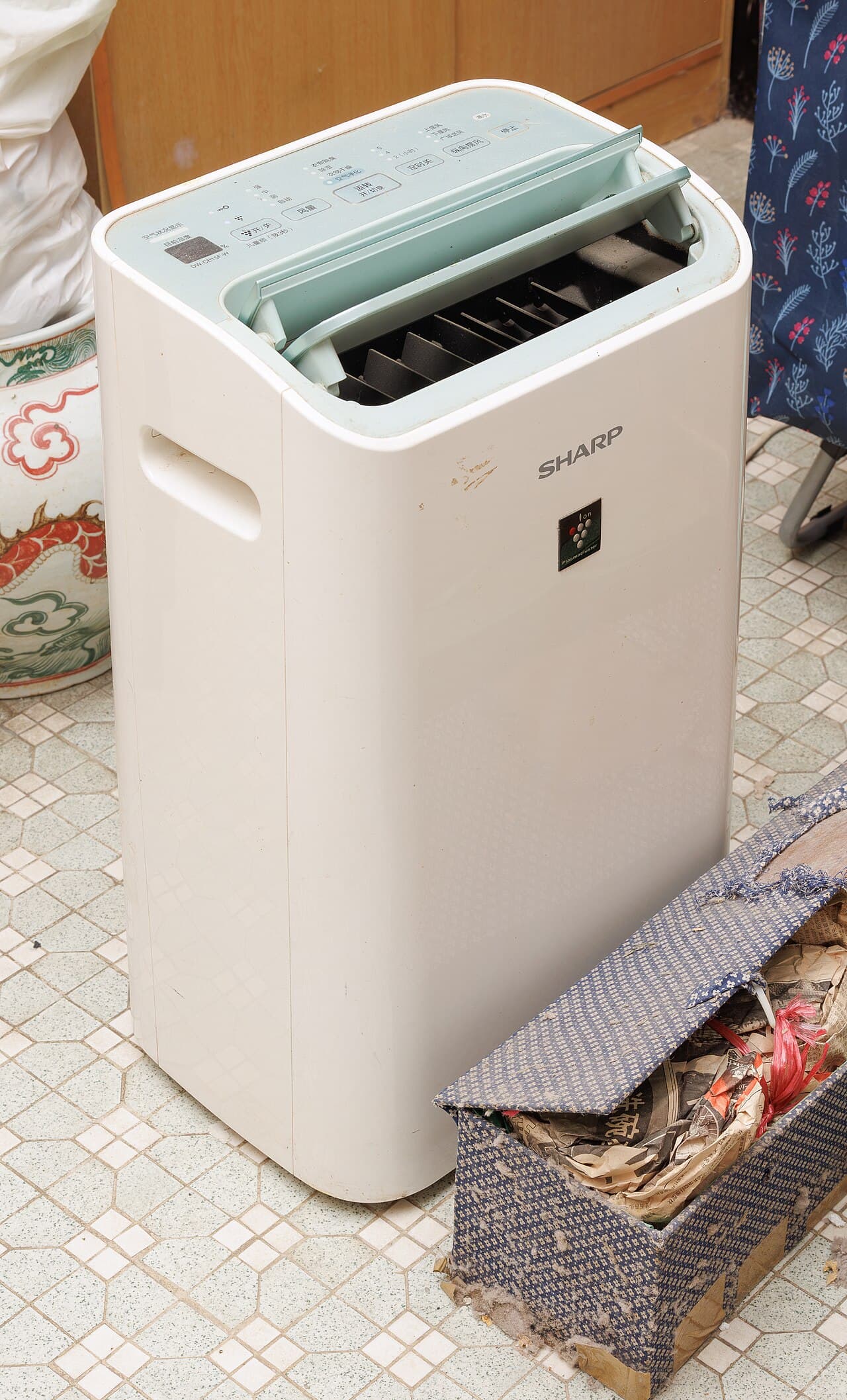
Only one area is damp. Portable room dehumidifiers are typically used to dehumidify a single room or space and can be easily moved where they are needed.[1] For a damp basement, a portable unit with a hose to a floor drain is the simpler, cheaper first step. See how to choose a basement dehumidifier.
The AC is the problem. ENERGY STAR lists humidity problems as a sign the heating and cooling system needs attention: "Poor equipment operation, inadequate equipment, and leaky ductwork can cause the air to be too dry in the winter or too humid in the summer."[9] It also warns that oversized equipment may cycle too frequently, resulting in less comfort and a shortened lifespan,[8] and that poor system airflow can result in overly damp air.[8] A dehumidifier can cover for those faults, but it is worth having the AC checked first. See why a house stays humid in summer.
Water is getting in. Gutters, grading, an unvented dryer or a wet crawl space keep feeding moisture. Fix those and measure again.
What the installation involves
Whole-home units are typically installed to use your home's air ducts to dehumidify one or more rooms and are often permanent.[1] Most have no bucket, only a drain, routed to a floor drain or condensate pump during installation by an HVAC professional.[1] ENERGY STAR stresses that it is important that the unit is sized and installed correctly by a professional,[2] and that home sealing and duct sealing will improve the performance and decrease the energy use of your whole-home dehumidifier.[1] Leaky ducts in an attic or crawl space are worth fixing in the same job.
What drives the price
No two quotes cover quite the same work, so compare the line items rather than the total. The main cost drivers are:
- The unit's capacity and efficiency. The federal standards set separate minimum efficiencies for portable and whole-home dehumidifiers,[2] and ENERGY STAR says certified dehumidifiers use 20% less energy than conventional ones to remove the same moisture.[1]
- How it is ducted: tied into the existing return and supply, or with its own ducts to a basement or crawl space.
- The drain: gravity to a floor drain, or a condensate pump.
- Power: an existing outlet, or a new circuit by an electrician.
- Controls: a separate dehumidistat, or a thermostat that controls humidity.
- Any duct sealing, permit fees and the warranty on parts and labor.
Hiring in Virginia
Licences. Virginia's Board for Contractors certifies HVAC tradesmen, and DPOR notes that state certification of these trades is mandatory, not optional.[5] Contractor licence classes are set by Va. Code § 54.1-1100, which defines Class C contractors as those who do the work when "(i) the total value referred to in a single contract or project is over $1,000 but less than $30,000, or (ii) the total value of all such construction, removal, repair, or improvements undertaken by such person within any 12-month period is less than $250,000".[4] For this trade the same section adds, "The Board shall require a master tradesmen license as a condition of licensure for electrical, plumbing, and heating, ventilation, and air conditioning contractors."[4] Check both on DPOR's License Lookup.[6] More detail: does an HVAC technician need a licence in Virginia.
Permits. Virginia's permit rules come from the statewide Uniform Statewide Building Code. It requires a permit before installations or alterations involving "mechanical systems" or "any equipment regulated by the USBC",[11] and exempts work the building official deems "minor and ordinary".[11] Enforcing it is the responsibility of the local building department,[12] so that is who decides whether your job needs one. Fairfax County, for example, lists "New, Replacement, Repair or Conversion of HVAC Systems" and "Duct Installation (new or replacement)"[7] among the jobs that need a residential mechanical permit. It lets owners pull permits but says it is strongly recommended a properly licensed contractor pull the permits as the responsible party.[7] Ask your own building department, and make the permit a line in the quote.
The quote. ENERGY STAR's hiring tips say a good contractor spends time inspecting your current system and home to assess your needs,[3] that a bigger system isn't always better,[3] that you should compare cost, energy efficiency and warranties,[3] and that you should sign a written proposal specifying project costs, model numbers, job schedule and warranty information.[3] Ask each contractor how they sized the unit and whether the AC itself is part of the problem.
Stop and call a pro if
- The house stays above 60 percent for days with the AC running. The EPA's advice is to keep indoor humidity below 60 percent (ideally between 30 and 50 percent).[10]
- You see water around the air handler, ice on the refrigerant lines, or mold on vents or ceilings.
- Basement walls seep or the crawl space has standing water; that is a drainage or waterproofing job first.
- The gutters can only be reached from a tall ladder or the roof edge, as on most second-storey gutters; hire a gutter service rather than climbing.
- You decide to go ahead. A ducted unit, its drain and its power are licensed HVAC and electrical work, not a weekend project.
On Loclis, HVAC work needs a licence at any job size, and an unlicensed quote is refused. Browse more heating and cooling answers, see humidifier and dehumidifier services, or find licensed HVAC businesses near Blacksburg.
Describe your humidity problem once and get quotes from licensed HVAC businesses.
Common questions
- Is a whole-house dehumidifier better than a portable one?
- Only when the moisture problem is the whole house. A ducted unit can treat the rooms its ducts serve and usually drains on its own, but it is a bigger job and a bigger bill. For one damp basement or room, a portable unit with a hose to a drain usually does the job.
- Can my air conditioner do the job instead?
- Often, if it is the right size and working properly. ENERGY STAR lists humidity problems among the signs of trouble: poor operation, inadequate equipment and leaky ducts can make a house too humid in summer. Change the filter, check the drain, and have an HVAC technician look at the system before you add equipment.
- Does a whole-house dehumidifier need a permit in Virginia?
- Possibly. Virginia's Uniform Statewide Building Code requires a permit before work on mechanical systems and regulated equipment, with exemptions for work the building official deems minor, and your local building department enforces it. Ask yours, and have the contractor pull any permit as the responsible party.
- Who installs a whole-house dehumidifier in Virginia?
- A licensed HVAC contractor. Virginia's Board for Contractors requires certification for HVAC tradesmen and a master tradesman licence for HVAC contracting businesses. Check both on DPOR's License Lookup.
- How much does a whole-house dehumidifier cost?
- It varies with the unit's capacity, how it is ducted, whether it needs a condensate pump or new circuit, and the controls. Ask for a written, itemized estimate that lists each of those and the warranty, and compare at least two.
- Will it lower my energy bill?
- It can, if drier air lets you set the thermostat a little higher, and ENERGY STAR certified models use less energy than conventional ones. It also adds a machine that runs, so the savings depend on your house.
Sources
- [1] Dehumidifiers, ENERGY STAR, U.S. Environmental Protection Agency. Checked October 26, 2026.
- [2] Dehumidifier Testing and Capacity, ENERGY STAR, U.S. Environmental Protection Agency. Checked October 26, 2026.
- [3] 10 Tips for Hiring a Heating and Cooling Contractor, ENERGY STAR, U.S. Environmental Protection Agency. Checked October 26, 2026.
- [4] Code of Virginia § 54.1-1100. Definitions, Virginia General Assembly. Checked October 26, 2026.
- [5] Tradesmen Program, Virginia Department of Professional and Occupational Regulation. Checked October 26, 2026.
- [6] License Lookup, Virginia Department of Professional and Occupational Regulation. Checked October 26, 2026.
- [7] Mechanical (MECHR) - Residential, Fairfax County Land Development Services. Checked October 26, 2026.
- [8] HVAC Quality Installation, ENERGY STAR, U.S. Environmental Protection Agency. Checked October 27, 2026.
- [9] When is it time to replace?, ENERGY STAR, U.S. Environmental Protection Agency. Checked October 27, 2026.
- [10] A Brief Guide to Mold, Moisture and Your Home, U.S. Environmental Protection Agency. Checked October 26, 2026.
- [11] 13VAC5-63-80. Section 108 Application for permit (Virginia Uniform Statewide Building Code), Virginia Administrative Code. Checked October 27, 2026.
- [12] 13VAC5-63-40. Section 104 Enforcement, generally (Virginia Uniform Statewide Building Code), Virginia Administrative Code. Checked October 27, 2026.
Want a pro to handle it?
Describe the job once. Licensed local businesses send quotes, and you pay only when you book one.
Get a quote for HVAC Repair