How do I clean my house without harsh chemicals?
Start with warm water, dish soap and microfiber cloths, which handle most everyday dirt. Add diluted white vinegar for glass and hard-water film, baking soda as a mild scrub and deodorizer, and products with EPA's Safer Choice label for the rest. Open a window while you work, never mix bleach with vinegar or ammonia, and keep an EPA-registered disinfectant for the few jobs that need one.
Free to ask. Local shops send quotes, and you pay only when you book one.
By Kasra Taheri, Founder, LoclisPublished
Researched and drafted with AI, then checked claim by claim against the sources listed below before it was published. Prices and rules change; the dates beside each source say when it was last checked.
Step by step
Read when to stop and call a pro, further down this page, before you start.
Step 1: Sort the cleaning cabinet
Read each label and set aside products marked DANGER, the signal word for the highest level of hazard, to use up or dispose of properly.[1]
Step 2: Stock the basics
Keep dish soap, distilled white vinegar, baking soda, a few microfiber cloths, a scrub sponge and spray bottles you can label.
Step 3: Get fresh air moving
Open windows, run an exhaust fan, or both while you clean.[3]
Step 4: Dust and vacuum first
Work from high shelves down to the floor, and use a vacuum with a HEPA filter on carpet and upholstered furniture.[9]
Step 5: Wash with soap and water
Wash counters, tables and handles with water and a soap or detergent solution, then rinse with clean water.[5]
Step 6: Clean glass with vinegar
Mix one tablespoon of vinegar or lemon juice in one quart of water, spray it on and wipe dry.[2]
Step 7: Scrub sinks and tubs with baking soda
Sprinkle baking soda on a damp sponge, scrub, rinse with water and wipe the surface to a shine.[1]
Step 8: Mop tile with a vinegar solution
Mix 1 gallon of warm water with 1/4 cup of white vinegar and a small amount of dish soap for ceramic tile and grout.[1]
Step 9: Freshen rugs
Sprinkle carpets liberally with baking soda, wait at least 15 minutes, then vacuum it up.[2]
Step 10: Disinfect only where it matters
Use an EPA-registered disinfectant on a cleaned surface, follow its label and keep the surface wet for the full contact time.[7]
Step 11: Label and store your mixes
Label every homemade mix, never put one in a food or drink container, and store it out of reach of children.[1]
You can keep a house clean without harsh chemicals by leaning on a short kit: warm water and dish soap, microfiber cloths, distilled white vinegar, baking soda, and a few store-bought products that carry EPA's Safer Choice label. Soap and water do most of the work. Vinegar and baking soda cover glass, hard-water film, scrubbing and odors. Save disinfectant for the places that need it, and use a registered one.
What counts as a harsh chemical
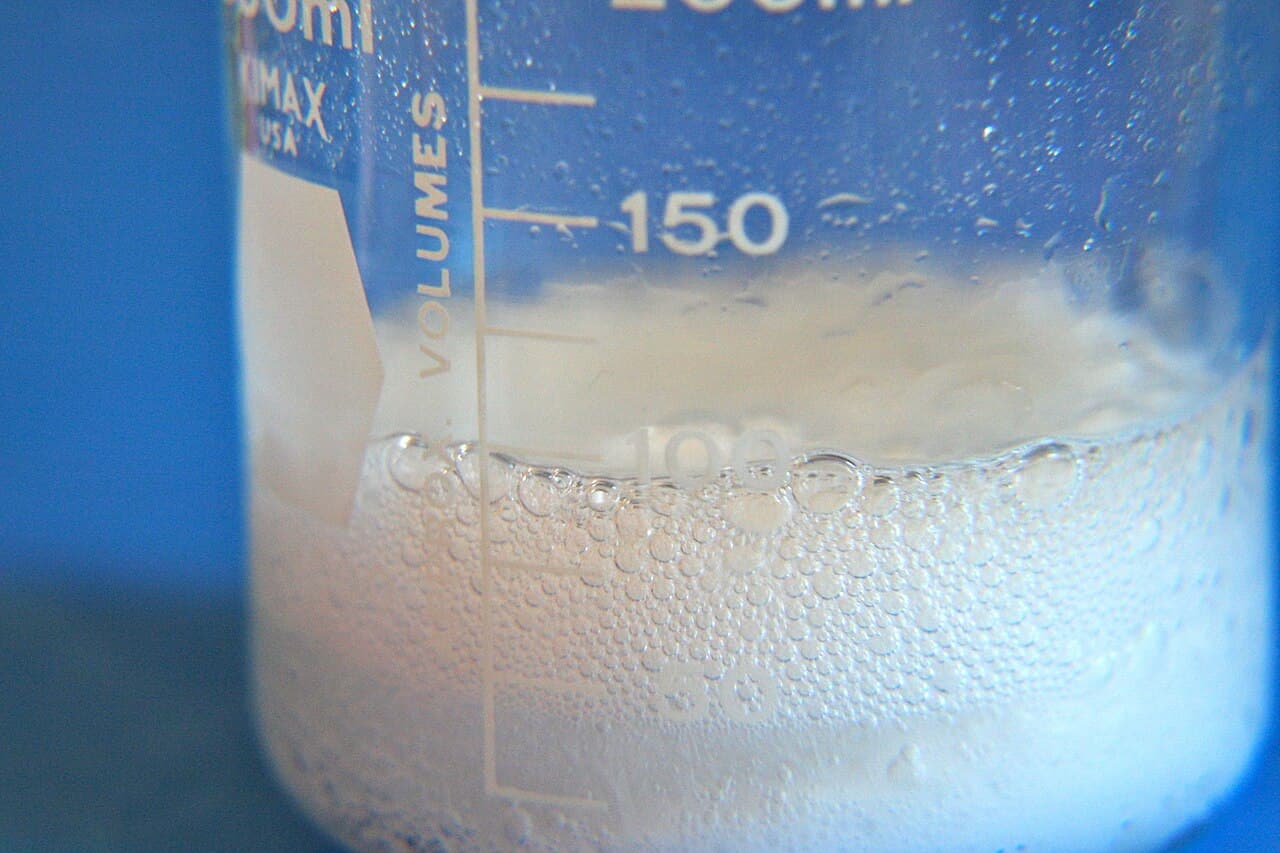
Two groups do most of the harm in a typical cleaning cabinet. Caustic chemicals are found in household cleaners such as bleach, drain cleaners, oven cleaners and scouring powders, and they can burn and severely damage the skin and eyes.[1] Solvents show up in furniture polish, spot removers and wood floor wax.[1]
The air matters too. According to EPA, many cleaning, disinfecting and degreasing products contain organic solvents, which can release organic compounds while you use them and, to some degree, while they sit in storage.[3] EPA has found that levels of several organic pollutants average 2 to 5 times higher indoors than outdoors.[3]
The quickest way to sort your cabinet is the signal word on each label: CAUTION marks the lowest level of hazard and DANGER the highest.[1] Products marked WARNING sit in between.
The basic kit
Soap and water. The basic cleaning method is to wash a surface with water and a soap or detergent solution, then rinse it with clean water.[5] That removes grease, crumbs and dirt from counters, tables, handles and floors. Microfiber cloths pick up dust instead of pushing it around, and they wash and reuse.
Vinegar. Plain distilled white vinegar is enough. Distilled white vinegar has 5% acidity; cleaning vinegar has 6%, may cost more, and the difference is probably not significant.[10] It works on glass, soap film and mineral spots.
Baking soda. Baking soda absorbs odors and works as a mild abrasive.[10] Use it on a damp sponge for sinks and tubs, and sprinkled on rugs before you vacuum.
Labeled products. For laundry, dishwasher detergent, floor cleaner and anything you would rather not mix yourself, look for EPA's Safer Choice label. Before a product can carry it, EPA reviews all chemical ingredients, regardless of their percentage in the product.[4] Labeled products must perform comparably to conventional products,[4] and the program restricts VOC content to minimize indoor air pollution.[4] There is also a fragrance-free version of the label,[4] which helps if anyone in the house reacts to scents.
Room by room
Kitchen. Wash counters and the stovetop with warm soapy water and rinse. Wipe the oven after it cools rather than letting spills bake on. For baked-on spills, wet the area, sprinkle it with baking soda, let it sit for 5 minutes and scrub with a damp cloth.[1] Do not let baking soda touch wires or heating elements.[1]
Drains. Keep screens over drains to catch hair and food. For upkeep, pour 1/2 cup of baking soda followed by 1/2 cup of vinegar into the drain, wait 10 minutes, then pour hot water down it.[1] A drain that is fully blocked needs a plunger or a snake, not more baking soda.
Bathroom. Baking soda on a damp sponge scrubs sinks and tubs without scratching most finishes. Warm water with a splash of vinegar and a drop of dish soap cleans ceramic tile and grout. For hard-water deposits and rust stains, full-strength vinegar or lemon juice is the stronger option.[1]
Glass and mirrors. A weak vinegar-and-water spray and a lint-free cloth do the job; the exact mix is in the steps.
Wood furniture. For a simple polish, EPA's version is short: Mix one teaspoon of lemon juice in one pint of mineral or vegetable oil and wipe it on.[2] Dust first so you are not rubbing grit into the finish.
Odors. Open the windows, use an exhaust fan, or both.[1] An open box of baking soda in the refrigerator absorbs food odors.[1] Fresh air beats a scented spray, which only adds another product to the air.
When you need to disinfect
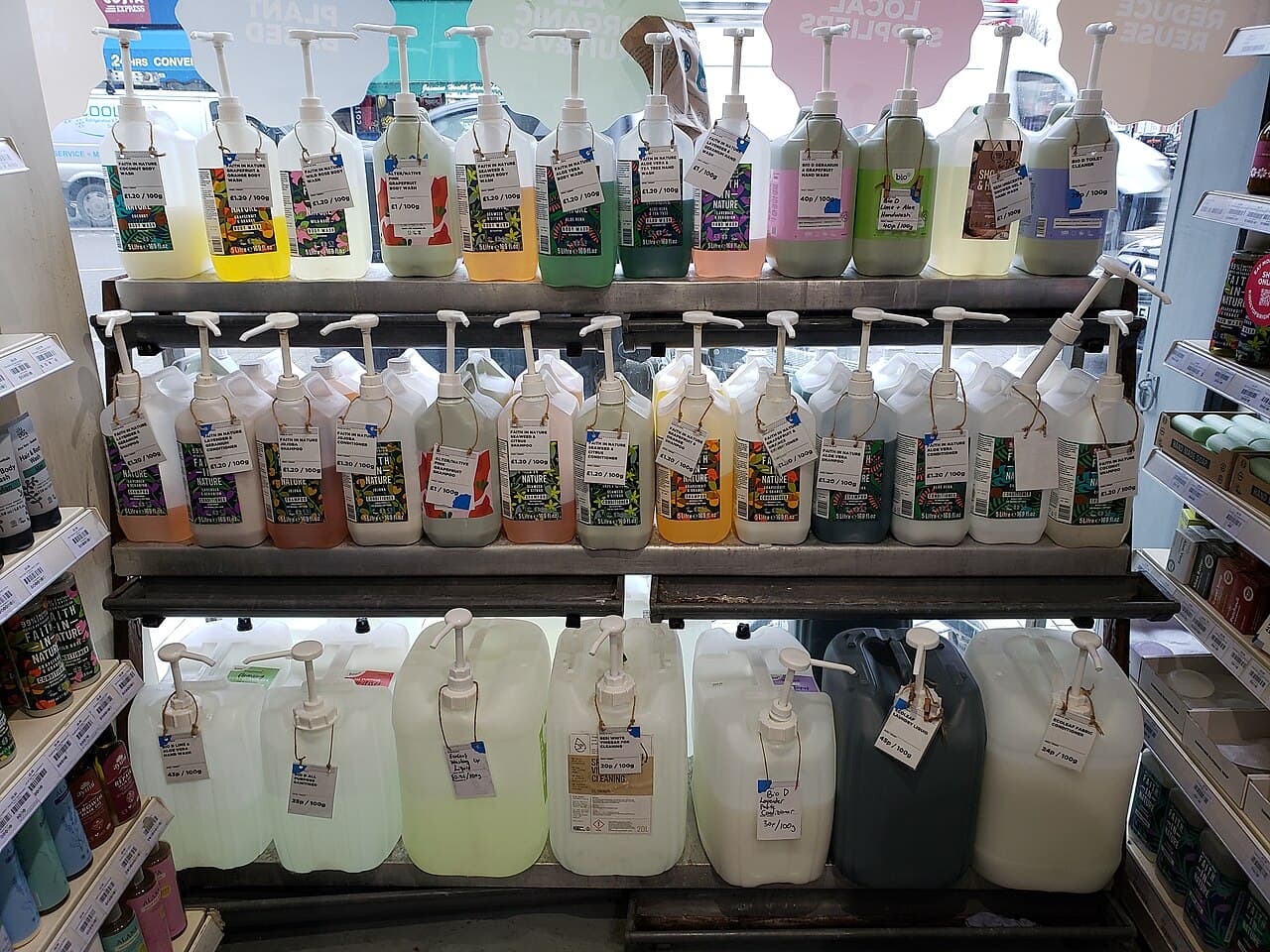
Cleaning and disinfecting are different jobs. Most of the house needs only cleaning. Disinfect where germs matter: after raw meat on a cutting board, around a sick family member, or on a toilet seat and handles during a stomach bug.
EPA does not review the effectiveness of common household ingredients like vinegar,[6] so a vinegar spray is not a disinfectant you can rely on. Pick a registered product instead. Find the EPA registration number on the label,[7] clean the surface first, and leave the product wet for the full contact time the directions give.[7] If you want a gentler option, EPA's Design for the Environment (DfE) logo marks antimicrobial products that meet EPA criteria for efficacy and effects on human health and the environment.[8] For more on when and how, see how to disinfect after someone has the flu.
Safety rules that still apply
Natural ingredients are not a license to experiment. Never mix chlorine bleach with any other cleaning agent, such as ammonia or vinegar, because it can create toxic fumes.[1] EPA's broader rule is the same: Never mix household care products unless the label tells you to.[3]
Label every spray bottle you fill, keep homemade mixes away from food containers, and store them where children and pets cannot reach. If you suspect a child or pet has gotten into a cleaning product, call Poison Control at 1-800-222-1222.[5]
Vinegar is an acid and baking soda is gritty, so neither suits every surface. Always test a cleaner first on an inconspicuous area to check for discoloration.[1] Check the care guide from the maker of natural stone counters, wood floors, specialty faucet finishes and appliances before using either one there.
Getting rid of the old products
Switching does not mean pouring the old bottles down the sink. Gases can leak even from closed containers, so clearing out old products lowers the chemicals in the air at home,[3] but disposal needs care. Fairfax County takes household cleaners such as acids, ammonia products and bleach at its household hazardous waste sites free for county residents,[11] and the county's rule is to never pour products down storm drains.[11] Elsewhere in Virginia, contact your local environmental, health or solid waste agency to find a household hazardous waste collection.[2]
Stop and call a pro if
- You mixed products by accident and smell sharp fumes, or someone feels dizzy or short of breath. Get everyone outside into fresh air and call Poison Control or 911.
- Mold covers a large area, grows on drywall or carpet, or keeps coming back after cleaning. That points to a moisture problem; see why a bathroom keeps getting moldy.
- A drain stays slow or backs up after baking soda, vinegar and a plunger. That is a plumber's job.
- You smell gas near a range or water heater. Leave the house and call your gas utility from outside.
- The house needs a heavy first clean, such as after a move or a long gap, that would take you days.
Getting help with green cleaning
Many cleaning businesses will use your products or Safer Choice products if you ask. Read whether green cleaning costs more and how to tell if a cleaning service is really eco-friendly, see the vinegar and baking soda routine for upkeep, browse green cleaning businesses or cleaning services around Blacksburg, and find more in the cleaning answers. When you are ready, describe the job on Loclis and say which products you want used.
Common questions
- Is vinegar a disinfectant?
- Not one you can count on. EPA does not review how well household ingredients like vinegar kill germs, so it cannot verify them. Vinegar is a good cleaner for glass and hard-water film. When you need to disinfect, use an EPA-registered product, check its registration number, and follow the label's contact time.
- Can I mix vinegar and bleach to make a stronger cleaner?
- No. Mixing chlorine bleach with any other cleaning agent, including vinegar or ammonia, can create toxic fumes. Use one product at a time and rinse the surface before switching to another.
- What does the Safer Choice label mean?
- It is EPA's label for cleaning and other products whose every chemical ingredient EPA has reviewed against human health and environmental criteria. Labeled products must also perform comparably to conventional ones, and EPA restricts their VOC content. There is a fragrance-free version of the label too.
- Are green cleaning products weaker than regular ones?
- Not by design. Products that carry the Safer Choice label must pass performance standards for their category. Homemade cleaners can take more scrubbing on heavy grease or buildup, so plan for a little more effort the first time through a neglected room.
- What should I do with the old cleaners I no longer want?
- Do not toss them in the trash or pour them into a storm drain. Use them up if they are safe to use, or take them to a household hazardous waste collection. Fairfax County, for example, takes acids, ammonia products and bleach free from county residents; your local solid waste office can tell you what your locality offers.
- Does a natural cleaner work on mold?
- For mold on a hard surface, EPA's advice is to clean it up with soap and water and let the area dry completely. The bigger job is stopping the moisture, so fix leaks and use exhaust fans in the bathroom and kitchen.[^epa-asthma] Mold that covers a large area, keeps coming back, or grows on drywall or carpet is a job for a professional.
Sources
- [1] Green Cleaning Methods for Your Home (Guide G-315), New Mexico State University Cooperative Extension Service. Checked October 27, 2026.
- [2] Household Hazardous Waste (HHW), U.S. Environmental Protection Agency. Checked October 27, 2026.
- [3] Volatile Organic Compounds' Impact on Indoor Air Quality, U.S. Environmental Protection Agency. Checked October 27, 2026.
- [4] Learn About the Safer Choice Label, U.S. Environmental Protection Agency. Checked October 27, 2026.
- [5] How to Clean, Sanitize, and Disinfect Surfaces (FST-395NP), Virginia Cooperative Extension, Virginia Tech. Checked October 27, 2026.
- [6] Can I use common household substances to kill the novel coronavirus?, U.S. Environmental Protection Agency. Checked October 27, 2026.
- [7] 6 Steps for Safe and Effective Disinfectant Use, U.S. Environmental Protection Agency. Checked October 27, 2026.
- [8] Learn About Design for the Environment (DfE) Certification, U.S. Environmental Protection Agency. Checked October 27, 2026.
- [9] Asthma Triggers: Gain Control, U.S. Environmental Protection Agency. Checked October 27, 2026.
- [10] Green Alternatives to Toxic Household Products and Hazardous Waste (Guide G-313), New Mexico State University Cooperative Extension Service. Checked October 27, 2026.
- [11] Household Hazardous Waste, Fairfax County Department of Public Works and Environmental Services. Checked October 27, 2026.
Want a pro to handle it?
Describe the job once. Licensed local businesses send quotes, and you pay only when you book one.
Get a quote from a local pro