How do I keep a house clean with vinegar and baking soda?
Use them as a routine rather than a rescue: diluted white vinegar for glass, faucets and tile every week, baking soda on a damp sponge for sinks and tubs, a baking soda sprinkle before vacuuming rugs, and a baking soda and vinegar flush for drains. Wipe spills right away, never mix vinegar with bleach, and keep a registered disinfectant for germs, since vinegar is not one.
Free to ask. Local shops send quotes, and you pay only when you book one.
By Kasra Taheri, Founder, LoclisPublished
Researched and drafted with AI, then checked claim by claim against the sources listed below before it was published. Prices and rules change; the dates beside each source say when it was last checked.
Step by step
Read when to stop and call a pro, further down this page, before you start.
Step 1: Make and label a vinegar spray
Mix one tablespoon of vinegar in one quart of water in a spray bottle, label it, and keep it for glass and mirrors.[3]
Step 2: Wipe spills every day
Wipe up kitchen and bathroom spills as they happen, so nothing dries on and needs scrubbing later.[1]
Step 3: Scrub sinks and tubs weekly
Sprinkle baking soda on a damp sponge, scrub the sink or tub, rinse with water and wipe it to a shine.[1]
Step 4: Mop tile weekly
Mix 1 gallon of warm water with 1/4 cup of white vinegar and a small amount of dish soap for ceramic tile and grout.[1]
Step 5: Clear faucet water spots
If your faucet maker's care guide allows vinegar, wipe spots with a 50/50 mix of vinegar and water for a limited time, then rinse and dry with a soft cloth.[4]
Step 6: Vacuum weekly
Vacuum carpets and upholstered furniture every week, with a HEPA-filter vacuum if anyone has allergies or asthma.[5]
Step 7: Freshen rugs as needed
Sprinkle baking soda liberally on carpet, wait at least 15 minutes, and vacuum it up.[3]
Step 8: Flush drains monthly
Pour 1/2 cup of baking soda, then 1/2 cup of vinegar into the drain, wait 10 minutes and follow with hot water.[1]
Step 9: Keep the fridge fresh
Put an open box of baking soda in the refrigerator to absorb food odors, and replace it when you deep clean the fridge.[1]
Step 10: Wipe the oven after use
Once the oven is cool, wipe up grease and spills so they do not bake on, keeping baking soda off wires and heating elements.[1]
Vinegar and baking soda keep a house clean best as a habit: a weekly pass with a diluted vinegar spray on glass, faucets and tile, baking soda on a damp sponge for sinks and tubs, a sprinkle on rugs before vacuuming, and a monthly drain flush. Add daily wipe-ups and you rarely face the kind of buildup that sends people back to harsh products. Keep a registered disinfectant for germs, because vinegar is not one.
What each one does
Vinegar is a mild acid that removes rust and lime deposits.[1] That makes it good on the things hard water leaves behind: spots on glass, film on faucets and shower doors, and dull tile. Ordinary distilled white vinegar has 5% acidity; cleaning vinegar has 6%, may cost more, and the difference is probably not significant.[2]
Baking soda absorbs odors, deodorizes and works as a mild abrasive.[2] It scrubs without scratching most sinks and tubs, freshens rugs and the refrigerator, and lifts baked-on spills.
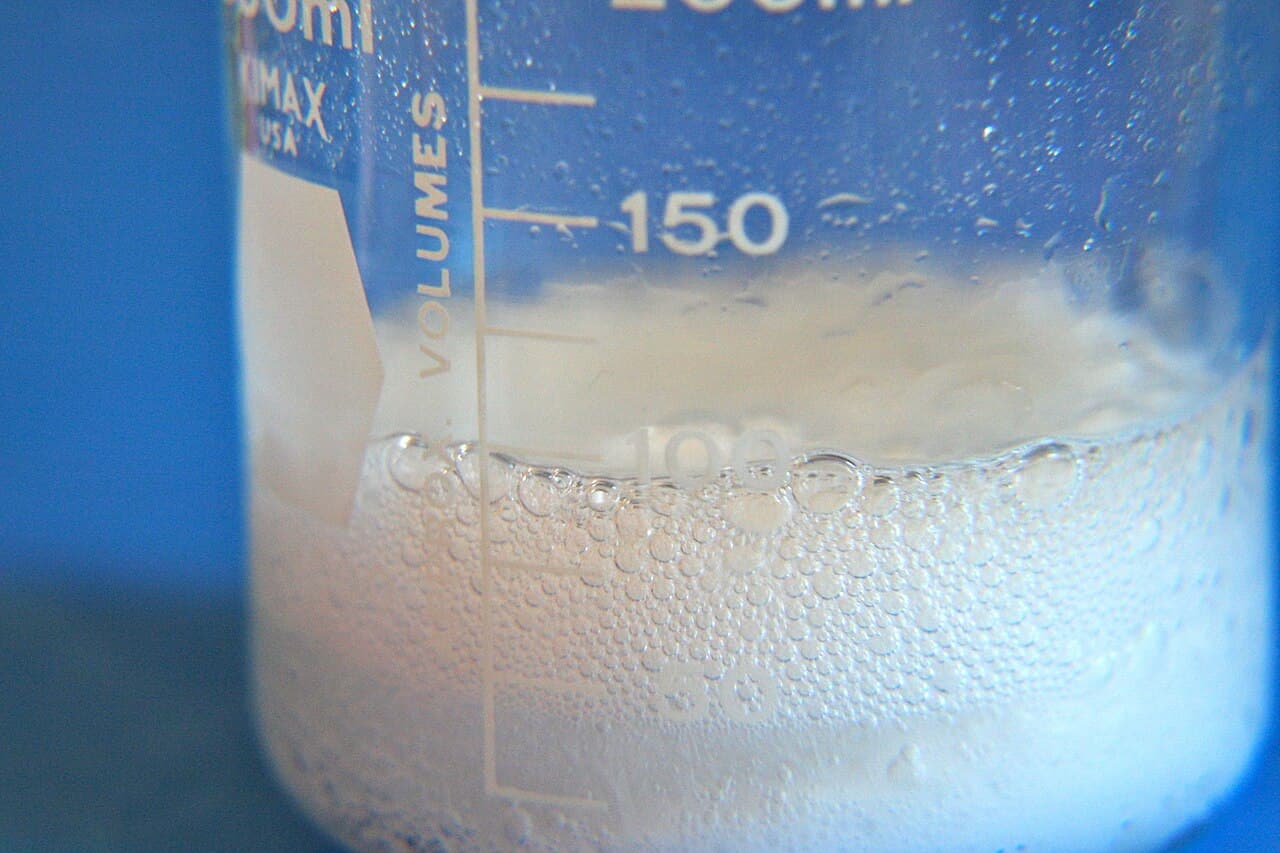
Together they fizz, which is handy in a drain flush. On counters and fixtures it is simpler to use one, rinse, and then use the other where you need it. If you do mix them for a homemade spray, leave room for the foam: In a spray bottle, cap the bottle only after the foaming stops.[1]
A routine that keeps up
Every day. Wipe spills in the kitchen and bathroom as they happen. High-touch surfaces such as tables and countertops may need to be cleaned daily, or even more often.[8] Warm water and dish soap handle that; a quick rinse keeps soap film from building up.
Every week.
- Glass and mirrors: one tablespoon of vinegar or lemon juice in one quart of water, sprayed on and wiped dry.[3]
- Sinks and tubs: baking soda on a damp sponge, a scrub, a rinse, and a dry cloth.
- Tile floors and walls: 1 gallon of warm water, 1/4 cup of white vinegar and a small amount of dish soap.[1]
- Faucets: A 50/50 blend of household vinegar and water, used for a limited amount of time and then rinsed off and dried with a soft cloth, removes water spots on many of Moen's faucet finishes.[4] Check your own faucet's care guide first, since some finishes should never get anything but mild soap and water.
- Floors and furniture: EPA's advice for homes with allergies or asthma is short: Vacuum carpets and furniture every week.[5] Using a vacuum with a HEPA filter on carpet and fabric-covered furniture reduces dust build-up.[5]
As needed for rugs. Sprinkle carpets liberally with baking soda, wait at least 15 minutes, and vacuum.[3]
Every month. For drains, pour 1/2 cup of baking soda followed by 1/2 cup of vinegar into the drain, wait 10 minutes, then pour hot water down it.[1] Cover drains with screens,[1] which does more to prevent clogs than any flush.
Kitchen appliances. Keep an open box of baking soda in the refrigerator and swap it when you clean the fridge. Wipe the oven once it cools after cooking. For baked-on spills, wet the area, sprinkle it with baking soda, let it sit for 5 minutes, and scrub with a damp cloth.[1] Do not let baking soda touch wires or heating elements.[1]
Where to hold back
Acid and grit are why these two work, and why they do not suit every surface.
- Test first. Always test a cleaner first on an inconspicuous area to check for discoloration.[1]
- Read the care guide. Natural stone, wood floor finishes, specialty faucet finishes and appliance parts each have their maker's own instructions. Follow those over any general recipe. Moen says never to use abrasives, including abrasive sponges, on its Spot Resist finishes,[4] which rules out a baking soda scrub there.
- Upholstery. Check the cleaning code on the furniture tag. An X code means vacuuming or light brushing only, with no liquid cleaning agents of any kind.[1]
Germs need a different product
EPA does not review the effectiveness of common household ingredients like vinegar,[6] so vinegar is a cleaner, not a disinfectant you can rely on. Keep one registered disinfectant for the times you need it, such as after raw meat or when someone in the house is sick. To check a product, find the EPA registration number on the label,[7] clean the surface first, and keep the surface wet for the whole contact time in the directions.[7] See how to disinfect after someone has the flu for that job.
Safety with homemade cleaners
Never mix chlorine bleach with any other cleaning agent, such as ammonia or vinegar, because it can create toxic fumes.[1] If you use bleach for one job, rinse the surface well before a vinegar spray goes anywhere near it.
Label every bottle you fill, and never put a cleaning mix in a food or drink container.[1] Store mixes out of reach of children and pets. If you suspect a child or pet has gotten into a cleaning product, call Poison Control at 1-800-222-1222.[8]
Keep moisture down and the cleaning stays easy
A lot of bathroom grime is a moisture problem. EPA's advice to keep mold from growing is to keep indoor humidity ideally between 30 and 50 percent,[5] fix water leaks as soon as possible,[5] and dry damp or wet things completely within one to two days.[5] Run the bathroom fan during and after showers and squeegee the shower walls, and the weekly vinegar pass has far less to do.
Stop and call a pro if
- A drain stays slow or backs up after the monthly flush and a plunger. That needs a snake or a plumber.
- Mold covers a large area, grows on drywall or carpet, or returns soon after cleaning; see why a bathroom keeps getting moldy.
- You find a leak, stained ceiling or soft floor while cleaning.
- You mixed products by accident and smell sharp fumes. Get everyone into fresh air and call Poison Control or 911.
More help with green cleaning
For a full switch away from harsh products, read how to clean a house without harsh chemicals. If you would rather hand off the heavy clean and keep up with it yourself, see whether green cleaning costs more, browse green cleaning businesses or cleaning services around Blacksburg, and find more in the cleaning answers. When you are ready, describe the job on Loclis and say which products you want used.
Common questions
- Should I mix vinegar and baking soda together to clean?
- For most surfaces, use them one at a time: scrub with baking soda, rinse, then use a vinegar spray where you need it. The fizz when they meet is useful in a drain flush, where you pour them in one after the other. If you mix them in a spray bottle, wait for the foaming to stop before you cap it.
- Does vinegar kill germs?
- Not reliably enough to count on. EPA does not review how well household ingredients like vinegar kill germs. Keep an EPA-registered disinfectant for the times you need one, such as after raw meat or illness in the house, and follow its label, including how long the surface must stay wet.
- Is cleaning vinegar better than regular white vinegar?
- Slightly stronger, not much better. Cleaning vinegar is 6% acidity against 5% for distilled white vinegar, may cost more, and the difference is probably not significant. Plain distilled white vinegar works for routine cleaning.
- Where should I not use vinegar?
- Check the care guide before using vinegar on natural stone counters or floors, wood floor finishes, specialty faucet finishes and appliance parts. Always test on a hidden spot first. Never use it in the same session as bleach, because mixing bleach with vinegar can create toxic fumes.
- How often should I flush drains with baking soda and vinegar?
- A monthly flush is an easy habit to keep, alongside screens that catch hair and food. It keeps a drain fresh; it will not clear a real blockage. A drain that stays slow after a plunger needs a snake or a plumber.
- Can baking soda scratch surfaces?
- It is a mild abrasive, so it is gentle on most sinks and tubs but not every finish. Some faucet makers, Moen among them, say never to use abrasives on certain finishes. Test on a hidden spot and check the maker's care guide when in doubt.
Sources
- [1] Green Cleaning Methods for Your Home (Guide G-315), New Mexico State University Cooperative Extension Service. Checked October 27, 2026.
- [2] Green Alternatives to Toxic Household Products and Hazardous Waste (Guide G-313), New Mexico State University Cooperative Extension Service. Checked October 27, 2026.
- [3] Household Hazardous Waste (HHW), U.S. Environmental Protection Agency. Checked October 27, 2026.
- [4] Faucet Finish Care and Cleaning, Moen. Checked October 27, 2026.
- [5] Asthma Triggers: Gain Control, U.S. Environmental Protection Agency. Checked October 27, 2026.
- [6] Can I use common household substances to kill the novel coronavirus?, U.S. Environmental Protection Agency. Checked October 27, 2026.
- [7] 6 Steps for Safe and Effective Disinfectant Use, U.S. Environmental Protection Agency. Checked October 27, 2026.
- [8] How to Clean, Sanitize, and Disinfect Surfaces (FST-395NP), Virginia Cooperative Extension, Virginia Tech. Checked October 27, 2026.
Want a pro to handle it?
Describe the job once. Licensed local businesses send quotes, and you pay only when you book one.
Get a quote from a local pro