How do I keep my garage warmer in winter?
Stop the air leaks before anything else: replace a worn bottom seal, weatherstrip the sides and top, seal small gaps around the frame, and fix the side door. Then insulate the door itself. Never idle a car in the garage to warm it, and leave any garage heater to a licensed pro.
Free to ask. Local shops send quotes, and you pay only when you book one.
By Kasra Taheri, Founder, LoclisPublished
Researched and drafted with AI, then checked claim by claim against the sources listed below before it was published. Prices and rules change; the dates beside each source say when it was last checked.
Step by step
Read when to stop and call a pro, further down this page, before you start.
Step 1: Inspect before the first cold snap
In the fall, close the door and walk the perimeter, looking for daylight and feeling for drafts at the bottom, sides, top and section joints.[2]
Step 2: Replace a worn bottom seal
Disengage the opener, raise the door, clamp both tracks, and swap in a seal of the right type for your retainer.[3]
Step 3: Weatherstrip the sides and top
Replace weatherstripping along the jambs and header that has shrunk, torn or pulled away so the door meets it evenly.[2]
Step 4: Seal small gaps
Use weatherstripping or spray foam insulation to seal gaps around the frame.[2]
Step 5: Fix the side door and windows
Add weatherstripping or a door sweep to the walk-in door, and seal around any window.[1]
Step 6: Add insulation to the door
Fit a foam panel kit in each section once the leaks are sealed, then test the door's balance.
Step 7: Keep the door closed
Close the door as soon as the car is in or out, and do not leave it open to warm up an engine.[4]
Step 8: Recheck midwinter
On a cold, windy day, run your hand along the edges again; seals stiffen and shift in the cold.
Seal first, then insulate
The fastest way to a warmer garage is to stop cold air getting in; the insulation comes second. The Department of Energy's comparison is the useful one: "Think of insulation as a sweater — it can keep you warm when the air outside is cold, but it does not really block the wind."[1] Sealing is the windbreaker, and it is cheap. Air sealing is one of the most cost-effective ways to improve the comfort and energy efficiency of your home.[1]
Your garage door is likely the largest opening in your home,[2] and its edges are where most of the winter air comes in. Even a small gap can let hot or cold air seep into your garage.[2] If you have already insulated and it is still cold, start with why a garage stays cold after insulating.
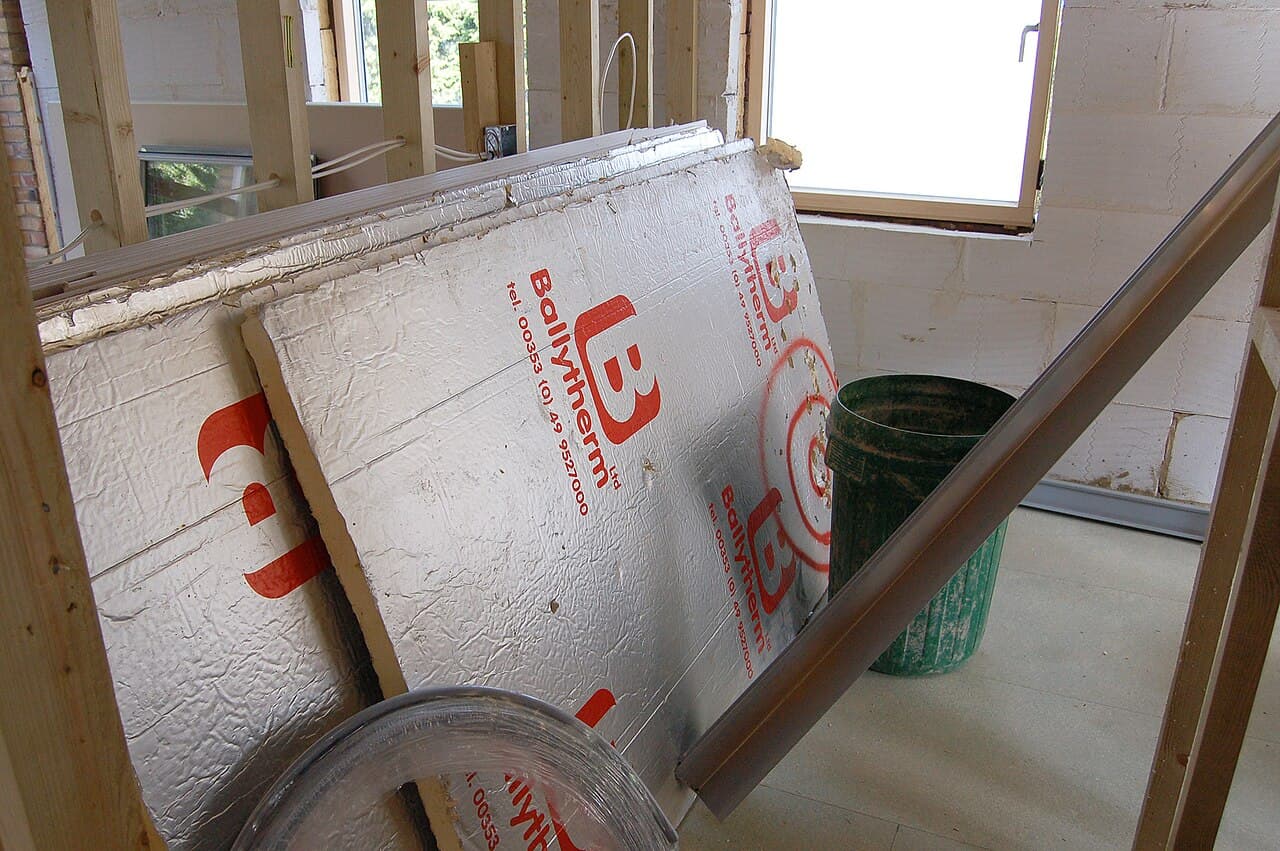
Do these before the first hard freeze
Inspect the edges. Clopay recommends that you regularly inspect the door's perimeter, threshold and any windows for signs of air leaks.[2] Do it in the fall: close the door, switch the garage lights off in the afternoon and look for daylight along the bottom, sides and top and across the joints between sections.
Replace a worn bottom seal. Disengage the opener before beginning work, raise the door to the open position and put C-clamps in both tracks directly below the door and tighten them.[3] Then swap the seal. Match it to your door, because garage doors are manufactured with varying types of weather seal retainer designs, so the replacement has to be the right type for your retainer.[3]
Weatherstrip the sides and top. If the strip along the jambs and header is cracked, flattened or pulled loose, replace it. Use weatherstripping or spray foam insulation to seal any gaps you find.[2] Weather-stripping can be tension seal, felt, reinforced foam, rubber tape, aluminum or stainless steel door sweeps, metal gaskets, bulb or fin seals, and other types of interlocking metal channels.[1] For the walk-in door, a sweep along the bottom and a strip around the frame usually cure most of the draft.
Check windows and penetrations. Caulk around garage windows and where pipes or wires pass through the wall.
Then insulate the door
Once the edges are tight, insulation pays off. In the winter, insulated garage doors help retain warmth, decreasing the load on your home's heating system.[2] A foam-panel kit is the usual do-it-yourself route; how to insulate a garage door walks through it, including the balance test afterwards. If you are weighing the spend, see what garage door insulation costs in Virginia and whether insulating is worth it.
Habits that keep it warmer
- Close the door promptly. Do not leave it open while you load the car or let the engine warm up.
- Never warm the garage by idling the car. Do not idle the car in a garage, even if the garage door to the outside is open, because fumes can build up very quickly in the garage and living area of your home.[4]
- Keep the seals clean and flexible. Wipe dirt off them so they close fully.
- Re-check in midwinter. Cold stiffens rubber and shifts weatherstripping; a quick feel along the edges on a windy day shows what moved.
Heat for the garage
Heating a garage is a different job from sealing it, and it carries risks that the rest of this page does not. If combustion appliances do not get enough oxygen, they will operate inefficiently and may release dangerous gases such as carbon monoxide into the home.[1] The EPA advises having fuel-burning appliances, including gas or kerosene space heaters, inspected by a trained professional at the beginning of every heating season.[4] A permanent heater needs a licensed professional (see below).
Stop and call a pro if
- You want a permanent garage heater. Gas lines, vented combustion appliances and dedicated electrical circuits are work for licensed pros, and the vent and air supply have to be right. Ask for the contractor's licence number and look it up before you hire.
- Anyone has headaches, dizziness or nausea in the house when the garage is in use. Get everyone into fresh air and call for help; that can be carbon monoxide.
- The door is hard to lift or drifts after you add insulation. The springs may need to be rebalanced by a garage door technician. Do not adjust them yourself.
- You find rot, damp or gaps in framing around the door. That is repair work, not sealing.
Getting help in Virginia
Browse more garage door answers, find local pros under garage doors, or describe the job once and licensed local businesses quote it.
Common questions
- What is the cheapest way to make a garage warmer?
- Seal the leaks. The Department of Energy calls air sealing one of the most cost-effective ways to improve the comfort and energy efficiency of a home. A new bottom seal and weatherstripping are the usual places to start; if you hire it out, ask for a written quote.
- Can I warm the garage by running the car?
- No. The EPA says not to idle the car in a garage, even if the garage door to the outside is open, because fumes can build up very quickly in the garage and the living area of the home. Carbon monoxide has no smell.
- Is a space heater safe in a garage?
- Treat it as a risk. A gas or kerosene heater is a fuel-burning appliance that releases combustion gases, and the EPA advises annual professional inspection of those. Leave a hardwired or gas-fed unit to a licensed pro to install.
- Does an insulated door make a real difference in winter?
- It helps. Clopay says insulated garage doors help retain warmth in winter and decrease the load on the home's heating system. The gain is smaller if gaps around the door stay open, which is why the seals come first.
- Do I need a permit to insulate or weatherstrip a garage door?
- Weatherstripping and a foam kit do not change the structure, but rules vary by locality. A heater, new wiring or a conversion of the garage is a different matter, so ask your county or city building department before you start.
Sources
- [1] Guide to Air Sealing, U.S. Department of Energy. Checked October 27, 2026.
- [2] Improve Energy Efficiency With Insulated Garage Doors, Clopay. Checked October 27, 2026.
- [3] Installation instructions for bulb-shaped and U-shaped astragal (garage door weather seal), Clopay Building Products. Checked October 27, 2026.
- [4] Protect Your Family and Yourself from Carbon Monoxide Poisoning, U.S. Environmental Protection Agency. Checked October 27, 2026.
Want a pro to handle it?
Describe the job once. Licensed local businesses send quotes, and you pay only when you book one.
Get a quote from a local pro