How much does garage door insulation cost in Virginia?
Garage door insulation prices vary too much by material, door and labor for one figure to be reliable, so this answer explains what drives the cost instead. A DIY foam kit costs far less than a new insulated door. Price depends on material, thickness, door size and labor. Get at least three written bids on identical specifications.
Free to ask. Local shops send quotes, and you pay only when you book one.
By Kasra Taheri, Founder, LoclisPublished
Researched and drafted with AI, then checked claim by claim against the sources listed below before it was published. Prices and rules change; the dates beside each source say when it was last checked.
Step by step
Read when to stop and call a pro, further down this page, before you start.
Step 1: Measure the door
Measure the width and height of the door and count its sections.
Step 2: Check the condition
Note dents, sagging sections, worn rollers and weatherstripping that a quote should cover.
Step 3: Price a kit
Look up the current shelf price of a kit that covers your door size; one maker's kit covers 60 square feet with eight pieces.[2]
Step 4: Write down the specification
List door size, material, thickness and R-value so every bidder prices the same job.
Step 5: Get three written bids
It is advisable to get at least three written bids or estimates using identical plans and specifications so you can compare prices and contractors.[6]
Step 6: Compare what is included
Check labor, haul-away, weatherstripping, balance check and warranty line by line before choosing.
There is no single price for garage door insulation, and an undated figure goes stale quickly. What you can know is what moves the price: a DIY foam kit costs far less than a new insulated door, and the right choice depends on the condition of your existing door.
The three routes, from cheapest up
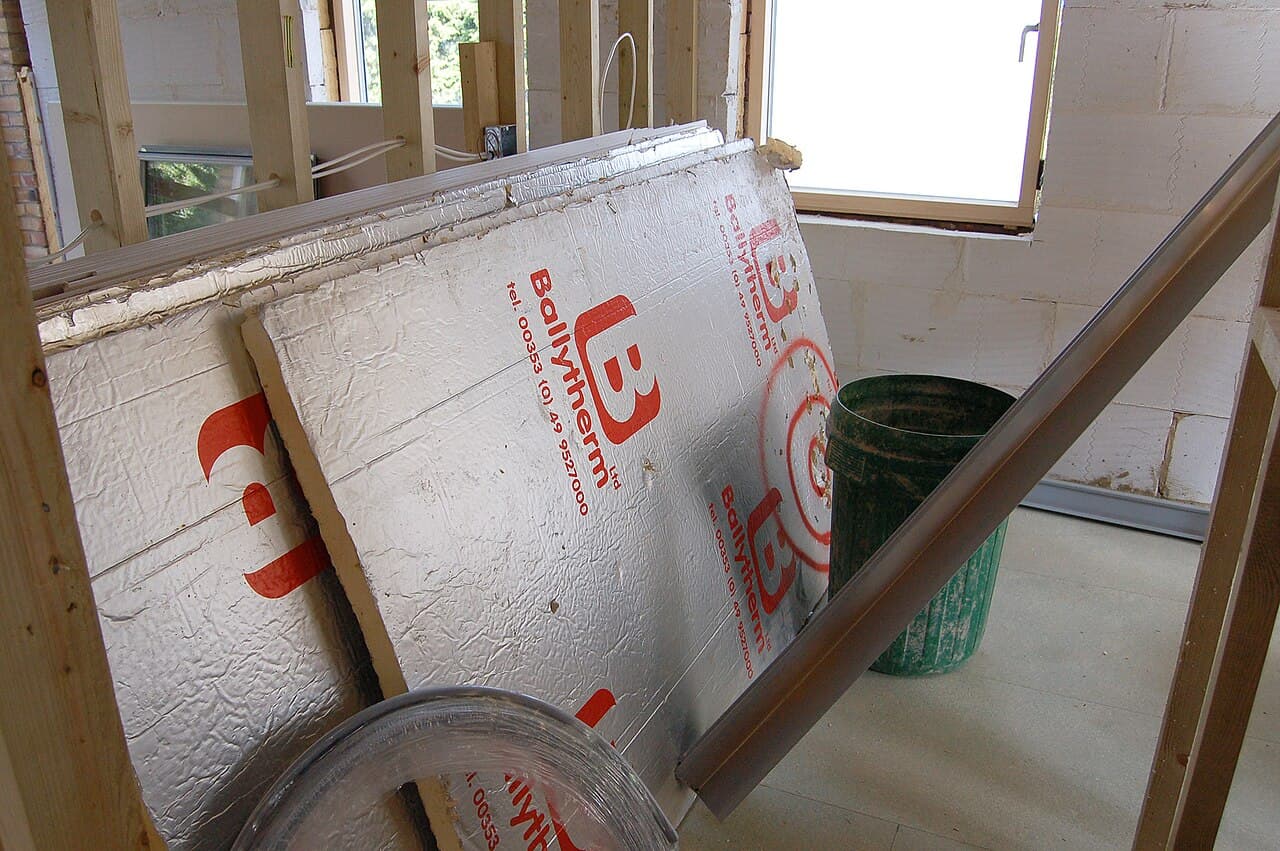
A DIY foam-panel kit. This is the budget option. One common kit has eight panels, each 20¼ inches wide, 54 inches long and 1¼ inches thick, and it insulates most standard 8-foot or 9-foot doors.[1] Another maker's kit covers 60 square feet with eight pieces.[2] Your cost is the kit, a utility knife and safety glasses, plus perhaps weatherstripping. See how to insulate a garage door for the job itself.
A kit installed by a garage door company. You pay the kit plus labor. A pro is worth it if you would rather not test the door's balance yourself, or the door is heavy, windowed or hard to reach.
A new insulated door. Insulated garage doors feature a thick insulation core sandwiched between two steel skins.[3] The same manufacturer says the up-front cost is typically higher than uninsulated models[3] and that homeowners should weigh that against expected savings and the door's durability. For that route see how much a new garage door costs in Virginia.
What drives the price
- Material. Clopay, a door manufacturer, says polyurethane insulation typically offers the strongest thermal performance, while polystyrene can provide reliable efficiency at a lower cost.[3] Fiberglass insulation is the most budget-friendly option, but offers the lowest energy efficiency for garage doors.[3]
- Thickness and R-value. R-value is a measure of insulation's ability to resist heat traveling through it.[4] Thicker foam costs more. One maker lists an R-value of 4.0 per inch[2] for its polystyrene.
- Door size and number of sections. A double door needs roughly twice the material of a single. Windows and odd-sized sections mean more cutting and more waste.
- Who does the work. Labor, travel and any spring or hardware adjustment after the weight goes on.
- Condition of the door. Dented or sagging sections, worn rollers and tired weatherstripping may need fixing first, which adds to the bill.
Why there is no number here
Prices for kits and doors change by retailer and by month, so a figure printed here would soon be out of date. Instead, price your own door: measure its width and height, count the sections, and check the current shelf price of a kit that covers your size. Then ask a garage door company for a written quote on the same job.
How to get a fair quote
It is advisable to get at least three written bids or estimates using identical plans and specifications so you can compare prices and contractors.[6] Make sure all bids are based on the same set of specifications.[6] For insulation that means asking each bidder to put in writing:
- door size and number of sections,
- insulation material, thickness and R-value,
- whether labor, haul-away and weatherstripping are included,
- whether they will check and adjust the door's balance afterward,
- the warranty on parts and labor.
Do not automatically accept the lowest.[6] A much lower bid often leaves out something on that list.
Stop and call a pro if
Even a cheap kit turns into a pro job in some cases:
- The door will not stay half open after the panels go on. A properly operating garage door is "balanced", meaning the door stays in place when stopped in any partially open position.[5] If doors are not balanced, or if they bind or stick, they should be serviced by a professional.[5]
- The springs or cables need work. That is not a homeowner repair; see is it safe to replace a garage door spring yourself.
- The door itself is in poor shape. Put the money into repair or a new door rather than insulation.
Next steps
Check whether the savings justify it in is insulating a garage door worth it, then browse garage door answers or garage door pros on Loclis. When you want quotes, describe the job and local garage door companies respond with written prices.
Common questions
- How much does a garage door insulation kit cost?
- No Virginia agency publishes a dated price, so we do not quote one. Check the current shelf price for a kit that covers your door. One maker's kit covers 60 square feet with eight pieces, enough for a typical 9-foot-wide door.
- Is it cheaper to insulate my door or buy a new insulated one?
- Insulating the existing door is usually the cheaper route, if the door is sound. A new insulated door costs more up front, but it also replaces worn parts and the finish. Compare written quotes for each.
- Does a professional charge much more than DIY?
- You add labor, and sometimes a balance check or adjustment. A pro is sensible for heavy, windowed or hard-to-reach doors. Ask for the labor line on the quote.
- Which insulation material costs the most?
- Polyurethane typically offers the strongest thermal performance and costs more, polystyrene is a middle option and fiberglass is the most budget-friendly with the lowest efficiency, according to Clopay.
- How do I compare quotes?
- Have each bidder price identical specifications: size, material, thickness, R-value, labor, balance check and warranty. DPOR advises at least three written bids and not automatically accepting the lowest.
Sources
- [1] Garage Door Insulation Kit: Installation Instructions, Insulfoam. Checked October 27, 2026.
- [2] Garage Door Kit HD Insert: Basic Installation Instructions, Cellofoam North America. Checked October 27, 2026.
- [3] Improve Energy Efficiency With Insulated Garage Doors, Clopay. Checked October 27, 2026.
- [4] Recommended Home Insulation R-Values, ENERGY STAR, U.S. Environmental Protection Agency. Checked October 27, 2026.
- [5] Non-Reversing Automatic Garage Door Openers Are a Hazard (Pub. 523), U.S. Consumer Product Safety Commission. Checked October 27, 2026.
- [6] What You Should Know Before You Hire a Contractor, Virginia Board for Contractors, DPOR. Checked October 27, 2026.
Want a pro to handle it?
Describe the job once. Licensed local businesses send quotes, and you pay only when you book one.
Get a quote from a local pro