Is insulating a garage door worth it?
Usually yes for an attached garage you heat, cool or work in, if the door is sound and you use an inexpensive foam kit. Savings vary too much from home to home to promise a dollar figure, so judge it by comfort and your own utility bills. Skip it on a damaged door or an unused detached garage.
Free to ask. Local shops send quotes, and you pay only when you book one.
By Kasra Taheri, Founder, LoclisPublished
Researched and drafted with AI, then checked claim by claim against the sources listed below before it was published. Prices and rules change; the dates beside each source say when it was last checked.
Step by step
Read when to stop and call a pro, further down this page, before you start.
Step 1: Decide the goal
Decide whether you want a warmer or cooler garage, a more comfortable room next to it, or both.
Step 2: Check the door
Look for dents, sagging sections and worn weatherstripping, and test the door's balance by hand.
Step 3: Choose the route
Compare a DIY kit, a pro-installed kit and a new insulated door for your door.
Step 4: Get written bids
It is advisable to get at least three written bids or estimates using identical plans and specifications so you can compare prices and contractors.[5]
Step 5: Track the result
Note how the garage and adjoining rooms feel and check your utility bills over the next season.
Usually yes for an attached garage you heat, cool or use as a workspace, and if the door is in sound shape: a foam kit is cheap and the work is simple. Savings vary with your climate, garage and door, so do not expect a firm payback number. The honest case is comfort and less heat passing through the garage door.
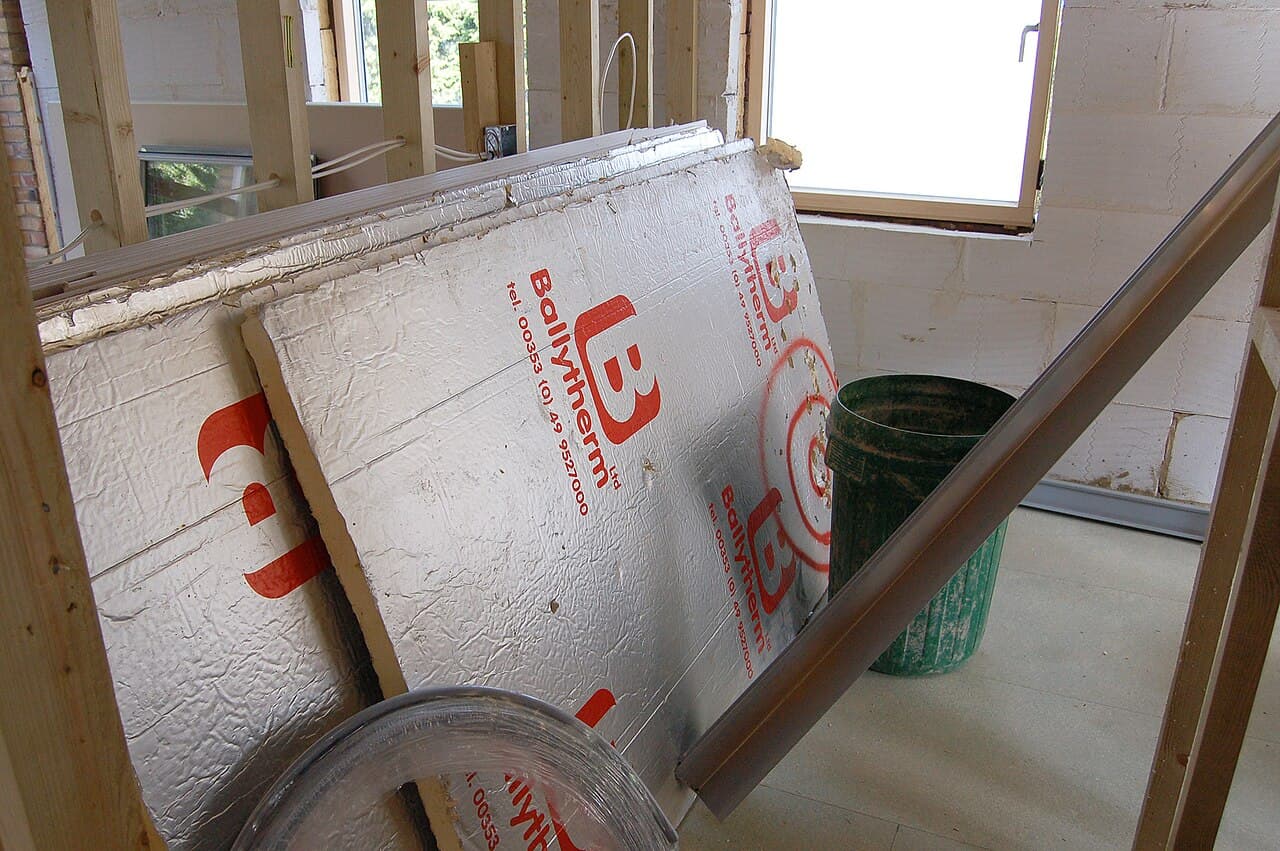
What insulation actually does
Insulated garage doors can help save energy by reducing heat transfer between your garage and the outdoors.[2] That is the manufacturer's claim, and the mechanism is sound: the door is a large flat surface, and an uninsulated or minimally insulated door allows heat to escape in the winter and enter in the summer.[2]
What it does not do: turn the garage into a heated room, or fix drafts around the edges. Even a small gap can let hot or cold air seep into your garage.[2]
When it is worth it
- A room sits above or beside the garage and is cold in winter or hot in summer.
- You use the garage as a workshop, gym or hobby space.
- The door is sound. Panels, hinges, rollers and springs work and the door is balanced.
- You will do it yourself. A kit keeps the cost low; see how to insulate a garage door.
When it is not
- The garage is detached and unused except for parking, so there is little to gain.
- The door is dented, sagging or failing. Spend on repair or replacement first.
- The door will not hold balance with the added weight. If doors are not balanced, or if they bind or stick, they should be serviced by a professional.[4]
- Windows or odd panels make a kit fiddly and wasteful.
DIY kit, pro install or a new door
A kit is the cheapest option, and one common kit has eight panels, each 20¼ inches wide, 54 inches long and 1¼ inches thick, and it insulates most standard 8-foot or 9-foot doors.[1] A garage door company can fit one for you. A new insulated door is the biggest spend, and the up-front cost is typically higher than uninsulated models[2], so it makes the most sense when the door needs replacing anyway. See how much a new garage door costs in Virginia and how much garage door insulation costs in Virginia.
How to judge a quote
It is advisable to get at least three written bids or estimates using identical plans and specifications so you can compare prices and contractors.[5] Ask each bidder for the insulation material, thickness and R-value; R-value is a measure of insulation's ability to resist heat traveling through it, and the higher the number, the better the thermal performance.[3] Be wary of claims of exact savings that are not backed by your own utility bills.
Stop and call a pro if
- The door drifts or drops after you add panels. A severely unbalanced garage door could unexpectedly crash to the floor, possibly striking someone under the open door.[4]
- The opener strains or reverses, or springs and cables look worn. Springs are not a homeowner job; see is it safe to replace a garage door spring yourself.
- You are unsure the door can take the extra weight or has room behind the rails.
Next steps
Browse garage door answers or find garage door pros on Loclis. To get quotes on insulating or replacing a door, describe the job.
Common questions
- How much will insulating my garage door save on energy bills?
- No independent source gives a reliable figure, so we do not quote one. Manufacturers say insulated doors reduce heat transfer between the garage and outdoors. Judge it by comfort and your own utility bills.
- Is it worth insulating a detached garage door?
- Usually not if it is only used for parking. The benefit comes from keeping heat out of or in a space that adjoins your living area or that you use.
- Is a DIY kit as good as an insulated door?
- Not as a rule. A kit adds panels to an existing door, while a factory insulated door has a foam core between two skins. A kit is far cheaper, though, and often enough for an attached garage.
- Do I need to seal the gaps too?
- Yes. Even a small gap can let hot or cold air through, so check the weatherstripping on all four edges.
- Can insulating the door hurt it?
- It adds weight, so test the door's balance afterward. If the door will not stay put when halfway open, have a pro service the springs.
Sources
- [1] Garage Door Insulation Kit: Installation Instructions, Insulfoam. Checked October 27, 2026.
- [2] Improve Energy Efficiency With Insulated Garage Doors, Clopay. Checked October 27, 2026.
- [3] Recommended Home Insulation R-Values, ENERGY STAR, U.S. Environmental Protection Agency. Checked October 27, 2026.
- [4] Non-Reversing Automatic Garage Door Openers Are a Hazard (Pub. 523), U.S. Consumer Product Safety Commission. Checked October 27, 2026.
- [5] What You Should Know Before You Hire a Contractor, Virginia Board for Contractors, DPOR. Checked October 27, 2026.
Want a pro to handle it?
Describe the job once. Licensed local businesses send quotes, and you pay only when you book one.
Get a quote from a local pro