How do I keep mold from growing after a positive test?
Control moisture. Fix the leak that fed the mold, dry any wet material within 24 to 48 hours, keep indoor humidity below 60 percent (ideally 30 to 50 percent), and ventilate bathrooms and kitchens. The EPA says spores cannot be eliminated, but they will not grow if the moisture problem has been resolved.[^epa-guide]
Free to ask. Local shops send quotes, and you pay only when you book one.
By Kasra Taheri, Founder, LoclisPublished
Researched and drafted with AI, then checked claim by claim against the sources listed below before it was published. Prices and rules change; the dates beside each source say when it was last checked.
Step by step
Read when to stop and call a pro, further down this page, before you start.
Step 1: Fix the water source first
Repair plumbing leaks and other water problems as soon as possible, and dry all items completely.[1]
Step 2: Clean small hard-surface patches
Scrub mold off hard surfaces with detergent and water, and dry completely.[1]
Step 3: Dry leaks and spills fast
Dry wet or damp materials within 24 to 48 hours after a leak or spill.[1]
Step 4: Buy a humidity meter
Check relative humidity in the basement, bathrooms and bedrooms, and keep it below 60 percent, ideally between 30 and 50 percent.[1]
Step 5: Run the fans
Run the bathroom fan or open a window when showering, and use exhaust fans when cooking or running the dishwasher.[1]
Step 6: Use a dehumidifier or air conditioner when needed
Use air conditioners and dehumidifiers when needed to keep humidity down.[1]
Step 7: Check the outside water
Clean and repair roof gutters regularly and make sure the ground slopes away from the foundation.[1]
Step 8: Look again after cleanup
Revisit the area shortly after cleanup and confirm there is no sign of water damage or mold growth.[1]
Moisture control is the whole job
Keeping mold from coming back after a positive test comes down to keeping the house dry. The EPA states it simply: "The key to mold control is moisture control."[1] Cleaning without fixing the water does not hold: "If you clean up the mold, but don't fix the water problem, then, most likely, the mold problem will come back."[1]
You will not get to zero spores, and you do not need to. The EPA explains: "In most cases, it is not possible or desirable to sterilize an area; a background level of mold spores will remain - these spores will not grow if the moisture problem has been resolved."[1] The Virginia Department of Health says: "There is no practical way to eliminate all mold and mold spores in the indoor environment, but you can prevent excessive mold growth by controlling moisture in your home."[2]
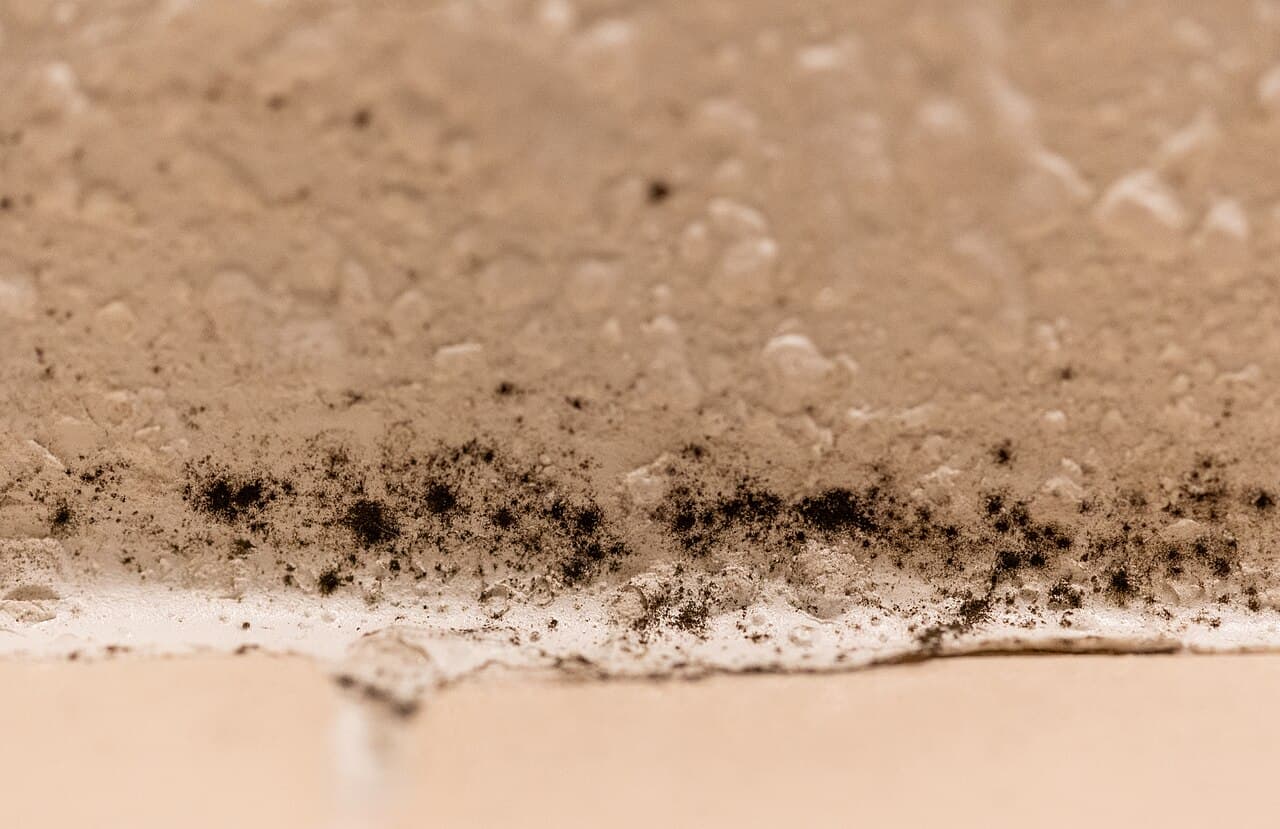
First, find and fix what fed it
Use the test result and your own walk-through to locate the wet spot: a plumbing leak under a sink, a roof or window leak, a damp basement wall, a bathroom with no working fan. Repair it before anything else. If you are still working out what the report means, read what a high mold test result means.
Cleanup is the second step. On hard surfaces the EPA says: "Scrub mold off hard surfaces with detergent and water, and dry completely."[1] Soft materials are harder: "Absorbent or porous materials, such as ceiling tiles and carpet, may have to be thrown away if they become moldy."[1] And "Do not paint or caulk moldy surfaces."[1]
The EPA also says: "The use of a chemical or biocide that kills organisms such as mold (chlorine bleach, for example) is not recommended as a routine practice during mold cleanup."[1] Killing is not enough either: "Dead mold may still cause allergic reactions in some people, so it is not enough to simply kill the mold, it must also be removed."[1] If you do use a disinfectant, "Never mix chlorine bleach solution with other cleaning solutions or detergents that contain ammonia because toxic fumes could be produced."[1]
Dry fast when water gets in
Speed is your best protection. The EPA says: "If wet or damp materials or areas are dried 24-48 hours after a leak or spill happens, in most cases mold will not grow."[1] A washing machine hose that bursts, a roof leak after a storm, a soaked rug: pull the wet material out, run fans and a dehumidifier, and keep going until it is completely dry.
Keep humidity low
Buy a humidity meter and use it. The EPA advises you to keep indoor humidity below 60 percent (ideally between 30 and 50 percent) relative humidity.[1] Virginia summers make this a real job, so check the basement and bedrooms in July and August as well as the bathrooms in January.
The EPA's practical list:
- "Run the bathroom fan or open the window when showering."[1] Use exhaust fans or open windows whenever cooking or running the dishwasher.[1]
- "Use air conditioners and/or de-humidifiers when needed."[1]
- If you see condensation on windows, walls or pipes, dry it and reduce the moisture source, since "Condensation can be a sign of high humidity."[1]
- Vent the clothes dryer to the outside.[1]
- "Keep air conditioning drip pans clean and the drain lines unobstructed and flowing properly."[1]
Watch the outside
Water that reaches the foundation ends up inside. Clean and repair gutters regularly,[1] and "Make sure the ground slopes away from the building foundation, so that water does not enter or collect around the foundation."[1]
Confirm it worked
The EPA's test for a finished cleanup is practical: "You should have revisited the site(s) shortly after cleanup and it should show no signs of water damage or mold growth."[1] Look again after the next heavy rain and after a humid week. If you want a measurement, retesting is a job for an inspector; see whether professional mold testing is worth it and how to test your house for mold.
Stop and call a pro if
- The area is large. The EPA's rule: "If the moldy area is less than about 10 square feet (less than roughly a 3 ft. by 3 ft. patch), in most cases, you can handle the job yourself".[1] Beyond that, see what professional mold remediation involves.
- Mold keeps returning after the leak is fixed. The source may be hidden. "If you believe that you may have a hidden mold problem, consider hiring an experienced professional."[1]
- The water was sewage or contaminated. "If the water and/or mold damage was caused by sewage or other contaminated water, then call in a professional who has experience cleaning and fixing buildings damaged by contaminated water."[1]
- You cannot find where the moisture comes from. A plumber, roofer or inspector can trace it.
Getting help in Virginia
Browse all inspection answers, the inspection guide, and the cost side in how much mold testing costs in Virginia.
When you are ready, describe the inspection you need and Virginia inspectors can quote it.
Common questions
- Can I kill all the mold in my house?
- No. The Virginia Department of Health says there is no practical way to eliminate all mold and mold spores in the indoor environment, but you can prevent excessive mold growth by controlling moisture in your home.
- Should I use bleach on mold?
- The EPA says bleach or another biocide is not recommended as a routine practice during mold cleanup. Detergent and water on hard surfaces is the starting point, and bleach must never be mixed with cleaners that contain ammonia.
- How fast do I need to dry a leak?
- Within 24 to 48 hours. The EPA says that if wet or damp materials or areas are dried 24-48 hours after a leak or spill happens, in most cases mold will not grow.
- What humidity should I aim for?
- Below 60 percent, ideally between 30 and 50 percent relative humidity, which you can read on an inexpensive humidity meter.
- Can I paint over mold to stop it?
- No. The EPA says not to paint or caulk moldy surfaces, and that paint applied over moldy surfaces is likely to peel. Clean the mold and dry the surface first.
Sources
- [1] A Brief Guide to Mold, Moisture and Your Home, U.S. Environmental Protection Agency. Checked October 28, 2026.
- [2] Mold - Environmental Health, Virginia Department of Health. Checked October 28, 2026.
Want a pro to handle it?
Describe the job once. Licensed local businesses send quotes, and you pay only when you book one.
Get a quote from a local pro