Is professional mold testing worth it?
Often not when mold is visible, because the EPA says sampling is usually unnecessary then and cannot show compliance with any federal standard. It is worth considering for a moldy smell with no visible source, or to check that a cleaned area is adequate. Hire an experienced professional with written scope, and fix the moisture first.[^epa-guide]
Free to ask. Local shops send quotes, and you pay only when you book one.
By Kasra Taheri, Founder, LoclisPublished
Researched and drafted with AI, then checked claim by claim against the sources listed below before it was published. Prices and rules change; the dates beside each source say when it was last checked.
Step by step
Read when to stop and call a pro, further down this page, before you start.
Step 1: Look before you pay
Check for visible mold and moisture; if it is visible, sampling is usually unnecessary.[1]
Step 2: Define the question
Decide whether you need to find hidden mold or confirm a cleanup.[1]
Step 3: Weigh the size
If the area is under about 10 square feet you can usually handle it yourself; larger or water-damaged areas call for a professional.[1]
Step 4: Collect written quotes
Ask each assessor for sample counts, lab, method and what the report covers.
Step 5: Check credentials
Ask for certificates and references; VDH does not assess mold specialists.[2]
Step 6: Fix the moisture
Whatever the result, find and stop the water source.[1]
When it is worth it, and when it is not
Professional mold testing is worth paying for when it answers a question you cannot answer by looking: is there hidden growth, or did the cleanup work. It is rarely worth it when the mold is plain to see. The EPA's guidance is blunt: "In most cases, if visible mold growth is present, sampling is unnecessary."[1]
Cases where it usually is not
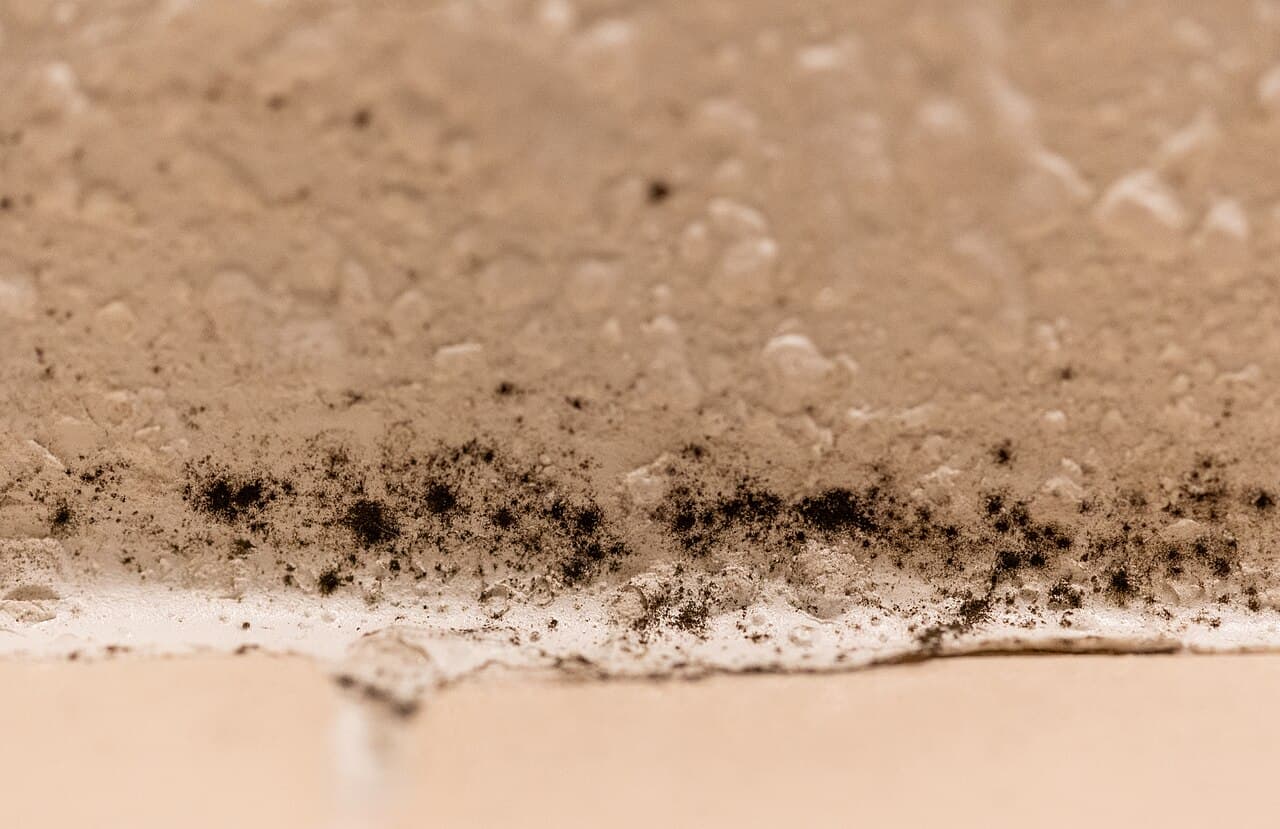
- Visible mold in a small area. If the moldy area is less than about 10 square feet (less than roughly a 3 ft. by 3 ft. patch), in most cases, you can handle the job yourself,[1] and a lab result will not change what you do next.
- You want a pass or fail. "Since no EPA or other federal limits have been set for mold or mold spores, sampling cannot be used to check a building's compliance with federal mold standards."[1]
- You hope to remove every spore. The Virginia Department of Health says there is no practical way to eliminate all mold and mold spores in the indoor environment,[2] so a result showing some spores is normal.
Cases where it can be worth it
- A moldy smell and no visible source. "You may suspect hidden mold if a building smells moldy, but you cannot see the source, or if you know there has been water damage and residents are reporting health problems."[1] The EPA lists the back side of dry wall, wallpaper, or paneling, the top side of ceiling tiles, the underside of carpets and pads among the hiding places,[1] and says that if you believe you have a hidden problem, consider hiring an experienced professional.[1]
- After a cleanup you need to confirm. The EPA says surface sampling may be useful to determine if an area has been adequately cleaned or remediated.[1] Its own test for finished work is simple: "Visible mold and moldy odors should not be present."[1]
- A larger problem or heavy water damage. Mold growth over more than 10 square feet, or a lot of water damage, is where the EPA sends you to its remediation guidance[1] and where a written assessment helps a remediator scope the job.
- Someone in the house is vulnerable. The Virginia Department of Health says young children, the elderly, pregnant women, and people with asthma or other respiratory diseases are more likely than others to develop symptoms.[2] A health professional is the first call; testing may support the findings.
How to get your money's worth
Test to answer a question, and write the question down. The EPA says sampling "should be conducted by professionals who have specific experience in designing mold sampling protocols, sampling methods, and interpreting results".[1] Ask the inspector how many samples, where, what the laboratory will do and how the results will be interpreted, in writing.
Pick an assessor who does not profit from the cleanup. Virginia's consumer protection law lists as a prohibited practice selling mold remediation services for a residential dwelling without holding a mold remediation certification from a nationally or internationally recognized certifying body, and failing to comply with the EPA's publication on Mold Remediation in Schools and Commercial Buildings or the ANSI/IICRC S520 standard (or an equivalent ANSI-accredited standard).[3] The Virginia Department of Health does not assess the credentials of, or make recommendations regarding, specific mold specialists,[2] so check certificates and references yourself.
Testing is only half the job. Mold needs moisture, and none of the many types "will grow without water or moisture",[1] so whatever the report says, the fix is to find the leak or the humidity source.
Stop and call a pro if
- You smell mold and cannot find it. "If you believe that you may have a hidden mold problem, consider hiring an experienced professional."[1]
- People are getting sick after water damage. "If you have health concerns, consult a health professional before starting cleanup."[1]
- The water was sewage or other contaminated water. The EPA says to call in a professional who has experience cleaning and fixing buildings damaged by contaminated water.[1]
- The HVAC system may be involved. "Do not run the HVAC system if you know or suspect that it is contaminated with mold - it could spread mold throughout the building."[1]
Getting help in Virginia
For the next step, see what professional mold remediation involves and whether a mold remediation company needs a licence in Virginia. Browse all inspection answers or the inspection guide.
When you are ready, describe the inspection you need and Virginia inspectors can quote it.
Common questions
- When is professional mold testing not worth it?
- When mold is plainly visible. The EPA says that in most cases, if visible mold growth is present, sampling is unnecessary. Put the money into finding and fixing the water source.
- Can a test tell me if my house passes a standard?
- No. The EPA says no federal limits have been set for mold or mold spores, so sampling cannot be used to check compliance with federal mold standards.
- When does testing make sense?
- For suspected hidden mold, and to check whether a cleaned or remediated area is adequate, which the EPA says surface sampling may be useful for.
- Should the person testing also do the cleanup?
- Not necessarily. Virginia's consumer protection law restricts selling remediation without a recognized mold remediation certification, but separating the assessment from the cleanup avoids a conflict of interest.
- Who should I see first if I am feeling sick?
- A health professional. The EPA advises consulting one before starting cleanup if you have health concerns.
Sources
- [1] A Brief Guide to Mold, Moisture and Your Home, U.S. Environmental Protection Agency. Checked October 27, 2026.
- [2] Mold - Environmental Health, Virginia Department of Health. Checked October 27, 2026.
- [3] Code of Virginia § 59.1-200. Prohibited practices, Code of Virginia, Virginia General Assembly. Checked October 27, 2026.
Want a pro to handle it?
Describe the job once. Licensed local businesses send quotes, and you pay only when you book one.
Get a quote from a local pro