How much does mold testing cost in Virginia?
Mold testing prices vary by provider, so a single number would mislead. The total depends on how many and what kinds of samples are taken, the lab analysis, how hidden the problem is and the size of the house. Get at least two written quotes that spell out each of those. If mold is visible, the EPA says sampling is usually unnecessary.[^epa-guide]
Free to ask. Local shops send quotes, and you pay only when you book one.
By Kasra Taheri, Founder, LoclisPublished
Researched and drafted with AI, then checked claim by claim against the sources listed below before it was published. Prices and rules change; the dates beside each source say when it was last checked.
Step by step
Read when to stop and call a pro, further down this page, before you start.
Step 1: Decide the question
Write down what testing must answer, such as whether hidden mold is behind a wall or whether a cleaned area is adequate.[1]
Step 2: Check whether sampling is needed
If mold is visible, the EPA says sampling is usually unnecessary.[1]
Step 3: Ask for the scope in writing
Request the number and type of samples, the laboratory, the analysis method and what the report will cover.
Step 4: Get at least two quotes
Compare the same scope, not just the totals.
Step 5: Verify credentials
Ask to see certificates, since VDH does not assess mold specialists' credentials.[2]
Step 6: Ask about conflicts
If the same company sells remediation, ask for its certification.[3]
What drives the price
Mold testing prices vary by provider, and the total depends mostly on how much work the inspector has to do. Here is what moves a quote, in the order it usually matters:
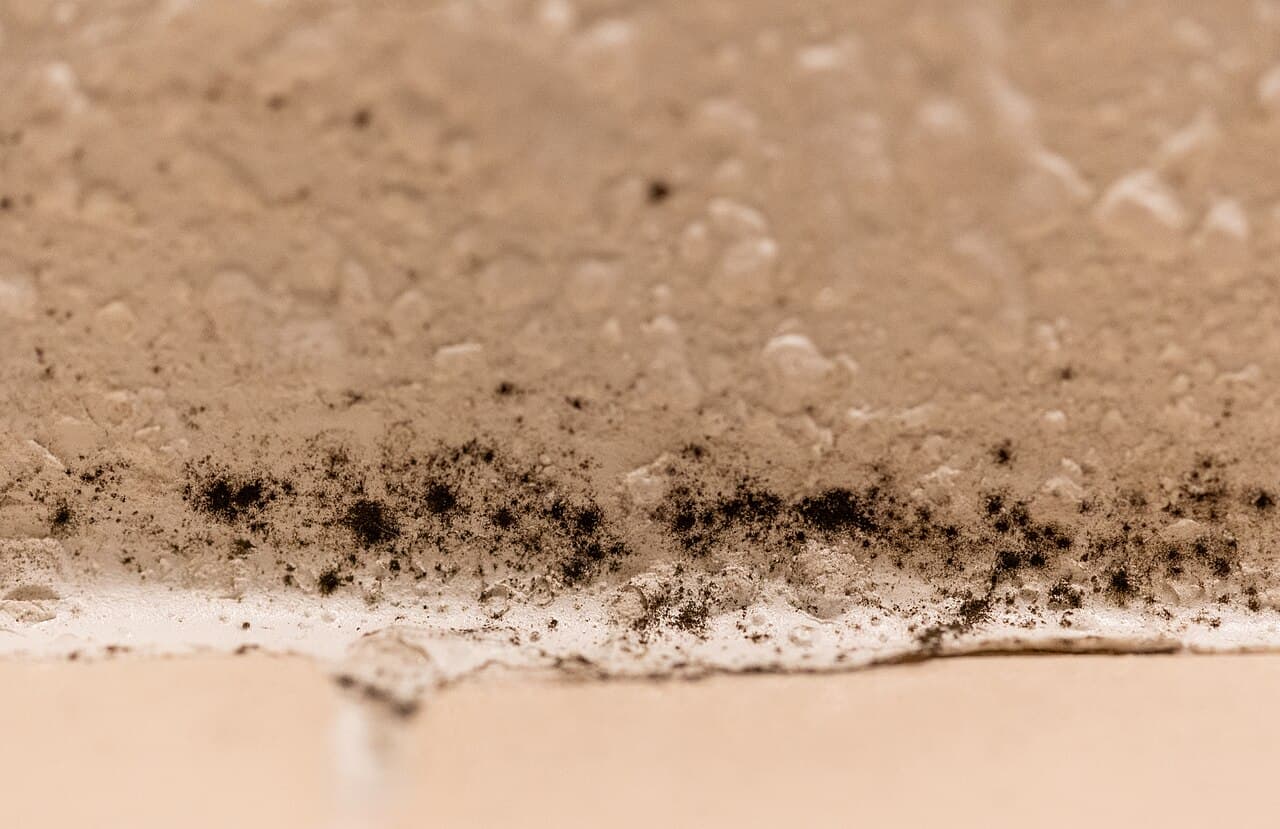
- Whether you need sampling at all. The EPA says: "In most cases, if visible mold growth is present, sampling is unnecessary."[1] If you can see the mold, the cheapest honest answer may be a visual inspection and a plan to fix the water.
- Who designs the sampling. The EPA says sampling "should be conducted by professionals who have specific experience in designing mold sampling protocols, sampling methods, and interpreting results".[1] You are paying for that design and the written interpretation, not just a lab fee.
- The number and type of samples. A single air sample, several surface samples and samples from inside walls are different jobs, and samples usually go to a laboratory for analysis. Ask for the count in the quote.
- Lab analysis. The EPA says sample analysis "should follow analytical methods recommended by the American Industrial Hygiene Association (AIHA), the American Conference of Governmental Industrial Hygienists (ACGIH), or other professional organizations."[1] Ask which method and which laboratory.
- How hidden the problem is. The EPA says investigating hidden mold "may be difficult and will require caution when the investigation involves disturbing potential sites of mold growth".[1] Moisture mapping and looking inside walls take more time than checking a bathroom ceiling.
- The size and layout of the house, including a crawl space or basement to inspect, and whether the inspector must return for a second visit.
What testing does not buy you
A report cannot tell you the house meets a standard. The EPA says: "Since no EPA or other federal limits have been set for mold or mold spores, sampling cannot be used to check a building's compliance with federal mold standards."[1] So a test is worth its cost when it answers a specific question: is there hidden growth behind this wall, or was this area cleaned adequately. Surface sampling may be useful to determine if an area has been adequately cleaned or remediated.[1]
Who to ask, and what to ask for
The Virginia Department of Health says: "VDH does not have the capability to provide environmental testing or remediation for mold problems, or provide legal advice."[2] So testing is bought from a private inspector or environmental consultant, and the department does not assess the credentials of, or make recommendations regarding, specific mold specialists.[2] You have to vet them.
Get at least two written quotes that spell out:
- the specific question the testing will answer, and where it will look;
- how many samples, which kinds, and the laboratory and method;
- what the report will say, and whether it includes the likely moisture source;
- whether a repeat visit after cleanup is included.
Be wary of an inspector who also sells the cleanup and recommends it before testing. Virginia's consumer protection law lists as a prohibited practice selling mold remediation services for a residential dwelling without holding a mold remediation certification from a nationally or internationally recognized certifying body, and failing to comply with the EPA's publication on Mold Remediation in Schools and Commercial Buildings or the ANSI/IICRC S520 standard (or an equivalent ANSI-accredited standard).[3] If the same company does both, ask to see the certificate.
Do you need to spend this money
Sometimes a visual check and a humidity meter answer the question for far less. The EPA says: "If the moldy area is less than about 10 square feet (less than roughly a 3 ft. by 3 ft. patch), in most cases, you can handle the job yourself".[1] Money is better spent finding and fixing the water source, because none of the many types of mold "will grow without water or moisture".[1] See is professional mold testing worth it for when it is.
Stop and call a pro if
- You suspect hidden mold. The EPA says: "If you believe that you may have a hidden mold problem, consider hiring an experienced professional."[1]
- There has been water damage and residents are reporting health problems. The EPA says to consult a health professional before starting cleanup.[1]
- The water was sewage or other contaminated water. The EPA says to call in a professional who has experience cleaning and fixing buildings damaged by contaminated water.[1]
- A quote lists no sample count, laboratory or method. Ask for them in writing before agreeing to anything.
Getting help in Virginia
To see what comes after a positive result, read what professional mold remediation involves, and for general inspection prices see how much a home inspection costs in Virginia. Browse all inspection answers or the inspection guide.
When you are ready, describe the inspection you need and Virginia inspectors can quote it.
Common questions
- Is there a standard price for mold testing in Virginia?
- Prices vary by provider. The price depends on the number and type of samples, the lab analysis, how hard the investigation is and the size of the house. Get at least two written quotes that spell out the scope.
- Does the Virginia Department of Health test my home for mold?
- No. VDH says it does not have the capability to provide environmental testing or remediation for mold problems, or provide legal advice.
- Why would a mold test be unnecessary?
- The EPA says that in most cases, if visible mold growth is present, sampling is unnecessary. The focus should be on finding and fixing the moisture.
- What should a quote include?
- The question being answered, where samples will be taken, how many and what kind, the laboratory and method, what the written report covers and whether a follow-up visit is included.
- Who vets mold specialists in Virginia?
- You do. VDH says it does not assess the credentials of, or make recommendations regarding, specific mold specialists, so ask for certificates and references.
Sources
- [1] A Brief Guide to Mold, Moisture and Your Home, U.S. Environmental Protection Agency. Checked October 27, 2026.
- [2] Mold - Environmental Health, Virginia Department of Health. Checked October 27, 2026.
- [3] Code of Virginia § 59.1-200. Prohibited practices, Code of Virginia, Virginia General Assembly. Checked October 27, 2026.
Want a pro to handle it?
Describe the job once. Licensed local businesses send quotes, and you pay only when you book one.
Get a quote from a local pro