How do I plan wiring so a smart home is easy to upgrade later?
Plan the wiring around things that outlast devices: a neutral in every switch box, a thermostat cable with a C wire, network cable from one central spot, empty conduit to hard-to-reach places, and a labelled record of every run. Then choose devices on open standards and keep their software updated. In Virginia the line-voltage parts are permitted work for a licensed electrician.
Free to ask. Local shops send quotes, and you pay only when you book one.
By Kasra Taheri, Founder, LoclisPublished
Researched and drafted with AI, then checked claim by claim against the sources listed below before it was published. Prices and rules change; the dates beside each source say when it was last checked.
This is a job for a licensed pro in Virginia
This page explains what the work involves, the permits, what a licensed pro does and what drives the cost. It does not give step-by-step instructions, because this work needs a licence, a permit or both, and doing it wrong can injure someone. Before you hire, check the licence on Virginia's DPOR record.
The way to keep a smart home easy to upgrade is to plan the wiring around things that outlast any one device. Gadgets change every few years; the cable and boxes in your walls stay for decades. So the plan puts flexible infrastructure in the walls (neutrals at switches, a good thermostat cable, network cable to a central spot, empty conduit where future runs will be hard) and keeps a clear record of it. The devices on the wall then become the easy part to swap.
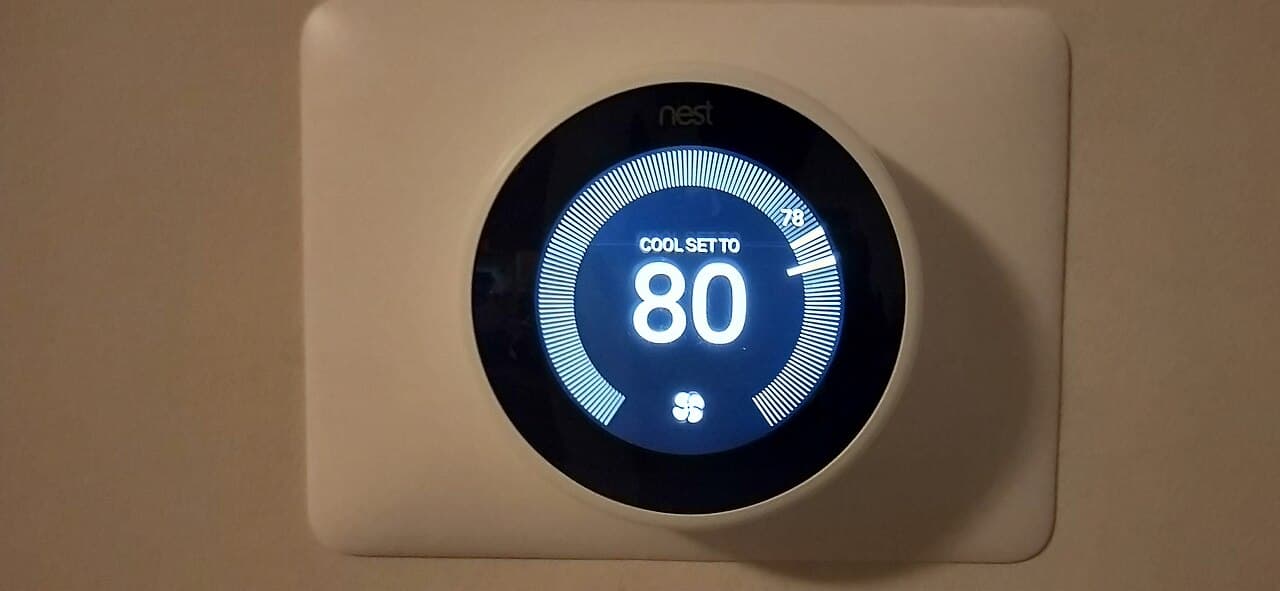
This page covers what to ask for and why. The wiring itself is a job for licensed pros.
Wiring that keeps your options open
A neutral at every switch box. Many smart switches and dimmers need a neutral conductor in the box. Older homes often lack one; Leviton sells no-neutral smart dimmers and switches for older homes, which work through its Wi-Fi bridge,[3] but that limits your choice of devices. Wherever walls are open, a neutral at each switch location leaves every smart switch on the market available to you. Deeper boxes also leave room for the bulkier bodies of smart switches.
A thermostat cable with a C wire and spares. Google Nest notes, "Some systems may require a common wire (C wire) or the Nest Power Connector."[1] It explains that the C wire does not control heating or cooling; it delivers power from the system to the thermostat when the other wires cannot provide enough.[1] When there is no C wire, there are workarounds: ecobee's Power Extender Kit frees up a wire for the C connection by combining the functions of the Y and G wires, if there are at least four wires at the thermostat.[2] A new cable with spare conductors means you never need one. Our answer on whether a homeowner can replace a thermostat covers who may do that swap.
Network cable from one central spot. Run every network cable back to a single location with power, such as a closet, utility room or basement wall. When your internet provider, router or mesh system changes, everything still meets in one place. A cable to each ceiling access point location helps even a mostly wireless home.
Empty conduit to hard places. An empty conduit with a pull string from the central spot to the attic, the basement, the main TV wall and between floors lets future cable go in without opening a wall. It is one of the cheapest ways to buy flexibility during construction or a remodel.
Power where devices will go. Outlets near planned camera, access point and hub locations, and at the central wiring spot, save extension cords later.
Hardwired smoke alarms done right. The U.S. Fire Administration says, "Only qualified electricians should install hardwired smoke alarms."[6] It also advises: "Replace the entire smoke alarm every 10 years."[6] Plan alarm locations with the electrician so a future smart alarm can go into the same box.
Records that make upgrades easy
Before insulation and drywall go up, photograph every wall and ceiling with a tape measure in the frame. Label both ends of every cable, and keep a simple list: what the cable is, where it starts and where it ends. Add the electrical permit, the inspection record and the device manuals, and keep them with the house documents. Most of the cost of a later change is finding the wire; a good record removes most of that work.
Devices and software
Choose devices that work across platforms. Leviton says its smart devices work with Matter as well as Amazon Alexa, Google Home and Apple Home,[3] and support for an open standard like that means a switch is less likely to be stranded if you change apps or voice assistants.
Keep the software current. ENERGY STAR notes, "Periodic software updates ensure your smart thermostat is using the latest algorithms and energy-saving features available."[4] CISA points out that many software updates are created to fix security risks,[5] and CISA recommends turning on automatic updates[5] wherever a device offers them. A device that no longer gets updates is a good candidate for replacement, and good wiring makes that swap simple.
Permits and licences for upgrades
Virginia's Uniform Statewide Building Code says a permit is required before work on electric wiring begins.[7] It also says no permit is needed for wiring and equipment that operates at less than 50 volts, is for broadband communications systems, or is for monitoring or automation systems in dwelling units,[7] unless it runs in a plenum, goes through fire-rated or smoke-protected construction, or is part of a fire alarm, fire detection or access control system.[7] And replacing a switch, dimmer or control switch in a house is ordinary repair that needs no permit application.[7] So a later smart switch swap is usually permit-free, while a new circuit, outlet or fixture generally needs a permit.
Being permit-free does not make it homeowner work when you are paying someone. Under Virginia law, no individual may do electrical work as a tradesman, or offer to, unless licensed or working under the supervision of a licensed tradesman in that specialty.[9] Virginia licenses low-voltage cabling as electronic/communication service contracting (ESC), and the electrical contractor classification also covers it.[8] See whether you need an electrician to replace a light switch for the details on switch swaps.
When to call a licensed pro
Call an electrician while the walls are open: at the start of a remodel or during new construction, before rough-in. Give them your upgrade list (neutrals, box depth, thermostat cable, central wiring spot, conduit, outlets for cameras and access points) and ask for each item to be priced separately. Call one too whenever a smart device needs a neutral, a new box or power where none exists, or when an older house shows signs of tired wiring; see warning signs of bad wiring.
For the bigger picture, read what prewiring for smart devices involves and whether to prewire during a remodel. You can also browse smart home wiring services, find electricians in Blacksburg, or read more electrical answers.
Describe your smart home wiring plans and licensed local pros quote it.
Common questions
- What single wiring choice makes the biggest difference later?
- For most homes, a neutral in every switch box. Many smart switches need one, and adding it later means opening walls. Close behind is a thermostat cable with a C wire and spare conductors, which suits almost any smart thermostat.
- Should I put empty conduit in the walls?
- Where a cable will be hard to reach later, often yes: from the central wiring spot to the attic or basement, to the main TV wall, and between floors. An empty conduit with a pull string lets a future cable go in without opening the wall. Your electrician or low-voltage installer can say where it is worth the cost.
- Does replacing a smart switch later need a permit?
- Not in a house. Virginia's building code treats replacing a switch, dimmer or control switch as ordinary repair that needs no permit application. It is still electrical work, so anyone you pay to do it must be a licensed electrician.
- How do I keep smart devices from going out of date?
- Turn on automatic software updates where the device offers them. CISA notes that many software updates are created to fix security risks, and ENERGY STAR says periodic updates keep a smart thermostat on its latest energy-saving features. Choosing devices that support an open standard such as Matter also widens your options later.
- What should I keep after the wiring is done?
- Photos of every wall before drywall, a list of each cable with both ends labelled, the electrical permit and inspection record, and the device manuals. Keep them with the house documents so the next electrician, or the next owner, can find them.
Sources
- [1] Check if a Google Nest thermostat is compatible with your system, Google Nest Help. Checked October 27, 2026.
- [2] Power Extender Kit, ecobee. Checked October 27, 2026.
- [3] Smart Home: Decora Smart, Leviton. Checked October 27, 2026.
- [4] Smart Thermostats, ENERGY STAR (U.S. EPA). Checked October 27, 2026.
- [5] Update Software, Cybersecurity and Infrastructure Security Agency. Checked October 27, 2026.
- [6] Smoke Alarms, U.S. Fire Administration. Checked October 27, 2026.
- [7] 13VAC5-63-80, Virginia Uniform Statewide Building Code, Section 108 Application for permit, Virginia Administrative Code, Legislative Information System. Checked October 27, 2026.
- [8] 18VAC50-22-30, Definitions of specialty services, Virginia Administrative Code, Legislative Information System. Checked October 27, 2026.
- [9] Code of Virginia § 54.1-1129, Necessity for licensure, Code of Virginia, Legislative Information System. Checked October 27, 2026.
Want a pro to handle it?
Describe the job once. Licensed local businesses send quotes, and you pay only when you book one.
Get a quote for Electrical Repair